
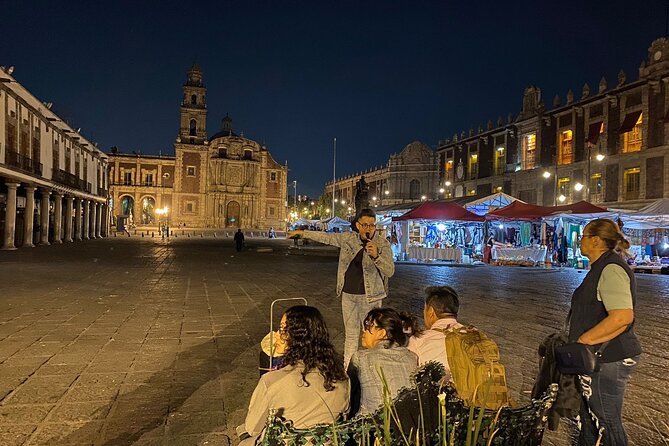
REVIEW · TEMPLO MAYOR & AZTEC TOURS
Special Pre-Hispanic Day of the Dead Tour
One neighborhood, five time periods, zero guesswork. This pre-Hispanic Day of the Dead tour strings together murals, parks, and landmark buildings to explain how Mexico’s ideas about life and death shifted over time. I especially like the way the route uses architecture as a teaching tool, and I like that the guide keeps the story clear, not just a list of facts. The only caution: you’ll be walking between stops in the historic center, so comfortable shoes help.
You’ll spend about 2 to 2.5 hours covering major sights from Centro Histórico, with admissions handled for the one paid stop and everything else free. The group max is 25, it’s offered in English, and it ends at the Templo Mayor Museum—handy if you want to keep exploring after the tour. If you’re expecting themed costumes and a full festival schedule, this is more of a history-and-beliefs tour than a night-time party.
In This Review
- Key highlights at a glance
- Pre-Hispanic Day of the Dead in Mexico City: What You’re Really Studying
- Meeting at Diego Rivera Mural Museum and Finishing at Templo Mayor
- Stop 1: Museo Mural Diego Rivera and the City’s Big-Movie History Format
- Stop 2: Alameda Central and 1592 in the Middle of the City
- Stop 3: Palacio Postal—Eclectic Architecture and the Legends Behind It
- The Esperanza Iris Theater Stop: Culture, Power, and Performance
- From the Holy Office to the Palace of Medicine: What Colonial Power Looked Like
- Stop 4: Museo del Templo Mayor and Aztec Life-and-Death Rituals
- Guide Quality, Group Size, and Why Ana’s Style Lands
- Price and Value: Is $58.51 a Good Deal?
- What to Bring and How to Prepare (So You Don’t Waste Time)
- Who This Tour Is Best For
- Should You Book This Pre-Hispanic Day of the Dead Tour?
- FAQ
- How long is the pre-Hispanic Day of the Dead tour?
- Where does the tour start?
- Where does the tour end?
- What’s included in the ticket price?
- What is not included?
- Is there a mobile ticket?
- What language is the tour offered in?
- How many people are in a group?
- Is cancellation free?
- Is the tour suitable for most travelers?
- One last decision check
Key highlights at a glance
- Diego Rivera’s mural museum used to frame Mexico’s history through characters and change
- Alameda Central (1592): the first public park in the Americas, plus classic sculptures and transformations
- Palacio Postal: eclectic architecture plus legends explained by your guide
- Esperanza Iris theater + former Inquisition site: two big chapters of the city’s cultural power
- Templo Mayor Museum: Aztec worldview on life, death, and ritual practice
Deeper into Aztec Tenochtitlan
- Taxco, Cuernavaca & Pre-Hispanic Mine optional visit
★ 4.5 · 597 reviews - Mexico City: Taxco & Cuernavaca Tour with Pre-Hispanic Mine
★ 4.6 · 271 reviews - Xochimilco, Coyoacan, Aztec Stadium & UNAM
★ 4.0 · 232 reviews - Teotihuacan & Anthropology Museum, Templo Mayor & City Tour
★ 4.5 · 109 reviews
Pre-Hispanic Day of the Dead in Mexico City: What You’re Really Studying
This tour calls out pre-Hispanic Day of the Dead themes, and that matters. Instead of focusing only on modern altars or the usual surface-level symbols, you’ll get the deeper backbone: how the Aztecs viewed life and death and how rituals were tied to the gods.
The way the tour is structured helps you make connections. You start with a big overview of Mexico’s historical storyline, then you step through the layers of the city—Spanish-era influence, colonial-era institutions, and the Indigenous worldview that the Templo Mayor site is built to interpret. The result is a route that feels like cause-and-effect, not random stops.
Meeting at Diego Rivera Mural Museum and Finishing at Templo Mayor
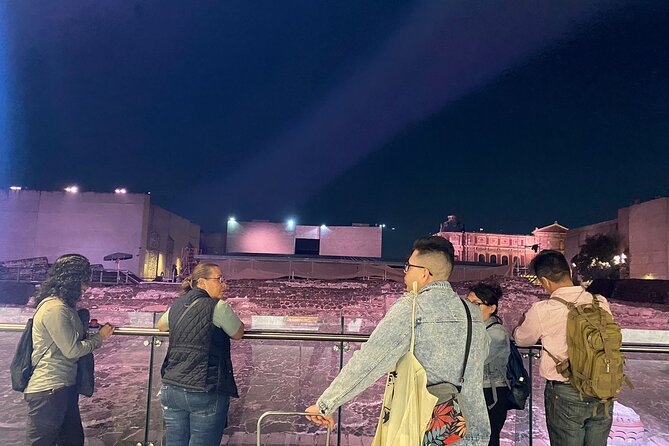
You start at Museo Mural Diego Rivera, Calle Colón Balderas s/n, Colonia Centro (Centro, Cuauhtémoc), 06040 Mexico City. The tour ends at Templo Mayor Museum, Seminario 8, Centro Histórico, Cuauhtémoc, 06060 Mexico City. The meeting and ending points are both in the historic core, so you’re not fighting transit logistics for hours.
Expect timing that runs tight but not rushed: the itinerary totals about 2 hours to 2.5 hours, with short, focused museum/landmark blocks at each stop. This format works well if you want a guided framework and still plan to wander afterward. Also, with a max group size of 25, you should be able to hear explanations without them turning into a fire drill.
Stop 1: Museo Mural Diego Rivera and the City’s Big-Movie History Format
Your first stop is Museo Mural Diego Rivera, and it’s an efficient opener. You’ll spend about 25 minutes, and the admission ticket is included. The mural setup is used to explain the history of Mexico through characters who have shaped the country’s course.
What I like about starting here is that it gives you a mental map fast. When you later move into older public spaces and colonial-era buildings, you won’t feel like you’re jumping blind. The guide’s job is basically to translate the mural’s big-picture storytelling into what you’ll actually see around you.
Possible drawback: if you’re more interested in archaeology than political history, the mural stop may feel like the most “overview” portion of the tour. Still, it’s short, ticketed, and it’s doing important work for context.
More of the marigold season
- Mexico City: Day of the Dead Guided Tour★ 3.4 · 97 reviews
- Day of the Dead Tour in Mexico City★ 3.5 · 78 reviews
- Day of the Dead Tour in San Andres Míxquic From Mexico City★ 3.7 · 52 reviews
- The real “Dia de muertos” tour in Mixquic + secret cemetery★ 4.0 · 27 reviews
- Special Pre-Hispanic Day of the Dead Tour★ 5.0 · 16 reviews
Stop 2: Alameda Central and 1592 in the Middle of the City
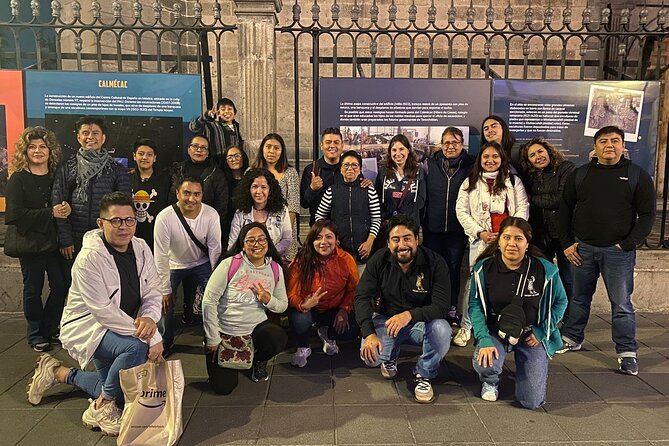
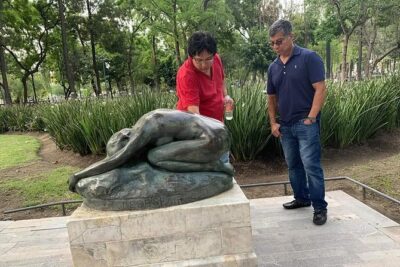
Next you’ll head to Alameda Central for about 15 minutes. Admission is free. This park is described as the first public park in all of America, ordered to be built by Viceroy Luis de Velasco in 1592.
You’ll be guided through the park’s classic sculptures and how the space has changed over time. The practical value here is that a park isn’t just a break from walking—it’s a city document. In a short window, you’ll learn how planned public spaces reflect power, culture, and priorities across eras.
How to make this stop work for you: look at the sculptures as anchors, then listen for the explanation of what changed and what stayed. The guide’s narration turns the park into a timeline you can actually see.
Stop 3: Palacio Postal—Eclectic Architecture and the Legends Behind It
Your third stop is Palacio Postal for about 15 minutes, also with free admission. The focus is the building’s standout looks—eclectic architecture—plus legends tied to the place.
This is a good moment to shift from “what happened” into “how it looks and why people built it that way.” Postal palaces tend to feel like they should be boring, but when you treat the building as a product of its era, it becomes a shortcut to the city’s ambitions.
If you’re the type who likes architecture facts, you’ll probably enjoy this stop more than you think. The only thing to watch is that the time here is brief—so be ready to capture the main points and move on.
The Esperanza Iris Theater Stop: Culture, Power, and Performance
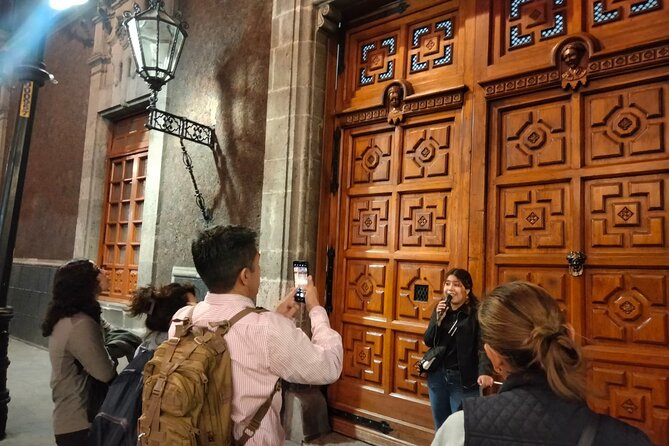
After Palacio Postal, the route includes an early major theater in the city connected to Esperanza Iris, described as the operetta queen who helped create the venue. You’ll spend a short chunk of time learning what made the theater important.
Even if you don’t know much about Mexico City’s performance history, theaters are great teaching tools. They show who mattered, what entertainment meant, and how cultural identity gets packaged for the public. In this tour, the theater stop works as a transition: you’re moving from architectural style into cultural influence.
One consideration: if you want a theater-focused deep dive, this stop is more of a “chapter marker” than a full show.
From the Holy Office to the Palace of Medicine: What Colonial Power Looked Like
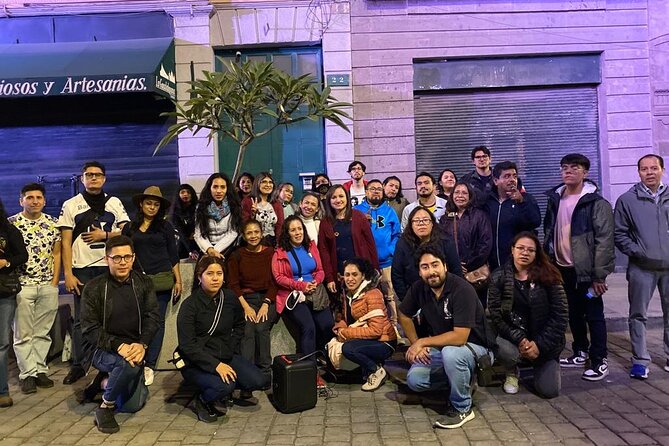
Another stop on the route points to a major historical role in colonial times: the place served as the Palace of the Inquisition and is now the Palace of Medicine. Your guide will explain the Holy Office and what that institution meant in daily and social life.
This segment is where the tour gets sharper and more serious. It’s also where your earlier context helps. Once you understand the broad timeline, it’s easier to grasp how systems of power shaped what people believed, practiced, and feared.
Practical tip: be mentally ready for heavy topic framing. The tour keeps it guided and structured, but this isn’t a light, funny break.
Stop 4: Museo del Templo Mayor and Aztec Life-and-Death Rituals
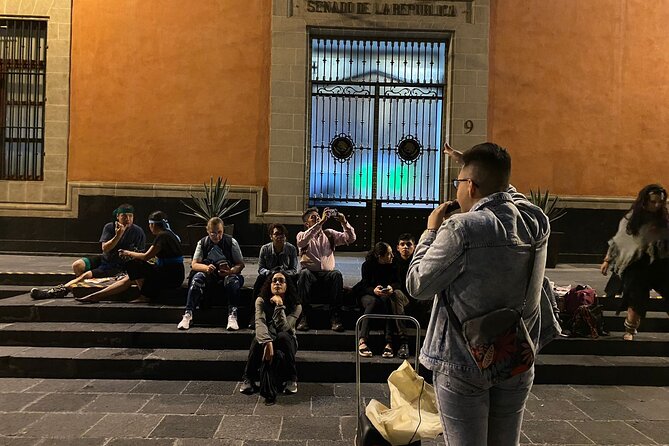
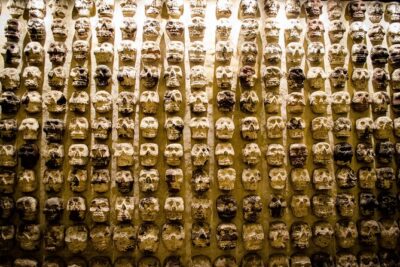
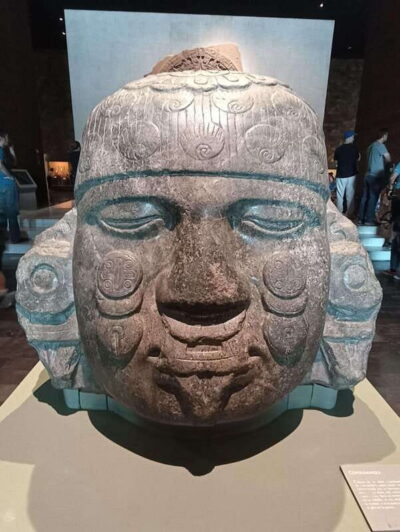
You finish at Museo del Templo Mayor for about 30 minutes, and admission is free. This is the stop that makes the tour name make sense. Here, the focus is the Aztec worldview about life and death, and the rituals the Aztecs organized for their gods.
This is your end-point because it ties everything together. The earlier stops show how Mexico City changed and layered beliefs over centuries. Templo Mayor gives you the other half of the equation: how pre-Hispanic religion understood death not as an ending, but as part of a wider reality managed through ritual.
I like that the tour ends here because it leaves you with something you can carry forward while you keep exploring. If you want to walk around independently afterward, you’ll have the right framework to notice what the site emphasizes.
Guide Quality, Group Size, and Why Ana’s Style Lands
This tour is repeatedly praised for being clear and well paced, with a 5/5 rating and 100% recommendation shown in the booking record. The strongest theme in feedback is the amount of information delivered without turning into a chaotic lecture. People also highlight that the tour covers a wide span, from the early Spanish era through Mexico’s modern world.
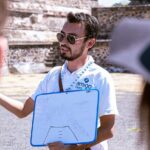
One named guide associated with this style is Ana. Her approach is described as thorough and easy to follow, with historical details woven into the walk so you can keep up without constantly checking your phone.
Why this matters to you: a “history city walk” can go two ways. It can either become a blur of dates and names, or it can create a story you can remember. This tour is built to do the second.
Price and Value: Is $58.51 a Good Deal?
At $58.51 per person, this isn’t the cheapest option in Mexico City, but it’s also not priced like an all-day museum marathon. The value comes from three things:
- Tickets and guide included: the museum admission at the start is included, and your guide handles the interpretation across multiple major stops.
- You get payoff from multiple landmarks in one compact time window (roughly 2 to 2.5 hours).
- Free admissions on several stops means your money is mainly paying for guided context and access to the time-saving framework.
If you tried to piece this together yourself, you’d spend time figuring out what matters at each site, and you’d probably miss connections about how beliefs and institutions evolved. You’re paying to get the story shaped for you.
What’s not included is simple: tips and meals. If you plan to eat afterward, you’ll want to time it after the tour since it ends at Templo Mayor.
What to Bring and How to Prepare (So You Don’t Waste Time)
Nothing here requires special gear, but the usual city-walk rules still apply. Bring comfortable shoes and a bottle of water. Dress for the weather because you’ll be outside between stops, and the itinerary is built around short segments.
Since the tour uses a mobile ticket, make sure your phone battery is healthy. You’ll want to start your day with the ticket ready rather than scrambling when you arrive.
Also, double-check you’re set on English if that’s your preference. The tour is offered in English, which keeps things straightforward.
Who This Tour Is Best For
You’ll likely love this tour if you want:
- a guided walk through major historic Centro Histórico landmarks
- an explanation of Aztec views on life and death tied to the pre-Hispanic Day of the Dead theme
- a “big picture” narrative that connects Spanish-era and colonial-era changes to Indigenous perspectives
It may be less ideal if you want:
- a hands-on craft or altar-building experience
- a long, slow archaeology-focused tour at Templo Mayor (this is about worldview and rituals, not a long excavation session)
- an event with lots of costumes or nighttime festivities
Should You Book This Pre-Hispanic Day of the Dead Tour?
Book it if you want an efficient, story-driven introduction to Mexico City’s layered beliefs—one that ends with the Aztec worldview at Templo Mayor. The price is fair for the guided structure, and the consistently high ratings point to a tour that actually teaches instead of just moving you from one photo spot to another.
Skip it only if your main goal is festival entertainment, or if you already know the material and prefer independent exploration without a guide.
FAQ
How long is the pre-Hispanic Day of the Dead tour?
It runs about 2 hours to 2 hours 30 minutes.
Where does the tour start?
The meeting point is Diego Rivera Mural Museum, Calle Colón Balderas s/n, Colonia Centro, Centro, Cuauhtémoc, 06040 Ciudad de México, CDMX, Mexico.
Where does the tour end?
The tour ends at Templo Mayor Museum, Seminario 8, Centro Histórico de la Cdad. de México, Centro, Cuauhtémoc, 06060 Ciudad de México, CDMX, Mexico.
What’s included in the ticket price?
Tickets and a guide are included.
What is not included?
Tips and meals are not included.
Is there a mobile ticket?
Yes, the tour uses a mobile ticket.
What language is the tour offered in?
The tour is offered in English.
How many people are in a group?
The tour has a maximum of 25 travelers.
Is cancellation free?
Yes. You can cancel for a full refund up to 24 hours in advance. Cancellation less than 24 hours before the experience start time is not refunded.
Is the tour suitable for most travelers?
Most travelers can participate.
One last decision check
If you want a guided route that connects Diego Rivera’s historical storytelling, colonial-era power, and Aztec ideas about life and death, this is a strong match. If you’re expecting a full holiday performance program, you may be happier with a different kind of Day of the Dead experience.
More Tour Reviews in Mexico City



Marigold Season: More Day of the Dead




The Aztec City, Toured Properly


Fresh from our Mexico City notebook

Templo Mayor & Aztec Tours, compared.
 ★ 4.5Taxco, Cuernavaca & Pre-Hispanic Mine optional visitFrom $29597 reviews
 ★ 4.6Taxco & Cuernavaca Tour with Pre-Hispanic MineFrom $29271 reviews
 ★ 4.0Xochimilco, Coyoacan, Aztec Stadium & UNAMFrom $52232 reviews
 ★ 4.5Teotihuacan & Anthropology Museum, Templo Mayor & City TourFrom $137109 reviews
 ★ 4.2Templo Mayor Skip-the-Line Entry TicketFrom $2996 reviews
 ★ 5.0Exclusive tour to Templo Mayor in CDMXFrom $6583 reviews
 ★ 4.9Historical walking tour of TenochtitlanFrom $4369 reviews
 ★ 5.0Pre-Hispanic Xochimilco, local food included and ajolotario.From $20741 reviews
Browse the lists this tour appears in