
REVIEW · DAY OF THE DEAD TOURS
Mexico City: Day of the Dead House and craft workshop
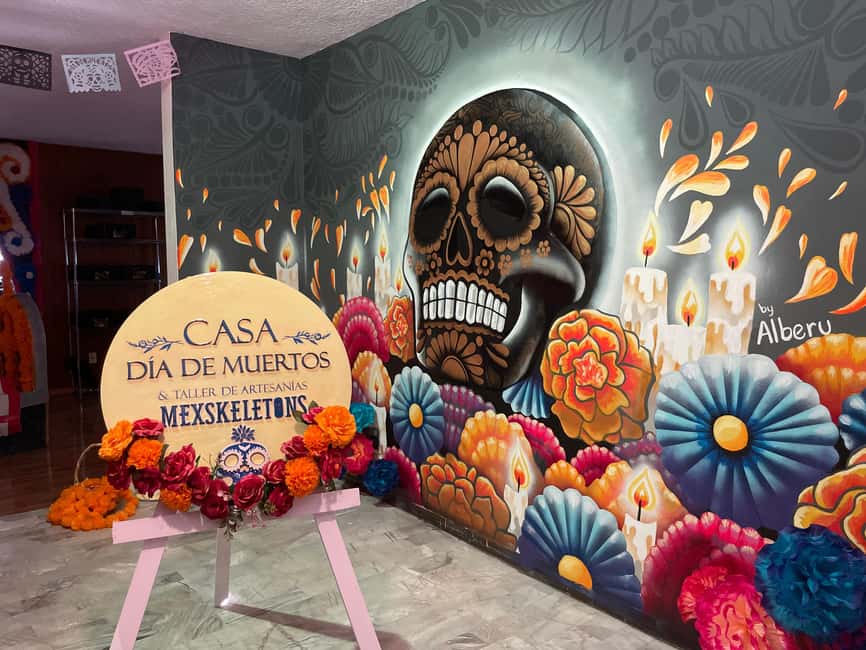
A Día de Muertos house tour hits different. You’ll visit Casa Dia de Muertos and a craft workshop, guided by Victor, with an authentic ofrenda and the chance to taste bread of the dead. What I like most: you see the art where it’s actually made, and the guide ties pre-Hispanic roots to modern life. One possible drawback: the house/workshop setup isn’t good for wheelchair users or people with mobility limits.
Near Xochimilco, this is an easy south-of-Mexico-City add-on that fits a short window—about 45 minutes total—without turning your day into a long commute puzzle. If you want Día de Muertos to feel practical, personal, and hands-on (not just scenic photos), this is a strong pick.
In This Review
- Key things that make this tour worth your time
- Why This Day of the Dead House Tour Feels Authentic
- Finding Rincón Pozo 42 Without Guessing
- The 30-Minute Guided Tour: Meaning First, Then Color
- The Short Secret Stop: A Quick Break With Purpose
- The Craft Workshop: Where the Holiday Meets Real Work
- Free Time and Shopping: Use It for Small, Thoughtful Purchases
- Tasting Pan de Muerto: A Small Finish That Helps the Big Ideas Stick
- Price and Value: Why $11 Can Make Sense for This Stop
- Who Should Book This Tour (and Who Might Not)
- Tips to Get the Most Out of Your 45 Minutes
- Should You Book Casa Dia de Muertos with Mexskeletons?
- FAQ
- How long is the Mexico City Day of the Dead house and craft workshop?
- What language is the tour guide available in?
- Where do I meet for the activity?
- Is there a tasting during the tour?
- What’s included in the price?
- Is the experience suitable for wheelchair users or people with mobility impairments?
Key things that make this tour worth your time
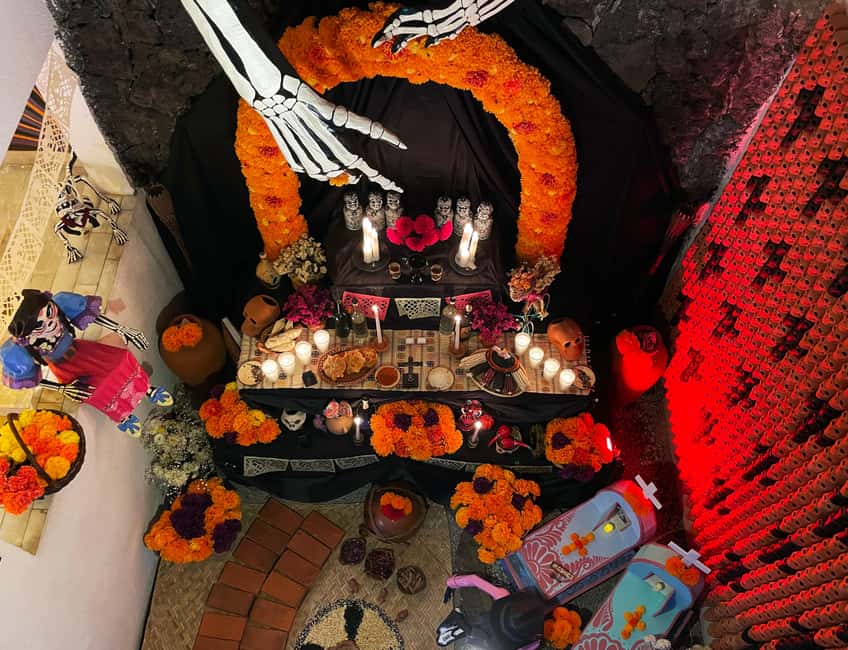
- An ofrenda you can see year-round, not just during a couple of dates on the calendar
- Artists at work in a real craft space, not staged souvenir displays
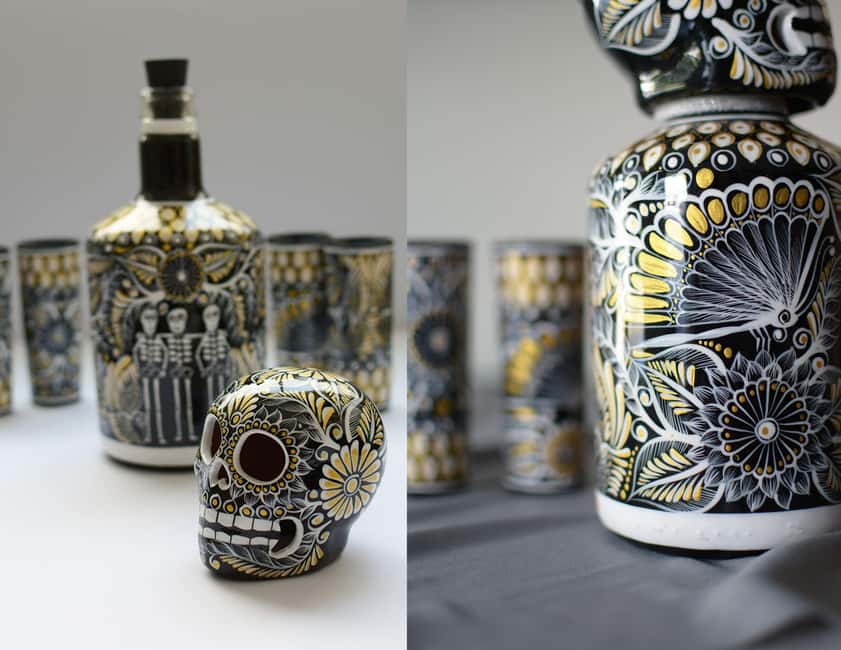
- Tequila decanter set production, including bottles and shot glasses made for export to 20+ countries
- Bread of the dead tasting as a simple, culturally grounded finish
- History that connects eras, from pre-Hispanic origins to Spanish-era syncretism and today
More of the marigold season
- Mexico City: Day of the Dead Guided Tour
★ 3.4 · 97 reviews - Day of the Dead Tour in Mexico City
★ 3.5 · 78 reviews - Day of the Dead Tour in San Andres Míxquic From Mexico City
★ 3.7 · 52 reviews - The real “Dia de muertos” tour in Mixquic + secret cemetery
★ 4.0 · 27 reviews
Why This Day of the Dead House Tour Feels Authentic
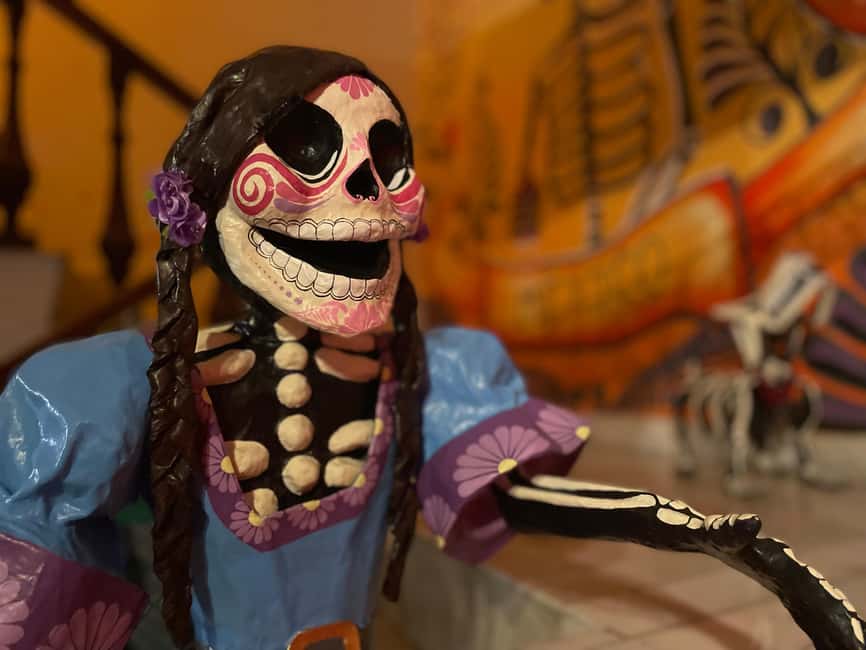
Most Día de Muertos experiences fall into two buckets: big public events you watch from the outside, or museum-style explanations. This one works because it’s neither. You’re stepping into a house that functions as a craft workshop, where the art is part of daily work, not a special show for tourists.
The guide (Victor) doesn’t just explain symbols. He frames them as a living mix of older beliefs and newer Catholic influence, which is how the holiday evolved in Mexico. You’ll hear about pre-Hispanic origins, then the syncretism that happened during colonization, then what that looks like now.
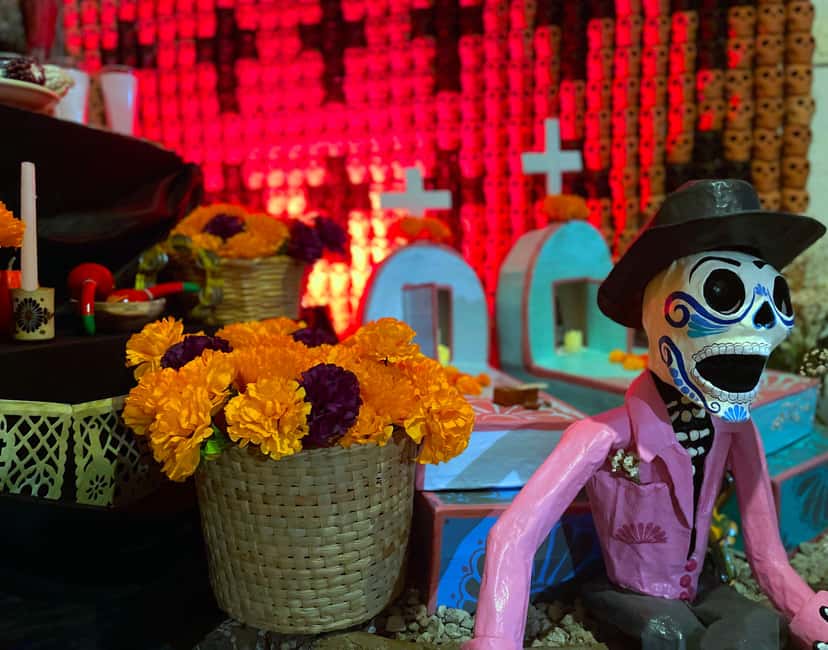
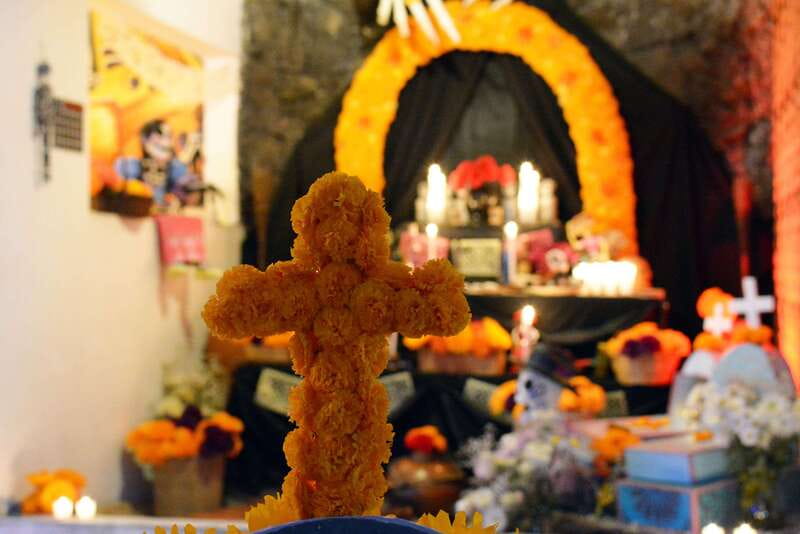
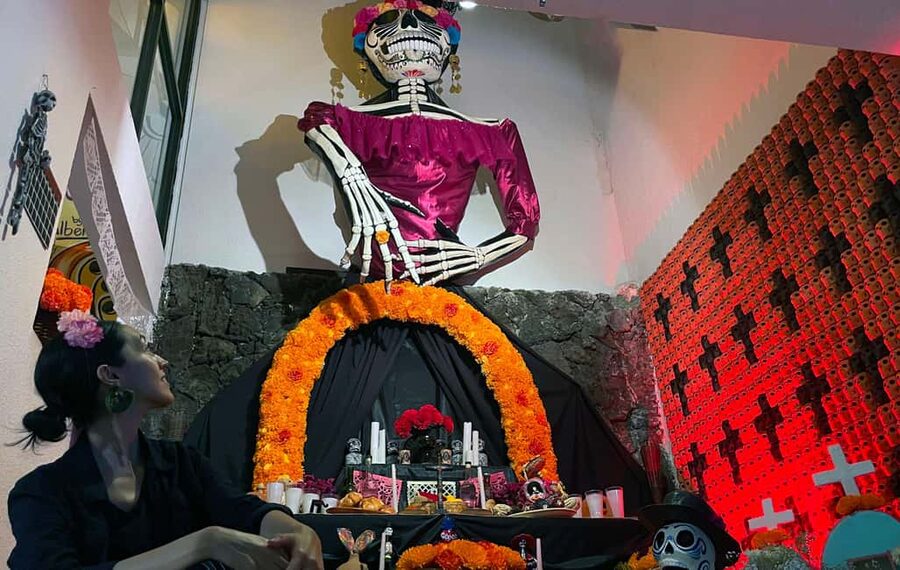
And instead of treating the ofrenda as a static display, you learn how it belongs to the space around it—art on the walls, crafts being produced, and offerings maintained throughout the year. That matters. It helps you understand why Day of the Dead is both spiritual and practical: it’s about memory, and it’s about what people do at home.
Finding Rincón Pozo 42 Without Guessing
You meet at Rincón Pozo 42. The meeting point is a white facade with black doors, with hand-painted details in blue next to the number 42. The house sits in the middle of the street, so it’s not hiding behind a gate maze.
This location is also useful if you’re already planning a day in the south of Mexico City. It’s about 10 minutes from the trajineras of Xochimilco, so you can build a route that doesn’t waste half your day in transit.
Practical tip: if you’re arriving by taxi, ask to be dropped at the white house with the black doors and the blue painted details by number 42. That short description usually lands well with drivers.
The 30-Minute Guided Tour: Meaning First, Then Color
The guided portion is about 30 minutes, and the pace is made for learning without rushing. You start in the house area connected to the Day of the Dead display, where you can take in the art and color while the explanation builds.
Here’s what makes this part work for me as a visitor: the history isn’t floating in the air. It ties back to what you’re seeing. You’ll connect symbolic elements of Día de Muertos to older traditions, then to the Spanish-era blending that shaped the holiday’s modern form.
You also get a chance to taste traditional bread of the dead during the experience, which turns the cultural talk into something bodily and memorable. Even small tastings help people remember what they learned, especially for a holiday with strong symbolism.
From what I’ve found in similar cultural stops, the best ones do two things well: they explain meaning and they make you slow down enough to look. This tour handles both.
Wider loops around Mexico City
- Teotihuacan Hot Air Balloon Flight from Mexico City / Volare★ 5.0 · 3,262 reviews
- Teotihuacan Private Tour from Mexico City★ 5.0 · 1,890 reviews
- Historic Center Food Tour in Mexico City★ 5.0 · 1,263 reviews
- The best tour to Teotihuacán from Mexico City★ 5.0 · 1,236 reviews
- From Mexico City: Puebla, Cholula and Tonantzintla Day Trip★ 4.3 · 1,191 reviews
The Short Secret Stop: A Quick Break With Purpose
There’s a brief segment in the middle of the experience—a short break plus a visit that lasts about 5 minutes.
The key point isn’t the destination name. It’s that the tour doesn’t treat your time as one long lecture. That pause gives your eyes a reset so you can continue through the craft part with better attention.
If you’re visiting in warmer months or you’re walking a bit around the area, that little breather is a smart design choice.
The Craft Workshop: Where the Holiday Meets Real Work
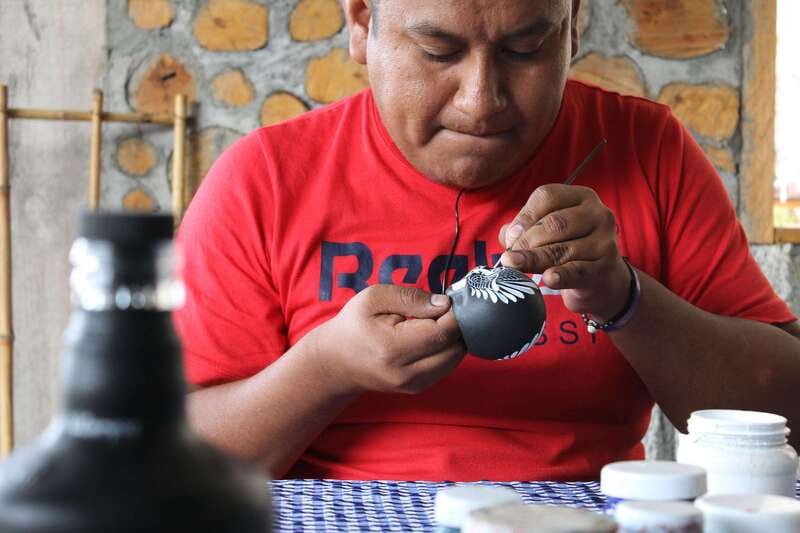
After the guided component, you move into the craft workshop side of the house. This is where the experience becomes hands-on in a different way: you’re watching artisans work, and you’re seeing how Día de Muertos aesthetics can become everyday objects that travel far beyond Mexico.
One of the most concrete things you’ll notice is the focus on craft production. You’ll learn about the creation of tequila decanter sets, including bottles and shot glasses that are exported to more than 20 countries. That detail is meaningful because it shows how folk art and commercial craft can share the same DNA—ceramics, design, and symbolic motifs working together.
You’ll also understand that the house isn’t a one-time exhibit. It’s an operating workspace where artists are present during your visit. That gives you a different kind of connection than looking at something behind glass.
What to watch for while you’re there: look closely at the materials and finished details. In craft spaces, the small work steps matter more than the final look, and that’s where you’ll get the most satisfaction from the time you spend.
Free Time and Shopping: Use It for Small, Thoughtful Purchases
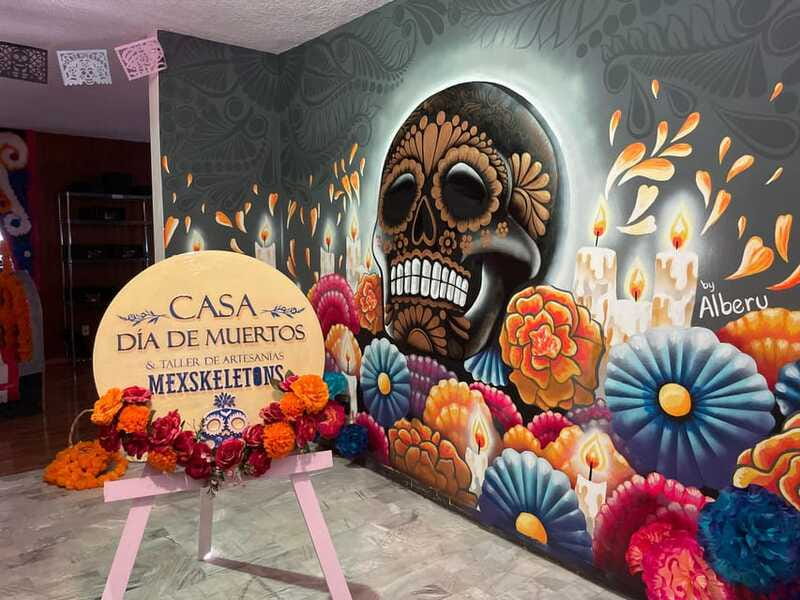
You end with a chunk of free time—about 15 minutes—inside the Casa Dia de Muertos space, which gives you a chance to shop.
Keep your expectations realistic. This is a craft workshop setting, so it’s more about choosing pieces made there than browsing a huge selection. Still, that can be a good thing, especially if you want souvenirs with an actual story.
If you’re shopping, I’d approach it like a buyer, not a postcard collector:
- Pick one item you’ll use or keep somewhere visible.
- Ask what the craft piece is made from and what it represents in Day of the Dead design language.
- Don’t rush. In a small workshop, the best purchases usually come after you’ve looked for a few minutes.
Tasting Pan de Muerto: A Small Finish That Helps the Big Ideas Stick
The experience includes tasting samples, and the highlighted treat is traditional bread of the dead (pan de muerto).
Food tastings on cultural tours can go two ways: either it’s a token bite with no context, or it supports the lesson you just heard. Here, it fits well because your guide is already explaining the holiday’s meaning and tradition.
I like this kind of tasting because it’s low-pressure. You don’t have to hunt for ingredients or find a bakery on your own. You try it as part of the ritual of the tour, then carry the flavor memory forward to your broader Día de Muertos understanding.
Price and Value: Why $11 Can Make Sense for This Stop
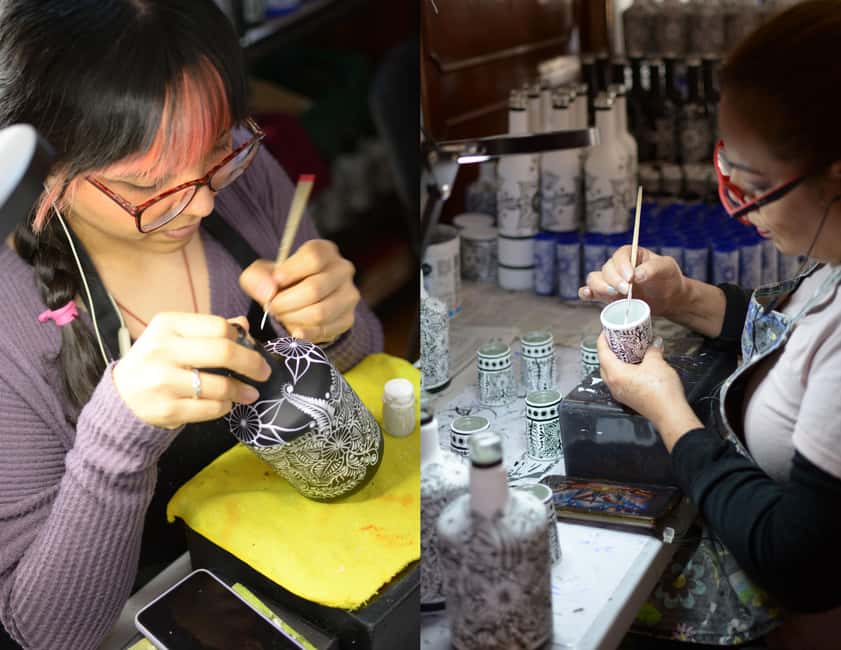
At $11 per person, this is priced for what you’re getting: a guided history piece, time inside a working craft space, a look at export-level craft production, and an authentic ofrenda setup you experience in person.
The value shows up in two places:
- The guide time: you’re not paying just for access. You’re paying for explanation that connects what you see to why it exists.
- The craft access: watching artisans work in a real workshop is rarer than typical “photo stop” tours, and it tends to take longer than people expect because you naturally want to look closer.
Is it a full-day excursion? No. It’s not meant to replace a bigger Día de Muertos event. But for a compact, meaningful cultural add-on near Xochimilco, it’s a strong deal.
Who Should Book This Tour (and Who Might Not)
This experience suits you best if:
- You want Día de Muertos explained through art, objects, and lived practice
- You care about craft traditions and want to see artists working
- You prefer smaller, human-scale cultural moments over large crowds
- You’re visiting around Día de Muertos season and want something that works even outside peak weeks, since the house keeps an offering year-round
It’s not a great match if:
- You use a wheelchair or you have mobility limitations. The experience is not suitable for wheelchair users and people with mobility impairments.
- You hate close indoor spaces or you feel uncomfortable in tight workshop environments.
If you’re traveling with kids, the format can work well because the tour combines visuals, explanation, and a tasting finish. Younger travelers usually latch onto the art and the food, and the guide’s story helps connect the dots.
Tips to Get the Most Out of Your 45 Minutes
If you want this to land well, plan your day so you arrive relaxed. A few practical ideas:
- Give yourself time nearby so you’re not sprinting from Xochimilco or anywhere else.
- Wear comfortable shoes. Even if the tour is short, you’re in and around a house and workshop space.
- Take photos of the ofrenda and craft details, but also pause long enough to listen. The guide’s meaning-making is part of the product.
- If you shop, choose one or two items max. Ten minutes of browsing can turn into an impulse buy without noticing.
And if you like history that explains why people do what they do today, you’ll appreciate how the tour connects old beliefs, colonial blending, and modern celebration practices.
Should You Book Casa Dia de Muertos with Mexskeletons?
I’d book it if you want Día de Muertos to feel personal and real, not just decorative. The biggest reason is the combination: an authentic ofrenda plus a working craft workshop where artists are present, plus clear context about origins and syncretism, plus a tasting finish.
I wouldn’t book it if accessibility is an issue, or if you’re looking for a long, scripted show. This is a compact, friendly cultural visit. It works best as a smart add-on to your Mexico City plans—especially if you’re already heading toward Xochimilco.
FAQ
How long is the Mexico City Day of the Dead house and craft workshop?
The total duration is about 45 minutes.
What language is the tour guide available in?
The tour is available in Spanish and English.
Where do I meet for the activity?
You meet at the facade of the house at Rincón Pozo 42, a white building with black doors and blue hand-painted details next to the number 42.
Is there a tasting during the tour?
Yes. The experience includes tasting samples, including traditional bread of the dead.
What’s included in the price?
You get a guided tour of Casa Dia de Muertos, a visit to an artesanías workshop, an opportunity to see production of tequila decanter sets, an authentic Day of the Dead offering, and tasting samples.
Is the experience suitable for wheelchair users or people with mobility impairments?
No. The tour is not suitable for wheelchair users or people with mobility impairments. Smoking is also not allowed during the activity.
If you want, tell me when you’re visiting (month and time of day) and what else you’re doing near Xochimilco, and I’ll help you time this so it fits cleanly into your day.
The City in a Single Day



More Tour Reviews in Mexico City




Marigold Season: More Day of the Dead


Fresh from our Mexico City notebook


Day of the Dead Tours, compared.
 ★ 3.4Day of the Dead Guided TourFrom $5797 reviews
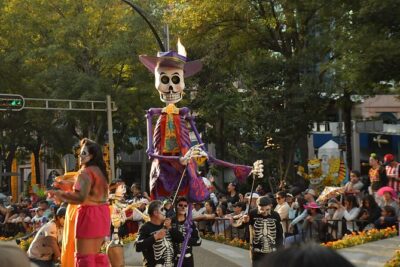 ★ 3.5Day of the Dead Tour in Mexico CityFrom $7378 reviews
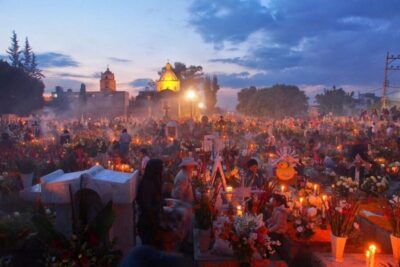 ★ 3.7Day of the Dead Tour in San Andres Míxquic From Mexico CityFrom $9452 reviews
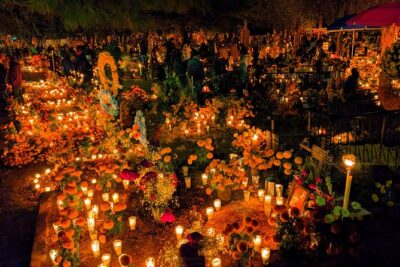 ★ 4.0The real “Dia de muertos” tour in Mixquic + secret cemeteryFrom $32827 reviews
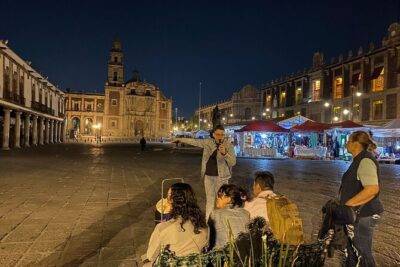 ★ 5.0Special Pre-Hispanic Day of the Dead TourFrom $5816 reviews
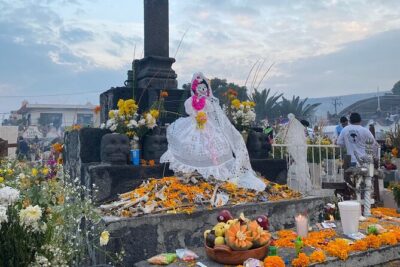 ★ 3.5Day of the Dead Tour in Mixquic from Mexico CityFrom $9911 reviews
 ★ 5.0Day of the Dead, Legends & Ghosts Mystery tourFrom $389 reviews
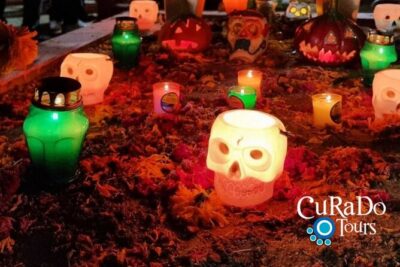 ★ 4.5Day of the Dead Night in Xochimilco: Dinner & beer tastingFrom $1359 reviews
Browse the lists this tour appears in