
REVIEW · DAY OF THE DEAD TOURS
Day of the Dead Tour in San Andres Míxquic From Mexico City
Day of the Dead in Mixquic feels personal fast. This small-group trip gives you a calmer, earlier look at altars and the cemetery rituals that make Día de Muertos matter in San Andrés Mixquic—before the day gets crowded. I like the focus on what the symbols mean (skulls, marigolds, candles, and ofrendas) and the extra time you get to observe real family moments in the cemetery. One thing to weigh: guide quality can vary, so if you want very specific explanations of traditions, choose your date carefully and come with a clear expectation of what you want to learn.
You’re leaving Mexico City and heading straight to Mixquic, one of the original villages in the Tláhuac area. The earlier start helps you see decorated streets and the setup while it’s still easier to move around and pay attention to details. I also appreciate the included pan de muerto and atole, because they fit the day instead of turning it into a snack stop.
Possible drawback: the tour is priced at $94 per person and doesn’t include full meals, so it’s worth judging whether the ceremony access and guide time are worth it for you versus doing parts on your own. Also, some travel days in CDMX can be slow, and the drive is part of the experience.
In This Review
- Key things you’ll notice on this Mixquic Day of the Dead tour
- Why San Andrés Mixquic hits harder than a quick altar photo stop
- The timing and logistics that make (or break) the day
- What you actually see in Mixquic: streets, symbols, and ofrendas
- Cemetery visit: the human part of Día de Muertos
- Included food: pan de muerto and atole (and why it matters)
- Small group size: why it feels different (when it works)
- Guide impact: what I’d watch for before you go
- Value and price: when $94 makes sense
- Practical tips to get more out of it
- Who this tour is best for
- Should you book this Day of the Dead tour in Mixquic?
- FAQ
- How long is the Day of the Dead tour in San Andrés Mixquic from Mexico City?
- Where do we meet the guide?
- What’s included in the price?
- Are meals included?
- What languages are the guides available in?
- When does the Alumbrada candle event happen in Mixquic?
Key things you’ll notice on this Mixquic Day of the Dead tour
- Earlier start to beat traffic and see the town before the biggest rush.
- Small group size (listed up to 15, described as max 12) for a more respectful vibe.
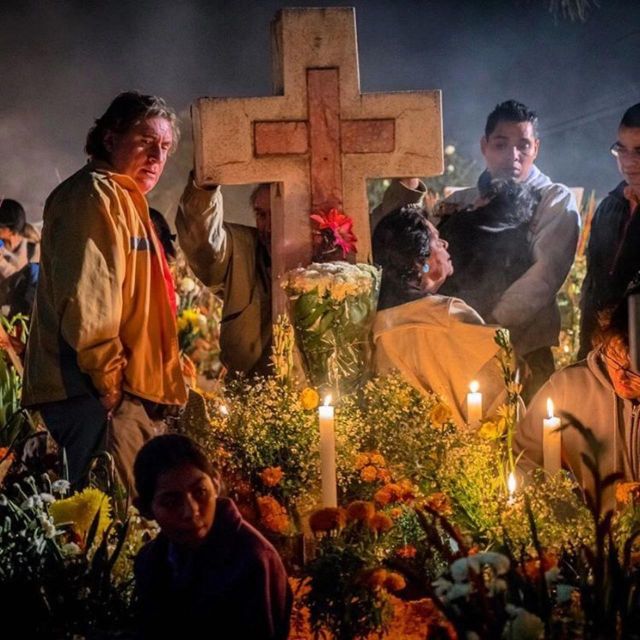
- Ofrenda symbolism explained—why you’ll see skulls, marigolds, candles, and photos.
- Cemetery time focused on families, not just viewing objects.
- Included comfort food: pan de muerto and atole.
- Date matters: the Alumbrada candle event is specifically on November 2nd.
More of the marigold season
- Mexico City: Day of the Dead Guided Tour
★ 3.4 · 97 reviews - Day of the Dead Tour in Mexico City
★ 3.5 · 78 reviews - Day of the Dead Tour in San Andres Míxquic From Mexico City
★ 3.7 · 52 reviews - The real “Dia de muertos” tour in Mixquic + secret cemetery
★ 4.0 · 27 reviews
Why San Andrés Mixquic hits harder than a quick altar photo stop
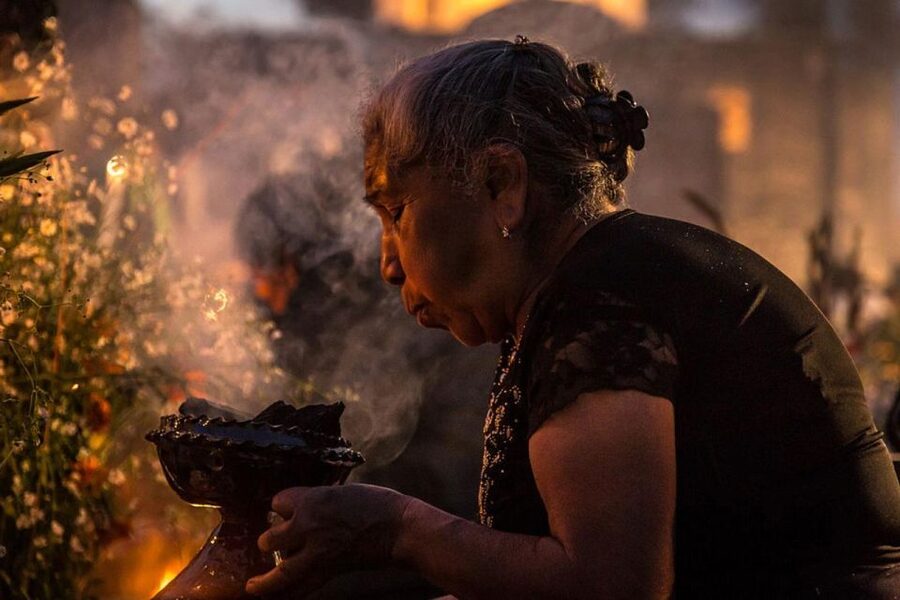
Most Día de Muertos experiences you’ll find from Mexico City focus on altars and street energy. This one is different because it leans into the place and the people. San Andrés Mixquic has that slow, lived-in feel where you don’t just look at decorations—you see how families use the cemetery grounds to remember.
You’ll get a guided walk through town first, then move into the cemetery area where families clean and decorate graves, light candles, and spend time in remembrance. That’s the difference between viewing a cultural moment and watching it happen as part of everyday devotion.
I also like how the tour is built around earlier access. Traffic and crowding in CDMX can make even a “simple” day trip feel stressful. Starting early gives you a better chance to take photos, listen to explanations, and actually read what’s in front of you instead of trying to interpret everything through noise and motion.
The timing and logistics that make (or break) the day
This is a 9-hour tour with travel from Mexico City to Mixquic and back. You’ll spend about 4.5 hours in Mixquic with guided time and walking. That’s a solid block for a town-and-cemetery day, especially since you’re not only rushing in for a quick look.
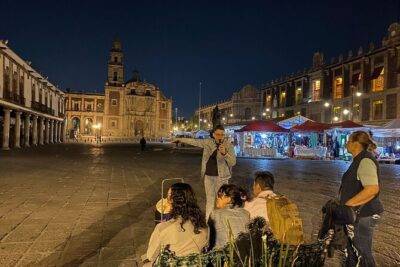
Pickup is flexible. Meet your guide outside the Lunario del Auditorio Nacional, or choose optional pickup from your accommodation or another chosen spot in Mexico City. Having that option helps if you’re staying somewhere far from the Auditorio Nacional area.
Because this is a small-group experience, you’ll feel less like a seat number and more like a group that can pause and listen. Just remember: if you’re thinking you’ll treat this like a self-guided walking tour, the schedule is still structured around the guide’s explanation and the cemetery visit.
One practical point from the tour rules: you need to provide a valid contact phone number with the international prefix. If the guide can’t reach you for pickup, the tour can be marked as a no-show. If you’re traveling with a local SIM or your phone number doesn’t work outside Mexico, sort that before the tour day.
What you actually see in Mixquic: streets, symbols, and ofrendas
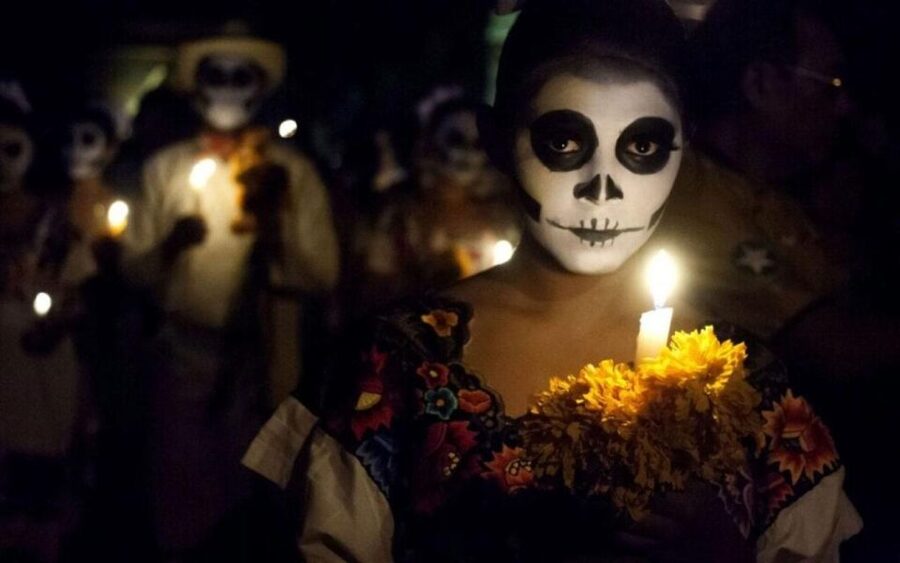
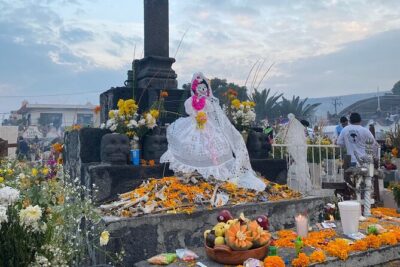
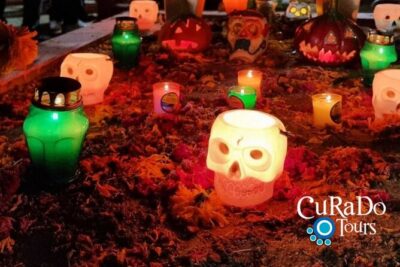
When you arrive, you’ll explore the town’s decorated streets and get the story behind Día de Muertos traditions. The guide focuses on the meanings behind what you’re seeing—especially the skulls, marigolds, candles, and ofrendas (altars) set up to honor deceased loved ones.
Here’s what I find valuable about that approach: it helps you notice the choices people make. Instead of treating the altars as just colorful objects, you start paying attention to why they look the way they do. You’ll be better able to understand why photos show up, why candles matter, and why flowers like marigolds often fill the space.
You’ll also see the contrast between pre-Hispanic roots and later Catholic-era traditions. The tour frames this as something that evolved over time, not something frozen in a museum.
If you’re the kind of traveler who likes learning symbols on-site, this is the part you’ll probably enjoy most. If you’re more into photography than meaning, you still get the guidance, but you’ll want to give yourself permission to step back and watch what families are doing rather than running for the best picture.
Wider loops around Mexico City
- Teotihuacan Hot Air Balloon Flight from Mexico City / Volare★ 5.0 · 3,262 reviews
- Teotihuacan Private Tour from Mexico City★ 5.0 · 1,890 reviews
- Historic Center Food Tour in Mexico City★ 5.0 · 1,263 reviews
- The best tour to Teotihuacán from Mexico City★ 5.0 · 1,236 reviews
- From Mexico City: Puebla, Cholula and Tonantzintla Day Trip★ 4.3 · 1,191 reviews
Cemetery visit: the human part of Día de Muertos
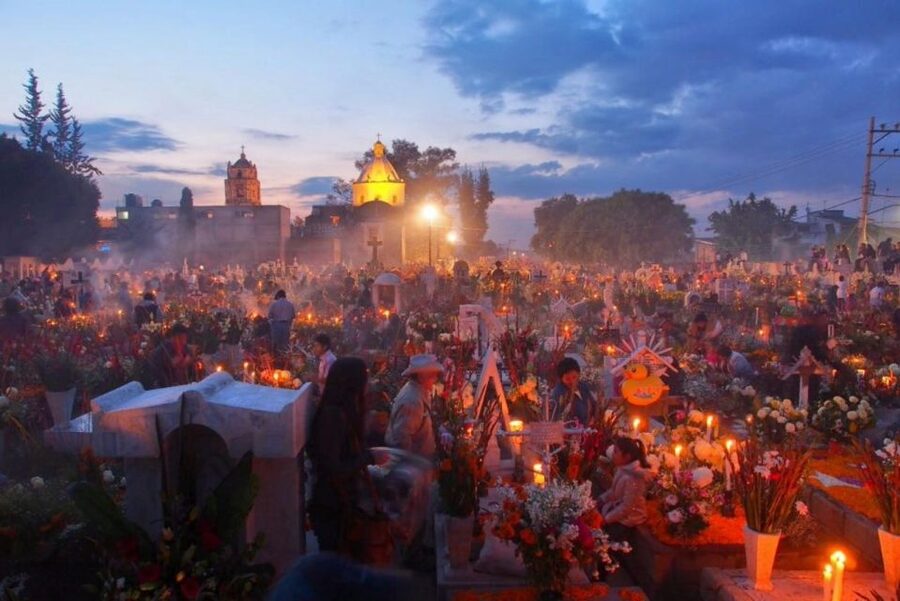
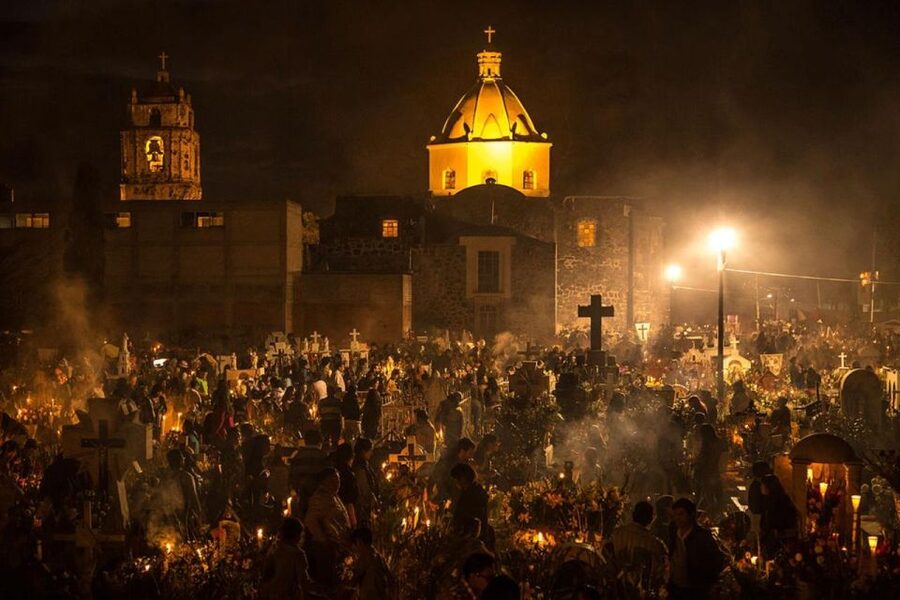
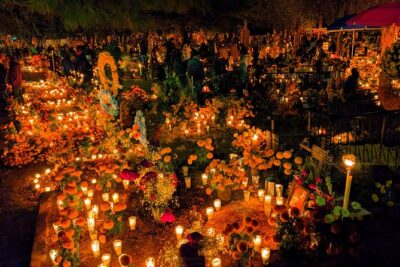
The highlight for many people is the cemetery time—where families gather to clean and decorate graves, light candles, and spend time in remembrance. This is where the trip becomes more than “pretty scenes.” You can see how families set the space for honoring someone, and you can feel the quiet rhythm of the event.
The tour keeps the pace respectful, and the small-group size helps. In a big crowd, cemetery visits can start to feel rushed or intrusive. Here, the idea is to keep you close enough to understand what’s happening without pushing into people’s personal space.
One important date note: Panteon de Mixquic welcomes visitors during all three days of the celebration. But the special candle “Alumbrada,” when locals light thousands of candles, is specifically on November 2nd. If that candle event is your must-see, plan around Nov 2. If you’re visiting on another day, you can still see decorated graves and families gathering, but the big candle moment may differ.
Included food: pan de muerto and atole (and why it matters)
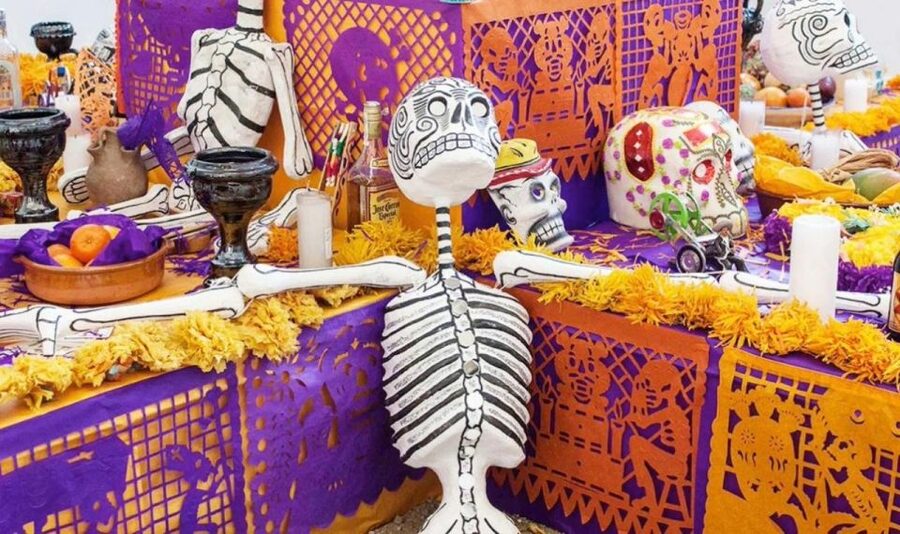
The tour includes pan de muerto and atole. That’s not a full meal, but it’s a classic pairing that matches what’s happening around you. Instead of searching for a sit-down lunch with limited time, you get something you can hold onto and keep moving.
Because meals aren’t included beyond that, I recommend you budget for lunch or snacks on your own. You’ll likely have chances to buy food nearby, but the reality is that this is still a day trip with limited time windows.
If food is a major reason you’re going, it’s worth planning ahead. With a 9-hour structure, you’ll want to eat when you can, not when you get hungry. Bring a bit of cash for snacks or small purchases if you want extra flexibility.
Small group size: why it feels different (when it works)
The tour is set up as a small group, listed as up to 15 participants, and described as max 12. Either way, the intent is clear: you won’t be herded like a bus tour.
In the positive feedback, people praised the group size and the fact that it didn’t feel chaotic. One review mentioned a well-prepared guide, punctual timing, good length of stay, and a small group of about 15. Another highlighted Joe as the best guide they had.
When the experience is good, the group size helps with two things:
- You hear the guide better.
- You have enough room to look at decorations and read details.
When the experience is bad (and there are some mixed reviews), the problem can become less about the group and more about whether the guide delivers enough tradition explanation. So yes—small group helps—but it still depends on how the guide runs the day.
Guide impact: what I’d watch for before you go
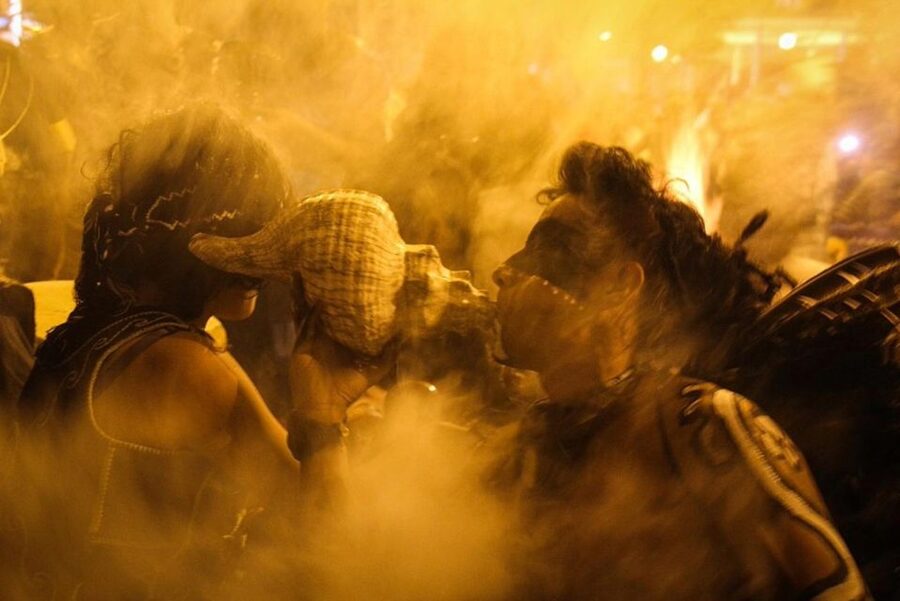
This is a guided cultural tour, so your guide matters. The included info says live guides are available in Spanish, English, French, Italian, and German. From the feedback provided, some guides were praised for being excellent and giving strong context, while others were criticized for not explaining traditions much and for the cemetery visit not matching expectations.
You can’t control who you get assigned, but you can control how you show up:
- If learning symbolism is your top priority, come ready with questions and a short list of what you want explained (ofrendas, candles, skull symbolism).
- If ceremonies are your top priority, plan around November 2nd for Alumbrada.
- If you want a lot of free time to wander, you should be aware the day is structured and guided time is part of it.
One review mentioned a guide named Flor who didn’t provide much tradition context, and another mentioned Joe as a standout. Those examples are a good reminder that you should treat guide narration as a key part of the value, not a bonus.
Value and price: when $94 makes sense
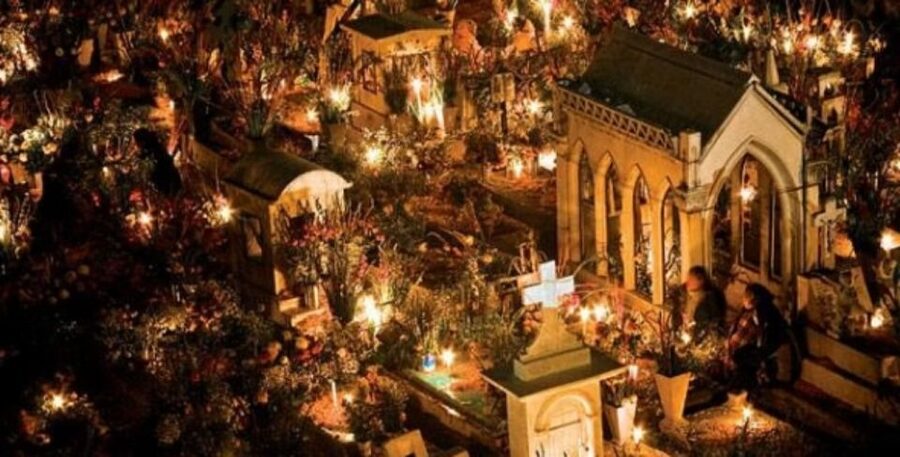
At $94 per person for a 9-hour trip, this is not a budget day. You’re paying for:
- Transportation in a private vehicle
- Local guides
- Early scheduling to get you to Mixquic before the worst crowds
- A guided town + cemetery experience
- Included pan de muerto and atole
So, when does it make sense?
- You want the symbolism explained clearly.
- You’d rather pay than solve logistics and timing yourself.
- You care about getting to Mixquic earlier when it’s easier to slow down and pay attention.
- You prefer the structure of a guided visit in a cemetery setting.
When might it not be the best value?
- If you mainly want street vendors and snacks, a day trip may feel like extra effort since food vendors exist in Mexico City too.
- If you expect a lot of ceremony action every minute, you’ll want to match your date to what you’re hoping to see (especially Alumbrada on Nov 2).
I’d call it a good value if you enjoy guided cultural context and you’re going on the right day. If you’re more independent and want total flexibility, you might feel the cost more sharply.
Practical tips to get more out of it
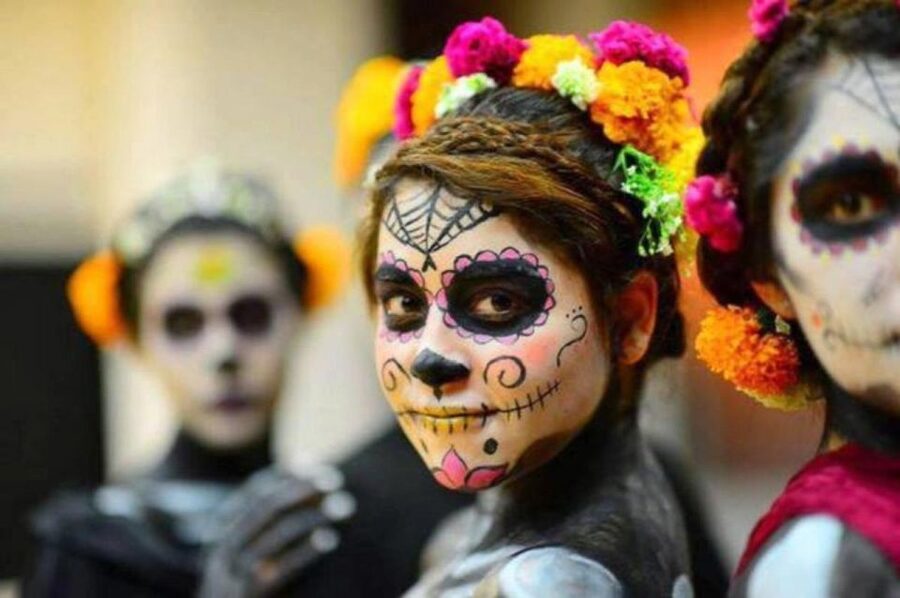
Here are the small things that help you enjoy this kind of cultural day trip without frustration.
Bring what the tour asks for
- Camera
- Cash
- Comfortable clothes and shoes
Dress for walking and a cemetery environment
You’ll be in Mixquic and doing guided walking for hours. Comfortable shoes matter more than style.
Bring cash even if you’re not sure you’ll buy anything
The tour doesn’t include meals, and you might want snacks or small souvenirs while you’re there. Cash helps you avoid awkward last-minute fixes.
If you’re booking, double-check your phone number
Because pickup depends on contact, make sure your number works on tour day with the correct international prefix.
Who this tour is best for
This experience is a strong fit if you:
- Like cultural interpretation and want help understanding the symbols.
- Prefer small-group pacing over big bus chaos.
- Want an earlier start to avoid the worst crowd and traffic pressure.
- Plan to visit on or near November 2nd if you care most about the Alumbrada candle event.
It’s less ideal if you:
- Want a totally free-wandering day with minimal guided narration.
- Need guaranteed ceremonies at every time block (the Alumbrada timing is known for Nov 2, but other moments can vary).
- Are trying to stretch every dollar and would rather DIY everything.
Should you book this Day of the Dead tour in Mixquic?
I think you should book it if early timing, small-group respect, and guided meaning matter to you. The included pan de muerto and atole are a nice touch, and the cemetery focus is what many people come for: families cleaning graves, lighting candles, and honoring loved ones.
I’d pause before booking if you’re extremely sensitive to guide narration quality. The feedback shows that some guides delivered strong context, while others didn’t meet expectations. Your best insurance is choosing the right date—especially November 2nd for Alumbrada—and going in ready to ask questions and pay attention to the ofrenda details.
If you want my simple rule: book it for meaning and cemetery time; don’t book it expecting an all-day “party show.” Día de Muertos in Mixquic is intimate. When it clicks, it stays with you.
FAQ
How long is the Day of the Dead tour in San Andrés Mixquic from Mexico City?
The tour runs for 9 hours total.
Where do we meet the guide?
You meet your guide outside the Lunario del Auditorio Nacional. Pickup is optional from your accommodation or another place in Mexico City.
What’s included in the price?
Transportation in a private vehicle, local guides, and pan de muerto and atole are included.
Are meals included?
No. Meals are not included (only the pan de muerto and atole).
What languages are the guides available in?
Guides are available in Spanish, English, French, Italian, and German.
When does the Alumbrada candle event happen in Mixquic?
The Alumbrada, when locals light thousands of candles, takes place specifically on November 2nd.
More Tours in Mexico City


More Tour Reviews in Mexico City



Marigold Season: More Day of the Dead


Fresh from our Mexico City notebook


Day of the Dead Tours, compared.
 ★ 3.4Day of the Dead Guided TourFrom $5797 reviews
 ★ 3.5Day of the Dead Tour in Mexico CityFrom $7378 reviews
 ★ 4.0The real “Dia de muertos” tour in Mixquic + secret cemeteryFrom $32827 reviews
 ★ 5.0Special Pre-Hispanic Day of the Dead TourFrom $5816 reviews
 ★ 5.0Day of the Dead House and craft workshopFrom $1115 reviews
 ★ 3.5Day of the Dead Tour in Mixquic from Mexico CityFrom $9911 reviews
 ★ 5.0Day of the Dead, Legends & Ghosts Mystery tourFrom $389 reviews
 ★ 4.5Day of the Dead Night in Xochimilco: Dinner & beer tastingFrom $1359 reviews
Browse the lists this tour appears in