
REVIEW · TEOTIHUACAN PYRAMIDS TOURS
Mexico City: Teotihuacan, Tlatelolco & Guadalupe Shrine Tour
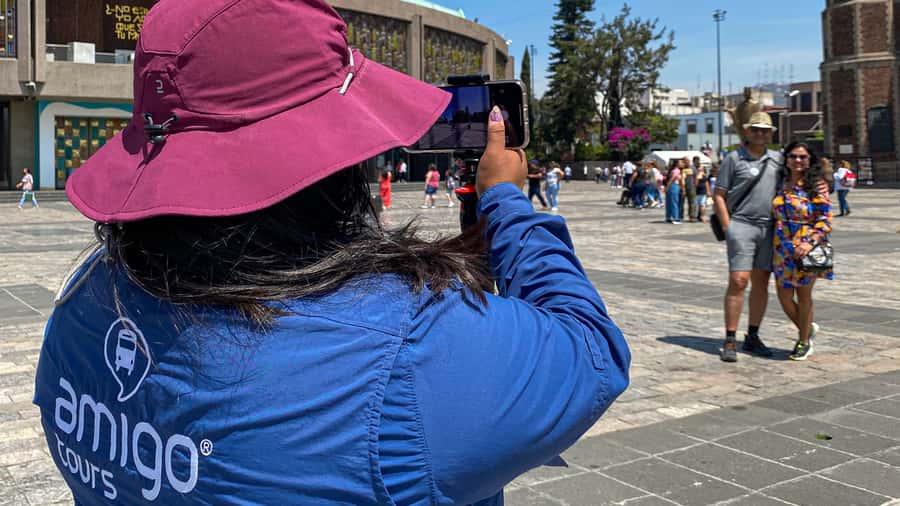
Teotihuacan in one day beats DIY stress. This tour strings together Teotihuacan, Tlatelolco, and the Guadalupe Basilica with a guide who explains what you’re actually seeing, not just the postcard basics. I especially like the mix of ancient Mesoamerican history and living Catholic pilgrimage, and I love the way the day includes real Mexico moments like tequila tasting and a local-style fiesta. The main thing to consider is it’s a long day with lots of bus time and walking, and your group size can be surprisingly big.
I also like that the logistics are straightforward: you’re picked up at set points, travel by coach between sites, and get guided time at each stop with breathing room for photos and shopping. If you’re aiming for maximum impact without planning a route, this format is hard to beat—just go in with sunscreen and a flexible attitude about timing. From the guide team names that come up most (like Alan, Alex, Lili, and Gio), the storytelling seems to be the real superpower.
In This Review
- Key highlights you’ll actually feel
- Why Teotihuacan, Tlatelolco, and Guadalupe work as a 9-hour package
- Meeting Points, pickup times, and the coach bus reality
- Tlatelolco’s guided tour: big finds, sacrifice history, and the Lovers story
- Guadalupe Basilica: pilgrimage that feels real, not staged
- Obsidian workshop, tequila tasting, and the fiesta-lunch break
- Teotihuacan in real time: Sun and Moon, Avenue of the Dead, and the key temples
- The guide makes the difference: asking for Alan, Alex, Lili, Gio, or Sergio
- Who this tour suits best, and what to plan around
- Should you book the Mexico City: Teotihuacan, Tlatelolco & Guadalupe Shrine Tour?
- FAQ
- What is the duration of the tour?
- Where are the pickup locations and times?
- What sites are included in the itinerary?
- Is lunch included?
- What languages is the tour offered in?
- Is the tour wheelchair accessible?
Key highlights you’ll actually feel
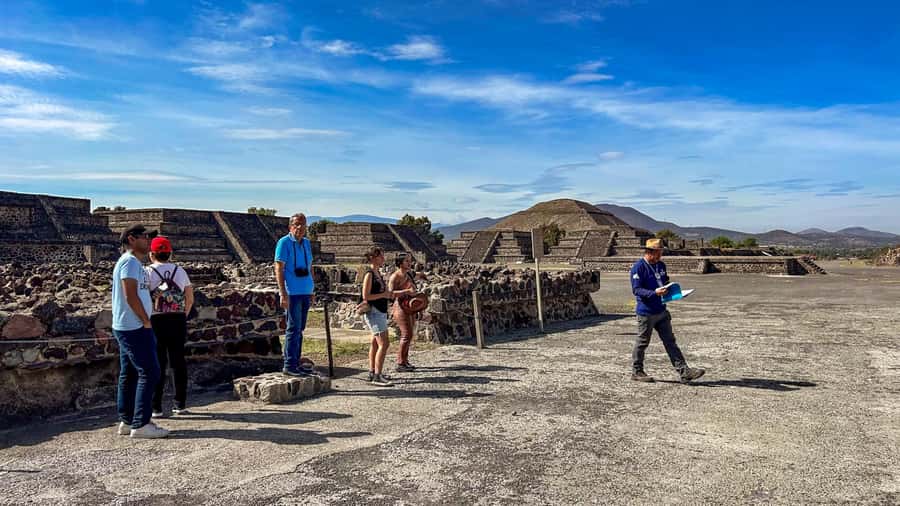
- Teotihuacan pyramids and Avenue of the Dead with a guided walkthrough that helps the site make sense
- Tlatelolco’s big finds and hard history, including the so-called Lovers of Tlatelolco
- Guadalupe Basilica visit at one of the world’s best-known Catholic pilgrimage sites
- Obsidian workshop + tequila tasting, a fun, hands-on break from temples and stones
- Tequila and fiesta-style entertainment to keep the day from feeling like one museum stop after another
Other ways up the Pyramid of the Sun, compared
- Teotihuacan, Guadalupe Shrine & Tlatelolco Day Tour with Lunch
★ 5.0 · 11,603 reviews - Balloon flight + Breakfast in cave + Pyramids + Pick up CDMX.
★ 5.0 · 6,335 reviews - Teotihuacan pyramids morning or afternoon without tourist traps
★ 5.0 · 6,186 reviews - Teotihuacan Early Access Guided Tour with optional Lunch
★ 4.5 · 6,138 reviews
Why Teotihuacan, Tlatelolco, and Guadalupe work as a 9-hour package
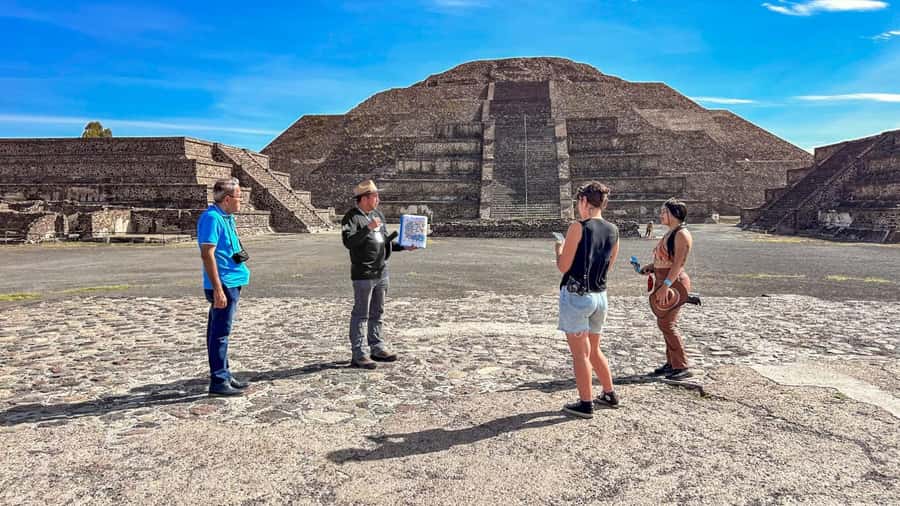
This day tour is built around contrasts, and that’s the point. You start in a pre-Hispanic world at Tlatelolco and Teotihuacan, where power, ritual, and city life shaped the landscape. Then you shift to Guadalupe, where faith is not a reenactment—it’s active, public, and central to modern Mexico.
What makes it feel worthwhile at $49 per person is the way the tour stitches together context. Teotihuacan is impressive no matter what. But when someone explains the city’s origins and points out key stops like the Pyramid of the Sun (over 200 feet tall), the Pyramid of the Moon, and standout temples along the Avenue of the Dead (like the Temples of Quetzalpapalotl and the Feathered Shells), you stop seeing a jumble of shapes and start seeing a plan.
The same goes for Guadalupe and Tlatelolco. Guadalupe isn’t just a church to check off. The tour frames it around the cloaked image associated with Our Lady of Guadalupe and why it matters to indigenous people and modern Mexican identity. And at Tlatelolco, you’re not just told it’s “ancient.” You get the darker chapters too, including references to human sacrifices, mass graves, and the famous Lovers of Tlatelolco.
Meeting Points, pickup times, and the coach bus reality
The tour runs for about 9 hours, and that timing is the trade-off for hitting three major sites in one day. You’ll board a bus/coach that moves you between neighborhoods and landmarks, which is a big advantage if you’d otherwise spend your morning figuring out routes and timing.
Pickup points are clearly set, and they matter because they can make or break the first hour. You can catch the group at:
- MIGA CAFÉ at 8:20 AM
- Behind the Palace of Fine Arts at 8:50 AM
- Another listed pickup option: Av. Hidalgo 2
One practical note from the experience style itself: the meeting spot can get crowded. Several guide teams manage huge mixed groups by splitting into smaller groups once you arrive at major sites, which helps. Still, the day may feel like it starts in chaos before it calms down.
Also, you should expect a busy schedule with coached transitions. Even people who love the day sometimes wish the logistics were explained even more clearly—like when it’s your free time versus when the group moves as one.
Tlatelolco’s guided tour: big finds, sacrifice history, and the Lovers story
Tlatelolco is the first big stop, and it’s a smart choice. It sets the tone: you’re not only looking at ruins, you’re learning what that part of Mexico City meant.
You’ll get a guided visit there for about 45 minutes. The tour focuses on temples dedicated to Mexican deities, then shifts to the more unsettling historical elements: human sacrifices, mass graves, and the story tied to the so-called Lovers of Tlatelolco. That combination can feel intense, but it also makes the site more honest. It prevents the visit from turning into a soft, sanitized overview.
One thing I like about this stop is that it gives you a bridge to Teotihuacan. Even if you don’t remember every detail, you start noticing themes—religion and politics tied together, city planning tied to ritual, and power expressed through monumental architecture.
If you’re the type who prefers one “story” per site, keep your expectations realistic. Tlatelolco covers multiple themes in one shorter window, so taking a few notes mentally helps. If you love questions, you’ll likely use them—many guides in this tour format are known for being quick to answer.
More pilgrim stops at the Basilica and Tlatelolco
- Mexico City: Teotihuacan, Tlatelolco & Guadalupe Shrine Tour★ 4.6 · 3,773 reviews
- Mexico City: Teotihuacan, Tlatelolco & Basilica of Guadalupe★ 4.7 · 975 reviews
- Private Tour: Teotihuacan and Guadalupe Shrine★ 5.0 · 938 reviews
- Teotihuacan Tour with Basilica of Guadalupe & Tlatelolco★ 4.5 · 839 reviews
- Teotihuacan, Shrine of Guadalupe & Tlatelolco Day Tour★ 5.0 · 773 reviews
Guadalupe Basilica: pilgrimage that feels real, not staged
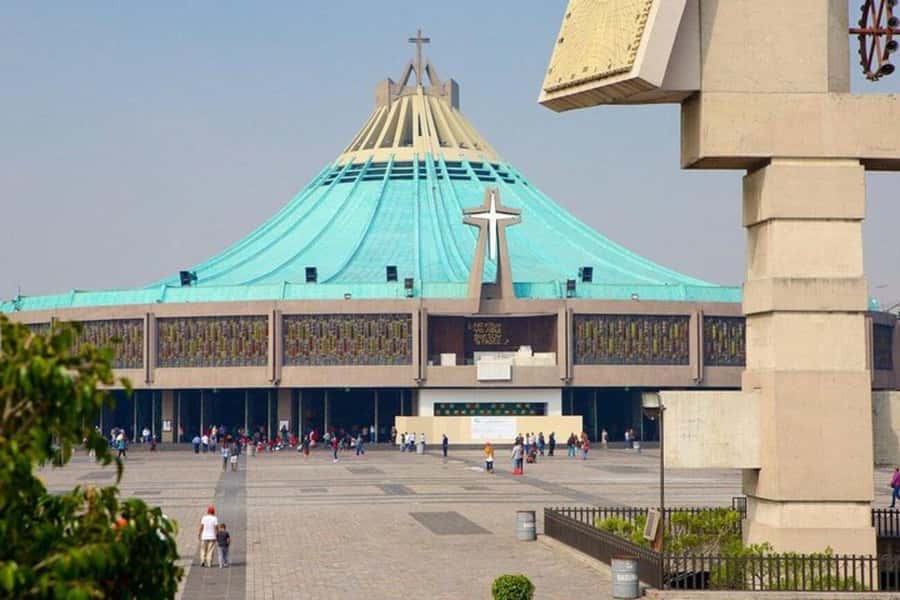
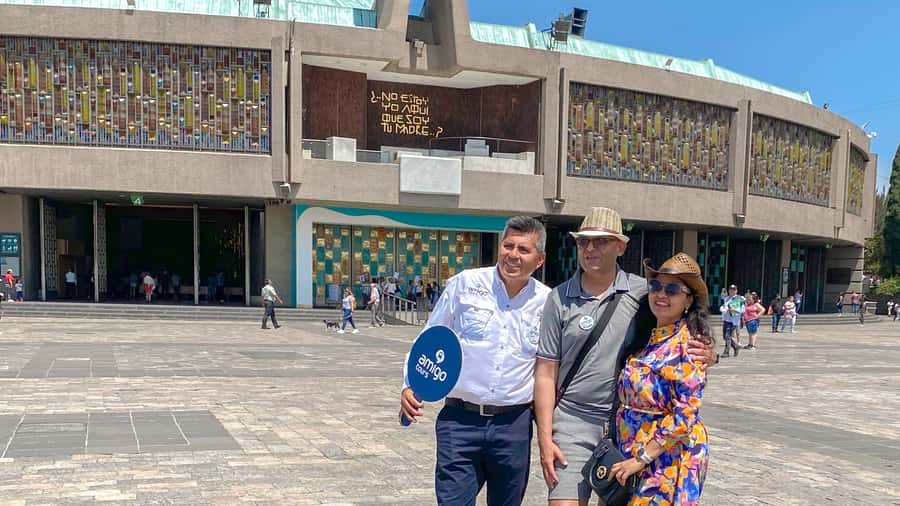
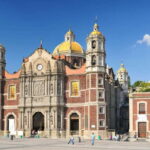
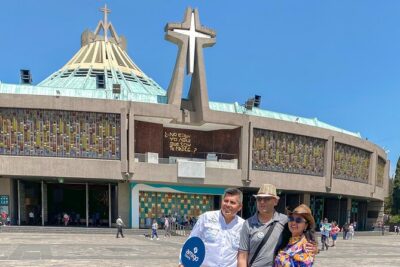
Next comes the Basilica of Our Lady of Guadalupe, with a guided visit around 1.5 hours. This is one of the world’s most famous Catholic pilgrimage sites, and the tour explains why it resonates so deeply for modern Mexico.
The key idea you’ll hear is the association of Guadalupe with an indigenous Mexican setting, and the importance of the cloaked image that visitors connect to the apparition story. Even if you don’t care about religious history, it helps to understand the cultural role. This stop isn’t only about architecture. It’s about belief, symbols, and what people come here for.
In terms of pacing, this stop can feel like the emotional center of the day. Some people have wanted more time here, usually because Teotihuacan is such a magnet that it takes longer to feel “done” there. If you’re choosing between priorities, you can mentally set a goal: plan to slow down at the Basilica even if the day feels rushed elsewhere.
Obsidian workshop, tequila tasting, and the fiesta-lunch break
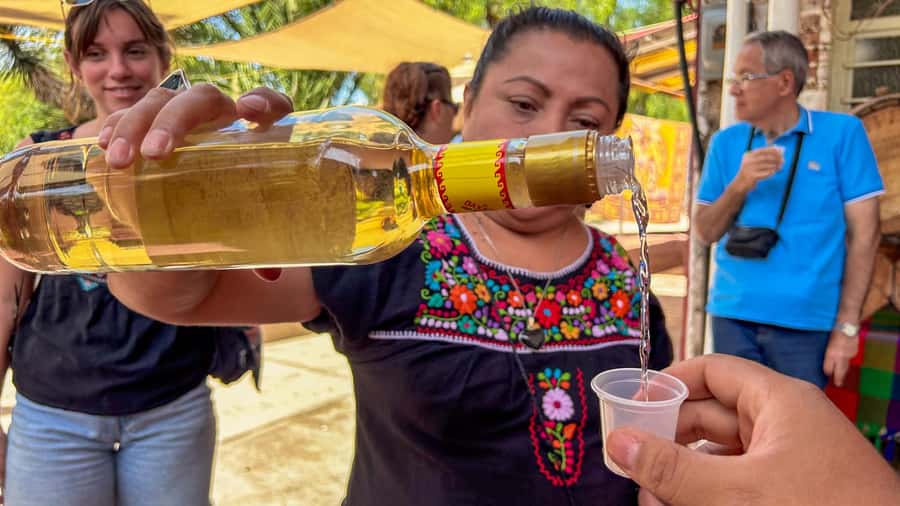
Between the basilica and Teotihuacan, you get two things that keep the tour from becoming all stone and shade: an obsidian workshop and tequila-related experiences.
The obsidian segment is about ancient craftsmanship. You’ll see how this volcanic glass fits into Mesoamerican tools and artistry, and you’ll get a guided explanation rather than just a quick “look at the rocks” stop. It’s a small detour, but it adds texture to the day. Ruins show what a civilization built. Workshops show how it worked.
Then comes the fun part: tequila tasting. The tour presents it as a tasting focused on tequila, and some experiences also end up being a wider agave flight—think pulque and other agave-based drinks—depending on how the tasting is run. In any case, the tasting is interactive enough to break the long day rhythm.
After that, you’ll have time for lunch at a Mexican restaurant and a fiesta-style experience with traditional dances and music. This portion is exactly where personal preferences come in. The buffet can be good value for convenience, but lunch quality can swing. Some people have described the restaurant after the pyramids as a bit of a tourist trap, and there are mentions of basic buffet food and extra costs tied to drinks and tipping.
My practical advice:
- If you’re picky about meals, plan to eat lightly and save your appetite for the Basilica-to-Teotihuacan stretch.
- Bring a small snack if you can. Even with lunch included in some options, a whole-day schedule can outpace hunger.
- If you see a chance to prepay your meal through the tour option, it can reduce surprises.
Teotihuacan in real time: Sun and Moon, Avenue of the Dead, and the key temples
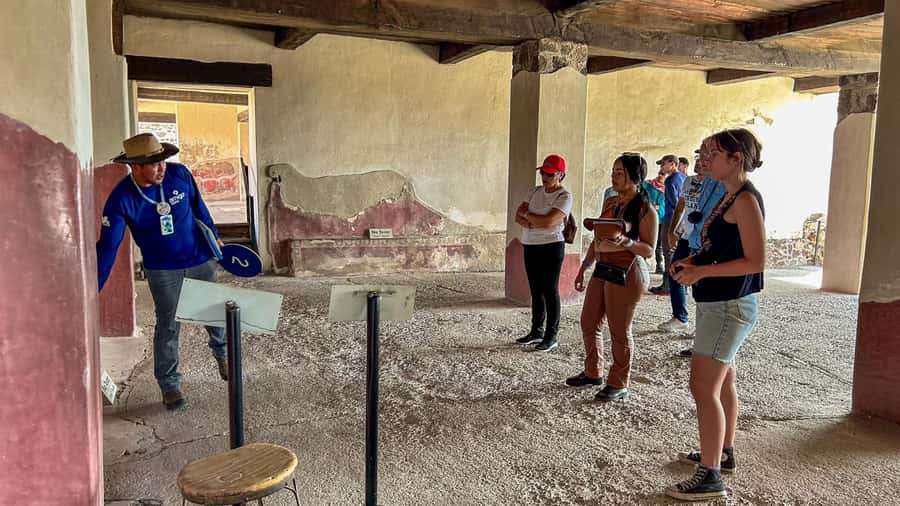
Teotihuacan is the headline, and it delivers. You’ll have about 2 hours there, plus travel time and a photo stop. The pacing works because Teotihuacan is big. If you only had an hour, you’d spend most of it walking and guessing.
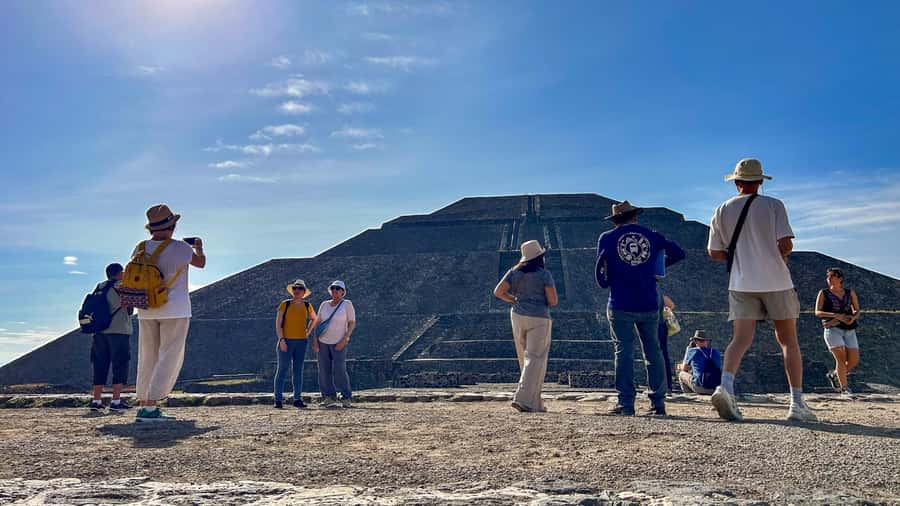
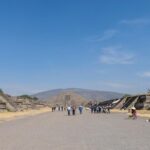
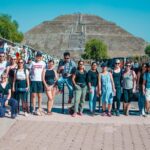
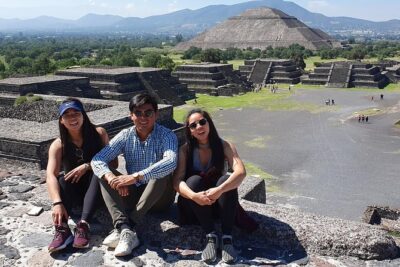
The tour highlights the Pyramid of the Sun, over 200 feet tall, and you’ll also visit the Pyramid of the Moon. Between those, you walk the Avenue of the Dead, which is where the site connects as a city rather than a set of monuments.
Along the way, the guided component points out specific standouts, including:
- Temples of Quetzalpapalotl
- Temple of the Feathered Shells
These names matter because they’re clues. A good guide helps you understand that the “look” of Teotihuacan isn’t random. It’s tied to symbolism and the way the city was organized for ritual movement and viewing.
Two practical tips you’ll thank yourself for:
- Bring sunscreen and a hat. Teotihuacan gives you almost no mercy for sun. Even the best shaded breaks don’t fix a missing hat.
- Bring water if you can. The day runs long, and even small dehydration can ruin your pace.
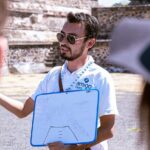
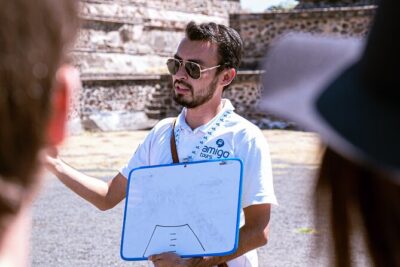
From what the guide teams are praised for, the best experiences are when you’re not just taking photos—you’re listening while you walk. Many guides named in this tour format (like Alan, Alex, Lili, Gio, and Sergio) get credit for explaining differences between Aztec and Teotihuacan history, plus for answering questions without making you feel rushed.
The guide makes the difference: asking for Alan, Alex, Lili, Gio, or Sergio
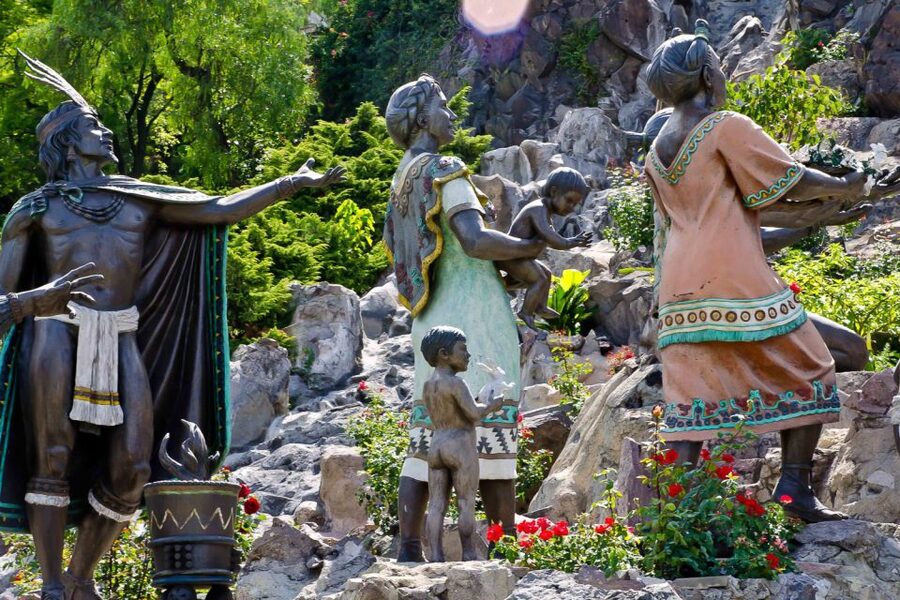
This tour lives or dies on storytelling. You’re visiting three huge, emotionally loaded sites. Without context, you can end up with a camera full of views and a head full of blank spots.
The names that show up repeatedly with strong praise are:
- Alan (English groups are especially called out for clear, energetic explanations)
- Alex / Alejandro (often described as funny, energetic, and fast-moving in a good way)
- Lili / Lilian (praised for passion and staying clear on the schedule)
- Gio / Leonardo / Emerson (often credited with organization, patience, and smooth guiding)
Now, here’s the truth you can use: you might not control the exact guide, but you can control your approach. Arrive with questions. When your guide explains something like the meaning behind Guadalupe or the context of sacrifices at Tlatelolco, follow up. Guides who are strong tend to reward curiosity.
Also watch the “free time” moments. A few comments suggest that the boundaries between group movement and individual browsing could be clearer. You can solve this by asking one simple question early: When we say free time, is the guide staying here or moving with the group?
Who this tour suits best, and what to plan around
This experience is a good match if you want an efficient sampler of Mexico City’s heavy hitters with real explanations. It’s also a strong option for first-timers who want to understand the timeline and the cultural meaning, not just the architecture.
It may be less ideal if:
- You struggle with long days and walking. It’s structured for a full day, and you’ll be on and off the bus multiple times.
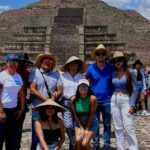
- You dislike big groups. Several comments point to days that were larger than expected (around 40–50 on a coach, in at least one case). The tour often breaks you into smaller groups once you arrive, but the start can feel crowded.
- You have mobility needs. The tour is noted as not suitable for wheelchair users.
One more planning angle: lunch and market stops can vary. If you’re the “I want food I can trust” type, you might prefer to eat a smaller breakfast and treat lunch as convenience rather than the main event. If live music and traditional dancing are part of your idea of a good day, the fiesta break is a genuine plus.
Should you book the Mexico City: Teotihuacan, Tlatelolco & Guadalupe Shrine Tour?
If your goal is to hit the biggest spiritual and historical anchor points in and around Mexico City in one controlled day, I’d book this. The value comes from the combination: Teotihuacan’s scale, Tlatelolco’s hard history, and Guadalupe’s living cultural meaning, all tied together with a guide who’s praised for clarity and energy.
I would book it especially if you want:
- A structured day without transport planning
- A guided walkthrough that explains what you’re seeing
- A break of human moments in between (tequila tasting and fiesta music)
Skip it or be cautious if you’re sensitive to group size, very picky about restaurant food, or you need lots of quiet time. Teotihuacan will demand your attention, and the day is designed to keep moving.
If you go, go prepared: sunscreen, a hat, water, and a willingness to ask questions. Then you’ll leave with more than photos—you’ll leave with the threads connecting three very different worlds.
FAQ
What is the duration of the tour?
The tour runs for about 9 hours.
Where are the pickup locations and times?
Pickup options include MIGA CAFÉ at 8:20 AM and behind the Palace of Fine Arts at 8:50 AM (plus Av. Hidalgo 2 as another pickup option).
What sites are included in the itinerary?
The tour includes visits to Tlatelolco, the Basilica of Our Lady of Guadalupe, and Teotihuacan, plus a stop that includes an obsidian workshop and tequila tasting.
Is lunch included?
Lunch is included only if you select the option with a Mexican buffet lunch. Food and drinks are otherwise not included.
What languages is the tour offered in?
The tour is offered in English and Spanish.
Is the tour wheelchair accessible?
No, it is not suitable for wheelchair users.
More Tour Reviews in Mexico City



The Pilgrim Road: Guadalupe and Tlatelolco

Back to Teotihuacan: More Pyramid Days

Fresh from our Mexico City notebook

Teotihuacan Pyramids Tours, compared.
 ★ 5.0Teotihuacan, Guadalupe Shrine & Tlatelolco Day Tour with LunchFrom $3911,603 reviews
 ★ 5.0Balloon flight + Breakfast in cave + Pyramids + Pick up CDMX.From $1726,335 reviews
 ★ 5.0Teotihuacan pyramids morning or afternoon without tourist trapsFrom $646,186 reviews
 ★ 4.5Teotihuacan Early Access Guided Tour with optional LunchFrom $396,138 reviews
 ★ 5.0Balloon flight + pick up in CDMX + Breakfast in Cave + PyramidsFrom $1695,651 reviews
 ★ 5.0Balloon Flight + Cave Breakfast + Pick Up from CDMX or We FlyFrom $1664,410 reviews
 ★ 5.0Teotihuacan Hot Air Balloon Flight from Mexico City / VolareFrom $1553,262 reviews
 ★ 5.0Hot Air Balloon Flight with Breakfast Cave and Pyramids TourFrom $1402,066 reviews
Browse the lists this tour appears in