
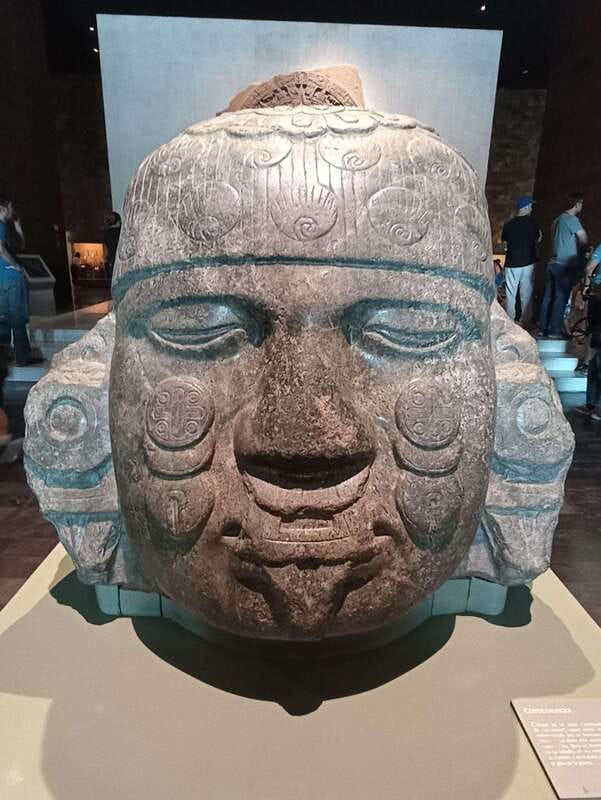
REVIEW · TEMPLO MAYOR & AZTEC TOURS
Mexico City: Historical walking tour of Tenochtitlan
Tenochtitlan history walks right through downtown. I really like how this tour is led by Prof. Cristina Ríos (PhD), who explains the story behind the stones in clear, organized ways, and I like the route that links Aztec origins to Spanish power and even early independence-era buildings. One thing to consider: it’s a walking morning with mostly exterior viewing, so if you’re hoping for lots of ticketed museum time, you’ll want to plan a couple extra stops on your own.
With a small group capped at 10, you get space for questions without feeling swept along. You’ll also have audio support (earphones/headsets when the group is larger than 7), which is a big deal in loud El Centro streets. The whole experience is built around a tight 3-hour loop, starting at Centro Cultural España and ending at Palacio de Bellas Artes.
At $43 per person for a specialized guide, the value is in the guiding—not the ticket price. You’re paying for context, sequencing, and attention to detail as you move from landmark to landmark with history you can actually see.
In This Review
- Key things that make this tour worth your morning
- Why this Tenochtitlan-to-El Centro walk beats a museum-only day
- Meeting at Centro Cultural España and getting oriented fast
- Templo Mayor models: the founding story in one clear viewpoint
- Cathedral area plus the Calmecac connection behind the scenes
- Cortés’s lodgings and Moctezuma’s old palace ground rules
- Banamex Cultural Center and Iturbide Palace: independence-era politics in a pretty shell
- Church of San Francisco: the facade moment that trains your eye
- Casa de los Azulejos: tilework outside, Orozco inside
- Palace of Fine Arts (pass-by) and finishing at Bellas Artes
- Pace, group size, and why the $43 feels fair
- What I’d bring (and what to avoid expecting)
- Who should book this walking tour of Tenochtitlan
- Should you book? My honest take
- FAQ
- How long is the Mexico City Historical Walking Tour of Tenochtitlan?
- How much does it cost?
- Where does the tour meet?
- Are museum tickets or food included?
- What languages are available?
- Is this tour suitable for kids, and what should I bring?
Key things that make this tour worth your morning
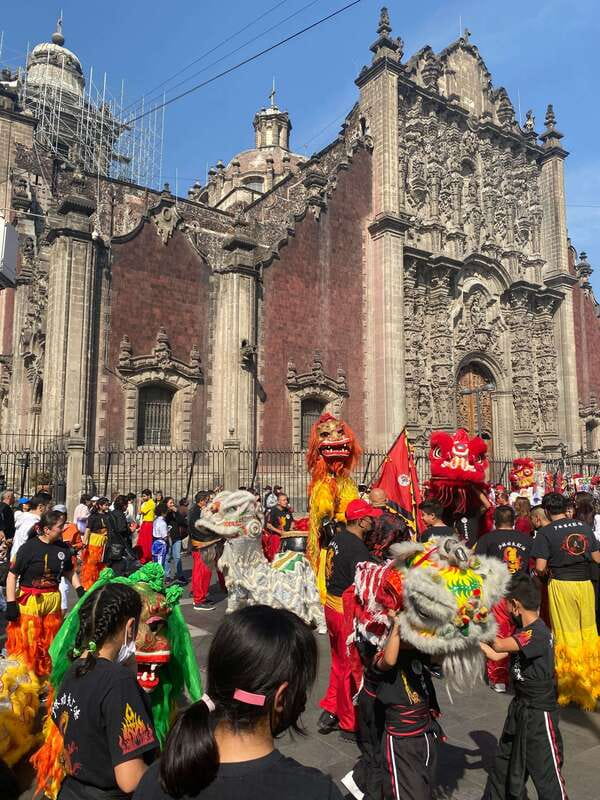
- Prof. Cristina Ríos (PhD) leads with deep explanations and steady, question-friendly pacing
- Small group size (3–10) keeps it personal and helps the route feel human, not rushed
- Earphones/headsets when needed help you hear clearly in crowded, noisy streets
- Templo Mayor is viewed from outside using models and viewpoint time to get the big picture first
- Casa de los Azulejos includes an Orozco mural visit inside, not just a quick facade photo stop
- You finish at Palacio de Bellas Artes, so you can decide what to do next without backtracking
Deeper into Aztec Tenochtitlan
- Taxco, Cuernavaca & Pre-Hispanic Mine optional visit
★ 4.5 · 597 reviews - Mexico City: Taxco & Cuernavaca Tour with Pre-Hispanic Mine
★ 4.6 · 271 reviews - Xochimilco, Coyoacan, Aztec Stadium & UNAM
★ 4.0 · 232 reviews - Teotihuacan & Anthropology Museum, Templo Mayor & City Tour
★ 4.5 · 109 reviews
Why this Tenochtitlan-to-El Centro walk beats a museum-only day
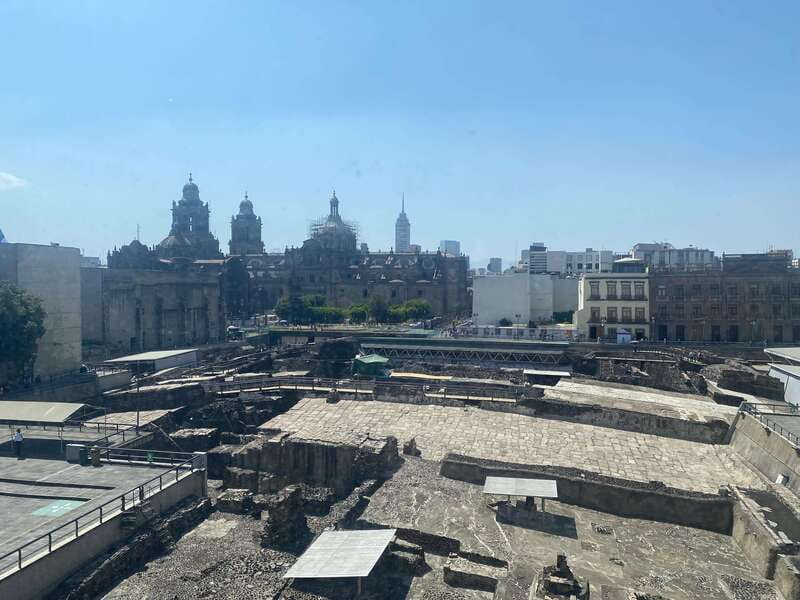
Mexico City’s historic center can feel like a jumble at first: cathedral fronts, palaces, churches, tilework, plazas, and then suddenly you’re staring at something that looks Spanish and suddenly it isn’t. What makes this tour work is that it ties the pieces together in time order—founding, conquest, and the layers that followed—so your brain stops treating the city like separate postcards.
I also like the fact that you start with the Aztec center conceptually, not just as trivia. The tour begins at the Templo Mayor models and viewpoints, which helps you understand why later buildings sit where they do, and why certain spots kept meaning something long after the first empire vanished.
And because the group is small, the guide can actually respond to your curiosity—architecture questions, history questions, even how to keep exploring after the tour.
Meeting at Centro Cultural España and getting oriented fast
You meet at Centro Cultural España (Centro Cultural de España en México) at Guatemala #18. It’s a smart starting point because you’re already in the right neighborhood to begin connecting the pre-Hispanic and colonial geography of central Mexico City.
From the start, you’re not sent wandering alone with a vague map. The guide sets expectations for the walking rhythm and what you’ll be looking at—models, facades, and specific corners that usually get missed if you’re just chasing the famous sights.
What’s practical here: you’ll want comfortable shoes. This is a 3-hour morning walk, and El Centro sidewalks are not always smooth or wide. Bring a hat and sunscreen too. In reviews and on the tour notes, sun protection is treated as a real part of the plan, not an afterthought.
Templo Mayor models: the founding story in one clear viewpoint
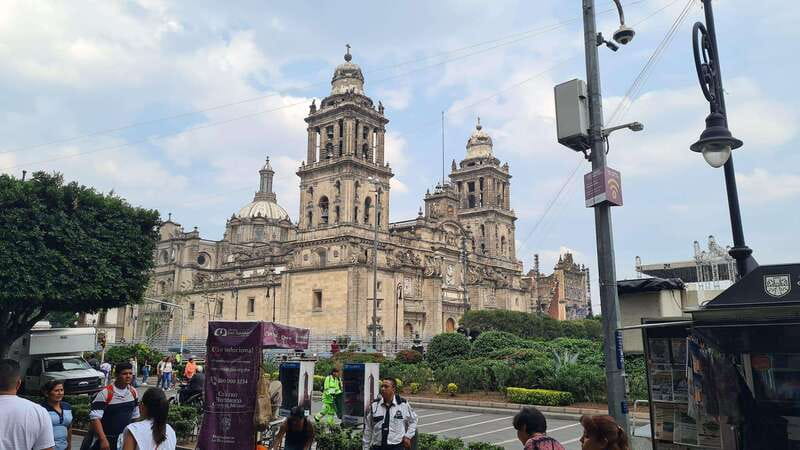
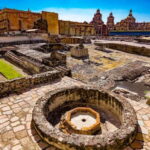
The tour time at Templo Mayor is built around the models and the outside view of the archaeological zone. You’re not going inside the museum as part of this experience, but you do get guided explanation of what you’re looking at from the outside.
This is a great approach for day-one visitors because you get a mental framework immediately:
- The “why” behind Tenochtitlan’s centrality
- The idea of a ceremonial core, not just ruins to photograph
- How later history overlays the same ground
Think of this as setting the stage before the play changes costumes.
If you love archaeology but hate information overload, this stop is manageable. You get just enough to connect what you’ll see later—especially once the route starts moving toward colonial landmarks nearby.
More of Mexico City taken slowly, on foot
- Frida Kahlo VIP [Museum Tickets Included] Walk, Markets & Churros★ 5.0 · 982 reviews
- Anthropology Museum Private Experience Walking Tour★ 5.0 · 355 reviews
- Walking Tour in Mexico City for Exploring their Cultural Heritage★ 5.0 · 245 reviews
- Walking Tour – Impressive murals in Historical Center of Mexico City★ 5.0 · 224 reviews
- Muralist Art Semi Private Walking Tour in Mexico City Downtown★ 5.0 · 188 reviews
Cathedral area plus the Calmecac connection behind the scenes
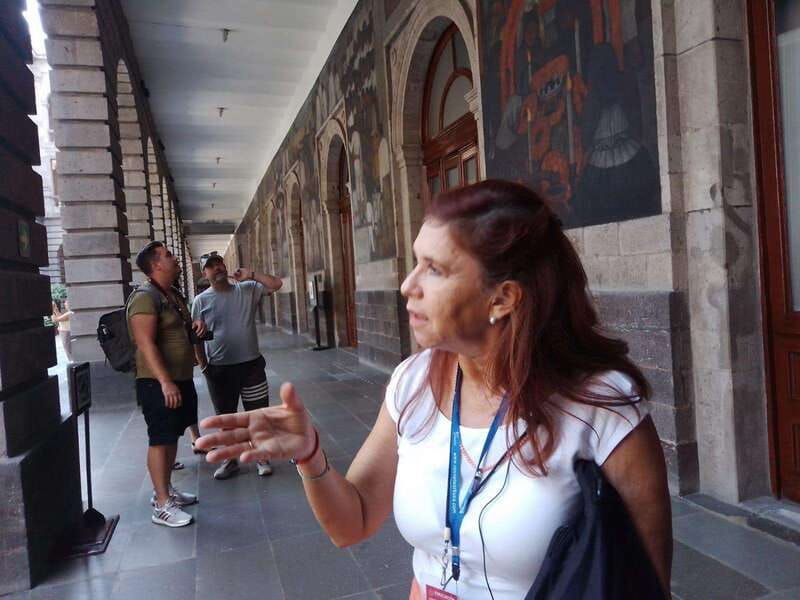
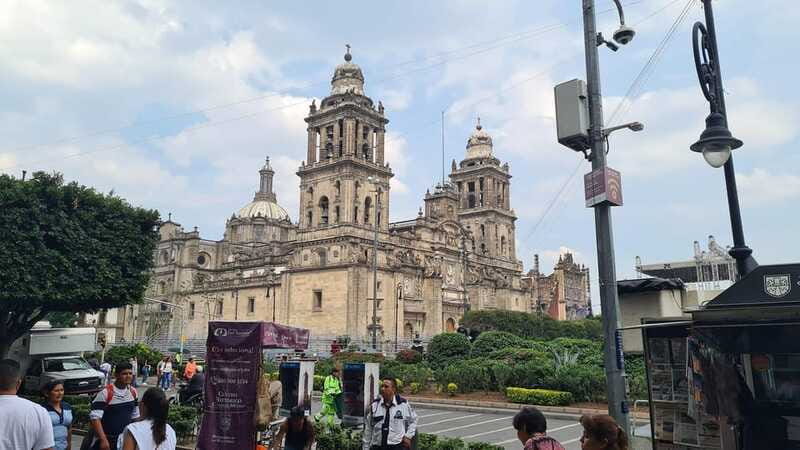
Next comes the Catedral Metropolitana de México area, followed by time behind the cathedral at Animas del Purgatorio and the Calmecac Site Museum (connected with Centro Cultural España).
These are the kinds of places that can look like background scenery until someone tells you what to notice. Here, the guide’s job is to translate names, location, and symbolism into something you can track while you walk—so you start understanding how different eras used the same urban “stage.”
Two things I like about this part:
- You’re not just staring at big-name architecture. You’re learning the smaller, more specific layers around it.
- The Calmecac reference gives you a pathway into how learning, religion, and social structure worked in the earlier world, and why that matters when you compare it with what followed.
There’s also a nice pacing effect. After the Templo Mayor start, this segment helps you transition from ancient centrality to Spanish-era religious dominance without whiplash.
Cortés’s lodgings and Moctezuma’s old palace ground rules
One of the most compelling shifts on this tour is the move to Cortés’s lodgings at the Old Axayacatl Palace—linked in the route description with the old houses of Moctezuma.
You end up in a zone where the city’s history stops being abstract. Even without entering a building, the guided focus on who lived where—and what the Spanish presence meant—helps you see colonization as a process, not a single “event.”
This stop is also a test of whether you like historical storytelling in walking form. If you enjoy hearing connections between people, power, and place, you’ll probably find this one satisfying. If you’re only interested in architecture styles and don’t care about political history, you might feel you’re walking through one lecture after another.
The upside is that the guide is set up for Q&A. In multiple recent tours, Prof. Ríos is praised for answering questions clearly, even when visitors ask about art history and building details.
Banamex Cultural Center and Iturbide Palace: independence-era politics in a pretty shell
The route then moves to Iturbide Palace, now the Banamex Cultural Center. This is another moment where the building’s current identity matters less than the story it carries.
You’ll spend guided time around this palace and surrounding context, and the value is in learning what role these elite spaces played after the colonial period—especially as Mexico shifted toward independence and early nationhood.
Also, a practical note: palace exteriors are often visually “busy.” Your guide helps you sort what’s decorative from what’s meaningful.
Church of San Francisco: the facade moment that trains your eye
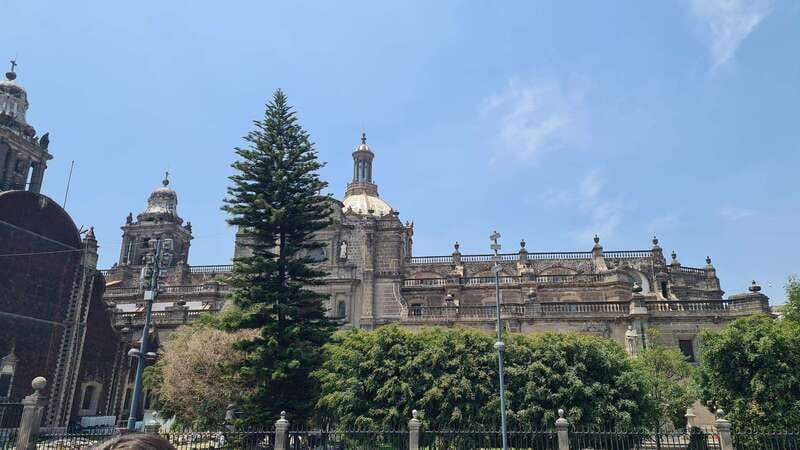
Next up is the Church of San Francisco, with focus on the facade. This is a shorter stop in the walking sequence, but it’s useful because it teaches you how to see.
Facades are like the city’s cover page. Once you understand what you’re looking at—materials, symmetry cues, religious messaging—you start noticing similar design patterns elsewhere around Centro Histórico.
If you’re the type who likes to take better photos, this is one of those segments where the guidance makes your camera work harder.
Casa de los Azulejos: tilework outside, Orozco inside
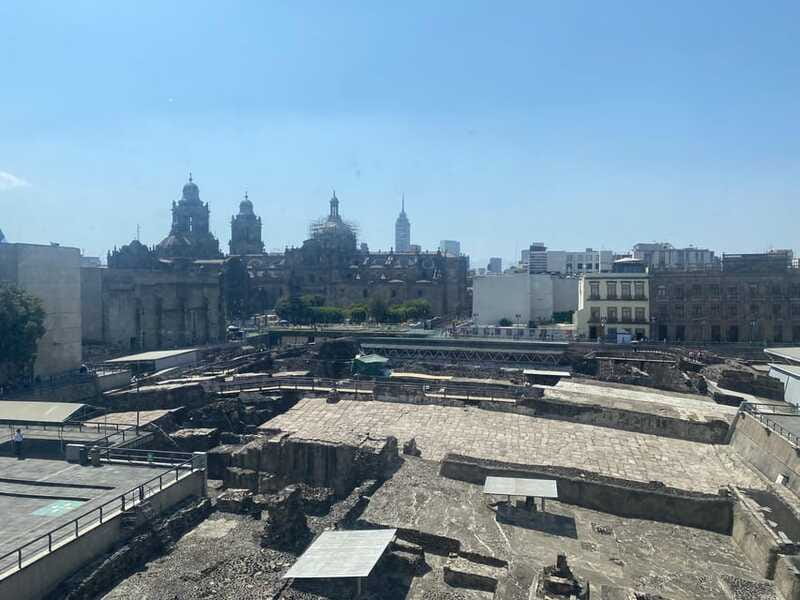
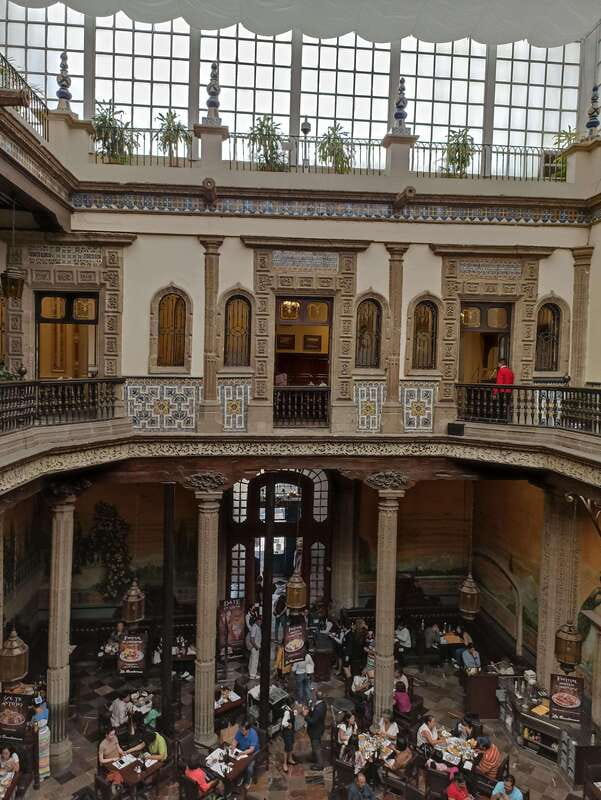
Casa de los Azulejos is where the tour earns attention in two steps: you see the exterior tilework, and then you go inside to see the José Clemente Orozco mural with a detailed explanation.
This is one of the best “sensory” parts of the day because it mixes craftsmanship (tiles) with twentieth-century Mexican art storytelling (Orozco). You’re not stuck only in Aztec vs Spanish timelines. Instead, you get a bridge into how later artists interpreted national identity.
Here’s what makes it especially worth your time:
- Tilework gives you immediate visual context
- The mural gives you meaning, symbolism, and interpretive depth
- The guide’s explanation turns the room from a photo spot into a narrative space
If you’re an art-history fan, don’t rush this stop. The mural area is exactly the kind of place where five extra minutes makes your understanding click.
Palace of Fine Arts (pass-by) and finishing at Bellas Artes
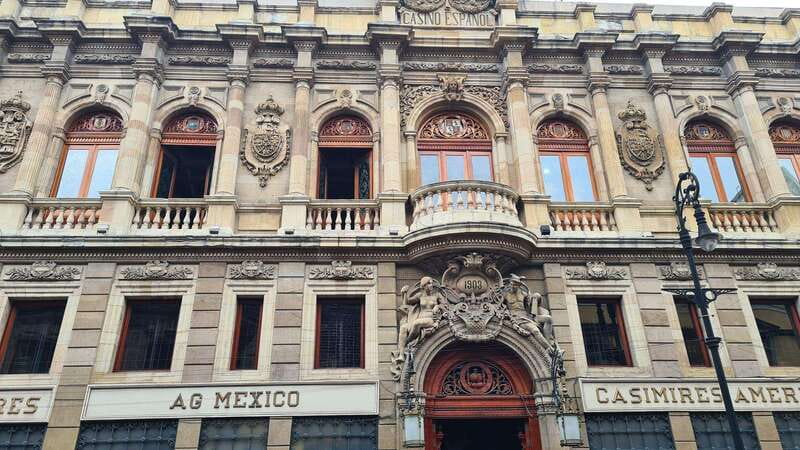
The Palace of Fine Arts is mostly a pass-by on the route, and you finish at Palacio de Bellas Artes. Still, the timing works well: by the time you reach it, you’ve already learned enough to read the city’s shift from ceremonial center to modern cultural monument.
Use this finish to reset your pace. You’ll be walking for most of the 3 hours, so once you arrive at Bellas Artes, you can choose your next move:
- linger for views and photos
- plan a nearby lunch
- continue into any museums you want to enter with your own ticket
This is also a good moment to ask last questions, because you’re not forced into a “now move on” museum rhythm.
Pace, group size, and why the $43 feels fair
The price is $43 per person for a 3-hour guided walk with a specialized guide. Tickets and food aren’t included.
So what are you buying? Not entry passes. You’re buying:
- structured storytelling across hundreds of years
- a professional guide (Prof. Cristina Ríos, PhD)
- audio support (earphones/headsets, especially when groups are bigger than 7)
- a small-group format limited to 10 people
In practical terms, that makes the tour feel like a guided lecture with a walking map attached. If you’re someone who hates reading wall text but loves asking questions, that’s a good match.
On pacing, the best sign is how often the guide is praised for answering questions and keeping a good rhythm. Multiple recent bookings highlight the feeling of being in safe hands and having time to explore after the tour ends.
What I’d bring (and what to avoid expecting)
This is a morning walking tour, so plan like you’re touring on foot in a big city:
- comfortable shoes (non-negotiable)
- hat or sunglasses (highly recommended)
- sunscreen
- water breaks if you need them, since you’ll be on sidewalks for a few hours
Know before you go:
- Tour languages are English and Spanish
- The tour is wheelchair accessible
- It’s not suitable for children under 10
- Food isn’t included, but there’s an optional stop to try traditional sweets at Dulcería Celaya
Also, don’t expect every highlight to be an indoor museum experience. Templo Mayor is presented from outside, and Palace of Fine Arts is pass-by only. This isn’t a ticket-heavy day, which can be a plus if you want to keep things moving and stay oriented.
Who should book this walking tour of Tenochtitlan
Book it if:
- you want a clear historical storyline instead of random stops
- you care about architecture and how different eras reuse or replace meaningful places
- you like asking questions and hearing specific answers
- you want a strong first-day overview of Centro Histórico
Skip it (or pair it with more ticketed plans) if:
- you need lots of indoor time and ticketed museum immersion
- you’re traveling with very young kids (it’s not suitable under age 10)
- you prefer self-guided wandering with minimal explanation
Should you book? My honest take
Yes, if your goal is to understand Mexico City’s center—really understand it—and not just collect landmarks. The combination of Prof. Cristina Ríos’s explanations, the small group size, and the mix of Templo Mayor context with later art and architecture makes this a smart value at $43.
If you’re the kind of traveler who likes to leave a tour with a better sense of direction, this is one of those days. You’ll know what to look for next, what to prioritize, and where the city’s story keeps overlapping.
On the other hand, if your dream day is mostly ticketed museum hours, treat this as the orientation layer and plan additional independent visits for the indoor parts you want most.
FAQ
How long is the Mexico City Historical Walking Tour of Tenochtitlan?
The tour lasts 3 hours.
How much does it cost?
It costs $43 per person.
Where does the tour meet?
You meet at Centro Cultural España (Centro Cultural de España en México) at Guatemala #18, and the tour begins at the Templo Mayor models/view area.
Are museum tickets or food included?
No. Tickets and food aren’t included. There is an optional stop to try traditional Mexican sweets at Dulcería Celaya.
What languages are available?
The live tour guide offers English and Spanish.
Is this tour suitable for kids, and what should I bring?
It’s not suitable for children under 10. Bring comfortable shoes, and a hat or sunglasses, plus sunscreen.
More Tours in Mexico City


More Tour Reviews in Mexico City



The Aztec City, Toured Properly




Fresh from our Mexico City notebook

Templo Mayor & Aztec Tours, compared.
 ★ 4.5Taxco, Cuernavaca & Pre-Hispanic Mine optional visitFrom $29597 reviews
 ★ 4.6Taxco & Cuernavaca Tour with Pre-Hispanic MineFrom $29271 reviews
 ★ 4.0Xochimilco, Coyoacan, Aztec Stadium & UNAMFrom $52232 reviews
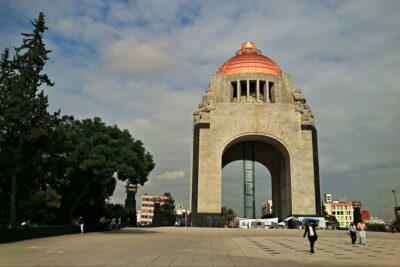 ★ 4.5Teotihuacan & Anthropology Museum, Templo Mayor & City TourFrom $137109 reviews
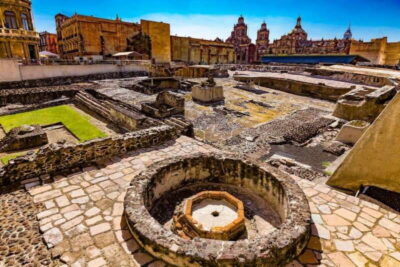 ★ 4.2Templo Mayor Skip-the-Line Entry TicketFrom $2996 reviews
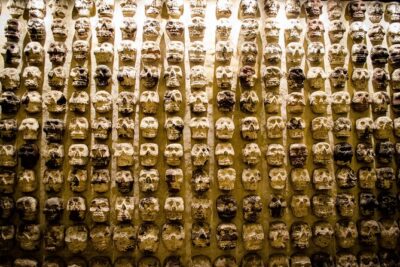 ★ 5.0Exclusive tour to Templo Mayor in CDMXFrom $6583 reviews
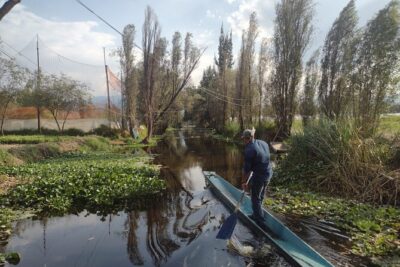 ★ 5.0Pre-Hispanic Xochimilco, local food included and ajolotario.From $20741 reviews
 ★ 5.0Aztec Tlan – Heritage Bike Tour CDMXFrom $7826 reviews
Browse the lists this tour appears in