
REVIEW · CITY TOURS
Mexico City: Gay Tales
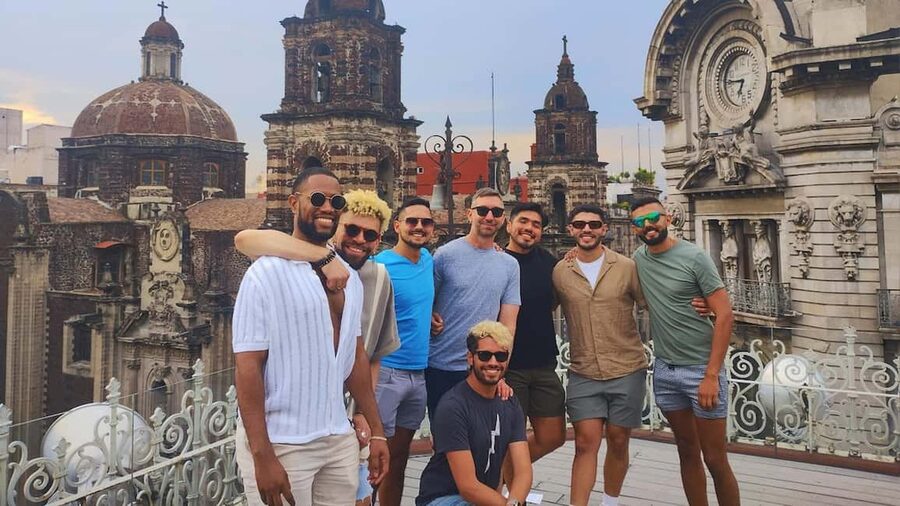
City secrets hide in plain sight. This walking tour follows Avenida Francisco I. Madero through Mexico City’s LGBTQ+ legacy, linking landmarks to real stories from the 19th and 20th centuries.
I love how the guide turns architecture into narrative, with stand-out storytelling that makes the whole Historic Center feel like a living timeline. On this route, I’m also a fan of the very specific details, like Carlos’s clear, understandable explanations of what you’re seeing and why it mattered.
The main consideration is the obvious one: plan on significant walking for about 3.5 hours, with sun and changing weather in the Historic Center.
In This Review
- Key things to know before you go
- Why this LGBTQ+ walking tour centers on Madero Street
- Price and time: what $79 for 3.5 hours gets you
- Starting at C. de Tacuba: the MIDE Museum meeting point
- Stop 1: Museo del Ejército y Fuerza Aérea Mexicanos and the Ex-Capilla de Bethlemitas
- Casa de los Azulejos: pretty tiles, serious backstory
- Pastelería Ideal: a sweet pause between harder topics
- The Borcegui Footwear Museum: high heels as evidence
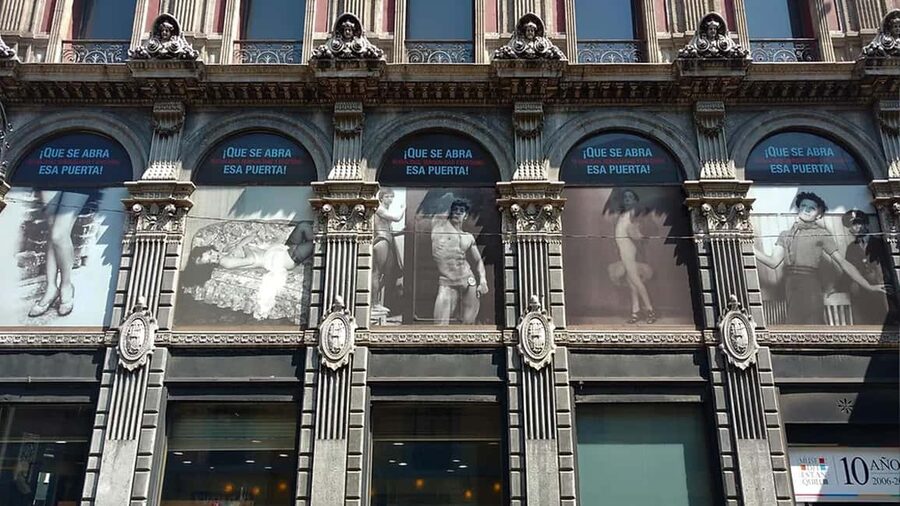
- Avenida Francisco I. Madero: censorship, cruising, theaters, and firsts
- La Casa del Pavo: context you can feel in the streets
- Banamex Culture Palace: the culture layers meet real social history
- Finish at Estanquillo Museum: a place to close the loop
- How the guide storytelling changes the whole experience
- What to expect on the ground: pace, weather, and photos
- Who should book Mexico City: Gay Tales
- Should you book this tour?
- FAQ
- How long is Mexico City: Gay Tales?
- How much does it cost?
- Where do I meet the guide?
- Is the tour in English?
- Is food or drinks included?
- What should I bring for the walking tour?
- Is this tour suitable for children?
- Is the tour accessible for people with mobility impairments?
- Can I take photos during the tour?
- What do I get after the tour?
Key things to know before you go
- Madero Street as your timeline: the tour uses one famous corridor to connect LGBTQ+ landmarks across decades
- Story-driven stops: you’ll hear connections between theaters, censorship, cruising culture, and community spaces
- Trans history in a museum setting: a stop at a former military academy museum includes a first trans man recognized as a colonel by the army
- Those 41, cross-dressing clues, and costumes: you’ll see replicas tied to the 1901 ball
- A bakery doorway into a former convent: one interior visit is routed through a bakery entrance
- Real place-based details: cruising lizards, bath houses, Dr. Fagg’s office, and the Pools’ Circuit Trolley all come up on the walk
Wider loops around Mexico City
- Mexico City: Teotihuacan, Tlatelolco & Guadalupe Shrine Tour
★ 4.6 · 3,773 reviews - Teotihuacan Hot Air Balloon Flight from Mexico City / Volare
★ 5.0 · 3,262 reviews - Teotihuacan Private Tour from Mexico City
★ 5.0 · 1,890 reviews - Historic Center Food Tour in Mexico City
★ 5.0 · 1,263 reviews
Why this LGBTQ+ walking tour centers on Madero Street
If you think you already know Mexico City’s Historic Center, this tour nudges you to see it differently. Avenida Francisco I. Madero is the backbone, and the guide treats it like a timeline you can walk through.
What makes it work is that you’re not only seeing pretty façades. You’re learning how LGBTQ+ life left a trail—through entertainment spaces, censorship, meeting spots, and even the way certain buildings were used.
It also stays grounded. You’re given concrete names and locations, then you’re guided through what those places meant for gay men and the broader community in different eras.
Price and time: what $79 for 3.5 hours gets you
At $79 per person for about 3.5 hours, this isn’t a “grab-and-go” experience. You’re paying for a live English guide, plus a digital LGBTQ-focused map and a set of videos, sources, and resources you can use afterward.
That added material is part of the value, because it gives you a way to keep learning once the walk ends. If you like tours where you come away with facts you can reference later, this format fits.
The other side of the price is the walking commitment. This route is built for getting around on foot, so the real “cost” is your legs, not just your wallet.
Starting at C. de Tacuba: the MIDE Museum meeting point
You’ll meet curbside outside the main entrance to the MIDE Museum on C. de Tacuba 17. It’s about one block from the Allende Metro station, which makes it easier to plug into your day.
Because the tour is only 3.5 hours, you’ll want to arrive a few minutes early and get settled. Once you start, the route is designed to stay efficient—lots of short stops, then moving again.
If you’re sensitive to heat, start hydrating earlier than you think you need to. The Historic Center can move from shade to sun fast.
Worth a look right beside this Mexico City pick:
- Mexico City: Gay Tales★ 5.0 · 4 reviews
- Discover Mexico City’s (CDMX) Gay (LGBTQ) Hotspots Guided Tour★ 5.0 · 3 reviews
Stop 1: Museo del Ejército y Fuerza Aérea Mexicanos and the Ex-Capilla de Bethlemitas
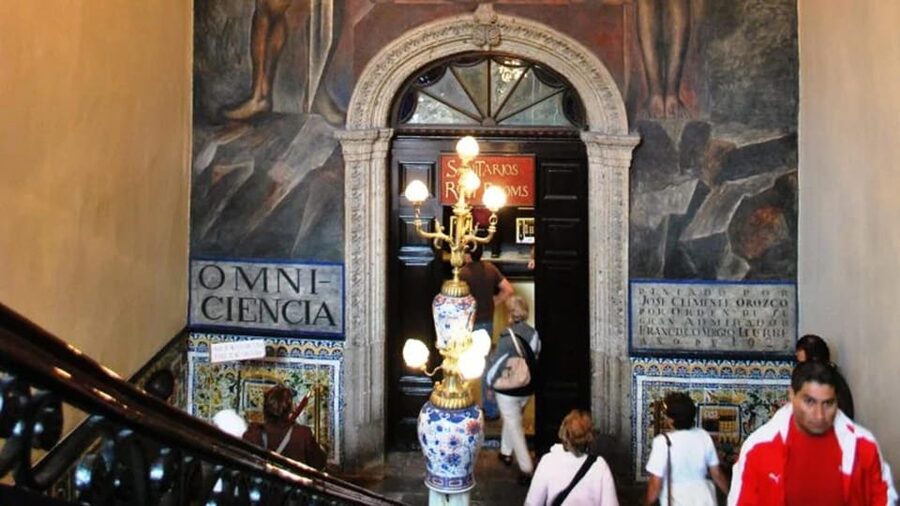
One of the first stops is the Museo del Ejército y Fuerza Aérea Mexicanos, located in the Ex-Capilla de Bethlemitas. You get a photo stop here, then a guided visit.
This is where the tour leans into a key theme: how institutions and official spaces intersect with LGBTQ+ lives. The guide shares a story tied to a former military academy museum visit—including the first trans man who was recognized as a colonel by the army.
Even if military history isn’t your usual interest, the point isn’t medals. It’s context: how formal systems responded to gender and identity at different moments in time.
Casa de los Azulejos: pretty tiles, serious backstory
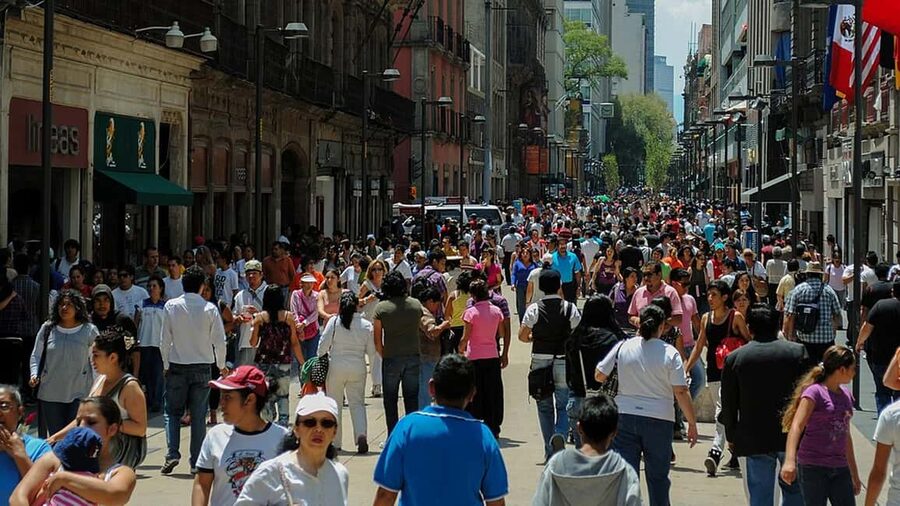
Next comes Casa de los Azulejos. You’ll do a photo stop and a guided visit that lasts long enough to actually notice details.
This kind of stop matters for a simple reason: the tour doesn’t treat LGBTQ+ history as only hidden places. It also shows you how community life and identity shaped the meaning of major city landmarks.
You’ll get a guided interpretation of what you’re seeing, so it doesn’t feel like you’re just walking past postcards.
Pastelería Ideal: a sweet pause between harder topics
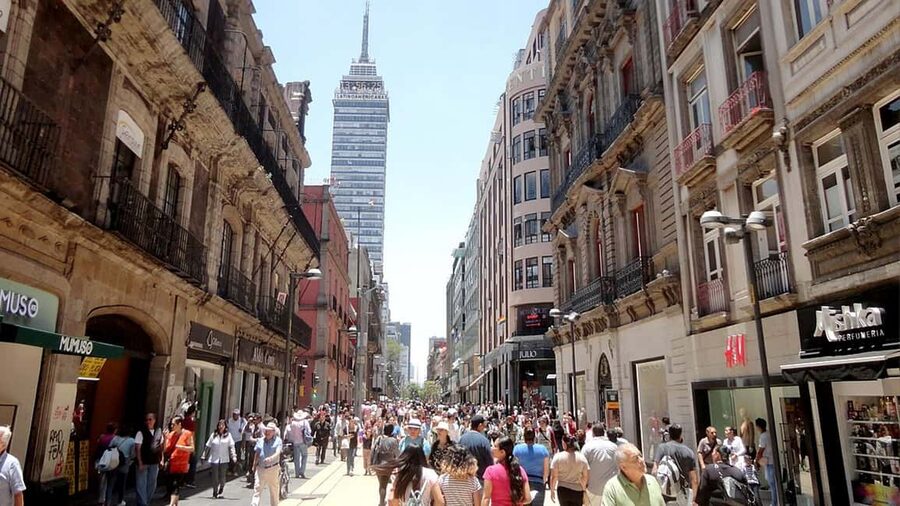
You’ll also stop at Pastelería Ideal for another photo stop and guided segment.
This is a smart pacing move. The tour covers censorship and cruising spaces, so having a recognizable, everyday public spot helps you reset your brain before the route turns more specific.
No food is included, so if you want snacks or water, you’ll need to buy them on your own.
The Borcegui Footwear Museum: high heels as evidence
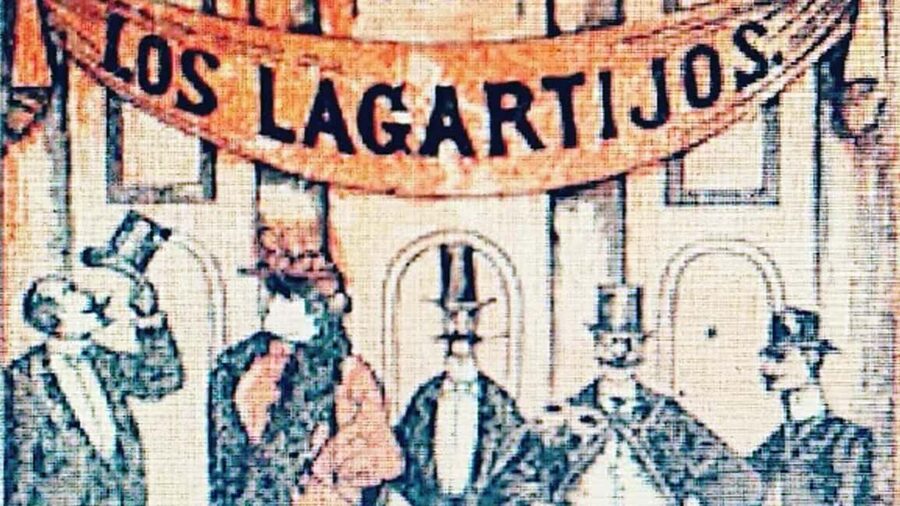
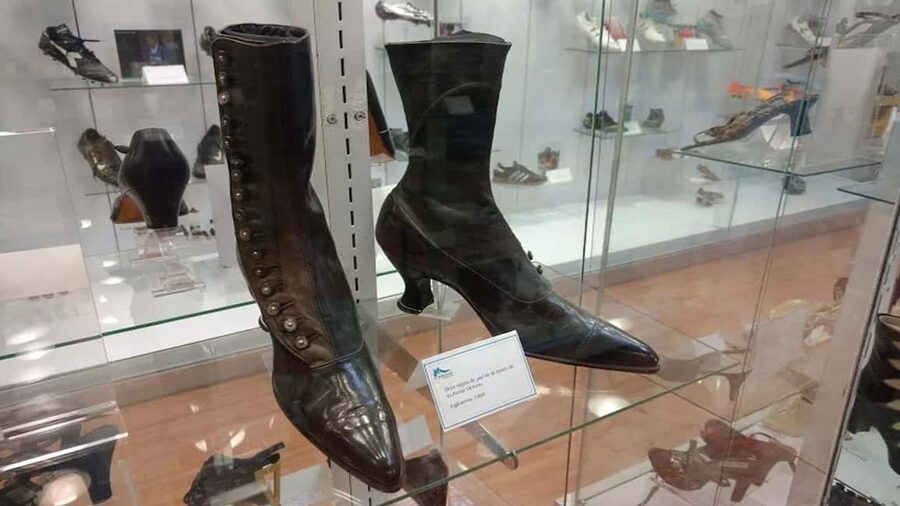
Then you’ll reach the Footwear Museum, The Borcegui, with a photo stop plus a guided tour.
This stop is exactly the kind of detail-driven storytelling that helps the rest of the walk land. The tour connects footwear and gender presentation to the famous cross-dressing ball of Those 41 in 1901, with replicas of the high-heel shoes tied to that event.
It’s one of the most “think-for-a-minute” stops on the route. Even if you’re not a museum person, you’ll probably appreciate how objects can carry meaning when written records are scarce.
Avenida Francisco I. Madero: censorship, cruising, theaters, and firsts
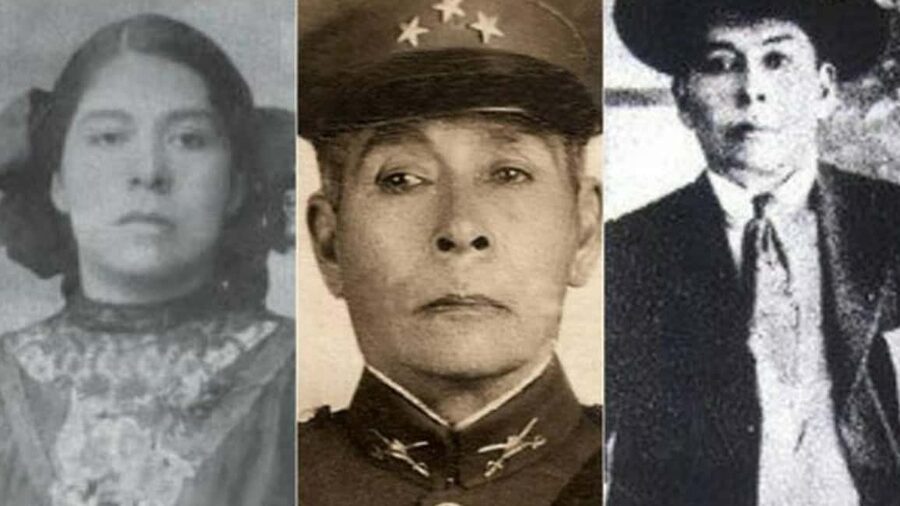
Once you’re on Avenida Francisco I. Madero, the tour slows down in storytelling mode. This is the long, central section—about 45 minutes of photo stops and guided explanation—where you really see the structure of the tour.
Here are the big themes the guide walks you through along this corridor:
- LGBTQ+ activities like the cruising lizards during the 19th and 20th centuries
- The idea that entertainment spaces had different meanings depending on who used them
- Censorship and what was targeted as immoral, including the main office involved in censorship against immoral editions
- The Old National Theatre backstage door site, tied to how gay men connected in a bar setting and how that helped create one of the country’s biggest LGBTQ+ community presences
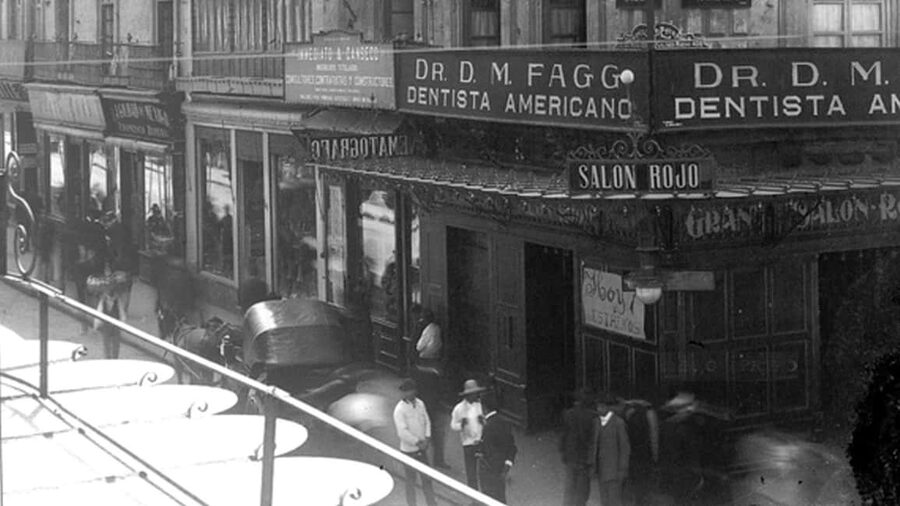
This is also where you’ll hear about early venues tied to sexuality: the first pornographic cinema, the first bath house, and Dr. Fagg’s office. The guide’s job here is to translate the sites into human stories, not just name-check places.
One practical tip: this is where your attention matters most. If you want photos, schedule them, but don’t let your camera replace the explanations.
La Casa del Pavo: context you can feel in the streets
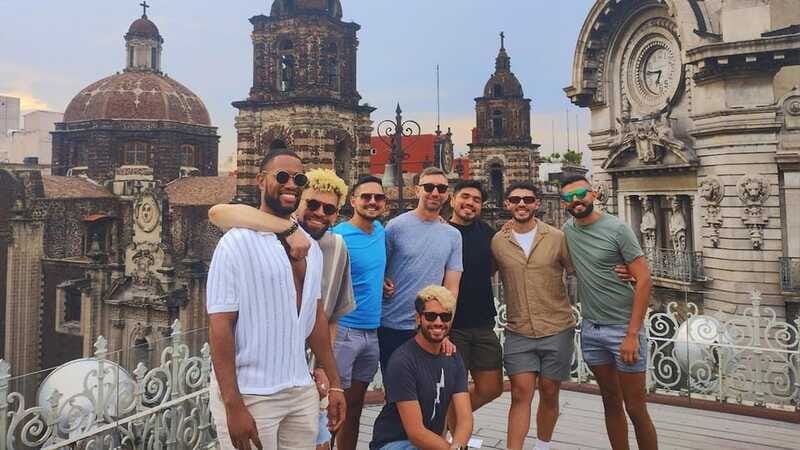
Next is La Casa del Pavo, again with a photo stop and guided tour time set up for you to take in both the building and the story.
The tour uses stops like this to show how the community could exist alongside normal city life—then get shaped, limited, and pushed around by social rules.
You’re also walking within a tight corridor of the historic center, so you’ll start noticing patterns: corners that feel purposeful, thresholds that seem designed for meeting, and streets that acted like channels rather than just roads.
For me, this kind of interpretive tour is the difference between reading history and experiencing the logic of a place.
Banamex Culture Palace: the culture layers meet real social history
You’ll reach Banamex Culture Palace for a photo stop and a guided visit.
This part of the walk helps connect the dots between past and present. The Historic Center is full of buildings that now house museums or public events, but the tour keeps asking: who used this space before it became formal culture?
As you move, the guide also explains why and where the LGBTQ+ community moved in the 1950s. That’s important because it shows history as something with geography—people don’t only change beliefs; they change where they stand.
Finish at Estanquillo Museum: a place to close the loop
The tour ends at the Estanquillo Museum.
Ending here gives you a natural “pause and reflect” moment. The walk has touched on censorship, sexuality, cross-dressing events, early cinemas, and cruising behavior. By the end, you need a quieter mental landing.
Because you’re finishing at a museum, you can also shift into the mode that suits you: either keep learning on-site, or just use the last stop as a point to regroup before heading back into the city.
How the guide storytelling changes the whole experience
A huge part of why this tour works is the guide’s delivery. One of the stand-out impressions from the guide Carlos is how he explains complicated parts of the area’s past in an understandable way, tied directly to the buildings you’re standing in.
That’s not a small detail. LGBTQ+ history can get abstract fast, especially when it involves coded meeting places, censorship, and social risk. Good guiding makes it concrete.
It also helps that the tour uses a mix of big, recognizable sites (like Casa de los Azulejos) and smaller, more specific references (like restroom lore at a Palace of the Countship stop, and cruising-related theater backdoors). The variety keeps you from getting stuck in one type of story.
What to expect on the ground: pace, weather, and photos
This is a walking tour, so comfortable shoes are not optional. Bring sunglasses, a sun hat, and sunscreen, because you’ll be exposed more than you’d like to be on a normal sightseeing loop.
Photography is allowed, but the expectation is that you treat the sites and their history with respect. That means you’ll want to ask before blocking entrances or photographing people connected to active spaces.
If you’re the type who needs frequent bathroom stops, plan for it. The tour touches a lot of city interiors and public buildings, but it doesn’t include food or drinks—so you’re managing your own supplies.
Who should book Mexico City: Gay Tales
This tour is a great fit if you want LGBTQ+ history tied to geography, not just dates. You’ll likely enjoy it most if you like Historic Center walks where the guide points out why certain streets and corners mattered.
It’s also a good match if you care about how community life happened across different kinds of spaces: museums, theaters, cinemas, and social meeting points.
It’s not a good fit for people with mobility impairments, and it’s not suitable for children under 18. This route is built for active walking and adult-oriented topics.
Should you book this tour?
I’d recommend booking if you want a guided way to see Mexico City’s core streets through an LGBTQ+ lens, with stops that connect early entertainment, censorship, and community meeting culture. For $79, you’re getting a guide, a focused 3.5-hour route, and take-home digital resources that help you remember and research more.
Skip it if you hate walking-heavy tours or you’re not comfortable with adult themes related to sexuality and social history. Also, if you prefer tours that stay strictly on monumental architecture without the more sensitive stories, this one may feel too direct.
If you’re curious and willing to pace yourself, this is one of those experiences that changes how you see the city after you leave the sidewalks behind.
FAQ
How long is Mexico City: Gay Tales?
The tour lasts about 3.5 hours.
How much does it cost?
The price is $79 per person.
Where do I meet the guide?
Meet outside the main entrance to the MIDE Museum, curbside (C. de Tacuba 17), about one block from Allende Metro station.
Is the tour in English?
Yes, the tour is conducted in English.
Is food or drinks included?
No. Food and drinks are not included.
What should I bring for the walking tour?
Bring comfortable shoes, sunglasses, a sun hat, and sunscreen.
Is this tour suitable for children?
No. It is not suitable for children under 18.
Is the tour accessible for people with mobility impairments?
No. It is not suitable for people with mobility impairments.
Can I take photos during the tour?
Yes, photography is allowed, but you should respect the sites and their history.
What do I get after the tour?
You receive a digital LGBTQ-focused map of the Historic Center plus a collection of videos, sources, and resources you can enjoy afterward.
More LGBTQ-Friendly in Mexico City

The City in a Single Day



More Tour Reviews in Mexico City



Fresh from our Mexico City notebook

City Tours, compared.
 ★ 4.6Teotihuacan, Tlatelolco & Guadalupe Shrine TourFrom $493,773 reviews
 ★ 5.0Teotihuacan Hot Air Balloon Flight from Mexico City / VolareFrom $1553,262 reviews
 ★ 5.0Teotihuacan Private Tour from Mexico CityFrom $1401,890 reviews
 ★ 5.0Historic Center Food Tour in Mexico CityFrom $1151,263 reviews
 ★ 5.0The best tour to Teotihuacán from Mexico CityFrom $501,236 reviews
 ★ 4.3From Mexico City: Puebla, Cholula and Tonantzintla Day TripFrom $891,191 reviews
 ★ 4.0Hop-on Hop-off Bus TourFrom $211,043 reviews
 ★ 4.8Historic Downtown Walking TourFrom $261,039 reviews