
REVIEW · HISTORICAL TOURS
Gay Side of History through Plazas & Temples
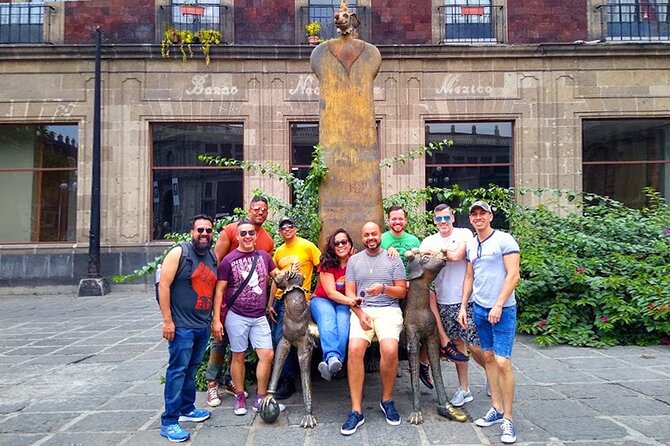
A tour about love, power, and public space. This Gay Side of History walk threads LGBTQ+ stories through some of CDMX’s most important landmarks. I like that you get small-group attention and real context, not just names on a sign. I also love the way the route connects Aztec-era sites, Spanish Catholic power, and modern Mexico in one smooth story.
The big thing to consider: it’s still a walking tour, and the day moves at history pace. You’ll cover about 1 mile in 3 hours, with a few outdoor stretches, so dress for the weather and plan for standing time at plazas.
In This Review
- Key Highlights at a Glance
- A Gay-Lens Walk Through Mexico City’s Most Famous Squares
- Small-Group Energy (and Why It Matters)
- Getting Your Bearings: Where You Start and How the Route Feels
- Rooftop Start at Librería Porrúa: Aztec Ruins Meet City Power
- Templo Mayor and the Cathedral: Two Different Kinds of Authority
- Zócalo (and the National Palace): Why the Main Plaza Shapes Everyone
- Centro Cultural España en México and the Old Customs Building: Hidden History in Plain Sight
- Plaza de Santo Domingo: The Writers’ Portal, the Church, and the Road Beyond
- The Inquisition Thread: From Storytelling to the Old Palace of the Santa Inquisición
- The Digital LGBT+ Map and the Rainbow Mexico PDFs (What You Keep)
- Price and Value: What $99 Buys You in CDMX
- How Much Walking, What Fitness Level, and What to Wear
- Who This Tour Fits Best
- A Quick Note on Cancellations and Day-of Confirmation
- Should You Book Gay Side of History Through Plazas & Temples?
- FAQ
- How long is the tour?
- How much does it cost?
- Is the tour offered in English?
- What’s included during the tour?
- Are any admission tickets included?
- How much walking is there?
- How many people are in the group?
- What is the cancellation policy?
Key Highlights at a Glance
- Digital LGBT+ map of the Historic Center, plus extra resources to keep using after the tour
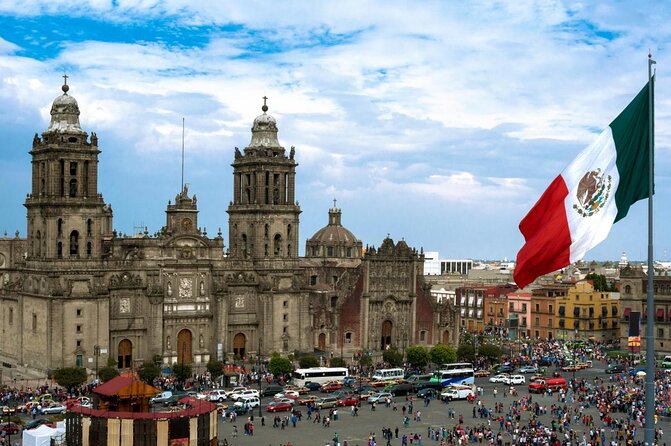
- Rooftop balcony views over the Palace of the Royal Duty and the Great Aztec Temple ruins
- A small group (max 10) that makes it easier to ask questions and follow the narrative
- Downloadable PDFs: the e-book RAINBOW MEXICO for extra reading
- The tour ends tied to the Old Palace of the Inquisition area, linking history to place
- Coffee or tea and bottled water included, so you’re not hunting for a break mid-walk
More ways into the city long story
- Historic Downtown Walking Tour
★ 5.0 · 1,289 reviews - Historic Center Food Tour in Mexico City
★ 5.0 · 1,263 reviews - Mexico City: Historic Downtown Walking Tour
★ 4.8 · 1,039 reviews - Walking Tour of the Historic Center of Mexico City
★ 5.0 · 870 reviews
A Gay-Lens Walk Through Mexico City’s Most Famous Squares
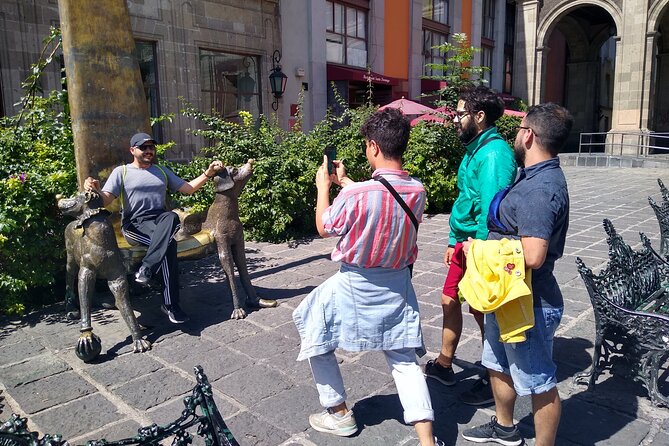
Mexico City’s Historic Center can feel like a museum you can walk through. This tour gives it a different set of glasses. You move between plazas, churches, and government buildings while the guide connects the dots to LGBTQ+ history and how society shaped who could live openly.
What makes it more than a standard sightseeing loop is the tone. The story stays serious, but it’s never dry. When Carlos is your guide, expect him to tell the city like a story you can actually picture, with dates, motives, and consequences tied to real corners of the map.
The tour is also timed well. You start with a high, wide view early in the morning—then the rest of the walk makes more sense because you’ve already seen what sits above and around the ruins.
Small-Group Energy (and Why It Matters)
This is capped at 10 travelers, which is a big deal for a history-focused walk. In a large group, you lose the thread when you stop for questions or when the guide needs a moment to set context. Here, you can ask what you want, and the pace gives the guide room to answer without rushing you along.
I also like that the format feels personal. People on the tour seem to get their interests folded into the route, which makes the “why does this matter?” moments land harder. You’re not just collecting facts—you’re building a mental map of how the city’s institutions shaped daily life.
Getting Your Bearings: Where You Start and How the Route Feels
You begin at República de Argentina 15 in the Centro Histórico area. The ending point is listed at Antiguo Palacio de la Santa Inquisición, so the tour has a clear narrative arc: start by looking over layers of the city, then move toward a place linked to persecution and control.
The walk itself is short on paper—about 1 mile in roughly 3 hours—but history walks add time. You’ll stop often, stand still sometimes, and take in views before moving on. That’s why it’s labeled as moderate fitness: you don’t need to be an athlete, but you do need comfort with slow, steady movement.
And because you’re outdoors in plazas, it’s smart to treat this like a morning-to-midday walk. Bring a hat or sunscreen, wear comfortable shoes, and plan to stand in sun or shade.
Worth a look right beside this Mexico City pick:
- Mexico City: Gay Tales★ 5.0 · 4 reviews
- Discover Mexico City’s (CDMX) Gay (LGBTQ) Hotspots Guided Tour★ 5.0 · 3 reviews
Rooftop Start at Librería Porrúa: Aztec Ruins Meet City Power
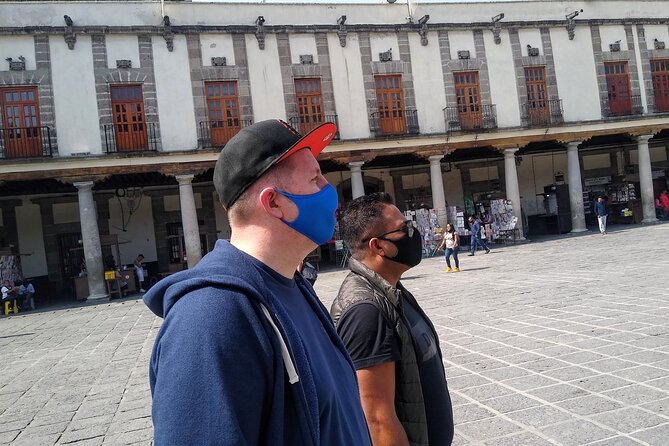
Your tour begins at Librería Porrúa, where you get a rooftop balcony overlooking some serious landmarks. From up there, you’re not just seeing the present—you’re looking across the city’s different eras at once.
The view includes the Palace of the Royal Duty area and the Great Aztec Temple’s ruins, with the Hideaway Rooms of Frida Kahlo also part of what you can spot from the balcony. That mix of references matters because it sets up the whole message of the walk: Mexico City is stacked, not replaced. Old power systems and new ones sit in the same field of vision.
The first stop is about 1 hour, and the admission ticket is included. Expect the guide to use the view like a map—pointing out how institutions and faith shaped city life over centuries.
Templo Mayor and the Cathedral: Two Different Kinds of Authority
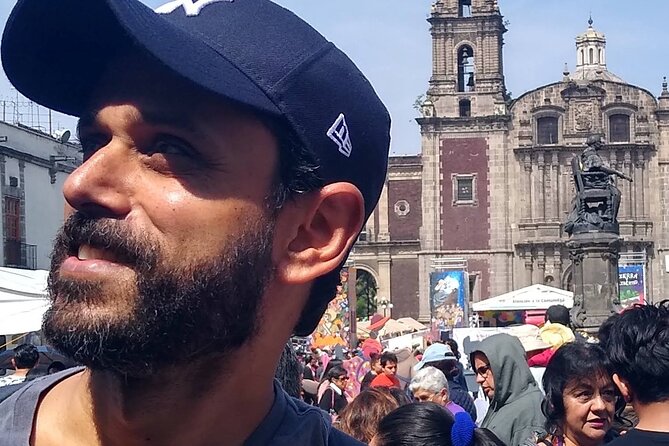
After the rooftop intro, you head into the story where the city’s power becomes physical. You’ll spend time around the Templo Mayor, the main temple of the Mexica (often called Aztec in popular usage) in their capital.
The point here isn’t just architecture. You’re learning how a society organized religion, politics, and public identity in a way you can still see in the city layout today. Once you’ve looked down from the balcony, the Templo Mayor area feels less abstract.
Then the route connects to the Catholic layer of authority through the Metropolitan Cathedral of the Assumption of the Most Blessed Virgin Mary into Heaven. The cathedral isn’t just a pretty building on a postcard route. It represents the long shift in how power was enforced—especially through public ritual and institutions with legal reach.
Zócalo (and the National Palace): Why the Main Plaza Shapes Everyone
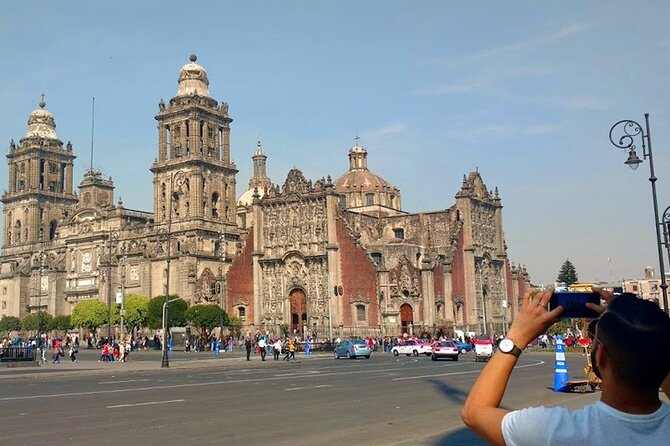
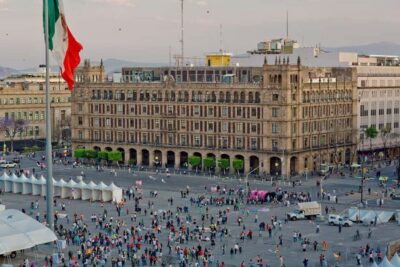
You spend about 30 minutes at the Zócalo, Mexico City’s central plaza. It’s the kind of space where governments talk to the people and where people naturally gather. Since the 16th century, it’s been a meeting place—and you feel that history the moment you stand there.
From the Zócalo area, the narrative turns toward the National Palace (Palacio Nacional), the seat of the federal executive power. You’re not just learning who ruled. You’re learning where authority stood, and why those central spaces matter for how society decides whose lives are seen, tolerated, or punished.
This is where the LGBTQ+ angle becomes more than a side note. Public power creates public rules. The tour helps you understand that in a place as symbolic as the Zócalo, identity and safety aren’t only personal—they’re political.
Centro Cultural España en México and the Old Customs Building: Hidden History in Plain Sight
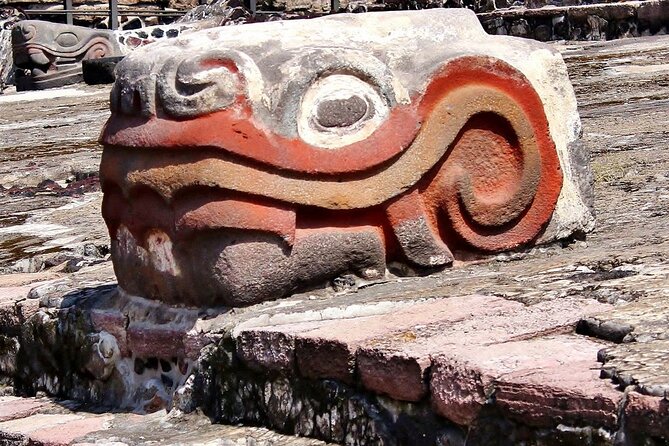
Next, you move toward Centro Cultural España en México (about 30 minutes). This site sits in the historic center in an older mansion area that had been in ruins before restoration. The tour frames it as a place that carries layers of change—Spain’s role in Mexico’s modern history, and how old buildings get repurposed once power structures shift.
From there, you continue toward the Old Customs Building, located on the east side of Santo Domingo Plaza. Customs buildings tell you something crucial about cities: who gets to move goods, what gets regulated, and which routes bring money and people into the center.
You get a chance to connect the dots between commerce, law, and community space. If you’re the type who likes how a city works behind the scenes, this segment gives you that.
Plaza de Santo Domingo: The Writers’ Portal, the Church, and the Road Beyond
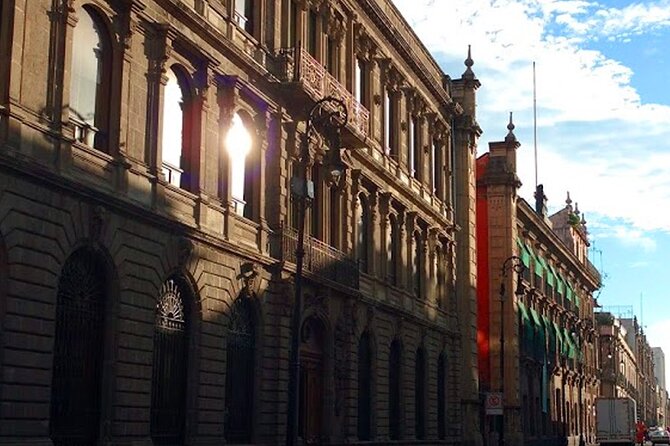
You spend about 30 minutes at Plaza de Santo Domingo. The square is anchored by the Portal de Evangelistas, a Tuscan colonnade with round arches where you can find scribes working with typewriters and antique printing machines.
That detail might sound small, but it’s a good reminder: the city is alive in the details, not only in monuments. In this plaza, you see how “old” practices can still run in parallel with modern street life.
You also get the historical connection to the Church of Santo Domingo, which faces the plaza. The guide explains that this area is linked to the start of El Camino Real—the trade route described as running from Old Mexico to New Mexico—and that it was considered a safe haven for gay male couples. That’s the kind of story you can’t learn from a quick pass with a photo.
So, while you’re standing in a pretty square, you’re also learning how people used geography and routes to protect relationships in a world that wasn’t designed for them.
The Inquisition Thread: From Storytelling to the Old Palace of the Santa Inquisición
As the tour moves toward its ending point, you hear about the Spanish Inquisition in a very specific way. This civilian institution handled executions of convicted homosexuals in the period listed as 1521 to 1821.
That’s heavy material, and it’s one reason this walk feels honest instead of fluffy. The tour doesn’t treat LGBTQ+ history as only pride and culture; it also acknowledges harm, law, and fear. Seeing it anchored to specific places helps it land as real, not theoretical.
The walk ends at the Antiguo Palacio de la Santa Inquisición area, so you finish with the location itself holding the final note. Even if you already know the headline, standing near the site turns it into something you can feel in your body: history isn’t an abstract lesson here.
The Digital LGBT+ Map and the Rainbow Mexico PDFs (What You Keep)
One of my favorite parts is the part you don’t have to rush through. You get a digital LGBT+ map of the Historic Center plus extra resources, so you can trace what you learned on your own later.
You also get downloadable PDFs of RAINBOW MEXICO, described as bridging forgotten pasts and vibrant futures. Even if you skim during the tour break, it’s the kind of reading that helps you connect names and places after you leave.
Practically, this is ideal for repeat exploring. You can walk back to the Zócalo area or Santo Domingo plaza with a stronger map in your head, instead of relying only on memory and street signs.
Price and Value: What $99 Buys You in CDMX
At $99 per person for about 3 hours 30 minutes, you’re paying for more than movement and a route. You’re buying interpretation—someone turning landmarks into relationships and timelines you can actually follow.
Here’s what makes the math feel fair:
- A small group max of 10, which keeps the experience from turning into a herd
- Coffee or tea and bottled water, so you’re not forced into a “buy something now” rhythm
- A digital LGBTQ+ map and PDF reading you can take with you
- Included admission for the first stop (Librería Porrúa)
Also, you’re walking only about a mile. That helps the value equation. You’re not paying $99 for an all-day endurance test; you’re paying for focused storytelling at key points across the center.
How Much Walking, What Fitness Level, and What to Wear
Plan for moderate physical fitness. You’ll walk around 1 mile in about 3 hours, with plenty of pauses. Still, you’ll stand in plazas, and you’ll climb or navigate the rooftop stop, so comfortable shoes matter.
You should also dress for changing conditions. The tour operates in all weather, so bring a light layer for mornings and plan for sun or light rain.
Who This Tour Fits Best
I’d put this tour near the top of your list if you want:
- LGBTQ+ history that connects to real buildings and real city layout
- A guide who tells the story with dates and context, not just facts on a page
- A low-stress walking distance with lots of stopping
It also works well for allies, since the story is built around history and how society shaped people’s lives. The route is Central CDMX heavy hitters, but with a lens you don’t usually get on regular city walks.
If you hate standing around or you want a fast-photo-and-go schedule, this may feel too story-driven. It’s meant for slow attention.
A Quick Note on Cancellations and Day-of Confirmation
One review notes a last-minute cancellation with poor communication. No tour can eliminate every risk, but you can protect yourself. If you book close to your dates, I recommend confirming the day before and again before you head out in the morning, so you’re not stuck scrambling.
Should You Book Gay Side of History Through Plazas & Temples?
Yes, if you want a smart, human, LGBTQ+ focused way to see Mexico City’s most central sites. The rooftop intro at Librería Porrúa gives you a view that makes everything else click. The Zócalo-to-inquisition ending gives the walk a clear emotional arc, and the guide’s storytelling helps you understand why the city’s institutions shaped lives.
Book it early in your stay if you can. You’ll come away with a map, some reading material, and a better sense of how to keep exploring the Historic Center on your own.
FAQ
How long is the tour?
It runs about 3 hours 30 minutes.
How much does it cost?
The price is $99.00 per person.
Is the tour offered in English?
Yes, it’s offered in English.
What’s included during the tour?
You get a local guide, coffee and/or tea, bottled water, a mobile ticket, a digital LGBT+ map with extra resources, and downloadable PDF copies of RAINBOW MEXICO.
Are any admission tickets included?
The first stop at Librería Porrúa includes an admission ticket. The Zócalo stop is free, and the Centro Cultural España stop is also free.
How much walking is there?
You’ll walk about 1 mile in 3 hours.
How many people are in the group?
The tour has a maximum of 10 travelers.
What is the cancellation policy?
You can cancel for a full refund up to 24 hours before the experience starts.
More LGBTQ-Friendly in Mexico City


The Long Story of Mexico City



More Tour Reviews in Mexico City




Fresh from our Mexico City notebook

Historical Tours, compared.
 ★ 5.0Historic Downtown Walking TourFrom $261,289 reviews
 ★ 5.0Historic Center Food Tour in Mexico CityFrom $1151,263 reviews
 ★ 4.8Historic Downtown Walking TourFrom $261,039 reviews
 ★ 5.0Walking Tour of the Historic Center of Mexico City870 reviews
 ★ 5.0Mexico City Historical Centre Food Tour with 7 Authentic TastingsFrom $65723 reviews
 ★ 5.0Walking Tour in Mexico City for Exploring their Cultural HeritageFrom $25245 reviews
 ★ 5.0Walking Tour – Impressive murals in Historical Center of Mexico CityFrom $51224 reviews
 ★ 4.5Guided walking tour through the most historic parts of the city.From $30172 reviews
Browse the lists this tour appears in