

REVIEW · HOP-ON HOP-OFF BUS TOURS
Mexico City: Hop-on Hop-off Bus Tour
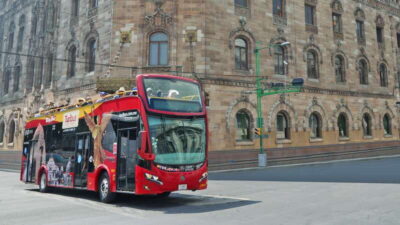
Mexico City can feel like a lot. This hop-on hop-off bus tour turns it into a pick-your-own-adventure day with four routes you can mix and match. The digital audio guide helps you connect the streets you’re riding past to pre-Hispanic, colonial, and modern Mexico City.
I like that you can ride at your pace—get on, get off, and come back later without buying separate tours for each area. I also like how the route design supports planning: you can sample big landmarks first, then decide what you want to revisit on foot or with a museum ticket.
One thing to watch: the buses are open-top and there’s no restroom, and the audio can be tricky if the Spanish channel is very loud compared with other languages.
In This Review
- Key Things I Think You’ll Care About
- Why This Hop-On Hop-Off Style Works in Mexico City
- Price and Value: What $21 Buys You (If You Use It Right)
- The Four Routes: How to Choose Your Mexico City
- Historic Downtown Route (9am–7pm): Zócalo to Reforma to Anthropology
- Polanco Route: Fashionable Stops and Museo Soumaya-Style Architecture
- South Route (Coyoacán Area): Frida Kahlo, Markets, UNAM, and Botanic Gardens
- Basilica Route: Garibaldi to Guadalupe and a Colonial-Corner Stop
- Audio Guide Reality Check: Earphones, Noise, and Language Mix
- Getting On and Off: Seats, Waiting, and Traffic Timing
- What Stops Are Like Up Close (and Why Walking Time Matters)
- Best Way to Do 1 Day vs 2 Days
- Who Should Book This Bus Tour
- Should You Book Turibus Mexico City Hop-On Hop-Off?
- FAQ
- Where can I start the tour?
- How long is the ticket valid?
- How often do buses run on the Historic Downtown Route?
- What routes are available?
- Are the buses wheelchair accessible?
- Are there restrooms on the bus?
- What languages are available for the audio guide?
- What times does the Polanco Route operate?
- Are children free?
- Can I cancel for a full refund?
Key Things I Think You’ll Care About

- Four routes, one bracelet so you can stitch together your ideal itinerary across central Mexico City and outlying neighborhoods.
- Audio guide included in multiple languages, with a kids channel (helpful if you’re traveling with younger ones).
- Open-top double-decker comfort with the best chance of good views—especially in the morning and late afternoon.
- Schedule depends on traffic, so plan for delays and don’t stack museum entries too tightly back-to-back.
- No onboard restrooms, so build in snack and break time around your off-bus stops.
More of the city from the top deck
- Mexico City: Hop-on Hop-off Bus Tour
★ 4.0 · 1,043 reviews - Mexico City: Double Decker Bus Night Tour
★ 3.8 · 373 reviews - Turibus Hop On Hop Off Mexico City Tour
★ 3.0 · 347 reviews - Mexico City: Night City Tour in a Double Decker Bus
★ 4.2 · 235 reviews
Why This Hop-On Hop-Off Style Works in Mexico City
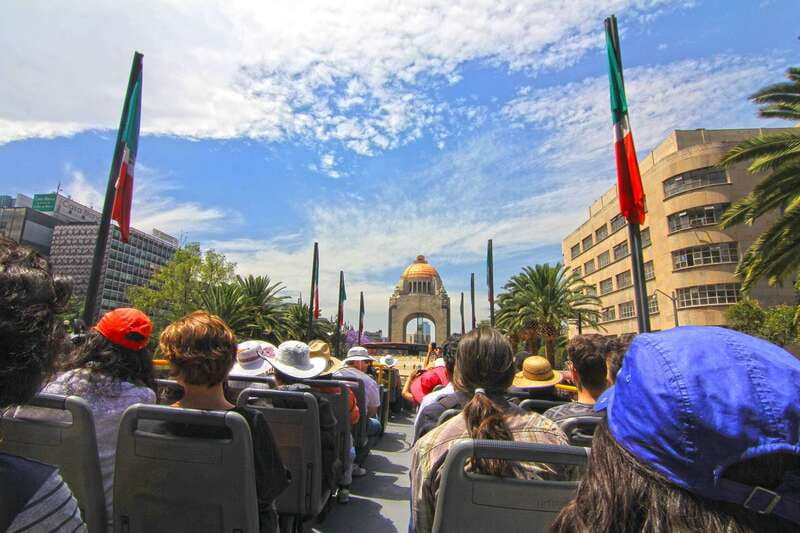
Mexico City rewards good timing and smart movement. On foot, you can do it—but it’s slow, and you’ll bounce between neighborhoods with taxi lines and traffic waits. A hop-on hop-off bus gives you a calmer rhythm: sit up top, get orientation fast, and step off when something grabs you.
The big value here is flexibility. Your pass covers 1 or 2 days, plus all routes and stops under the same bracelet, so you’re not locked into one “straight line” sightseeing plan. That matters when you’re trying to fit in markets, viewpoints, museums, and neighborhoods without turning your trip into a checklist.
The other reason this tour is useful is coverage. You get routes that span central sights, Polanco shopping/design territory, Coyoacán’s artsy side, and the religious center around Garibaldi and Basílica de Guadalupe. In 1–2 days, that’s a lot of geography.
Price and Value: What $21 Buys You (If You Use It Right)
At $21 per person for a 1–2 day ticket, this tour can be a bargain if you’re replacing multiple taxi or rideshare trips. Even if you still use taxis sometimes, the bus can handle the “middle miles” between areas, where traffic often punishes short car rides.
You’re paying for three things:
- Transportation between major zones
- An audio guide system that explains landmarks while you ride
- The freedom to hop on/off repeatedly instead of buying separate paid tours for each neighborhood
If you try to see only one area, you might feel underwhelmed. But if you plan even loosely—like doing one route in the morning and switching after lunch—you get your money’s worth fast.
The Four Routes: How to Choose Your Mexico City
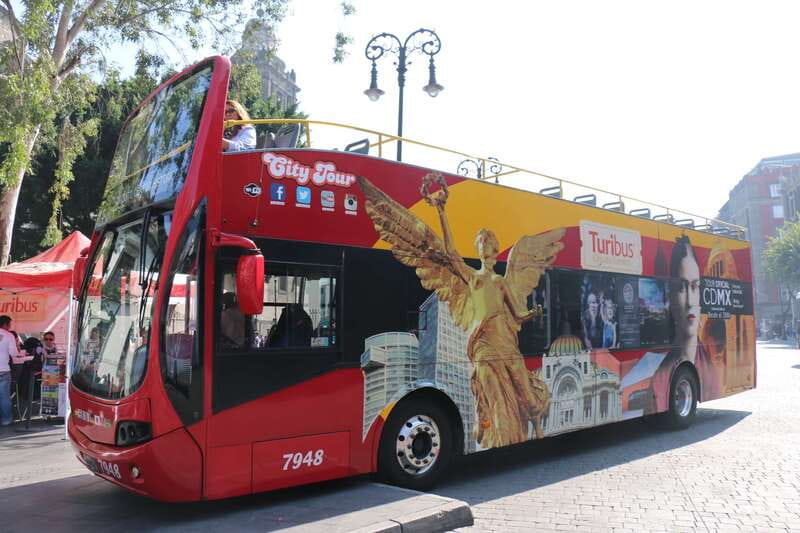
This is where the tour feels different from the usual one-route city bus. You can switch routes, and you can start at different points depending on the circuit.
Here’s the “how to think about it” approach I’d use:
- If you want main landmarks and your first orientation day, start with the Historic Downtown circuit.
- If you want shops, modern architecture, and museums, do the Polanco route.
- If you want Coyoacán vibes, arts, markets, and UNAM area stops, pick the South route.
- If you want a guided-feeling day around Garibaldi and Guadalupe, go for the Basilica route.
Also, traffic plays favorites. Your best results usually come from doing the longest rides earlier in the day, then using the afternoon for walking and museum time.
Wider loops around Mexico City
- Teotihuacan Hot Air Balloon Flight from Mexico City / Volare★ 5.0 · 3,262 reviews
- Teotihuacan Private Tour from Mexico City★ 5.0 · 1,890 reviews
- Historic Center Food Tour in Mexico City★ 5.0 · 1,263 reviews
- The best tour to Teotihuacán from Mexico City★ 5.0 · 1,236 reviews
- From Mexico City: Puebla, Cholula and Tonantzintla Day Trip★ 4.3 · 1,191 reviews
Historic Downtown Route (9am–7pm): Zócalo to Reforma to Anthropology

The Historic Downtown Route is the one that helps you understand Mexico City. It runs daily from 9:00 am to 7:00 pm, with buses around every 30 minutes, and it includes 19 stops.
This circuit is designed around big-city landmarks and “first-timer” orientation. You’ll pass or stop near places like Zócalo (the city’s central activity hub), Monumento a la Independencia, and the Reforma corridor. You also get a smoother link to museum areas, including Museo Franz Mayer and Museo Nacional de Antropología (listed as a stop on the route).
A few stops worth aiming for:
- Zócalo and nearby central stops: great for orienting yourself before you decide where to walk.
- Reforma & Reforma-Insurgentes areas: helps you understand the city’s major avenue layout.
- Glorieta a Colón and Hemiciclo a Juárez: useful for photo stops and understanding the geography of the center.
- Museo de Antropología: if you care about Mexico’s pre-Hispanic heritage, this stop can anchor a longer museum block.
One small caution: the route list includes multiple stops tied to the Independence Monument area, so pay attention to the actual stop name displayed when you board. In real life, you’ll also find that some “bus stop” positions may be a short walk from the exact museum entrance, so don’t treat it like a drive-up drop-off.
Polanco Route: Fashionable Stops and Museo Soumaya-Style Architecture
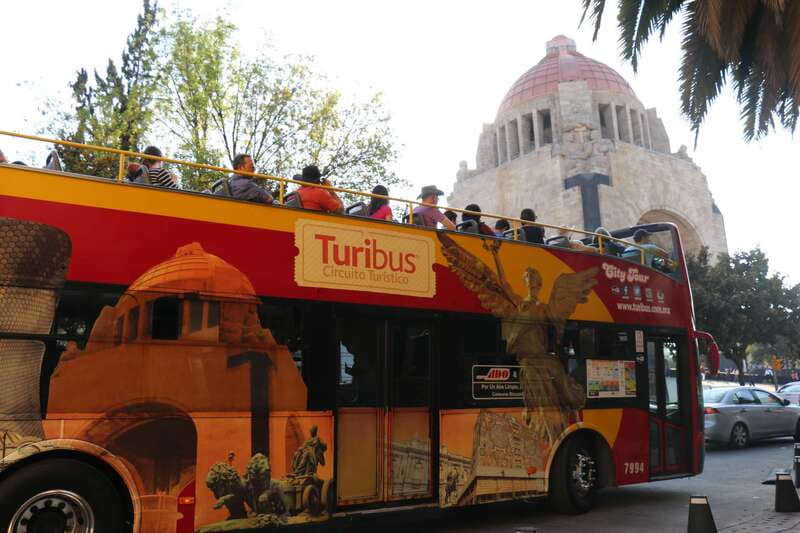
The Polanco circuit is smaller, faster to understand, and focused on a different Mexico City mood. It has 7 stops, and it’s the route you’ll likely enjoy if your travel style is shopping, modern design, and museum hopping.
It runs daily, starting from Auditorio at set times: 10:00 am, 11:30 am, 1:00 pm, 2:30 pm, 4:00 pm, and 5:30 pm. That schedule structure can help you plan, but it also means you should check the next departure if you’re trying to line up a museum visit.
Key stops you’ll want to look for:
- Centro Comercial Antara: a strong “shopping and people-watching” pause.
- Museo Soumaya: a classic Polanco draw, especially if you like art + striking building design.
- Masarik/Moliere and Arquímedes Campos Elíseos: helps you grasp the neighborhood’s street grid and upscale vibe.
- Hipódromo/Granja Las Américas: good if you want a break that feels less like central downtown.
If you’re doing only one route on day one, I’d still consider the Historic Downtown circuit first. Then, use Polanco later once you know where you want to return.
South Route (Coyoacán Area): Frida Kahlo, Markets, UNAM, and Botanic Gardens

The South Route is the “slow down” option. It runs daily from 11:00 am to 7:00 pm, with buses roughly every 1 to 1.5 hours, and it includes 19 stops. This circuit has more stops that feel like neighborhoods, not just monuments.
It’s also the best match for people who want a Coyoacán-focused day. You’ll see stops that connect the area’s highlights, including Mercado Roma, Frida Kahlo museum, Centro Histórico de Coyoacán, and Rectoría de la UNAM.
What I’d target here:
- Museo Frida Kahlo (listed as a stop): anchor it as a main event and plan for real time on the ground.
- UNAM area stops (like Rectoría and the botanic garden stop): good for a calmer break from pure downtown intensity.
- Mercado Roma / Mercado Roma Coyoacán: ideal for an easy food wander if you like markets.
- Centro Cultural San Ángel and nearby areas: a chance to see streets and buildings that feel less like the central grid.
A practical note: this route can take time due to traffic and the number of stops. If you only have one day, consider doing this earlier in the day and saving Historic Downtown for later, when you can move between zones with less stress.
Basilica Route: Garibaldi to Guadalupe and a Colonial-Corner Stop

The Basilica Route is a focused cultural stop route, built around pre-Hispanic, colonial, and modern Mexico City themes—especially the religious center.
It runs daily from Zócalo at these times: 10:00 am, 11:30 am, 1:00 pm, 2:30 pm, 4:00 pm, and 5:30 pm. It’s only 4 stops on the listed circuit, but the stops themselves are major.
Your stops:
- Zócalo: a strong starting point, since you can connect from the downtown area easily.
- Garibaldi: a classic Mexico City night-and-music landmark area.
- Basílica de Guadalupe: the main spiritual focus.
- Palacio de los Condes de Miravalle: a quick way to connect the area with colonial-era presence.
This is also the circuit I’d pick if your “must-see” list includes Guadalupe. It keeps decision fatigue low: you know the emotional destination from the start, and you can spend the rest of your time exploring on foot once you’re there.
Audio Guide Reality Check: Earphones, Noise, and Language Mix
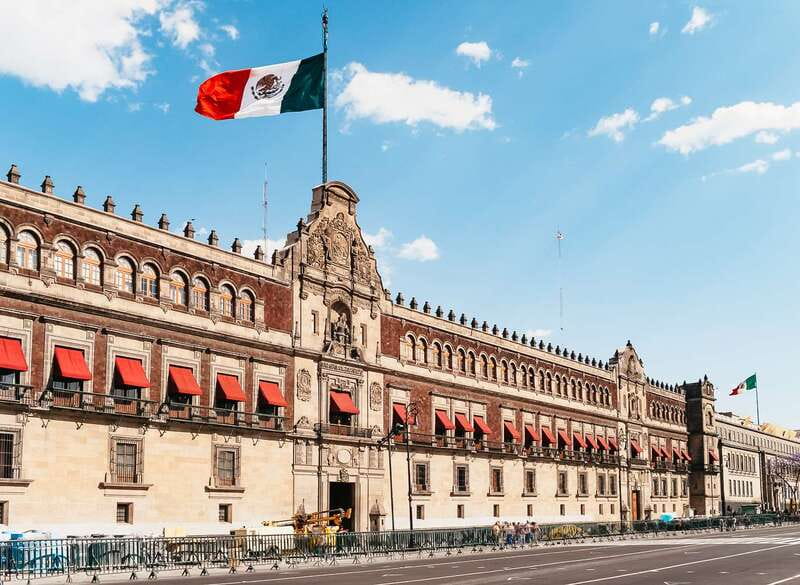
The tour’s audio guide is a major selling point, and it’s also where you should be ready to adjust. The digital system includes Spanish, English, German, French, Italian, Chinese, Japanese, Portuguese, Russian, plus a kids audio channel.
Here’s the practical truth to plan for:
- Some buses have loud Spanish audio that can drown out other languages.
- Headset sound can vary. If you sit near a bus speaker area, you may struggle to hear the English channel clearly.
- On crowded streets or near intersections, background noise can also make audio harder to catch.
My best advice: bring your own wired earphones/headphones you like. Even if you’re given earbuds on certain buses, quality can be hit-or-miss, and you don’t want to lose the whole point of the guide.
Also, don’t rely on sound alone for navigation. The drivers and announcements help, but written cues at stops and the stop name shown for boarding are what keep you moving the right direction.
Getting On and Off: Seats, Waiting, and Traffic Timing
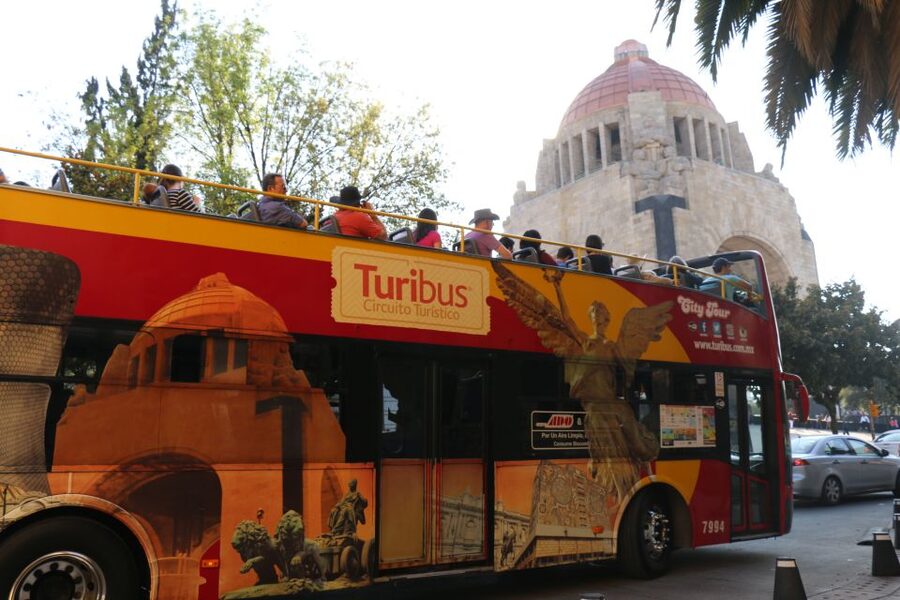
The tour runs with “hop on anytime” freedom, but real Mexico City timing isn’t perfect. Buses try to follow their schedules, but traffic can affect frequency, and you might wait longer at certain stops.
A few ways to keep it smooth:
- Hop off for a short walk when the stop is close, but don’t wander too far; it’s easier to reboard when your return route is simple.
- If you’re transferring between routes, give yourself a buffer rather than hoping the next bus matches your exact museum timing.
- Sit up top for the best views, but take sun and heat seriously. In May-like afternoon conditions, metal seats can feel punishing.
There’s also a small safety detail that matters on open-top buses: watch for overhead cables and low branches while you’re getting on or moving around. It’s not a reason to skip the tour, just a reason to be mindful.
What Stops Are Like Up Close (and Why Walking Time Matters)
A hop-on hop-off bus is great at getting you to the right part of town. It’s less exact when it comes to front-door placement.
You’ll often find that a stop is a few minutes’ walk from the entrance you care about most. That’s normal, but it changes how you plan:
- If your museum has a strict entry time, buffer the walk.
- If you’re traveling with kids or anyone with mobility limits, build in extra walking time.
Also, remember the buses have no restrooms. That affects how long you can stay on the bus between stops. Plan your longer breaks as off-bus time.
Best Way to Do 1 Day vs 2 Days
If you have 1 day, pick one main neighborhood style:
- Go Historic Downtown for your first contact with Zócalo/Reforma/major museums.
- Or choose South if your heart is set on Coyoacán and the Frida Kahlo area.
- Or go Basilica if Guadalupe is the headline.
If you have 2 days, you can mix:
- Day 1: Historic Downtown to set your bearings, then add Polanco later for a different neighborhood feel.
- Day 2: South in the morning (when it’s less crowded and often less hot) and finish with the Basilica route if you want a spiritual-focused late day.
The big trick is to use the bus as a planning tool. Once you know what you love, you can return under your own schedule.
Who Should Book This Bus Tour
This tour fits best if you:
- Have limited time and want to cover multiple neighborhoods without constant taxis
- Want an audio-guided history while you see modern city structure
- Enjoy building your day as you go, instead of committing to one fixed tour
- Want a lower-stress way to find where things are before you spend money on museum tickets
It’s less ideal if you hate waiting, dislike open-top buses, or need frequent restroom access. The schedule is also more sensitive to traffic than you might expect.
Should You Book Turibus Mexico City Hop-On Hop-Off?
Yes, I think you should book it if your goal is smart coverage in a short window. The value at $21, the four-route coverage, and the audio guide make it one of the easiest ways to get oriented and then choose what to revisit.
I’d book it sooner rather than later if you’re planning museums, because the bus is also a way to learn how neighborhoods connect. Just go in with two expectations: the audio experience depends on headset setup and street noise, and you’ll want to plan around traffic.
If you want, tell me your travel dates and what you want most (museums, history, markets, Guadalupe, Coyoacán). I can suggest a clean 1-day or 2-day route mix.
FAQ
Where can I start the tour?
You can begin at any of the stops and show your printed or electronic voucher when boarding.
How long is the ticket valid?
Your ticket is valid for 1–2 days.
How often do buses run on the Historic Downtown Route?
The Historic Downtown Route runs daily from 9:00 am to 7:00 pm, with buses about every 30 minutes.
What routes are available?
There are four routes: Historic Downtown, Polanco, South Route, and Basilica Route.
Are the buses wheelchair accessible?
Yes, the buses are wheelchair accessible.
Are there restrooms on the bus?
No. The buses do not have restrooms, and they are open-top double-decker.
What languages are available for the audio guide?
The audio guide includes Spanish, English, German, French, Italian, Chinese, Japanese, Portuguese, and Russian, plus a kids channel.
What times does the Polanco Route operate?
The Polanco Route runs daily starting from Auditorio at 10:00 am, 11:30 am, 1:00 pm, 2:30 pm, 4:00 pm, and 5:30 pm.
Are children free?
Yes. Children up to age 3 travel free, but they must sit on parents’ laps.
Can I cancel for a full refund?
Yes. You can cancel up to 24 hours in advance for a full refund.
More Tours in Mexico City



More Tour Reviews in Mexico City




The Whole City from the Top Deck





Fresh from our Mexico City notebook





Hop-On Hop-Off Bus Tours, compared.
 ★ 4.1Hop-on Hop-off City Tour by Turibus 1-Day PassFrom $20691 reviews
 ★ 3.8Double Decker Bus Night TourFrom $10373 reviews
 ★ 3.0Turibus Hop On Hop Off Mexico City Tour347 reviews
 ★ 4.2Night City Tour in a Double Decker BusFrom $10235 reviews
 ★ 3.9Hop-On Hop-Off Bus City TourFrom $20183 reviews
 ★ 3.0Hop-on Hop-off or Night Tour Tourist Bus in Mexico City127 reviews
 ★ 3.4Night Bus TourFrom $1133 reviews
 ★ 3.9Hop-on Hop-off City Tour with AttractionsFrom $2329 reviews
Browse the lists this tour appears in