
REVIEW · WALKING TOURS
Mexico City: 1960s &1970s Mexican Architecture Walking Tour
Mexico City’s modern architecture tells stories you can see. This 3-hour walking tour ties together 1960s–1980s design and the social and political mood of the era, moving from major museum stops to an Olympic-era hotel. With Natalia, the tone is part art history, part civic context, and very practical about what to notice while you’re there.
I like two things a lot. First, the route is anchored by world-class buildings, especially the National Museum of Anthropology, where pre-Hispanic ideas show up in the structure and the sculpture program. Second, I love how the stop at the Tamayo Museum of Contemporary Art adds a later chapter, showing how modernism evolved without losing Mexico’s artistic DNA.
One drawback to consider: the tour can feel as much like a history-and-meaning walk as a strict architectural walkthrough. If you want pure building-tech details only, you may want to set expectations and lean into the why behind the walls.
In This Review
- Key highlights to look for on this architecture walk
- Start at Chapultepec Park: where the tour finds its footing
- The National Museum of Anthropology: 1960s architecture with indigenous roots
- A quick path to Tamayo: modernism learns to live with nature
- The Space Age–inspired stop: futuristic optimism in architectural form
- Chapultepec as a classroom: social and political context you can read
- Finish at Hotel Camino Real: the 1968 Olympics meet modern art
- How long is enough? The pacing for 3 hours
- Price and value: what $192 buys you here
- Who this tour is for (and who should skip it)
- Should you book Mexico City’s 1960s–1970s architecture walk?
- FAQ
- Where do I meet the guide?
- How long is the tour?
- Which museums are included?
- What language is the tour guide?
- Does the tour run in bad weather?
- What should I bring, and what isn’t allowed?
- Is it accessible for wheelchairs or mobility needs?
- Can I cancel or pay later?
Key highlights to look for on this architecture walk
- National Museum of Anthropology: how cosmogony and indigenous worldviews are translated into museum design and sculpture.
- Chapultepec Park setting: you’re walking in a real urban park, not a staged museum loop.
- Tamayo Museum transition: early-1980s modernist architecture that works with nature and artistic legacy.
- Space Age–styled 1960s design: a short hop to a futuristic-feeling museum building shaped by that optimism.
- Hotel Camino Real and the 1968 Olympics: a hospitality space that doubles as a modern art showcase.
- Small group with expert guidance: up to 10 participants, with headsets for clearer audio if needed.
More of Mexico City taken slowly, on foot
- Historic Downtown Walking Tour
★ 5.0 · 1,289 reviews - Mexico City: Historic Downtown Walking Tour
★ 4.8 · 1,039 reviews - Frida Kahlo VIP [Museum Tickets Included] Walk, Markets & Churros
★ 5.0 · 982 reviews - Walking Tour of the Historic Center of Mexico City
★ 5.0 · 870 reviews
Start at Chapultepec Park: where the tour finds its footing
You meet at the Chapultepec Park Porrua Bookstore near the ticket booth. It’s inside the bookstore that your guide waits with the WALK MEXICO logo, and you’ll want to make sure you’re at the Chapultepec location specifically—Porrua has multiple branches around the city.
From the start, the tour’s pacing is gentle. It’s billed as a walking tour, but you won’t spend the whole morning dragging your feet across long distances. You’ll also have rain-or-shine planning in mind, so bring rain gear if the forecast looks moody, plus sunscreen because Chapultepec can feel bright and exposed.
The group stays small, limited to 10 participants. That matters because architecture tours are more enjoyable when you can ask questions and actually hear the answers without playing audio ping-pong.
The National Museum of Anthropology: 1960s architecture with indigenous roots
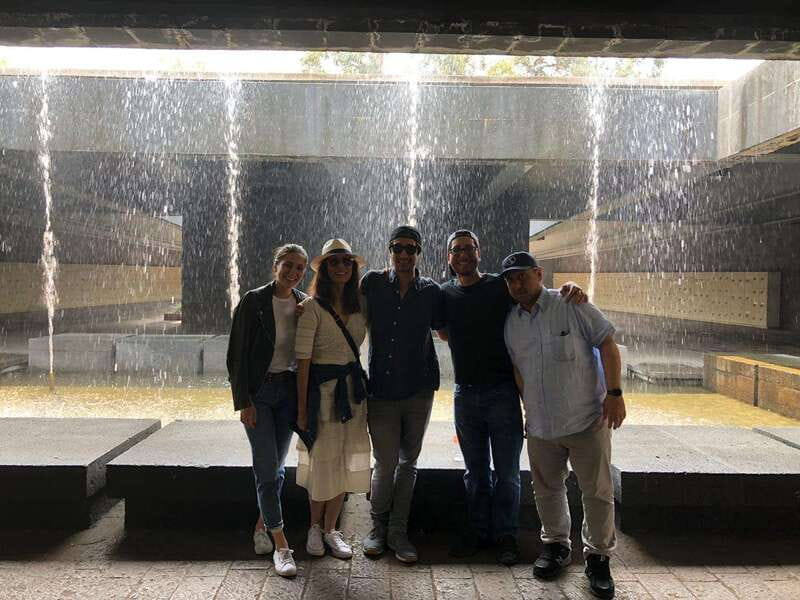
The National Museum of Anthropology is the anchor stop for a reason. Designed in the 1960s by one of Mexico’s celebrated architects, the building is more than a container for objects. It’s built around pre-Hispanic cosmogony, meaning the museum’s layout and design logic connect to how indigenous civilizations understood the world.
What I like is how the tour frames the building as a collaboration rather than a solo masterpiece. You’ll learn about the partnership between the architect and renowned artists whose sculpture and design work brought indigenous worldviews into the museum experience. In other words, you’re not just looking at a façade; you’re getting a translation of belief into architecture.
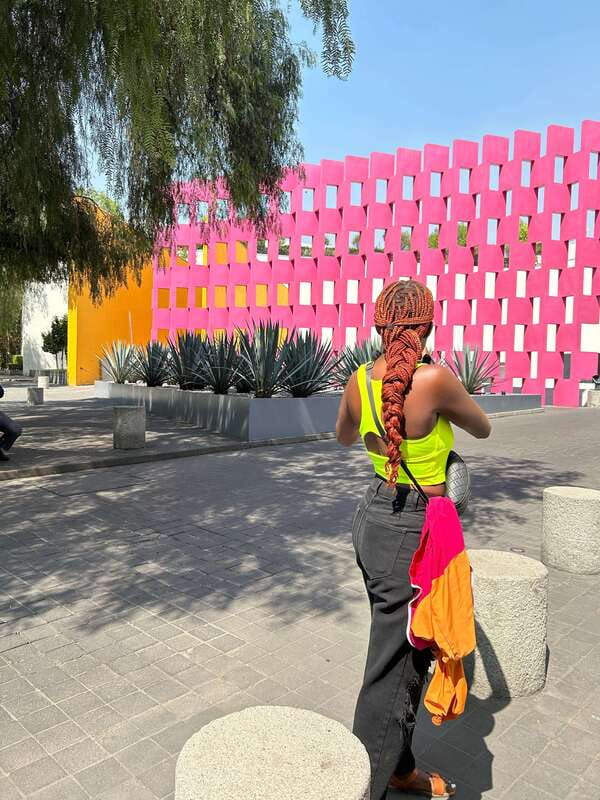
Photography is a big part of why this museum stop works well on foot. You’ll be in a safe, enjoyable area for pictures, and the building itself gives you lots of angles—especially if you like wide shots that show how the structure sits in relation to the open park space.
Practical note: comfy shoes help here, even if the walking time stays modest. Museums are where you pause, look up, and wait for your eyes to adjust, so footwear matters more than you’d think.
A quick path to Tamayo: modernism learns to live with nature
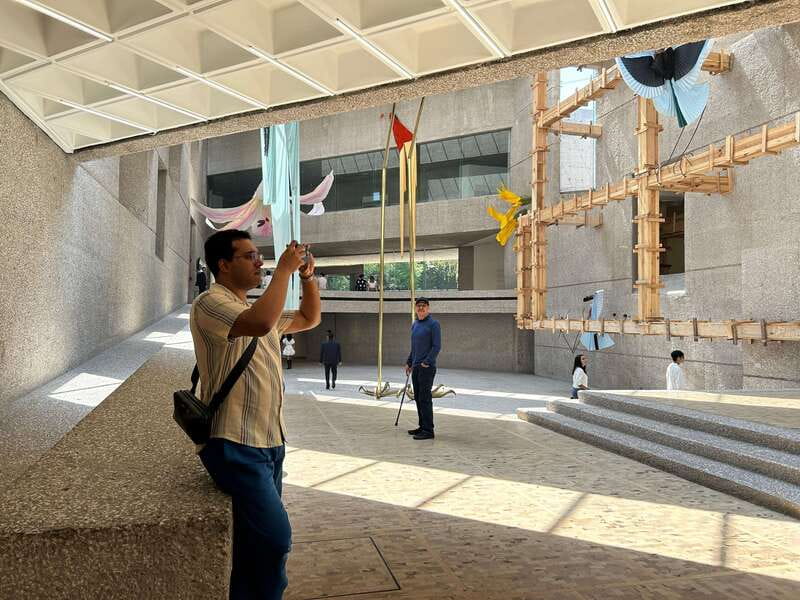
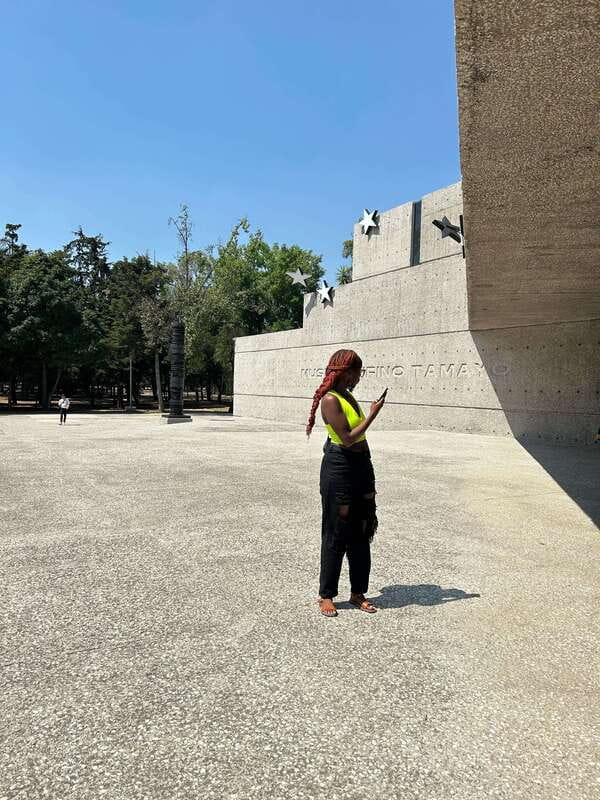
After the anthropology stop, the tour continues to the Tamayo Museum of Contemporary Art, dedicated to Rufino Tamayo. This is where the story takes a later turn, showing how Mexico City’s modern design language matured after the 1960s.
The Tamayo building was conceived in the early 1980s by two influential architects, and the focus is on a modernist approach that harmonizes with its surroundings. The key for you is that this isn’t modernism as a cold style. It’s modernism that tries to keep a relationship with place—so you end up comparing different moments in time rather than just checking boxes.
If you’re the type who likes to compare how buildings treat light, mass, and negative space, this is an excellent contrast point. You’ll walk from a museum that carries cosmogony into space, then see a building designed to sit in a more contemporary relationship with the outdoors.
Wider loops around Mexico City
- Teotihuacan Hot Air Balloon Flight from Mexico City / Volare★ 5.0 · 3,262 reviews
- Teotihuacan Private Tour from Mexico City★ 5.0 · 1,890 reviews
- Historic Center Food Tour in Mexico City★ 5.0 · 1,263 reviews
- The best tour to Teotihuacán from Mexico City★ 5.0 · 1,236 reviews
- From Mexico City: Puebla, Cholula and Tonantzintla Day Trip★ 4.3 · 1,191 reviews
The Space Age–inspired stop: futuristic optimism in architectural form
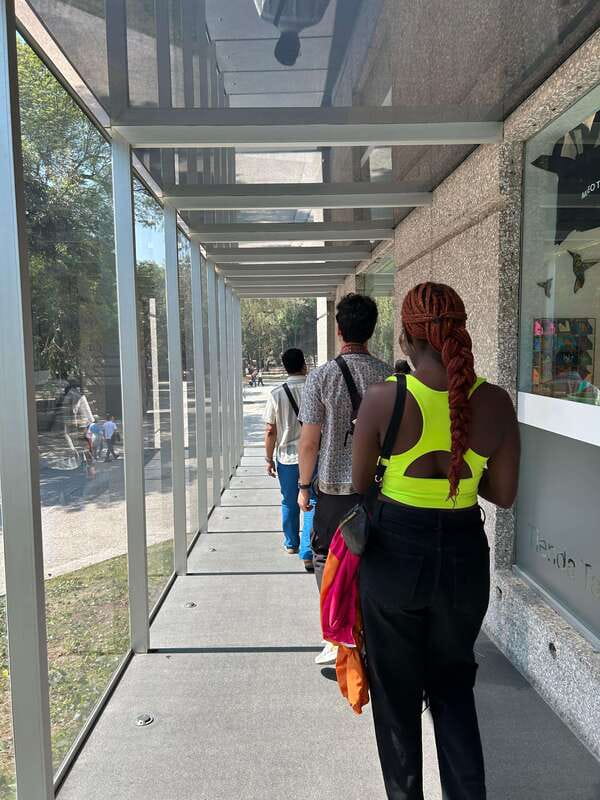
There’s a short walk to another 1960s design example described as inspired by Space Age aesthetics. It’s the kind of building that makes you pause because the form and function feel like they’re aiming forward, not backward.
What this stop adds to your understanding is timing. The 1960s were not just about politics and protest; they were also about ambition and technology. In this museum setting, that optimism shows up in the way the building looks and operates, giving you a visual snapshot of the moment’s mood.
This is also where I think the guide’s framing matters most. Architecture can become a scavenger hunt if you don’t know what question you’re asking. With a strong art-historian-style approach (Natalia is the name that comes up often), the questions become clearer: What does this style communicate? Who might it be speaking to? How does Mexico City’s modernization show up in building choices?
Bring your camera here too. The building’s shape is designed for viewing from different angles, and you’ll likely want at least a couple of shots that show the structure’s overall profile, not just close-ups.
Chapultepec as a classroom: social and political context you can read
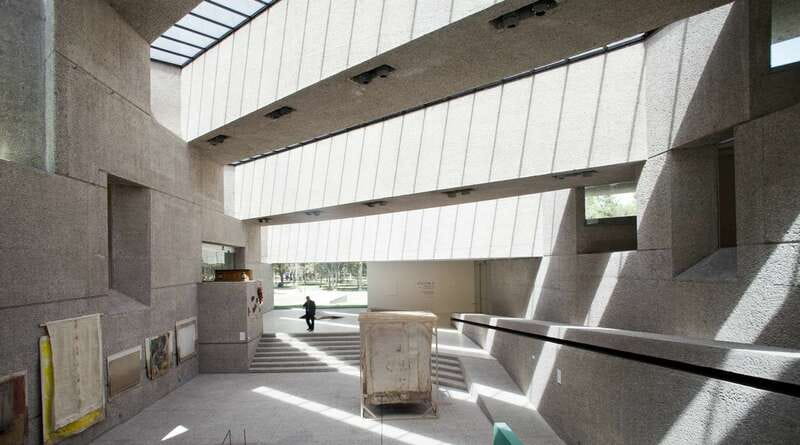
One reason people enjoy this tour is that it doesn’t treat architecture like decoration. It places buildings inside the broader social and political context of 1960s–1970s Mexico.
That context shows up through the way the guide connects design choices to national identity, education, and cultural power. Even if you’re not a politics person, you’ll feel the difference between a building meant to display artifacts and a building meant to shape how citizens (and visitors) understand Mexico.
This is where the tour can lean more history-forward than some purely architectural walks. You may spend more time on meaning and cultural context than on technical construction details. For me, that’s a plus because it makes the buildings harder to forget.
If you’re hoping for a lot of minute construction talk—like structural systems, specific materials, or engineering trivia—this may not satisfy that level of detail. But if you enjoy the bigger picture of why these forms exist, you’ll probably find it a strong fit.
Finish at Hotel Camino Real: the 1968 Olympics meet modern art
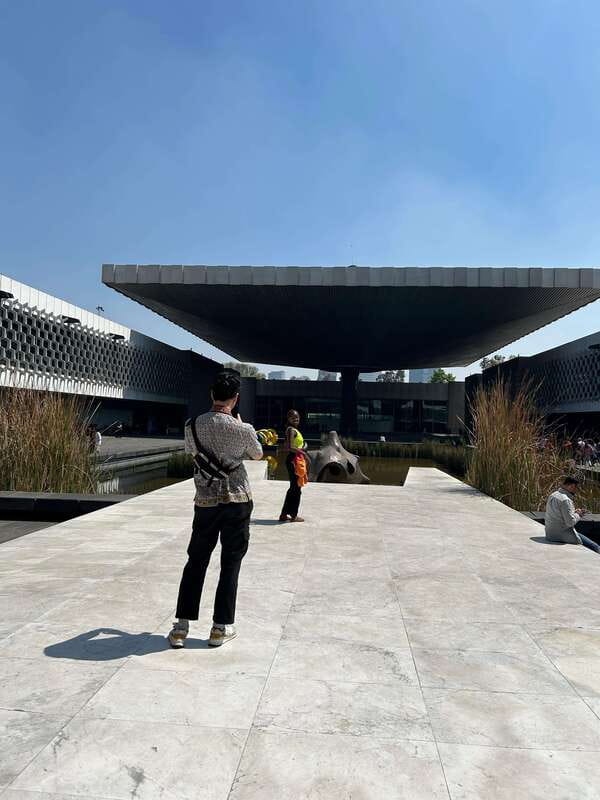
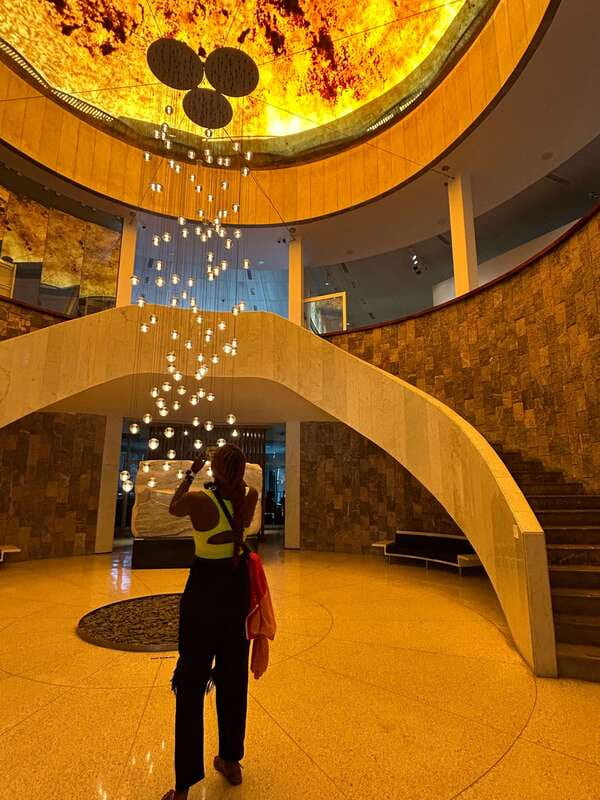
The tour concludes at a historic hotel built to host VIP guests during the 1968 Olympic Games. In your mind, you might expect a hotel stop to feel like a pause for refreshments. Here, it plays a different role.
Behind the hotel walls is a modern Mexican art collection, turning the property into a kind of art-and-hospitality hybrid. It’s a clever ending because the architecture theme doesn’t stop at museums. You see how modern Mexican art and a curated interior environment can live inside a public-facing setting.
This part also lands emotionally. The Olympics context adds real-world scale to the story: Mexico City wasn’t just building museums for the past. It was shaping an international-facing modern image in the 1960s, right as the city’s identity was being renegotiated.
If you care about where art lives day-to-day, this ending helps. It’s not only about what’s on display in a gallery. It’s about how design and art become part of the experience of moving through a city.
How long is enough? The pacing for 3 hours
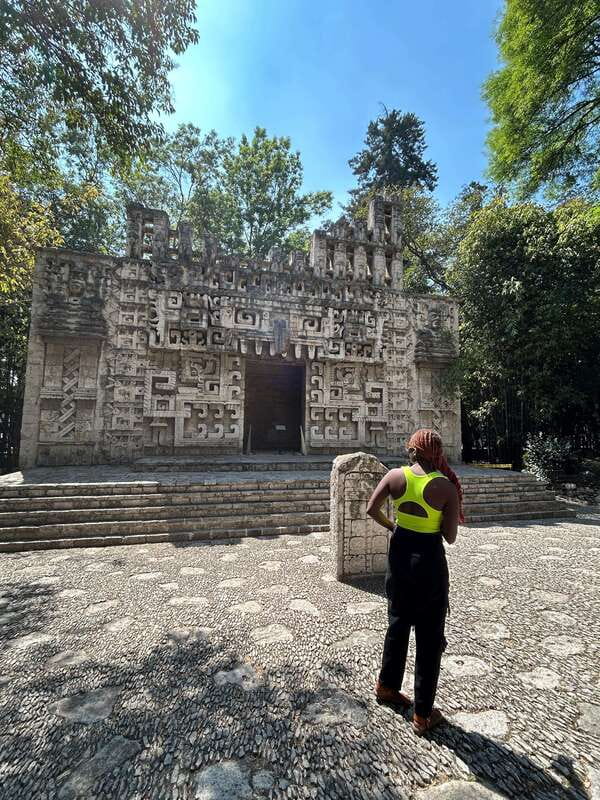
The tour is scheduled for 3 hours total, which is a sweet spot for architecture learning without turning into a half-day slog. You’re not doing marathon walking, and the route is designed to keep you moving between key sights while still giving time to look.
Because you’ll visit multiple museums, the time you spend is more about sustained attention than about distance. Plan to show up ready to stand, look, and ask questions rather than thinking of it as a simple sightseeing stroll.
Small group size—up to 10—also keeps the pace realistic. You’ll have room to regroup and stay engaged instead of being swept along like part of a conveyor belt.
Price and value: what $192 buys you here
At $192 per person for 3 hours, this isn’t a bargain-basement option. But you’re not just paying for a route and a microphone.
Your ticket includes museum admissions for the National Museum of Anthropology, the Tamayo Museum of Contemporary Art, and the Modern Art Museum. You’re also paying for an expert guide with graduate-level training in art history, history, or architecture, plus headsets for clearer audio when groups are larger.
So the question becomes: do you want someone to translate what you’re seeing into meaning? If yes, the price starts to make more sense because museums alone can eat up a chunk of your day and money. If you’d rather self-guide with your own notes and just read placards, then a lower-cost walking alternative might be more comfortable.
One more thing: if you’re very architecture-nerdy and want deep building-tech specifics, you may feel the “history” emphasis more than you expected. It’s worth going in expecting interpretation.
Who this tour is for (and who should skip it)
This tour is a great match if you like architecture with context—especially 1960s–1970s Mexican design tied to identity, politics, and cultural ambition. It’s also ideal if you want a guided route through Chapultepec Park that hits several landmark stops without rushing.
It also fits well if you enjoy art history style commentary. Natalia’s reputation for passion and clear teaching shows up in accounts of tailored explanations and strong local insight, which is exactly what you want when you’re trying to see architecture the way it was meant to be understood.
It may not be your best choice if you’re limited by mobility. The tour is marked wheelchair accessible, but it’s also noted as not suitable for people with mobility impairments, so you should confirm details directly with the provider before booking.
Should you book Mexico City’s 1960s–1970s architecture walk?
Yes—if you want a guided, museum-heavy route that connects architecture to meaning. This tour works especially well for first-time visitors who want to understand why Mexico City’s modern buildings feel the way they do: the blend of indigenous worldview, modernism, and mid-century optimism.
Skip it or ask extra questions first if you’re expecting purely technical architectural analysis or if the idea of museum interiors and interpretation feels like too much history for your taste.
If you’re aiming for the best value of your museum time and you like walking through Chapultepec with an expert teaching your eyes what to notice, this is a solid pick.
FAQ
Where do I meet the guide?
Meet at the Chapultepec Porrua Bookstore in Chapultepec Park, near the ticket booth. The guide waits inside the bookstore with the WALK MEXICO logo.
How long is the tour?
The walking tour lasts 3 hours.
Which museums are included?
Admission is included for the National Museum of Anthropology, the Tamayo Museum of Contemporary Art, and the Modern Art Museum.
What language is the tour guide?
The guide offers live interpretation in Spanish and English.
Does the tour run in bad weather?
The tour runs rain or shine.
What should I bring, and what isn’t allowed?
Bring comfortable shoes, sunscreen, and rain gear. Large bags or luggage aren’t allowed.
Is it accessible for wheelchairs or mobility needs?
It is marked wheelchair accessible, but it is also noted as not suitable for people with mobility impairments. It’s best to confirm specifics with the provider before booking.
Can I cancel or pay later?
You can cancel up to 24 hours in advance for a full refund. You can also reserve now & pay later to keep plans flexible.
More Mexico City Walks





More Tours in Mexico City


More Tour Reviews in Mexico City




Fresh from our Mexico City notebook

Walking Tours, compared.
 ★ 5.0Historic Downtown Walking TourFrom $261,289 reviews
 ★ 4.8Historic Downtown Walking TourFrom $261,039 reviews
 ★ 5.0Frida Kahlo VIP [Museum Tickets Included] Walk, Markets & ChurrosFrom $83982 reviews
 ★ 5.0Walking Tour of the Historic Center of Mexico City870 reviews
 ★ 5.0Anthropology Museum Private Experience Walking TourFrom $78355 reviews
 ★ 5.0Walking Tour in Mexico City for Exploring their Cultural HeritageFrom $25245 reviews
 ★ 5.0Walking Tour – Impressive murals in Historical Center of Mexico CityFrom $51224 reviews
 ★ 5.0Muralist Art Semi Private Walking Tour in Mexico City DowntownFrom $58188 reviews
Browse the lists this tour appears in