
REVIEW · TEQUILA, MEZCAL & PULQUE TASTINGS
Unique cablecar experience, pulque tasting &unbeatable views
A cable ride, a hike, and pulque above CDMX. This tour is interesting because you travel like locals—up and out via the Cablebus—then you earn the views with a short climb and finish with pulque tasting. The main thing to watch is the terrain: there is a short but steep walk, and pulque may not agree with everyone.
What I like most is the mix of modern commuting plus real neighborhood life. You also get a guide who connects the dots—how these hills shape daily routines and why the cable system matters for getting down into town.
Logistically, it’s simple: you meet at Cablebus Indios verdes and the experience returns to the same meeting point. It runs about 2 to 3 hours, and the group stays small (maximum 9), which makes it easier to ask questions and keep the pace comfortable.
In This Review
- Key highlights you will feel right away
- Why the Cablebus trip takes you past the usual Mexico City loop
- Price, timing, and why $35 can feel like a bargain
- Stop 1: Cablebus Indios verdes to the first barrio with prehispanic roots
- Stop 2: Cuautepec streets, early roots, and the energy of steep living
- Stop 3: Tlalnepantla, the last lung reserve, and the viewpoint climb
- Pulque tasting: what to expect and how to make it comfortable
- The hike and steep steps: small effort, big reward
- Food and local stops: simple, useful, and not just a snack break
- Getting the most from your guide in English
- Who should book this tour (and who might want a different plan)
- Should you book this Cablebus and pulque viewpoint experience?
- FAQ
- How long is the tour?
- What does it cost?
- Is the tour offered in English?
- Where does the tour start and end?
- Is there pulque tasting?
- Is there hiking?
- What group size should I expect?
- Is it easy to reach by public transportation?
- What is the cancellation window?
Key highlights you will feel right away
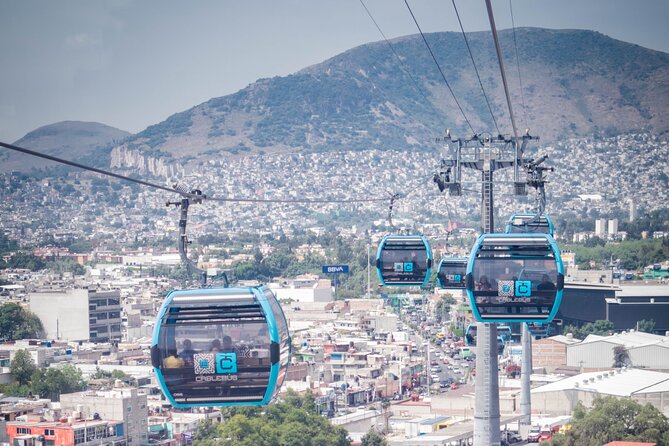
- Cablebus ride that actually functions as local transit
- Mountain neighborhood look, including street art, steep streets, and lots of VW Beetles used as taxis
- Cuautepec history you can see in the layout, including roots reaching back to early cultures
- Tlalnepantla and the natural reserve locals call Mexico City’s last lung
- Pulque tasting at a pulqueria, with a chance to chat with people on site
Another round of mezcal, tequila and pulque
- Lucha Libre Tickets & Tacos & Beer & Mezcal – BEST NIGHT EVER!
★ 5.0 · 1,077 reviews - Lucha Libre Tour and Mezcal Tasting in Mexico City
★ 5.0 · 519 reviews - Mexico City: Tequila and Mezcal Museum Tour with Tasting
★ 4.8 · 301 reviews - A Night of Tacos and Mezcal in Mexico City
★ 5.0 · 262 reviews
Why the Cablebus trip takes you past the usual Mexico City loop
Most Mexico City tours stay in the center, where everything is designed for visitors. This one swaps that for a ride that’s part of everyday life: Cablebus up to hill neighborhoods, then onward toward viewpoints.
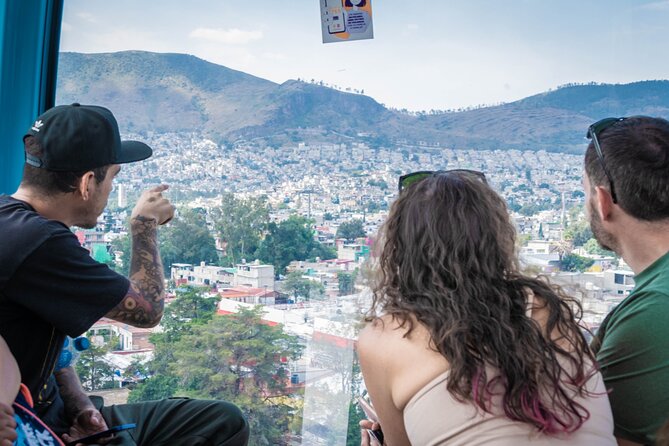
You’ll notice how geography drives culture here. The barrios are built on steep ground, streets climb fast, and houses sit right where the hills allow. From above, you get a clean, realistic sense of how the city spreads across the valley, and how transportation lines cut through the difficulty of the terrain.
One detail I found especially fun is the sense of character in the commute. On the hills, you can see thousands of VW Beetles functioning like taxis, and the whole scene looks both improvised and deeply normal—exactly what you want if you’re trying to understand how locals actually move around.
Price, timing, and why $35 can feel like a bargain
At $35 per person, this tour can be great value because you’re paying for more than a “view stop.” You’re getting guided time, cablecar transit, and a guided transition through multiple barrios, with stops that include admissions/tickets in at least one segment.
Timing matters too. It runs about 2 to 3 hours, so you’re not giving up a full day just to see something special. You get enough time for the Cablebus portion, a neighborhood walk, and the viewpoint climb without it dragging.
Also, the group is capped at 9. That keeps the experience from turning into a crowd shuffle, and it makes it easier for the guide to answer questions during the ride and at the top.
Stop 1: Cablebus Indios verdes to the first barrio with prehispanic roots
You start at Cablebus Indios verdes, at Residencial Zacatenco in Gustavo A. Madero. The first leg is about 45 minutes, and the admission ticket is included for this segment.
This part sets the tone. You ride the cable bus out toward a popular barrio outside the city limits, a place connected to prehispanic items and early history. Even if you don’t know the timelines, you’ll feel it in the setting—how the neighborhoods spread across the hills and how daily life looks from above.
Expect a view-heavy experience right from the start. You’ll look down on colorful areas, street art, and that famous Beetle taxi vibe. And because the Cablebus system feels bigger than many people expect, it’s also a practical break from walking in the center.
Practical tip: this is when you should ask your guide about what you’re seeing below. The best photos often come when you understand what each hillside neighborhood is doing and why it looks the way it does.
More of the city seen from the cablebus
- Fly over to the Unexplored Parts of CDMX by Cable Car★ 5.0 · 168 reviews
- Iztapalapa: Cable Car Tour and Urban Art From the Heights★ 4.9 · 124 reviews
- Mexico City: City Highlights Cable Car Ride w/ Taco & Tour★ 4.9 · 44 reviews
- Unique cablecar experience, pulque tasting &unbeatable views★ 5.0 · 44 reviews
- Discover Reforma & Chapultepec Park: Cable Car & Ferris Wheel★ 5.0 · 15 reviews
Stop 2: Cuautepec streets, early roots, and the energy of steep living
Next you head to Cuautepec for about 45 minutes. Entry here is free, and the focus is on the neighborhood itself—how it feels in motion.
Cuautepec has history reaching back to around 2000 B.C., with early cultures such as Chichimecas and Toltecs associated with settlement in these lands. Even without a museum stop, the tour approach matters: you see how homes and streets adapt to challenging conditions on steep hills. That’s the kind of “history” that sticks, because it’s tied to physical reality.
This stop is a good chance to observe small details you’d miss on your own. How people move along the slope. How the built environment compresses space. How the daily rhythm looks in a neighborhood that’s not centered on tourist foot traffic.
One consideration: sidewalks and paths can be uneven and steep, so comfortable shoes help a lot. If you plan to take photos, bring your patience—some angles require careful steps, not just standing still.
Stop 3: Tlalnepantla, the last lung reserve, and the viewpoint climb
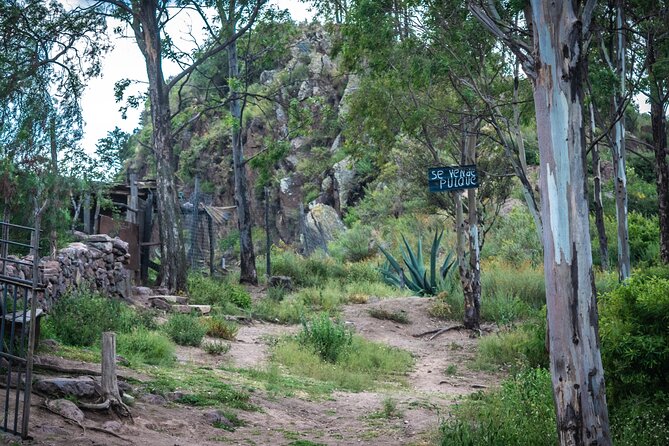
From Cuautepec, you’ll go up by cab toward the highest part, then spend about 30 minutes at Tlalnepantla. This area links to a natural reserve known as Mexico City’s last lung, which is a great description for what you’ll experience when the city noise drops and the air feels different.
The payoff is the views. From high points, you get a wide look over the valley and beyond, including how the city stretches into the surrounding region. It’s the kind of perspective that makes the Cablebus ride feel like more than a novelty.
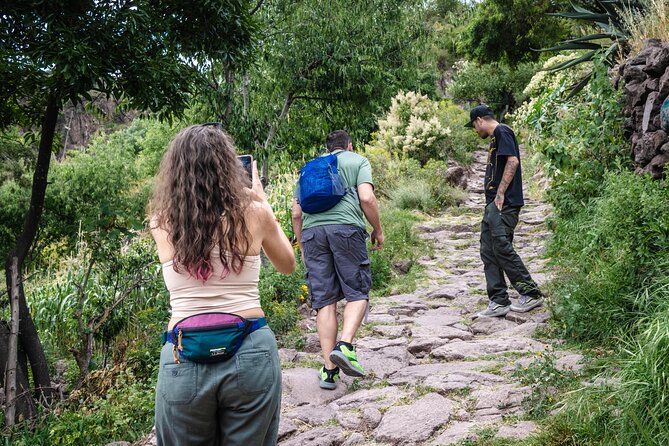
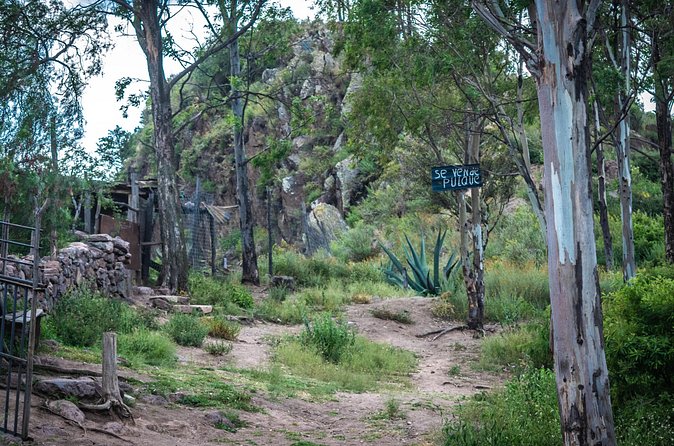
After reaching the highest area, many versions of this outing include a short walk/hike to the top for the best scenery. Reviews describe it as steep and rocky in places, so plan like it’s a light hike, not an easy stroll. You’ll also be near a pulqueria stop, so this is where the day turns into flavor and conversation.
Pulque tasting: what to expect and how to make it comfortable
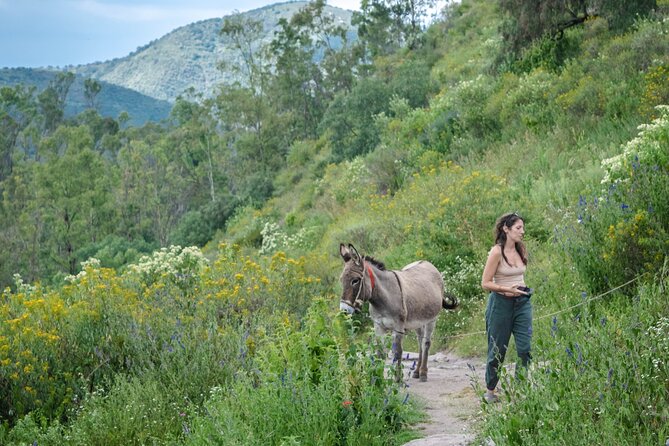
Pulque tasting is one of the standout reasons to book this tour. You’ll stop at a pulqueria at the top area and try pulque made locally, with people on site who are more than happy to talk.
What I like about this part is that it isn’t presented as a show. You’re tasting something local in the place where it’s part of everyday social time. That changes the vibe: it’s less about checking off a drink and more about understanding a tradition.
A practical note, though: pulque is alcohol-based for many people’s experience, and one guest reported feeling sick a few hours after the tour. If you’re sensitive to strong drinks or alcohol in general, you can protect your comfort by going slowly, drinking a small portion, and keeping water handy.
And if you’re not sure you’ll enjoy it, ask your guide what’s the safest approach for you. The guide’s job is to get the experience right, not push you.
The hike and steep steps: small effort, big reward
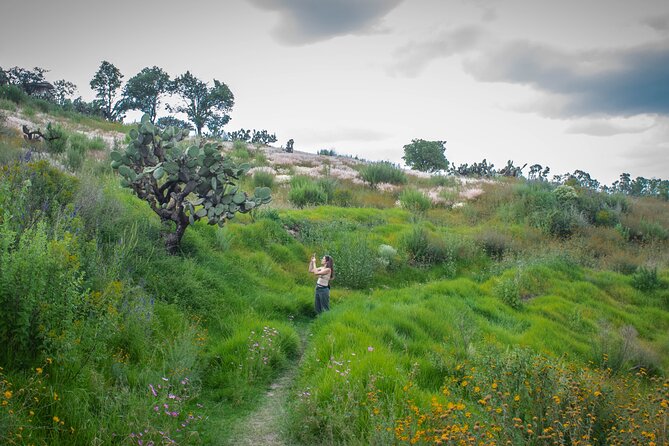
This tour earns its views with a short hike. It’s not long, but it can be steep and uneven, so you’ll want shoes with grip and a bit of cushioning.
I’d also pack sunscreen. Even when you’re in the mountains, you’re still in a big city climate zone and the sun can hit hard during midday. A light layer helps too if the top feels cooler than the streets below.
The good news: guides handle the day flexibly if someone doesn’t want the climb. One family chose not to hike all the way up, and the guide adjusted the plan so they still got a meaningful experience in the area. So if you have limits, don’t pretend you don’t.
Food and local stops: simple, useful, and not just a snack break
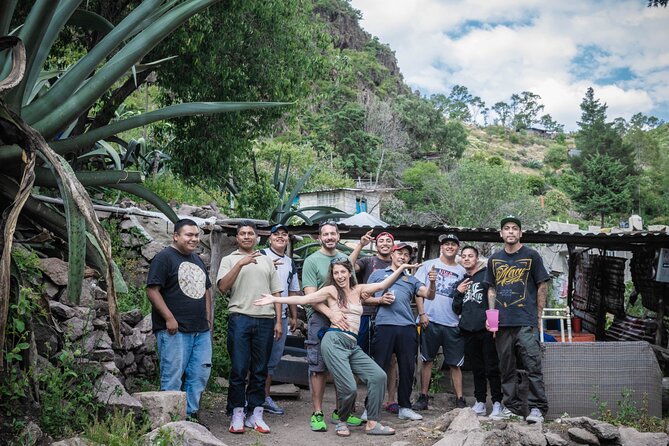
While the core flow is Cablebus → barrios → viewpoint → pulque tasting, some itineraries include extra local time for food and small market moments near the neighborhoods. One account mentions a church and market stop, plus an opportunity to buy candy and food.
Another common add-on is a simple lunch prepared by a local family, described as a nice finishing touch. Reviews also mention churros from a street vendor in the mix.
Keep your expectations grounded: this isn’t a fancy restaurant day. It’s a chance to eat like the area does, not like an itinerary does.
Getting the most from your guide in English
The tour is offered in English, and small group size helps a lot. In past experiences, guides such as Erick (and occasionally others like Alex or Marcos) have been described as friendly, attentive, and able to explain how transportation and neighborhood development connect.
Here’s how to make this work for you:
- Ask questions during the Cablebus ride, when the guide can point things out from above.
- Use the neighborhood stops to ask what families here focus on day to day.
- When you reach the pulqueria, ask about the drink and what locals like about it.
This is where the tour becomes more than transit. You start seeing patterns, not just scenes.
Who should book this tour (and who might want a different plan)
This is a strong fit for you if:
- You want an off-the-grid side of Mexico City, not just the famous center.
- You like transit experiences that feel real, not staged.
- You enjoy viewpoints, and you’re comfortable with a short climb on uneven ground.
- You want pulque tasting tied to local place, not just a pour.
You might want to choose something else if:
- Steep, rocky walking is a hard no for you.
- Alcohol tasting sounds unpleasant, and you dislike that kind of stop.
- You want an easy, stroller-style outing with zero climb.
Should you book this Cablebus and pulque viewpoint experience?
I think you should book it if you want Mexico City through the lens of hillside neighborhoods—how people commute, how streets work on steep ground, and how the valley looks from higher points. The Cablebus element plus the pulque tasting is a rare combo for the price, and the small group size helps keep it personal without feeling like a private tour.
If you’re on the fence, decide based on two things: your comfort with short steep walking, and your openness to tasting pulque. If those are both a yes, this is one of the most memorable, practical ways to see a side of CDMX that most visitors miss.
FAQ
How long is the tour?
It runs about 2 to 3 hours.
What does it cost?
The price is $35.00 per person.
Is the tour offered in English?
Yes, it is offered in English.
Where does the tour start and end?
It starts at Cablebus Indios verdes (Residencial Zacatenco, Gustavo A. Madero, 07369 Ciudad de México, CDMX) and ends back at the same meeting point.
Is there pulque tasting?
Yes. You’ll have a pulque tasting stop at a pulqueria during the experience.
Is there hiking?
There is a short but steep hike/walk as part of reaching the mountain viewpoint area.
What group size should I expect?
The tour has a maximum of 9 travelers.
Is it easy to reach by public transportation?
Yes. The meeting point is near public transportation.
What is the cancellation window?
Free cancellation is available up to 24 hours in advance of the experience for a full refund. Canceling within 24 hours does not get refunded.
More Tour Reviews in Mexico City
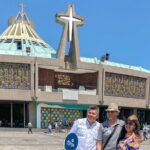


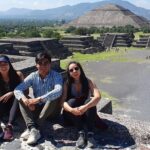

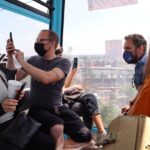
Mexico City from the Cablebus



Mexico City by the Glass: Agave Nights





Fresh from our Mexico City notebook


Tequila, Mezcal & Pulque Tastings, compared.
 ★ 5.0Lucha Libre Tickets & Tacos & Beer & Mezcal – BEST NIGHT EVER!From $841,077 reviews
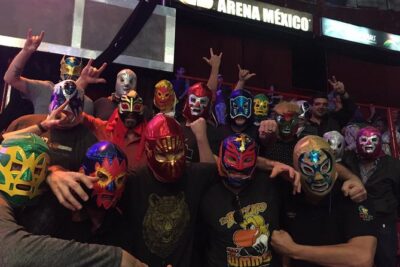 ★ 5.0Lucha Libre Tour and Mezcal Tasting in Mexico CityFrom $134519 reviews
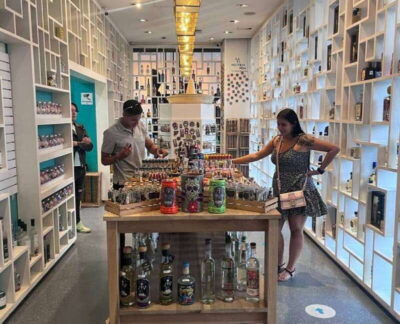 ★ 4.8Tequila and Mezcal Museum Tour with TastingFrom $40301 reviews
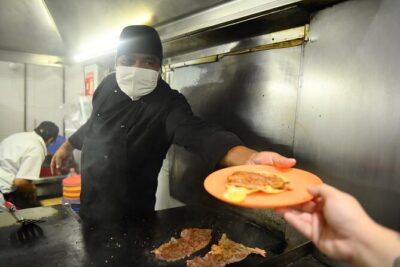 ★ 5.0A Night of Tacos and Mezcal in Mexico CityFrom $135262 reviews
 ★ 4.9Xochimilco: Tequila tasting (unlimited) and cultural party on a boatFrom $42259 reviews
 ★ 5.0Narvarte At Night: Tacos, Chelas & MezcalFrom $143216 reviews
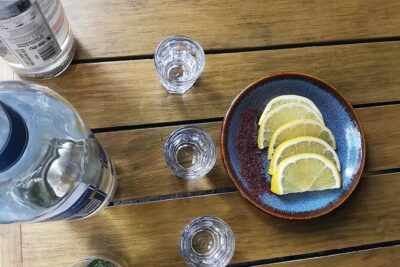 ★ 5.03-Hour Night Tacos and Mezcal Crawl in Mexico with GuideFrom $95195 reviews
 ★ 5.0Xochimilco All Inclusive Experience Tequila and Mezcal with CultureFrom $47193 reviews
Browse the lists this tour appears in