
REVIEW · MURALS & STREET ART TOURS
UNAM: Murals & Revolution
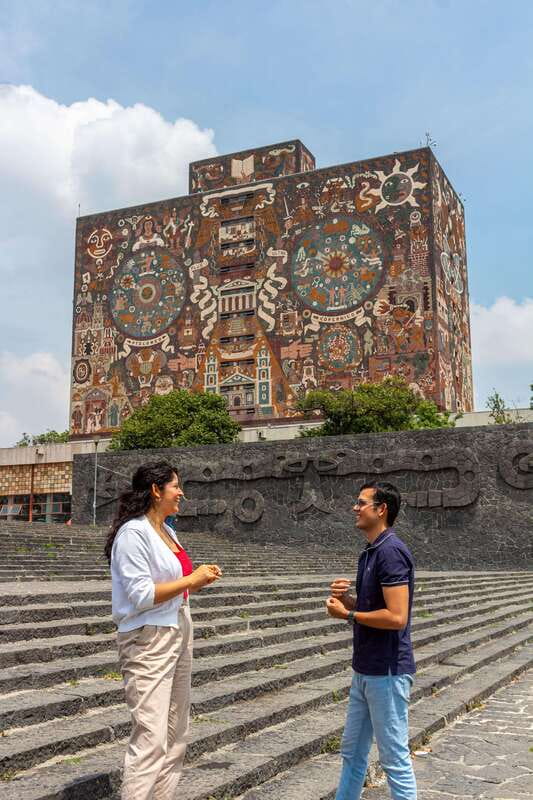
Art and politics share the same walls. On this UNAM murals tour, you get a focused look at major works across campus—built around the big themes of education, protest, and what the university means in modern Mexico—starting at the Rectoría in front of a UNESCO commemorative plaque.
I love the way the guide (Jose or Jesus, depending on the day) keeps the conversation practical and answers your questions clearly. The one thing to consider is that it’s a 2-hour walking circuit on a large campus, and some content may be presented in its original language.
In This Review
- Key things you should know
- UNAM murals: why public art and protest belong together
- Meeting at the Rectoría: finding the guide and getting your bearings fast
- UNAM Central Library for 30 minutes: your theme-setting stop
- The 1-hour mural walk: Siqueiros, O’Gorman, Chávez Morado, and Eppens
- Education, student revolts, and the university’s role in modern Mexico
- Estadio Olímpico Universitario: Diego Rivera’s family, university, and sport mural
- Price and value: is $52 for 2 hours worth it?
- Guide quality: why the best part is the conversation
- Language and pacing: how to avoid frustration
- Who this tour suits best
- Should you book UNAM: Murals & Revolution?
- FAQ
- How long is the UNAM: Murals & Revolution tour?
- Where do I meet, and how do I find the guide?
- What stops and murals are included?
- How much does it cost?
- What languages is the tour offered in?
- Can I cancel for a refund?
Key things you should know
- UNESCO plaque starting point: You begin right at the Rectoría, by the campus marker tied to UNESCO heritage.
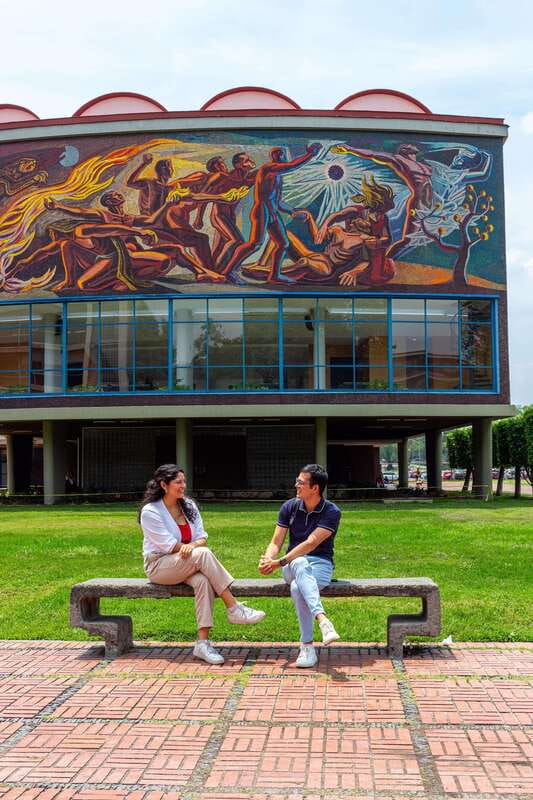
- Four mural stops in the campus core: Siqueiros, O’Gorman, Chávez Morado, and Eppens are covered as you walk.
- History told in a walk, not a lecture: The guide connects the murals to the origins of education and to student revolts.
- UNAM Central Library as your “orientation” stop: You get a 30-minute guided introduction before the deeper mural work.
- Diego Rivera in the stadium: The tour ends at Estadio Olímpico Universitario for La universidad, la familia y el deporte en México.
- Multilingual live guide: The tour runs with interpretation in Spanish, English, German, Italian, and Portuguese.
More walls: further into the muralists
- CDMX: Xochimilco, Coyoacan, Frida Kahlo Museum & Murals Tour
★ 4.4 · 3,025 reviews - Mexico City; ART NACO : Murals & Street Art Bike Tour
★ 5.0 · 284 reviews - EXCLUSIVE TOUR Casa Estudio Frida Kahlo-Diego Rivera Small Groups
★ 5.0 · 237 reviews - Walking Tour – Impressive murals in Historical Center of Mexico City
★ 5.0 · 224 reviews
UNAM murals: why public art and protest belong together
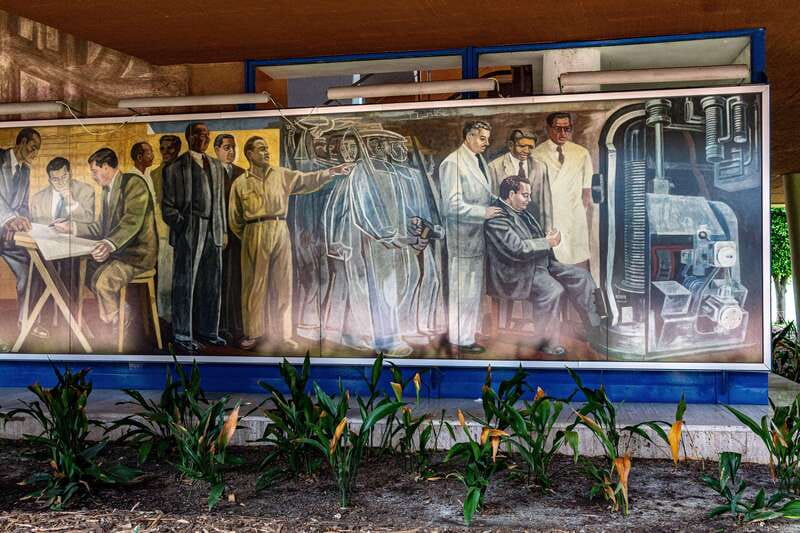
UNAM is one of those places where art is not just decoration. On this tour, you’ll see murals as a way to talk to the public about power, learning, and social change. The format helps: you don’t stand in one spot and listen for two hours. You move through campus, and the stories travel with you.
I like that the tour keeps the conversation grounded. It’s not only about who painted what. You also get guided analysis tied to the genesis of education in Mexico, the reality of student revolts, and why a university matters far beyond classrooms.
If your interest is “how did Mexico get from there to here,” this tour gives you a route you can follow. You’ll leave with a sense of what these murals are trying to say, and how UNAM fits into that message.
Meeting at the Rectoría: finding the guide and getting your bearings fast
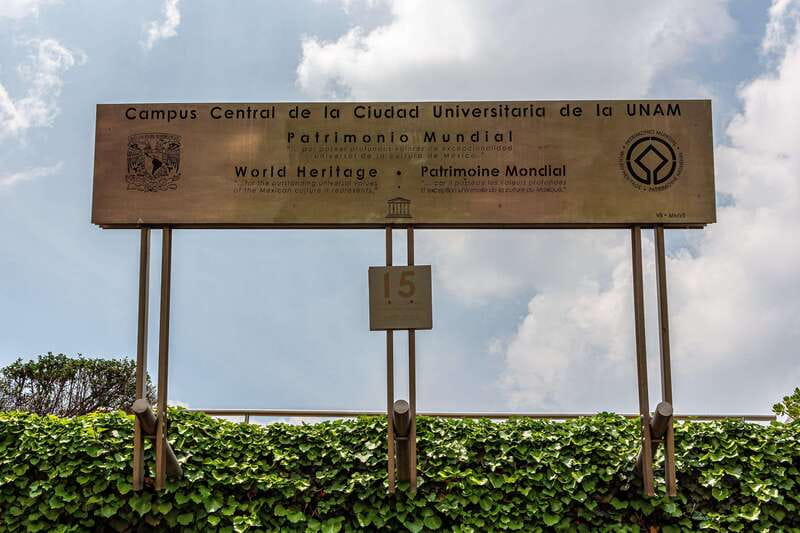
You meet at the Rectoría de la UNAM, right in front of the UNESCO commemorative plaque. It’s a strong start point because it signals that you’re not just touring buildings—you’re entering a meaningful cultural and educational space.
The guide carries a small Mexican flag. It’s a simple detail, but it saves time when you’re looking for your group at a busy campus entrance.
Practical tip: wear shoes you’d walk several blocks in. You’ll be on your feet for the whole experience, and campus paths can feel longer than they look from a map.
UNAM Central Library for 30 minutes: your theme-setting stop
The first major stop is the UNAM Central Library, with a guided segment of about 30 minutes. This is a smart pace choice. You’re not thrown into mural details immediately. Instead, you get the starting point—how to look, what questions to keep in mind, and how the themes link together.
Think of it like the tour’s on-ramp. The guide helps you connect what you’re about to see with bigger ideas: education, institutions, and the kind of cultural messaging that becomes public memory.
What to watch for here: don’t treat this stop as a “quick photo moment.” If you listen closely, it changes how the murals land later on. The themes start making sense before you even get to the main mural wall segments.
- Teotihuacan, Guadalupe Shrine & Tlatelolco Day Tour with Lunch★ 5.0 · 11,603 reviews
- Xochimilco, Coyoacan and Frida Kahlo with Optional Lunch★ 4.5 · 7,320 reviews
- Balloon flight + Breakfast in cave + Pyramids + Pick up CDMX.★ 5.0 · 6,335 reviews
- Teotihuacan pyramids morning or afternoon without tourist traps★ 5.0 · 6,186 reviews
- Teotihuacan Early Access Guided Tour with optional Lunch★ 4.5 · 6,138 reviews
The 1-hour mural walk: Siqueiros, O’Gorman, Chávez Morado, and Eppens
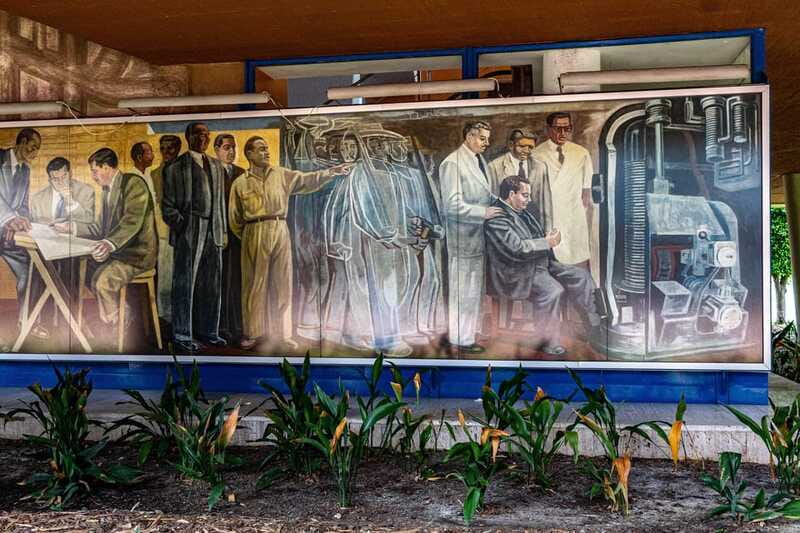
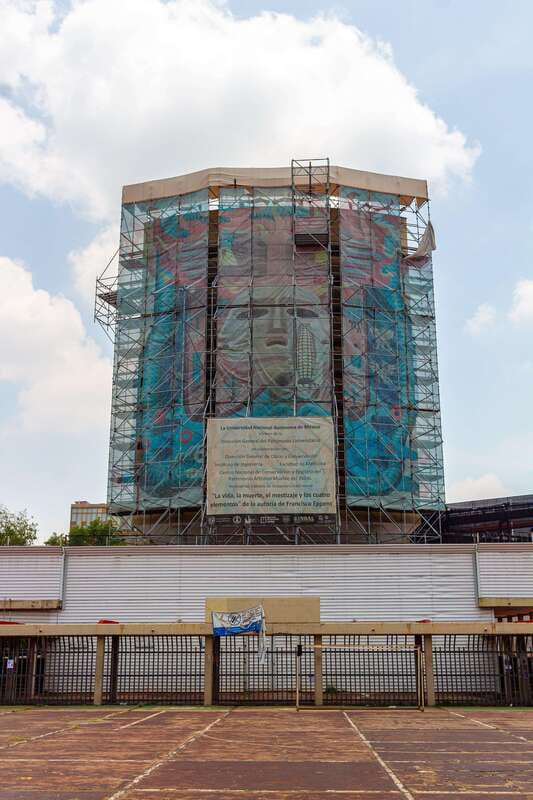
After the library introduction, you get about an hour of guided work as you analyze murals across the campus. The roster is the heart of the tour: Siqueiros, O’Gorman, Chávez Morado, and Eppens.
This is where the tour earns its name, because it’s not only a checklist of famous artists. The guide helps you interpret what the murals communicate by tying them to the broader story the tour is following: the genesis of education in the country, the role of student revolts, and the value of the university in today’s Mexico.
I like this approach because it prevents mural fatigue. If you’ve done art tours before, you know the trap: you see a lot of walls, then you forget what each one was saying. Here, the guide’s framework gives you something to carry from stop to stop. You can make comparisons instead of collecting random impressions.
A small note from the format: some content is shown in its original language. If you’re taking the tour in English, German, Italian, or Portuguese, you’re still in good shape because it’s a live multilingual guide. Just be ready for occasional original-language moments as part of the mural discussion.
Education, student revolts, and the university’s role in modern Mexico
One of the best parts of this tour is how the guide connects art to institutions. UNAM isn’t being presented like a quiet, neutral academic campus. It’s shown as an engine of education that has also intersected with conflict, activism, and public debate—especially through student energy.
You’ll hear about the genesis of education in Mexico and how that story connects to what these murals are designed to communicate. Then you move to student revolts, which turns the tour from “art appreciation” into “how society talks back.”
This matters for you if you want your trip to feel real. Murals like these are often shaped by historical pressure, and the tour makes sure you understand why that pressure matters. You’ll start seeing the murals less like masterpieces behind glass and more like public messages placed in an everyday setting.
If you’re a first-time visitor to Mexico City, this also helps you interpret the city’s rhythm. You’ll notice how often Mexican culture uses strong visual language to argue, educate, and remember.
Estadio Olímpico Universitario: Diego Rivera’s family, university, and sport mural
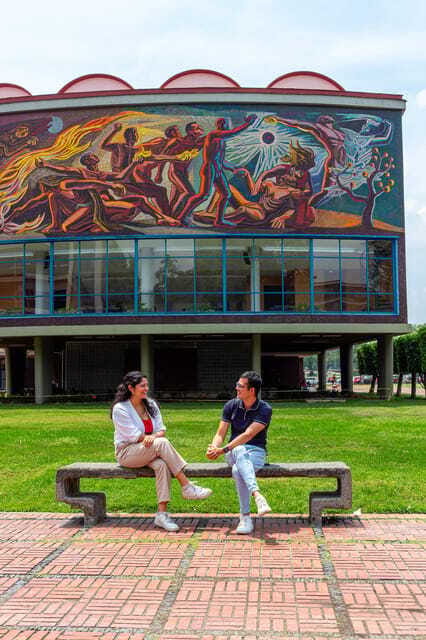
The final stop is the Estadio Olímpico Universitario, with a guided segment of about 30 minutes. This is the payoff for people who want a big name and a big theme tied to UNAM’s identity.
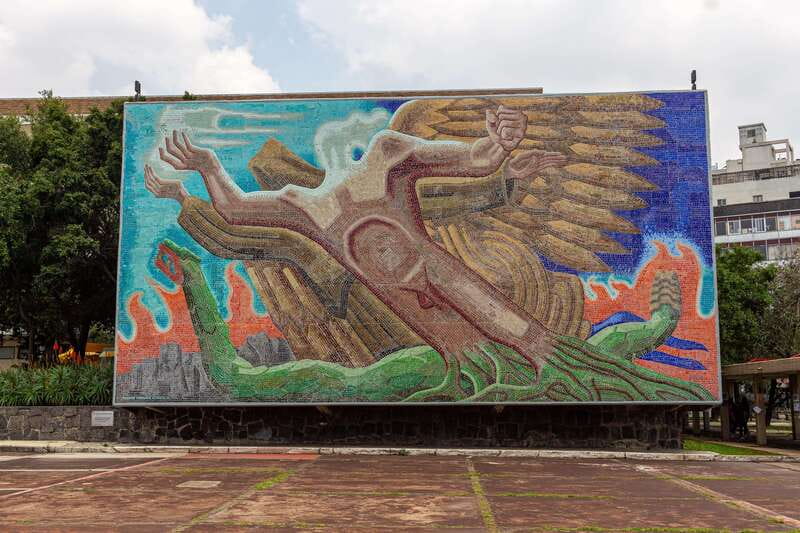
You’ll view the mural La universidad, la familia y el deporte en México by Diego Rivera. Even before the guide explains details, the title alone tells you the idea: the university is not only for students. It sits inside family life and the broader world of sport and public space.
Why this last stop works: it shifts the message from protest and education into something more social and everyday. You’re reminded that universities live inside communities, and the murals are part of that public conversation.
Also, finishing at the stadium gives your brain a clean reset. You move from mural reading to a more open, architectural feel—then you head back to the Rectoría.
Price and value: is $52 for 2 hours worth it?
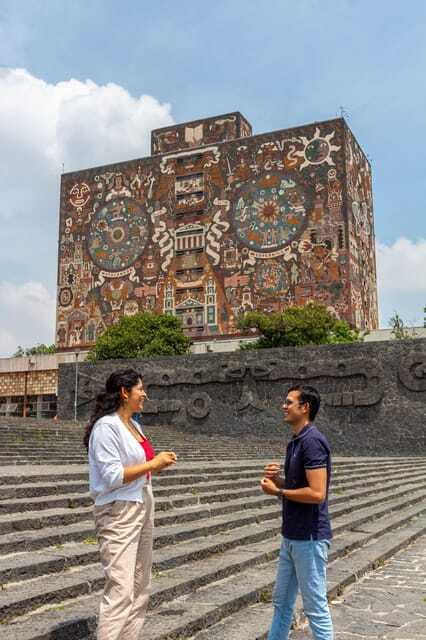
At $52 per person for about 2 hours, you’re paying for more than a walk across campus. You’re paying for interpretation. The entire tour is structured around guided analysis: the library intro, the mural commentary across multiple artists, and the last mural stop at the stadium.
That’s the value equation I’d use:
- If you go on your own, you’ll see famous artwork, but you may miss the connections between education, student unrest, and the university’s continuing significance.
- With a guide, you get a ready-made framework that helps you compare murals and understand what they’re pushing you to think about.
This is one of those experiences where the guide quality can make or break the trip. The feedback on guides like Jose and Jesus emphasizes clear explanations and an ability to interact, which is exactly what you want for mural tours.
For $52, you’re not buying access to a special room or a private collection. You’re buying meaning. And in this case, the meaning is the whole point.
Guide quality: why the best part is the conversation
The reviews you’ll read for this tour keep pointing to a consistent theme: the guides make the material feel approachable. Jose and Jesus are specifically mentioned for being personable, engaging, and good at answering questions clearly.
That matters, because mural tours are only as good as the way the guide handles your confusion. If you don’t know what you’re looking at, you need someone who can explain without talking down to you. Based on the way the tour is described, that’s what you’ll get: a guided flow that mixes analysis with Q-and-A.
If you speak one of the supported languages—Spanish, English, German, Italian, or Portuguese—this also means you can ask follow-up questions and get straight answers instead of guessing.
Language and pacing: how to avoid frustration
The tour is live and multilingual. You can expect the guide to work in Spanish, English, German, Italian, or Portuguese. Still, some content is shown in its original language.
So here’s your realistic prep:
- If you’re taking it in a language other than Spanish, don’t worry—you have interpretation.
- Do be patient if the guide references mural text or context in its original form for accuracy.
Pacing-wise, you should plan to be mentally active the whole time. Two hours is long enough to cover multiple mural sites and still finish at the stadium, but it’s not so long that you’ll have time for endless detours.
Bring one goal: learn how to read murals as arguments about education and society. If you show up with that goal, the tour feels tight and satisfying.
Who this tour suits best
This works especially well if you:
- enjoy art that has a political or social message
- want context for Mexican education and student activism
- like guided walking tours where you stop, analyze, and move on
It may be less ideal if you:
- prefer long museum time at a slower rhythm
- dislike walking across campus in a short window
Should you book UNAM: Murals & Revolution?
If you want an art tour with purpose, I’d book it. It’s focused on major mural artists, but it doesn’t stop at names. It builds a story around education, student revolts, and the university’s place in Mexico today, then seals it with Diego Rivera at the stadium.
Two things push this into the “yes” column for me: the short, efficient 2-hour structure and the emphasis on interactive, question-friendly guiding (including Jose and Jesus as highlighted examples). You’ll leave understanding the murals as part of a bigger conversation, not just as impressive walls.
FAQ
How long is the UNAM: Murals & Revolution tour?
The tour lasts 2 hours.
Where do I meet, and how do I find the guide?
You meet at the Rectoría de la UNAM, in front of the UNESCO commemorative plaque. The guide will have a small Mexican flag.
What stops and murals are included?
You visit the UNAM Central Library, then you explore murals by Siqueiros, O’Gorman, Chávez Morado, and Eppens. You also visit Estadio Olímpico Universitario to see La universidad, la familia y el deporte en México by Diego Rivera.
How much does it cost?
The price is $52 per person.
What languages is the tour offered in?
The live guide is available in Spanish, English, German, Italian, and Portuguese.
Can I cancel for a refund?
Yes. Free cancellation is available up to 24 hours in advance for a full refund.
More Tour Reviews in Mexico City



The Walls of Mexico City: More Mural Walks


Fresh from our Mexico City notebook

Murals & Street Art Tours, compared.
 ★ 4.4Xochimilco, Coyoacan, Frida Kahlo Museum & Murals TourFrom $893,025 reviews
 ★ 5.0Mexico City; ART NACO : Murals & Street Art Bike TourFrom $60284 reviews
 ★ 5.0EXCLUSIVE TOUR Casa Estudio Frida Kahlo-Diego Rivera Small GroupsFrom $50237 reviews
 ★ 5.0Walking Tour – Impressive murals in Historical Center of Mexico CityFrom $51224 reviews
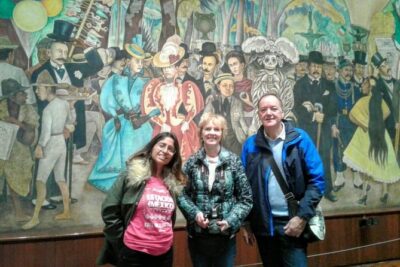 ★ 4.5La Catrina & Muralism: Diego Rivera’s Legacy & Frida KahloFrom $66197 reviews
 ★ 5.0Muralist Art Semi Private Walking Tour in Mexico City DowntownFrom $58188 reviews
★ 4.7Art Naco, murals & street art bike tourFrom $52166 reviews
★ 5.0Muralist Art Semi Private Walking Tour in Mexico City DowntownFrom $58188 reviews
★ 4.7Art Naco, murals & street art bike tourFrom $52166 reviews
 ★ 4.9Iztapalapa: Cable Car Tour and Urban Art From the HeightsFrom $24124 reviews
Browse the lists this tour appears in