
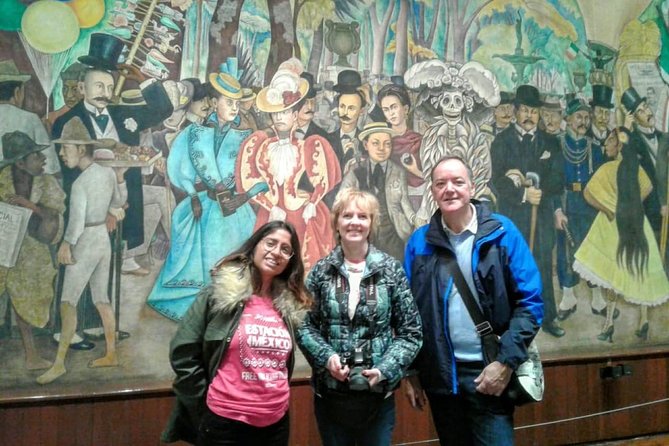
REVIEW · FRIDA KAHLO & COYOACAN TOURS
La Catrina & Muralism: Diego Rivera’s Legacy & Frida Kahlo
Murals tell the story of Mexico fast, and this walk links Diego Rivera to La Catrina. I love how the guide gives context, not just facts, so each wall makes emotional sense. I also like the small-group pace that keeps questions on the menu. The one drawback: expect lots of standing and walking, with no built-in break for water or snacks mentioned.
You’ll spend about 2 hours 30 minutes moving between key mural sites, starting at the Former Colegio de San Ildefonso and ending near Palacio de Bellas Artes. Museum admission is included, and you’ll use public transportation between stops, which keeps the day simple and affordable. Guides working in English run this as a one-language tour, so you’re not constantly switching gears.
If you’re choosing between a quick photo stop and real art history, this is the second option. I’ve seen guides bring serious enthusiasm, including Ady, Sofia, Ulysses, Warrior (Wariyor), and David, each with their own way of telling the story.
In This Review
- Key Things to Notice on This La Catrina & Muralism Tour
- Why Mexican Muralism Still Works for Today
- Stop 1: San Ildefonso and the Rivera–Kahlo Love Story
- Stop 2: Museo Vivo del Muralismo Courtyards and Levels
- Stop 3: Museo Mural Diego Rivera and La Catrina’s Message
- Stop 4: Palacio de Bellas Artes and Rivera’s Controversial U.S. Mural
- Group Size, Walking Pace, and Timing That Actually Matter
- Cost and Value: What You’re Really Paying For
- What Makes the Guides Here Special
- If You Like This Tour, You’ll Likely Like These Follow-Ups
- Who Should Book La Catrina & Muralism
- Should You Book This Tour?
- FAQ
- How long is the tour?
- Is this tour offered in English?
- What is the group size limit?
- Are museum tickets included?
- Is transportation included?
- Where does the tour start and end?
- Is food and drinks included?
- Do I need to print a ticket?
- Can I get a full refund if I cancel?
Key Things to Notice on This La Catrina & Muralism Tour
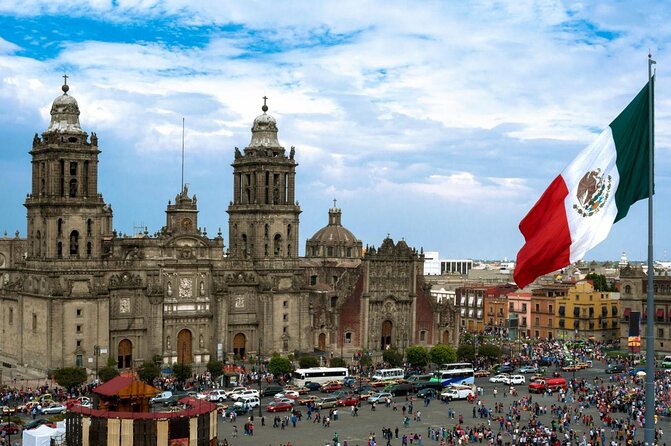
- San Ildefonso sets the emotional scene with Diego Rivera and Frida Kahlo’s love story tied to the building.
- Museo Vivo del Muralismo uses courtyards and multiple levels, so you get more than one angle on muralism.
- You’ll focus on Día de Muertos symbolism through La Catrina at the Museo Mural Diego Rivera.
- Palacio de Bellas Artes is an art-history finish line, with Rivera’s controversial U.S. mural kept for visitors.
- Max 12 people means you can actually ask questions and hear the connections, not just listen at a distance.
Still in Coyoacan? More time around Casa Azul
- Xochimilco, Coyoacan and Frida Kahlo with Optional Lunch
★ 4.5 · 7,320 reviews - CDMX: Xochimilco, Coyoacan, Frida Kahlo Museum & Murals Tour
★ 4.4 · 3,025 reviews - Frida Kahlo VIP [Museum Tickets Included] Bike, Markets & Churros
★ 5.0 · 1,072 reviews - Frida Kahlo VIP [Museum Tickets Included] Walk, Markets & Churros
★ 5.0 · 982 reviews
Why Mexican Muralism Still Works for Today
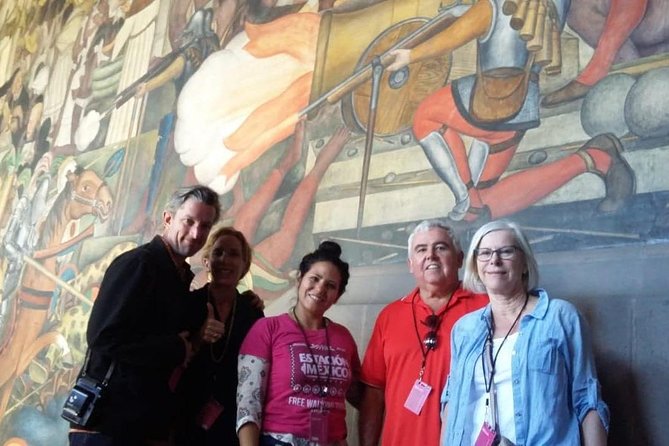
Mexican muralism isn’t just wall art. It’s public storytelling, made for regular people walking by in everyday life. And that’s why this kind of tour is so satisfying: the murals are designed to be read like history, politics, and identity all at once.
This tour’s theme is a smart entry point. Instead of trying to cover every muralist in Mexico City, you follow one line: Diego Rivera’s legacy, the Rivera–Kahlo connection, and the meaning of La Catrina and Día de Muertos imagery. That makes the murals easier to understand on your first visit, even if you don’t know the movement yet.
Stop 1: San Ildefonso and the Rivera–Kahlo Love Story
The day kicks off at the Former College of San Ildefonso, at Justo Sierra 16 in the Centro Histórico. The opening focus is brief but loaded: Diego Rivera’s life, plus how this venue connects to the birth of the Rivera–Kahlo love story. That doesn’t feel like trivia. It’s a cue for how to look at the art later—what emotions and relationships shaped the work.
San Ildefonso matters because it’s a place with layers. You’re not just entering a museum room; you’re stepping into a landmark setting that helped frame the story of two of Mexico’s most iconic artists. When the guide links the building’s history to the artists’ story, the murals you see later aren’t random. They become a continuation.
What I’d look for: when the guide mentions Rivera’s direction and Kahlo’s role in the story, pay attention to how symbols later connect to identity, love, and survival. This is where the tour starts teaching you how to read.
Stop 2: Museo Vivo del Muralismo Courtyards and Levels
Next comes Museo Vivo del Muralismo, a site arranged with two courtyards and three levels. That layout is a gift for your attention span. You can shift your viewpoint as you go, and the guide can point out how muralism changes depending on where you’re standing.
This stop is also about pace. You get about 35 minutes here, which is long enough to actually see murals at close range and not just rush through like you’re speed-walking between landmarks. If you’re someone who likes asking questions, this is usually where the conversation starts to get real—how political art gets translated into public visuals, and why artists used public spaces to reach people.
A practical note: museums can be slightly warm, and you’ll likely spend a lot of time looking upward and across walls. If you get eye fatigue, bring a little water and take your time when the guide pauses.
More walls: further into the muralists
- Mexico City; ART NACO : Murals & Street Art Bike Tour★ 5.0 · 284 reviews
- EXCLUSIVE TOUR Casa Estudio Frida Kahlo-Diego Rivera Small Groups★ 5.0 · 237 reviews
- Walking Tour – Impressive murals in Historical Center of Mexico City★ 5.0 · 224 reviews
- La Catrina & Muralism: Diego Rivera’s Legacy & Frida Kahlo★ 4.5 · 197 reviews
- Muralist Art Semi Private Walking Tour in Mexico City Downtown★ 5.0 · 188 reviews
Stop 3: Museo Mural Diego Rivera and La Catrina’s Message
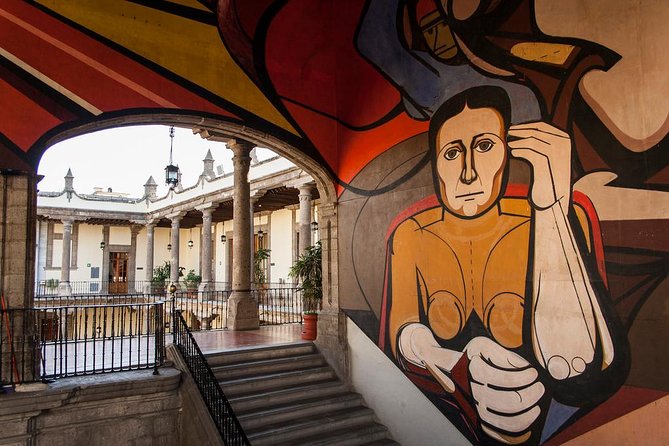
The third stop is Museo Mural Diego Rivera, where you’ll see one of the most famous and representative works of Mexican muralism. The tour’s theme comes into focus here through the fusion of Día de Muertos feeling with La Catrina imagery.
La Catrina can look like decoration at first glance—stylized skeleton fashion, memorable and theatrical. But when the guide explains how that character fits into Mexican culture, the wall becomes a statement. Día de Muertos isn’t only about celebration. In mural art, it can also carry messages about mortality, memory, social truth, and what people endured.
This stop is about 30 minutes, so you’ll want to slow down once you arrive. The guide will likely point to figures, composition, and symbolism rather than just naming the artist. That’s the whole point of paying for a guided walk: context turns a scene into meaning.
Who this stop hits hardest: anyone drawn to art that mixes beauty with message—especially if you like thinking about how culture shows up in political and social storytelling.
Stop 4: Palacio de Bellas Artes and Rivera’s Controversial U.S. Mural
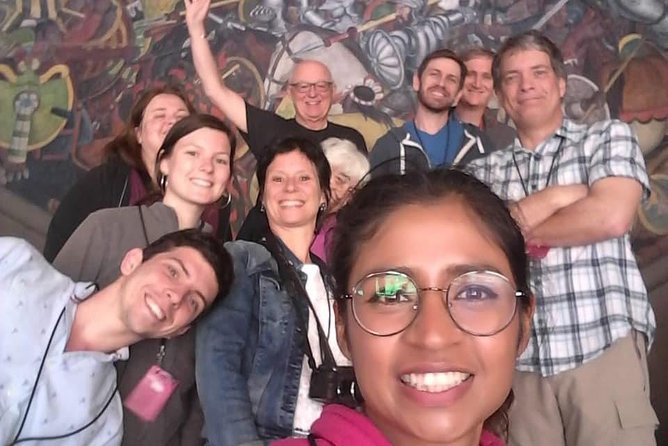
The tour ends at Palacio de Bellas Artes, near Av. Juárez (Av. Juarez S/N), Centro Histórico. This is a perfect finale because it brings the mural story back to a major cultural stage—grand architecture, high visibility, and an audience built in.
Here’s the key detail: Palacio de Bellas Artes is home to one of Rivera’s most controversial murals created in the United States, preserved so you can see it. That matters because it shows how Rivera’s work traveled beyond Mexico and how murals could stir debate far from their origin.
You’re getting closure on the tour’s promise: Rivera’s legacy, interpreted through Mexican muralism themes, ending at a landmark that makes the controversy hard to ignore. Even if you aren’t a hardcore art student, it’s a strong way to end—final location with serious cultural weight.
After the tour: the guide shares tips on what to do in the area and where to eat. Since you’ll already be in the Centro Histórico and near the Palace, it’s easy to keep the day going.
Group Size, Walking Pace, and Timing That Actually Matter
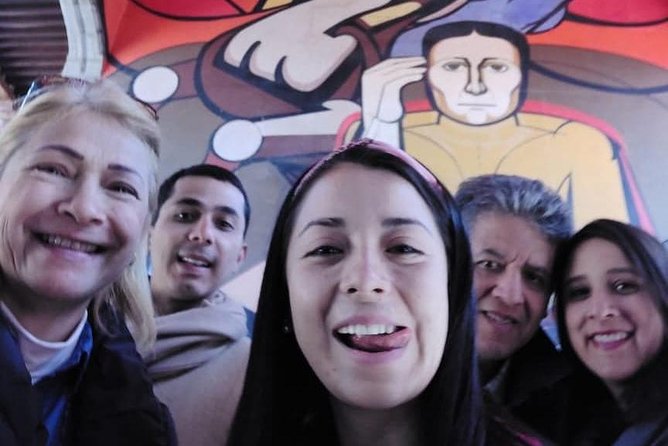
This experience is about 2 hours 30 minutes by schedule, with museum stops timed around 30–35 minutes. The group size is capped at 12 people, which helps in two ways. You can hear the guide clearly, and the guide can manage questions without constantly shushing the group.
Still, I’d plan with a bit of flexibility. Some tours like this can run longer than the scheduled window, especially if you’re stopping to ask questions or linger when the guide points out details. If you have a tight next reservation, keep your buffer.
Also, be ready for an active format. The day is mostly standing and walking, and there aren’t specific built-in breaks for water or toilet time mentioned. So even though museums can sound like sit-down sightseeing, treat it as a light walking tour.
My practical advice: bring water and a snack even though food isn’t included. If your body runs on regular meals, don’t wait for hunger to hit before you start thinking about it.
Cost and Value: What You’re Really Paying For
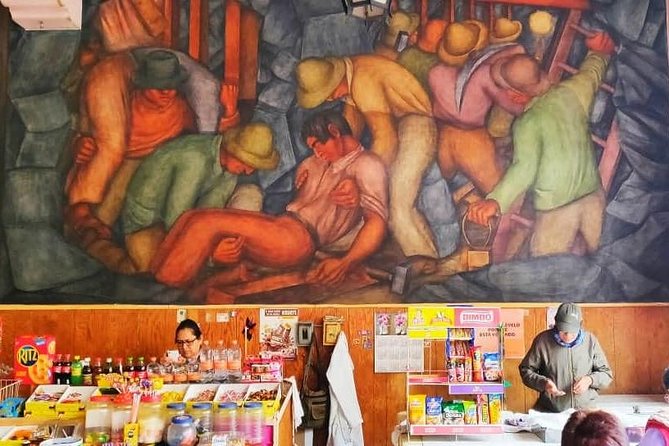
At $66.14 per person, this isn’t a budget “just walk around” tour. You’re paying for four things that add up fast:
- Museum tickets included at multiple stops
- A guide telling a coherent story across locations
- Public transportation included between parts of the route
- English-language interpretation with one-language storytelling
The value isn’t only the admissions. It’s the way the tour connects the dots: love story context at San Ildefonso, muralism format at Museo Vivo del Muralismo, Día de Muertos + La Catrina symbolism at Museo Mural Diego Rivera, and Rivera’s controversial mural legacy at Palacio de Bellas Artes.
If you can read art yourself, you could technically go by. But muralism rewards interpretation. The difference is what you’ll walk away with: a set of connections you can actually use when you see more murals afterward.
What Makes the Guides Here Special
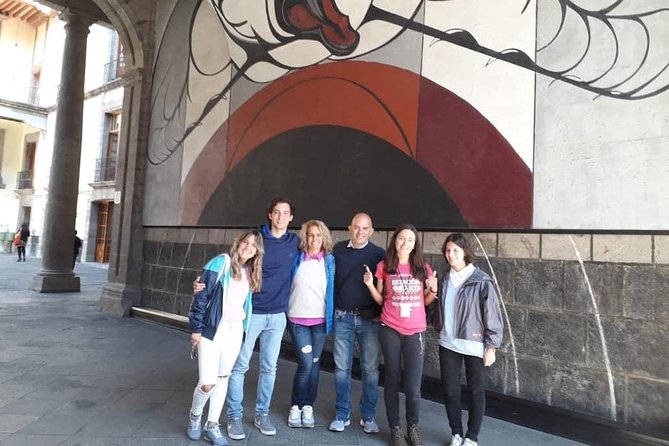
A mural tour lives or dies by the person telling the story. This one clearly leans into that. Guides I’ve seen mentioned include Ady, Sofia, Ulysses, Warrior (Wariyor), and David, and the common thread is clear: they’re friendly, energetic, and willing to answer questions.
I also like that the guides pace the information in a way that feels digestible. That matters because muralism can get political fast, and it’s easy to overload yourself if you’re not careful. Here, the guidance seems built to help you process symbolism, not just memorize names.
Another standout detail: guides often take people to murals and spots that you’d likely miss on your own. In a city like Mexico City, that’s the real advantage of a small-group format and an art-focused guide.
If You Like This Tour, You’ll Likely Like These Follow-Ups
Once you’ve learned how murals use symbols and public space to tell social stories, you’ll start noticing themes everywhere: Revolution-era ideas, human survival, and cultural identity. You may also hear comparisons that broaden the muralism picture beyond Rivera. One example from the guides’ broader framing includes discussion of other major muralists like Orozco and Siquieros as part of the movement.
If you want to keep the momentum, plan your next stop around art or neighborhoods where murals show up in public sight lines. Your tour day gives you a way to look, so you won’t just be collecting photos. You’ll be reading walls like text.
Who Should Book La Catrina & Muralism
This tour is a great fit if:
- You want a structured Mexico City mural route with museum time included
- You’re curious about Rivera and Kahlo but need the story organized
- You like art that links to politics, identity, and everyday history
- You want a small group and English guiding
It may be less ideal if:
- You dislike standing for long stretches
- You need frequent breaks built into the schedule
- You’re trying to do major sightseeing back-to-back with no buffer time
One last thing: it’s booked about 20 days in advance on average. If you’re traveling in peak season or around a holiday, don’t wait until the last minute.
Should You Book This Tour?
Yes—if you want the fastest path to understanding why murals matter in Mexico City. The combination of Rivera + Kahlo context, La Catrina and Día de Muertos symbolism, and a guided walk through major mural-focused sites gives you value that goes beyond sightseeing.
But come prepared. Bring water, expect an active pace, and give yourself time to linger where the guide wants you to look. If you do that, you’ll leave with more than photos—you’ll leave with a way to read the city’s walls.
FAQ
How long is the tour?
The tour runs for about 2 hours 30 minutes.
Is this tour offered in English?
Yes. The experience is offered in English.
What is the group size limit?
The tour has a maximum of 12 travelers.
Are museum tickets included?
Yes. Tickets for the museums are included.
Is transportation included?
Yes. Public transportation is included.
Where does the tour start and end?
It starts at the Former College of San Ildefonso, Justo Sierra 16, Centro Histórico. It ends near Palacio de Bellas Artes, Av. Juárez S/N.
Is food and drinks included?
No. Food and drinks are not included.
Do I need to print a ticket?
You’ll receive a mobile ticket.
Can I get a full refund if I cancel?
Free cancellation is available up to 24 hours in advance for a full refund.
More Tour Reviews in Mexico City




The Walls of Mexico City: More Mural Walks




Around Casa Azul: More Coyoacan Picks



Fresh from our Mexico City notebook

Frida Kahlo & Coyoacan Tours, compared.
 ★ 4.5Xochimilco, Coyoacan and Frida Kahlo with Optional LunchFrom $347,320 reviews
 ★ 4.4Xochimilco, Coyoacan, Frida Kahlo Museum & Murals TourFrom $893,025 reviews
 ★ 5.0Frida Kahlo VIP [Museum Tickets Included] Bike, Markets & ChurrosFrom $831,072 reviews
 ★ 5.0Frida Kahlo VIP [Museum Tickets Included] Walk, Markets & ChurrosFrom $83982 reviews
 ★ 5.0EXCLUSIVE TOUR Frida Kahlo Museum – SMALL GROUPSFrom $86901 reviews
 ★ 4.5Frida Kahlo Museum Entry Ticket w/Digital GuideFrom $34683 reviews
 ★ 5.0Private City Tour in Frida Kahlo, Coyoacan, and XochimilcoFrom $195626 reviews
 ★ 5.0PREMIUM Frida Kahlo Museum and Xochimilco (Small Groups)From $80549 reviews
Browse the lists this tour appears in