
REVIEW · ANTHROPOLOGY MUSEUM TOURS
National Museum of Anthropology: a journey into Mexico’s past – English lang.
Symbols turn into a whole worldview. This guided 3-hour walk through the National Museum of Anthropology in the Bosque de Chapultepec helps you read ancient Mexico through its own logic, not modern assumptions. I particularly loved how the guide makes Mesoamerican symbolism feel practical, using the objects on the walls and in the cases to answer big questions about animals, celestial bodies, and meaning.
The second thing I liked: the tour doesn’t just point at artifacts. It connects the dots across the Mural of Duality, the Teotihuacan and Mexica galleries, and the replica of Pakal’s tomb so you leave with a clearer map of ideas. The main drawback to plan around is that it’s 3 hours of standing and listening, and it’s not designed for kids under 16 because the themes are cosmology-heavy.
In This Review
- Key moments you’ll remember
- The museum setting matters: Bosque de Chapultepec + big galleries
- Meet Hector and get oriented like a student, not a tourist
- Mural of Duality: learning a worldview, not just a wall painting
- The Umbrella: why objects include meaning beyond decoration
- Teotihuacan gallery: architecture and ideas linked to meaning
- Mexica (Aztec) Room: symbolism you can recognize instantly
- The Pakal replica: power, ancestry, and legitimacy in a single image
- How the 3 hours work: guided core + free time you can use well
- Price and value: $75 for context you can use all day
- Practical tips: shoes, rules, and how to plan your visit
- Who this tour is best for (and who it isn’t)
- Should you book this National Museum of Anthropology tour?
- FAQ
- How long is the tour?
- Where do we meet?
- Is the tour guided in English?
- Does the price include museum admission?
- Will I be able to skip the ticket line?
- What places inside the museum are covered?
- Is food or drinks included?
- What should I bring?
- Is it suitable for children?
- Is the museum tour wheelchair accessible?
Key moments you’ll remember
- Mural of Duality: you’ll get a clear explanation of the worldview behind the visuals.
- The Umbrella stop: symbolism gets translated into a way of thinking, not just decoration.
- Teotihuacan to Mexica: learn how later cultures interpret earlier ideas through art and objects.
- Pakal replica: rulers, ancestors, and legitimacy show up in the way the story is told.
- Guide tools you can actually use: Hector uses an iPad with reconstructions/extra imagery and helps you spot what’s easy to miss.
More rooms to lose an afternoon in
- Chapultepec Castle & Anthropology Museum Tour
★ 4.5 · 1,348 reviews - Anthropology Museum Guided Tour
★ 4.5 · 1,035 reviews - Mexico City: Anthropology Museum Guided Visit
★ 4.4 · 708 reviews - Mexico City: Chapultepec Castle and Anthropology Museum Tour
★ 4.5 · 637 reviews
The museum setting matters: Bosque de Chapultepec + big galleries
The National Museum of Anthropology is not a quick “look-and-leave” place. It’s huge, and the galleries are arranged in a way that can make you drift if you don’t have a framework. That’s why this kind of tour is such good value: you get context before you start wandering.
You’ll also appreciate the setting. The museum sits in the Bosque de Chapultepec, which helps take the edge off a long museum day. You’re not only learning about ancient Mexico—you’re in the modern city’s main nature-and-culture zone, so the experience feels less like a checklist.
The core of the tour is a very specific kind of understanding: how indigenous peoples thought about the world—cosmology, symbolism, and social meaning—so the objects stop feeling random.
Meet Hector and get oriented like a student, not a tourist
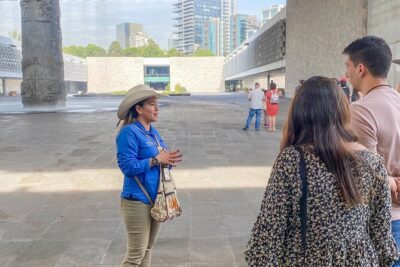
This is a guided walking tour led by Hector Balderas Iglesias in English. From the start, you’re not treated like a passive audience. Hector’s style is interactive and question-based, the way a great class would be.
Here’s what that looks like in practice:
- Hector orients you so you know what to watch for.
- He guides you to interpret symbols and pictograms instead of just reading labels.
- He uses an iPad with reconstructions and extra visuals when the objects need translation.
- He even uses a laser pointer to highlight details that are easy to overlook if you’re viewing from a distance.
That “attention training” matters. Ancient art is packed with patterns—animals, celestial references, clothing motifs—that can look decorative until someone shows you how the pieces connect.
And because the tour is described as a worldview explanation (not a timeline lecture), it fits a certain travel mood: you’re here to understand the logic, not memorize dates.
Mural of Duality: learning a worldview, not just a wall painting
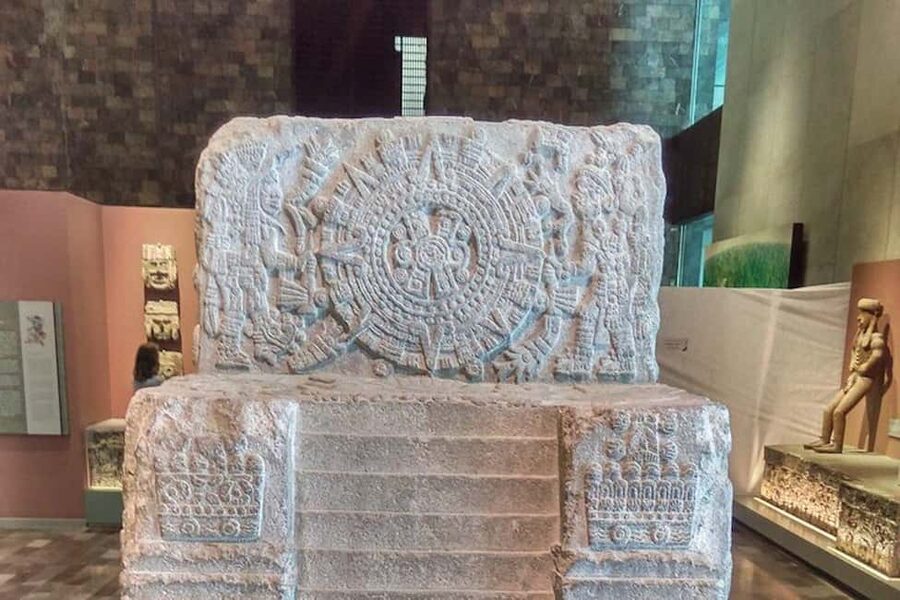
One of the tour’s first anchors is the Mural of Duality. This stop is about how the culture frames the world through oppositions and balance—vision in one form, explanation in another. You’ll see how ancient thinkers used visual language to express ideas about order, cycles, and relationships.
What I love about this kind of interpretation is that it gives you a lens you can carry onward. After you understand how duality works here, you start noticing the same idea elsewhere—on vessels, in stone engravings, and in how people dressed and represented power.
In other words, this isn’t trivia. It changes your museum route. Instead of hunting for “coolest object,” you start looking for meaning.
More galleries and rooftops worth the ticket
- CDMX: Xochimilco, Coyoacan, Frida Kahlo Museum & Murals Tour★ 4.4 · 3,025 reviews
- Frida Kahlo VIP [Museum Tickets Included] Bike, Markets & Churros★ 5.0 · 1,072 reviews
- Frida Kahlo VIP [Museum Tickets Included] Walk, Markets & Churros★ 5.0 · 982 reviews
- EXCLUSIVE TOUR Frida Kahlo Museum – SMALL GROUPS★ 5.0 · 901 reviews
- Mexico City: Frida Kahlo Museum Entry Ticket w/Digital Guide★ 4.5 · 683 reviews
The Umbrella: why objects include meaning beyond decoration
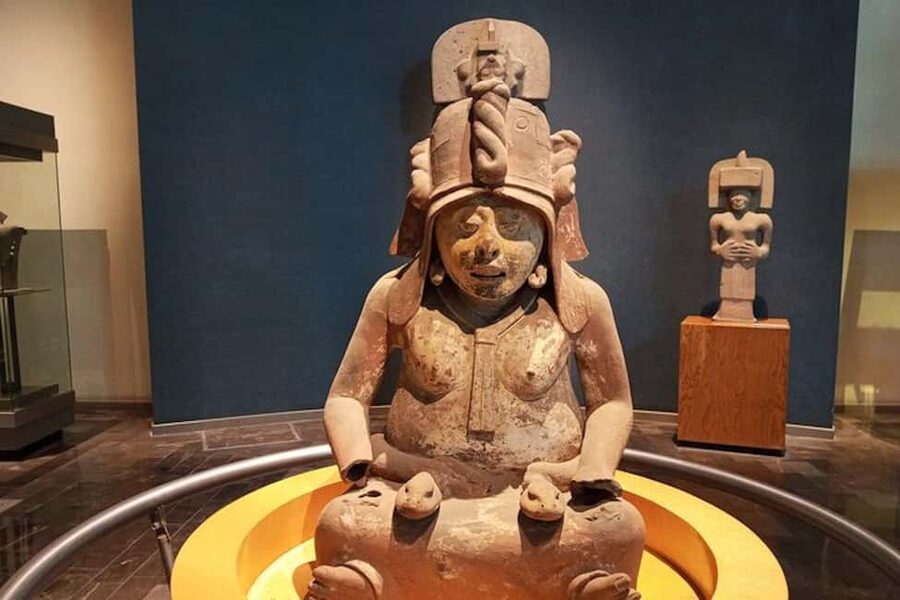
Next comes the Umbrella, another guided interpretation stop that pushes the same theme: why symbols show up the way they do. In this part, Hector focuses on worldview logic—how representations communicate status, roles, and cosmological ideas.
The payoff is subtle but real. After this stop, you’ll likely find yourself asking better questions when you look at other artifacts later in the museum:
- What does the animal symbolism suggest about the role being shown?
- Why do certain motifs repeat?
- How do celestial references (like sun and moon) function within the story world?
This is the tour’s main promise: it gives you context so those earlier questions you might’ve had—about animals, pictograms, or celestial meaning—turn into something you can actually explain.
Teotihuacan gallery: architecture and ideas linked to meaning
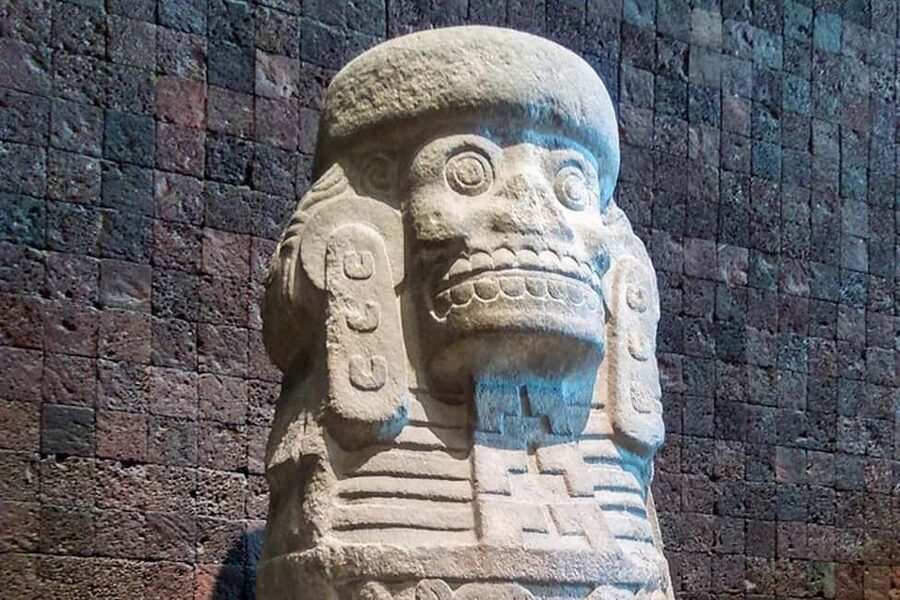
Then the tour moves into the Teotihuacan Room. This is where the ancient world starts feeling more “real” because you’re seeing the results of big thinking: architectural power, planned cities, and the way shared belief systems get built into public space.
You’re not just learning that Teotihuacan was important. You’re learning how ideology shows up through what people constructed and how they represented ideas.
Teotihuacan also helps set up what comes later. When you see how one major culture’s symbols and structures resonate, it makes the next room more than a separate chapter—it becomes a continuation of themes.
Mexica (Aztec) Room: symbolism you can recognize instantly
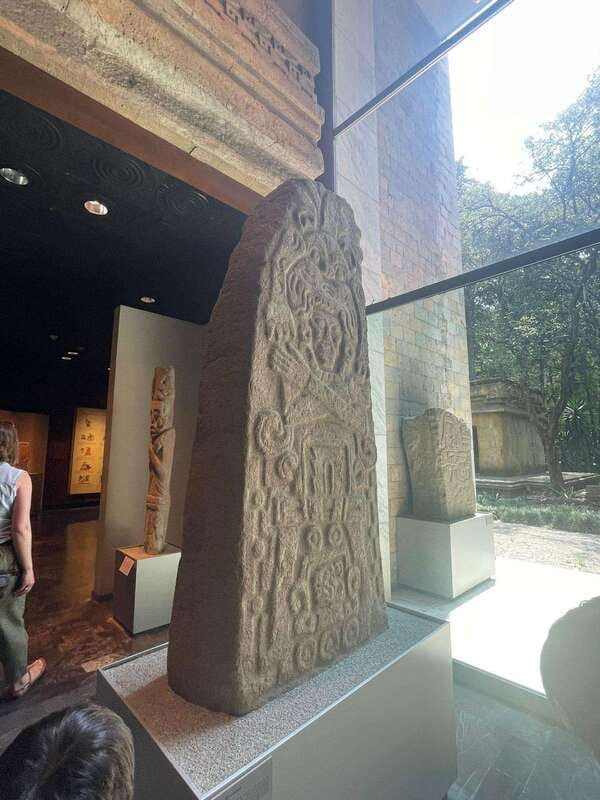
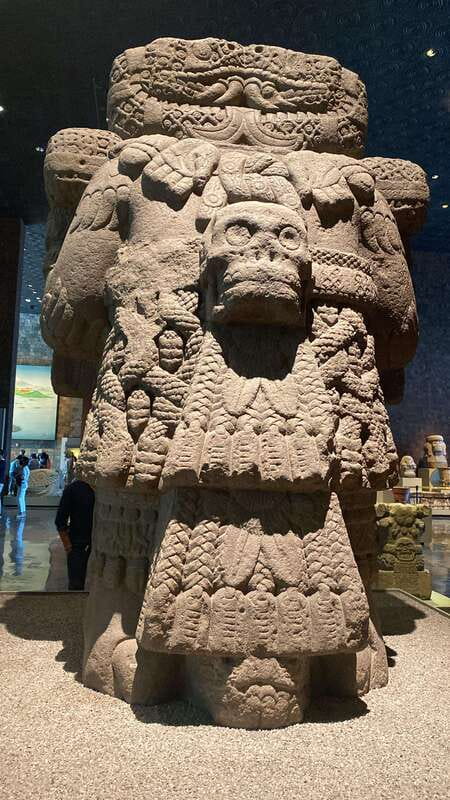
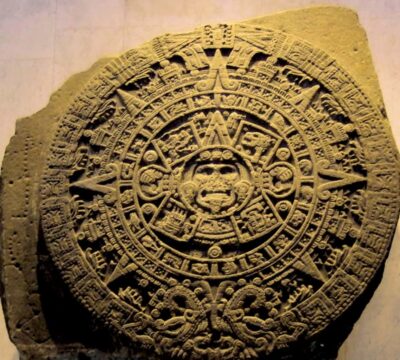
After Teotihuacan, you’ll head to the Mexica (Aztec) Room. This is usually where the museum starts to feel familiar in a new way, especially if you’ve seen Mexica motifs in modern Mexico City art and architecture.
The value here is the guided explanation: Mexica symbolism isn’t treated like a disconnected art style. You learn how the objects and representations connect to a larger worldview—how people made meaning through images, animals, and cosmology.
This is also where the tour’s focus on social complexity makes sense. Many people learn about Mesoamerican civilizations as if they were only builders or warriors. Here, you get a better sense of how thought systems and social structure were intertwined.
If your plan includes more history afterward, this room is a strong base. You’ll likely find it easier to connect what you see in other sites to what the museum just taught you.
The Pakal replica: power, ancestry, and legitimacy in a single image
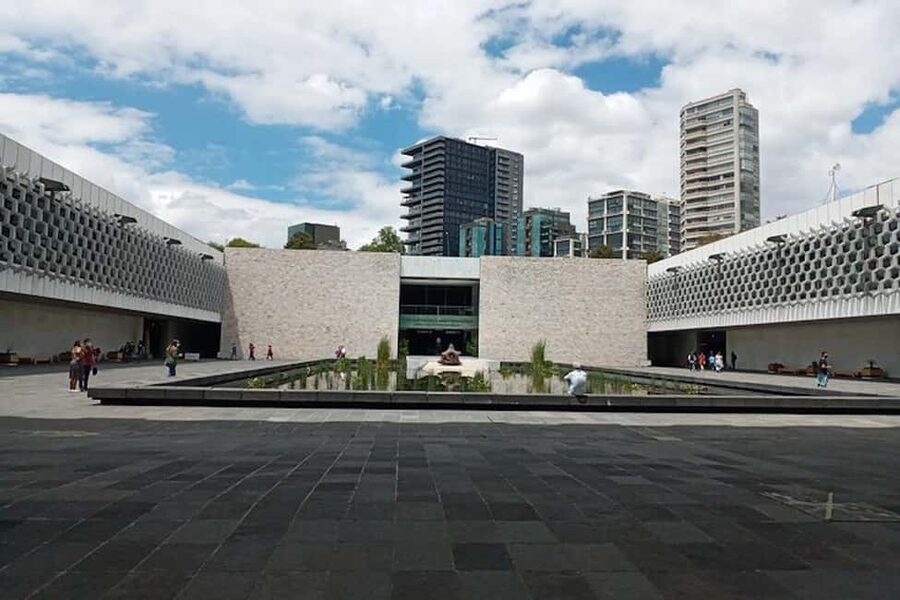
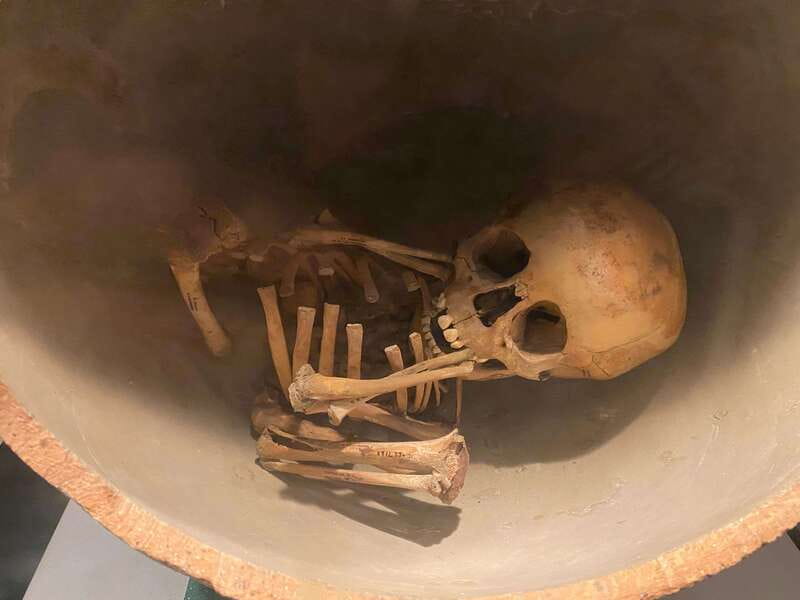
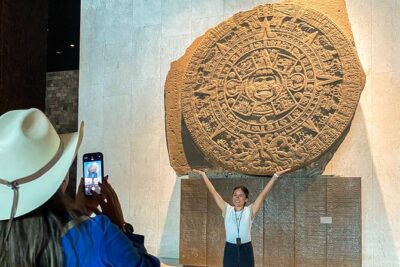
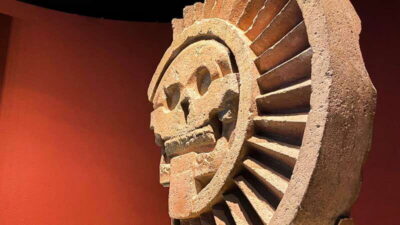
The tour includes a replica of the tomb of Pakal the Great, with an explanation to go with it. Even though it’s a replica, it’s used as a teaching anchor—because the story it represents is about rulership and meaning, not just an object behind glass.
This stop matters if you’re trying to understand how ancient societies communicated authority. You’ll connect the symbolism to who holds power and how legitimacy is pictured in funerary and monumental contexts.
What you’re really getting is a lesson in how ancient people used visual language to link the human world to the larger cosmic order.
How the 3 hours work: guided core + free time you can use well
Your total time on the tour is 3 hours. In that window, you get a guided walk through the key rooms and stops mentioned above, plus free time afterward. That free time is useful because the museum is big and you’ll want a moment to apply what you just learned.
I recommend using the free time with intention:
- Go back to a symbol you heard explained.
- Compare it to something you notice on a different object.
- If you’re looking at pictograms, try to interpret using the lens you got on the stops.
Also note the pacing. This isn’t a sprint. The experience is designed for standing and listening while you absorb cosmological explanations. If you like museum tours that feel like a structured conversation, you’ll probably love this format.
Price and value: $75 for context you can use all day
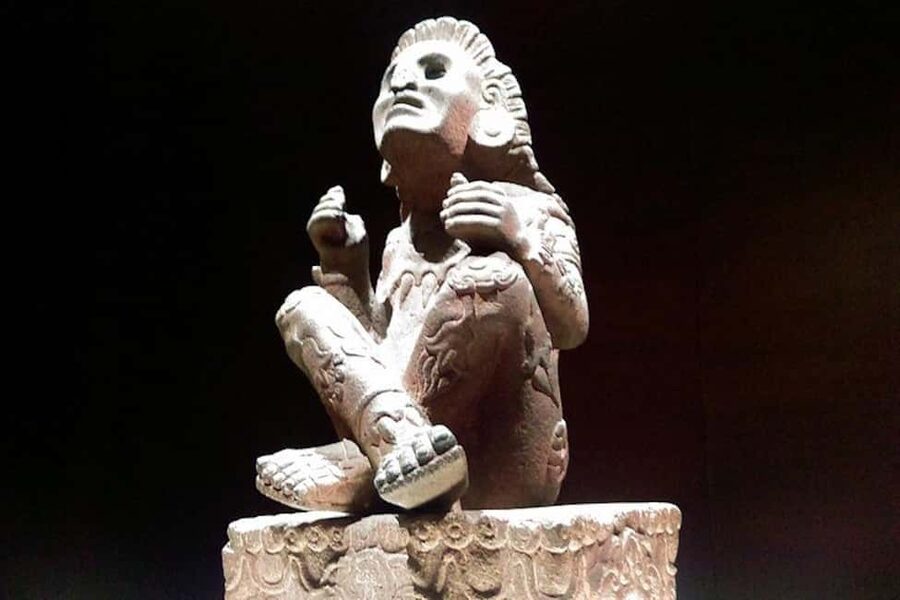
At $75 per person for a 3-hour English guided tour with museum admission included, the value comes from focus. You’re paying for a guide who turns rooms full of artifacts into a coherent set of ideas.
The tour includes:
- A guided walking tour in the museum (Bosque de Chapultepec).
- Admission to the museum and its permanent exhibitions.
- Key stops with explanations, including Mural of Duality, the Umbrella, Teotihuacan Room, Mexica Room, and the Pakal tomb replica.
- Skip-the-ticket-line entry.
That combo matters. Museum tickets alone don’t teach you how to read symbolism. And a standard self-guided visit can leave you overwhelmed unless you already know what to look for. Here, you’re handed a framework, then you’re free to explore with better instincts.
If you only have one museum slot in Mexico City, this is the kind of guided time that makes the rest of your trip make more sense.
Practical tips: shoes, rules, and how to plan your visit
Wear comfortable shoes and comfortable clothes. This is a foot tour with standing time for explanations.
Also, the museum rules are strict enough that it affects how you pack:
- No selfie sticks
- No professional cameras
- No tripods
- No flash photography
- No drones
- No large bags or luggage
It helps to travel light, because the emphasis is on walking and learning rather than hauling gear. If you’re the type who likes to photograph everything, you may need to adjust your style since professional equipment and flash are not allowed.
And one more practical note: the guide is stated as using English, and some content is shown in its original language inside the museum. Even if you don’t speak it, the tour is designed to bridge the meaning for you.
Finally, it’s listed as wheelchair accessible, which is helpful if you need barrier-free access to the experience.
Who this tour is best for (and who it isn’t)
This tour is not suitable for children under 16, largely because it focuses on cosmological explanations and the symbolism behind cultural systems. It’s meant to change your perspective through understanding, not through a kid-friendly format.
You’ll likely love it if:
- You’re curious about how ancient people explained the universe.
- You enjoy learning through visual symbols and patterns.
- You want a guided museum experience that feels like a class with conversation, not a scripted march.
If your travel style is mostly casual browsing, you might find the standing-and-listening pace heavy. But if you want your museum time to leave a mark, this is built for that.
Should you book this National Museum of Anthropology tour?
Yes, if your goal is understanding Mesoamerican symbolism in a way that sticks. For a single museum block of time, this gives you a guided worldview framework, practical interpretations of key visual ideas, and a guide who uses tools like an iPad to make details clearer.
Book it early in your trip if you want the museum to act like your mental key. After this, you’ll likely see later sites and modern Mexican cultural references with sharper context—because you’ll know what questions to ask.
But if you need a kid-friendly, purely chronological history tour—or you dislike standing for a few hours—then skip this specific format and choose something lighter.
FAQ
How long is the tour?
It lasts 3 hours.
Where do we meet?
The meeting point is near the Mexican flag at the entrance of the museum.
Is the tour guided in English?
Yes, the live tour guide is English.
Does the price include museum admission?
Yes. It includes an admission ticket to the museum and its permanent exhibitions.
Will I be able to skip the ticket line?
Yes, skip-the-ticket-line entry is included.
What places inside the museum are covered?
You’ll visit the Mural of Duality, the Umbrella, the Teotihuacan Room, the Mexica (Aztec) Room, and a replica of the tomb of Pakal the Great, plus time for museum free exploration.
Is food or drinks included?
No. Food and drinks are not included.
What should I bring?
Bring comfortable shoes and comfortable clothes.
Is it suitable for children?
It is not suitable for children under 16.
Is the museum tour wheelchair accessible?
Yes, it’s listed as wheelchair accessible.
More Tour Reviews in Mexico City



Behind the Ticket: More CDMX Museums



More Rooms at the Anthropology Museum
Fresh from our Mexico City notebook



Anthropology Museum Tours, compared.
 ★ 4.5Chapultepec Castle & Anthropology Museum TourFrom $791,348 reviews
 ★ 4.5Anthropology Museum Guided TourFrom $391,035 reviews
 ★ 4.4Anthropology Museum Guided VisitFrom $67708 reviews
 ★ 4.5Chapultepec Castle and Anthropology Museum TourFrom $47637 reviews
 ★ 4.4Anthropology Museum Skip-the-Line TicketFrom $15502 reviews
 ★ 5.0Anthropology Museum Private Experience Walking TourFrom $78355 reviews
 ★ 5.05 Hour Tour through Chapultepec, Anthropology Museum and CastleFrom $61239 reviews
 ★ 5.0PRIVATE Tour in Chapultepec Castle and Museum of AnthropologyFrom $113144 reviews
Browse the lists this tour appears in