
REVIEW · ANTHROPOLOGY MUSEUM TOURS
Anthropology Museum Guided Tour
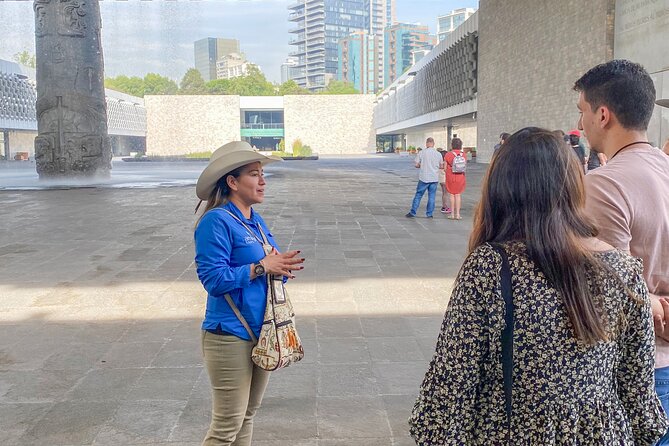
Human history, explained without the overwhelm. In Mexico City, this Anthropology Museum guided tour helps you make sense of huge rooms and famous artifacts, so the stories behind the objects feel logical instead of random.
What I love is the package value: you pay $39 and you still get museum admission plus a professional guide, so you’re not doing extra ticket math while your day slips away. I also like how guides bring the exhibits to life with clear pacing and real context—styles reported include guides such as Alexa, Alan, and Ligia who can connect big themes to specific objects like the Aztec Calendar and the Stone of the Sun.
One drawback to consider: you need to plan for timing and meeting-room logistics. If you miss the start, the group doesn’t typically pause, and a few tours include quick ticket validation or setup that’s easier when you’re early.
In This Review
- Key takeaways before you go
- Why the National Museum of Anthropology is built for a guided story
- Price and value: why $39 can feel fair (or not)
- The 2.5-hour plan inside the museum: what you’ll actually do
- Stop 1: Ground-floor highlights you’ll want to see, in order
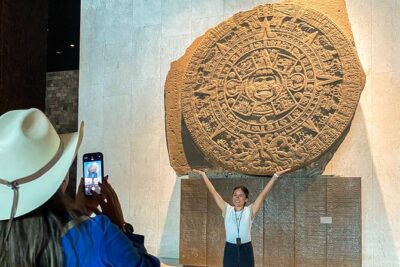
- The Stone of the Sun and the Aztec worldview
- Olmec giant heads: from jungle finds to major meaning
- Maya treasures and tomb reconstructions
- Tenochtitlan model: the Aztec capital under modern CDMX
- What guides do best here: turning big rooms into followable scenes
- Language and comfort: English tours when signage is mostly Spanish
- What you’ll miss if you skip the guide (and what you can do instead)
- Who should book this Anthropology Museum guided tour
- Should you book this guided visit to the Anthropology Museum?
- FAQ
- How long is the Anthropology Museum guided tour?
- How much does the tour cost?
- Is museum admission included?
- Is the tour offered in English?
- Where does the tour meet?
- Does the tour allow food, drinks, or backpacks?
- What group size should I expect?
- Can I cancel and get a refund?
Key takeaways before you go
- Admission included with the guide: one price covers entry and interpretation inside the museum.
- A big-picture-to-details flow: guides often start with geography and timeline framing, then work room by room.
- Tenochtitlan in 3D: you get help reading the museum’s model of the Aztec capital and its place under modern Mexico City.
- Olmec, Maya, Aztec context in the same route: not just what you’re seeing, but why it matters.
- Morning timing works well: you can keep your afternoon open for other CDMX plans.
- Small-group size cap (up to 25): better than “stand and hope” crowded tours.
More rooms to lose an afternoon in
- Chapultepec Castle & Anthropology Museum Tour
★ 4.5 · 1,348 reviews - Anthropology Museum Guided Tour
★ 4.5 · 1,035 reviews - Mexico City: Anthropology Museum Guided Visit
★ 4.4 · 708 reviews - Mexico City: Chapultepec Castle and Anthropology Museum Tour
★ 4.5 · 637 reviews
Why the National Museum of Anthropology is built for a guided story
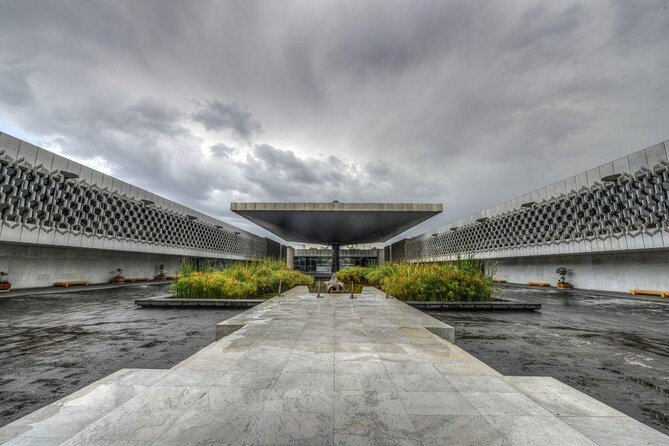
The National Museum of Anthropology in Chapultepec is impressive in a way that can feel slightly intimidating at first. The museum covers major pre-Columbian civilizations across what is now Mexico—and beyond—then adds the Spanish colonial period, so the scope is big.
This guided tour makes the museum less of a museum-labyrinth. Instead of trying to match every artifact to a timeline in your head, you’re given a structure you can follow as you walk—starting with the regional overview and moving toward the headline works.
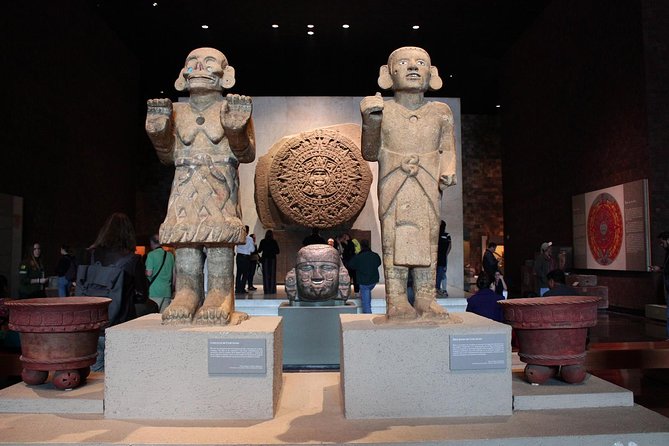
And yes, there are famous icons here. You’ll see the Stone of the Sun (often linked to Aztec cosmology), giant Olmec heads that were found in the jungles of Tabasco and Veracruz, and major Maya-related pieces like reconstructions tied to tombs and the Sacred Cenote at Chichen Itza. With a guide, those names turn into a coherent map.
Price and value: why $39 can feel fair (or not)
At $39 per person for about 2 hours 30 minutes, this isn’t the cheapest way to see the museum. It is, however, often good value because you’re buying two things at once: guided interpretation and entrance to the museum.
If you try to do this solo, you can absolutely visit for less money—but you’ll likely spend more time reading Spanish-only placards and guessing at connections between civilizations. The tour’s pitch is simple: you pay to reduce that guesswork. For many people, that’s worth it because the museum’s permanent exhibitions cover a lot of territory and time.
Your best “value move” is to treat the tour as your foundation. Then, after the guided portion, you can return on your own to the rooms that grabbed you.
The 2.5-hour plan inside the museum: what you’ll actually do
The tour’s core stop is right at the Museo Nacional de Antropología in Polanco/Chapultepec area, starting and ending at the meeting point. From there, the rhythm usually goes like this: quick coordination, then entry, then a guided route through the museum’s main floors.
Because the museum is huge, a guided route matters. The tour duration is long enough to hit major highlights, but short enough that you shouldn’t expect a full museum “see everything” day. The goal is understanding: you should leave with a clearer mental timeline and a sense of how people across Mesoamerica influenced one another.
Also, note the group cap of up to 25. When it runs smoothly, that size can be comfortable for questions and pacing. When timing or organization slips, the museum’s scale can turn even a small crowd into a slow-moving line.
More galleries and rooftops worth the ticket
- CDMX: Xochimilco, Coyoacan, Frida Kahlo Museum & Murals Tour★ 4.4 · 3,025 reviews
- Frida Kahlo VIP [Museum Tickets Included] Bike, Markets & Churros★ 5.0 · 1,072 reviews
- Frida Kahlo VIP [Museum Tickets Included] Walk, Markets & Churros★ 5.0 · 982 reviews
- EXCLUSIVE TOUR Frida Kahlo Museum – SMALL GROUPS★ 5.0 · 901 reviews
- Mexico City: Frida Kahlo Museum Entry Ticket w/Digital Guide★ 4.5 · 683 reviews
Stop 1: Ground-floor highlights you’ll want to see, in order
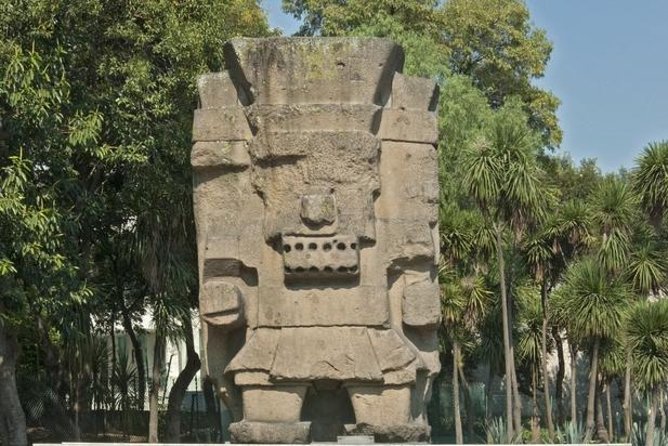
This tour focuses on the museum’s main exhibitions—especially the ground floor permanent collections. Those permanent exhibitions cover pre-Columbian civilizations on Mexico’s current territory plus parts of what is today the southwestern United States. That’s a big reason a guide helps: you’re not just looking at isolated objects, you’re connecting cultures across time and space.
Here are the headline moments this tour is designed to frame:
The Stone of the Sun and the Aztec worldview
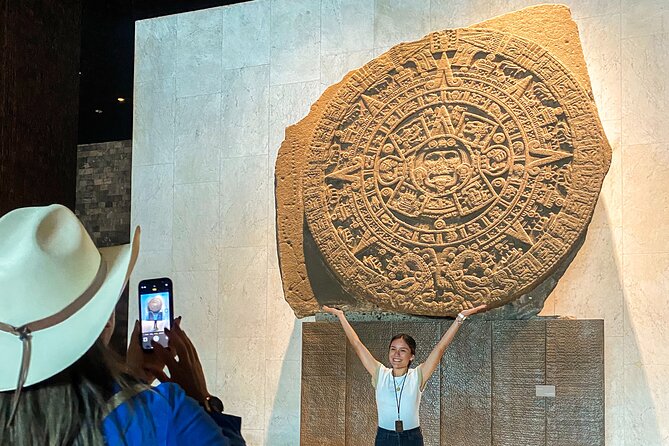
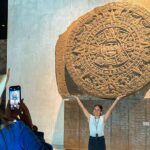
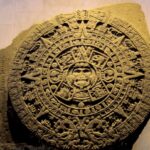
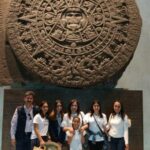
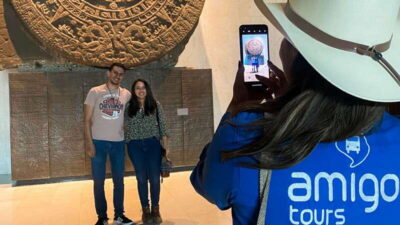
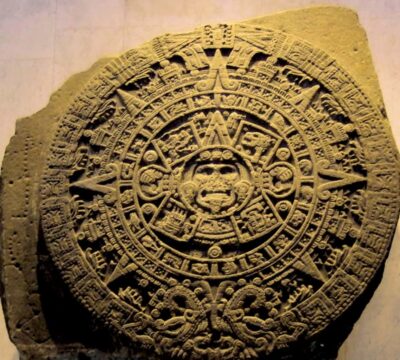
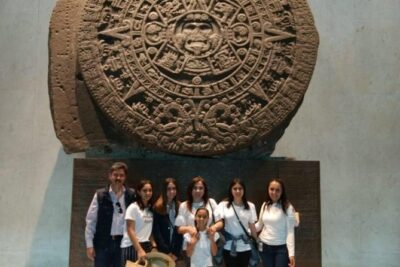
You’ll spend time on the Aztec Calendar context. The Stone of the Sun isn’t just a cool sculpture—it’s a key to how the Aztecs organized time and meaning. A guide helps you understand what you’re looking at and why it fits into a broader worldview.
If you don’t get that context, it’s easy to treat it as a standalone masterpiece. With guidance, you’re more likely to connect it to the museum’s larger story of Mesoamerican cultures.
Olmec giant heads: from jungle finds to major meaning
The museum’s giant Olmec heads were found in jungles of Tabasco and Veracruz, and that detail matters. A guide can help explain why these objects are historically important and how the Olmec are often used as a baseline for early regional influence.
It’s the kind of object that can look “just massive” unless someone places it in the right cultural frame. Here, the interpretation is the point.
Maya treasures and tomb reconstructions
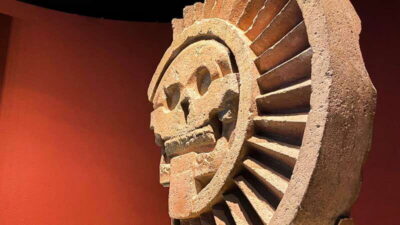
Maya exhibits can feel overwhelming because they pull together art, ritual, architecture, and burial practice. The tour includes context around Maya treasures and reconstructions tied to tombs.
You’ll also encounter the Sacred Cenote connection to Chichen Itza. Having background makes it easier to see these as parts of belief systems, not only as archaeological artifacts.
Tenochtitlan model: the Aztec capital under modern CDMX
One of the most practical learning tools in the museum is the model of Tenochtitlan, the Aztec capital. The museum also helps you understand how that former capital’s layout is now occupied by the central area of modern-day Mexico City.
This part is extra useful because it gives you a real-world “where am I standing” answer. Instead of only learning dates, you learn how the past sits beneath the present.
What guides do best here: turning big rooms into followable scenes
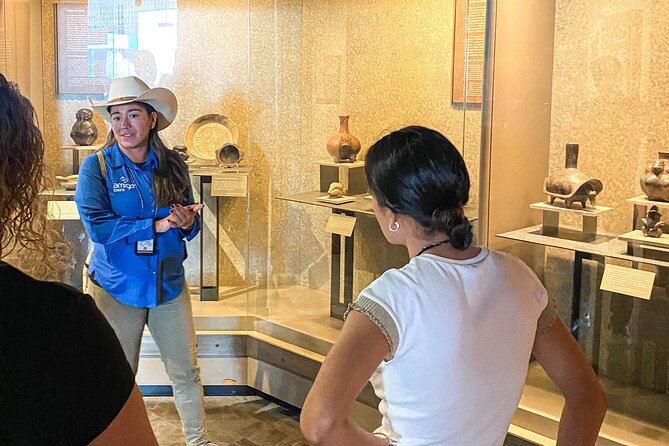
The museum has signs, but not enough written context in English to carry the whole experience. That’s where strong guides make the difference. The best tour reports I saw included guides such as Alexa, Alan, Hector, Ligia, Leonardo, and Antonio for being able to keep a clear narrative while still answering questions.
A really helpful style is starting broad, then zooming in. One guide approach described a start with overall geography and then progressively deeper culture details. That matters because Mesoamerica is not one single story—it’s a network of stories.
Another advantage: some guides use extra visuals, like binders with photos and examples, to explain things that are hard to infer from artifacts alone. You may not always get that exact technique, but the tour’s design is clearly meant to add context beyond what you can quickly read in the galleries.
Language and comfort: English tours when signage is mostly Spanish
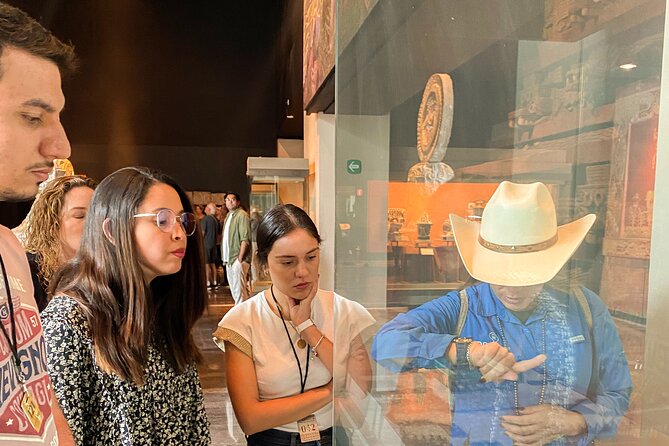
This tour is offered in English, which is a big help in Mexico City. Still, the museum itself is multilingual in practice: you’ll see lots of Spanish signage, and the exhibit labels aren’t always written like an English-first museum.
So here’s how you make it work for you:
- Come with a short mental checklist: Aztec, Maya, Olmec, and how time changes across centuries.
- Use the guide for translation of ideas, not only vocabulary. Ask for clarity when a timeline jumps.
- If you wear headphones, keep them accessible early. Some tours include quick setup before narration starts, and that time is easiest when you’re organized and early.
If your English listening comfort is sensitive (accent, volume, or audio quality), choose an early time slot and arrive at the meeting point a bit ahead. That reduces the odds of rushing through setup while you’re trying to focus.
What you’ll miss if you skip the guide (and what you can do instead)
Going solo at the Anthropology Museum can be great if you love reading and comparing labels. You can absolutely spend a full day in there, and some rooms reward slow looking.
But this tour is designed for a different goal: building a foundation quickly. Without a guide, you might understand each artifact as an object and still miss the connections—how Tenochtitlan fits into modern geography, how Olmec prominence relates to later developments, and how Maya burial or ritual objects connect to the broader belief landscape.
The smart compromise is this:
- Use the guided tour for your structure and context.
- Then return on your own energy level to the rooms you’re drawn to most.
That approach works especially well because the tour length is about 2.5 hours. You’ll have time to breathe after, instead of feeling like you must keep up the entire day.
Who should book this Anthropology Museum guided tour
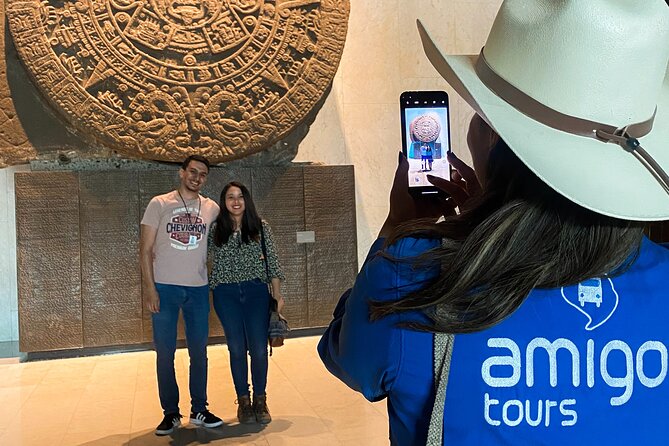
Book it if you want:
- A guided path through major highlights like the Stone of the Sun, giant Olmec heads, Maya-related pieces, and the Tenochtitlan model.
- English interpretation that helps you connect artifacts to the bigger story across Mesoamerican civilizations.
- A morning-friendly format so you can keep your afternoon free for other CDMX stops.
This tour also makes sense if you don’t speak Spanish well enough to rely on labels alone. Several guides reported bilingual ability (like English and Spanish handling), and that kind of flexibility can help even when signage isn’t English-first.
Skip it or consider a different option if:
- You need a very slow, full-museum walk. This is not built for total coverage.
- You’re worried about timing sensitivity. You’ll want to arrive early because groups don’t typically wait after departing.
Should you book this guided visit to the Anthropology Museum?
I’d book it if you want the museum to make sense fast. For $39 with admission included, the biggest value is interpretation: the guide gives you a storyline for objects that would otherwise require extra decoding time on your own.
I’d think twice only if you know you dislike group dynamics or you need guaranteed quiet pacing. In that case, you might prefer going solo with a self-made plan for the biggest objects and spending longer on fewer rooms.
If you do book, my practical advice is simple: show up early to the Polanco/Chapultepec meeting point, go in with one page of mental questions (Aztec vs Maya vs Olmec, and how time connects), and then use the tour as your launchpad for the galleries you’ll revisit after.
FAQ
How long is the Anthropology Museum guided tour?
It lasts about 2 hours 30 minutes.
How much does the tour cost?
The price is $39.00 per person.
Is museum admission included?
Yes. Entrance to the National Museum of Anthropology is included with the guided tour.
Is the tour offered in English?
Yes, it’s offered in English.
Where does the tour meet?
The meeting point is Museo Nacional de Antropología, Av. P.º de la Reforma s/n, Polanco, Bosque de Chapultepec I Secc, Miguel Hidalgo, 11560 Ciudad de México, CDMX, Mexico.
Does the tour allow food, drinks, or backpacks?
No food or drinks are allowed, and backpacks aren’t allowed. Only a handbag is allowed.
What group size should I expect?
The tour has a maximum of 25 travelers.
Can I cancel and get a refund?
Free cancellation is available up to 24 hours in advance for a full refund. If you cancel less than 24 hours before the start time, the amount paid isn’t refunded.
More Tour Reviews in Mexico City



Behind the Ticket: More CDMX Museums



More Rooms at the Anthropology Museum
Fresh from our Mexico City notebook




Anthropology Museum Tours, compared.
 ★ 4.5Chapultepec Castle & Anthropology Museum TourFrom $791,348 reviews
 ★ 4.4Anthropology Museum Guided VisitFrom $67708 reviews
 ★ 4.5Chapultepec Castle and Anthropology Museum TourFrom $47637 reviews
 ★ 4.4Anthropology Museum Skip-the-Line TicketFrom $15502 reviews
 ★ 5.0Anthropology Museum Private Experience Walking TourFrom $78355 reviews
 ★ 5.05 Hour Tour through Chapultepec, Anthropology Museum and CastleFrom $61239 reviews
 ★ 5.0PRIVATE Tour in Chapultepec Castle and Museum of AnthropologyFrom $113144 reviews
 ★ 4.5Teotihuacan & Anthropology Museum, Templo Mayor & City TourFrom $137109 reviews
Browse the lists this tour appears in