
REVIEW · ANTHROPOLOGY MUSEUM TOURS
Mexico City: Anthropology Museum Skip-the-Line Ticket
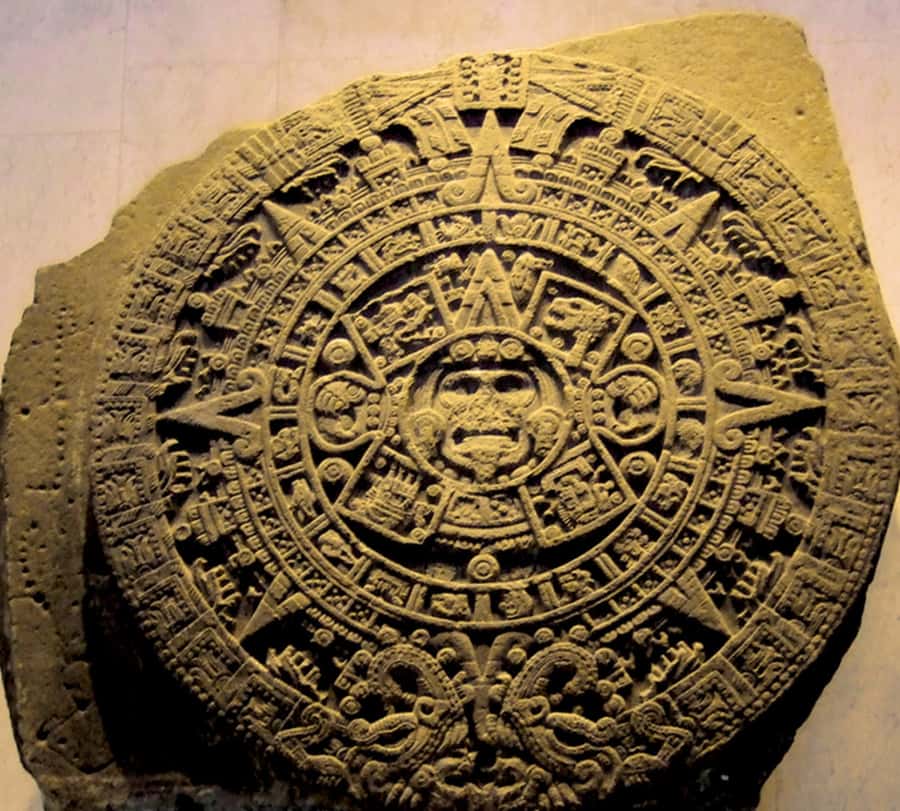
Skip-the-line changes how fast you start seeing. With a separate entrance, you cut the usual hassle and get moving inside Mexico City’s National Museum of Anthropology toward highlights like the Stone of the Sun.
I really like the museum’s mix of big-name objects and smaller regional details, all housed in a building that feels like part of the story. One drawback to plan for: it’s huge, so even with fast entry you’ll still want a path, or you’ll feel rushed.
In This Review
- Quick hits
- Why Mexico City’s National Museum of Anthropology is worth the skip
- Getting in fast: the separate entrance and turnstiles
- Inside the museum: what you’ll see in the main galleries
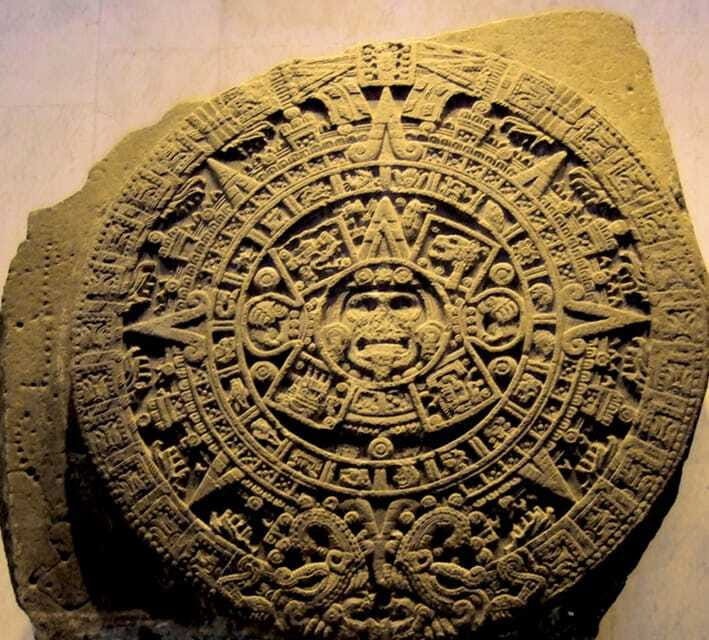
- The Stone of the Sun and other must-see symbolic objects
- The Mayan and Toltec art connections you’ll spot as you move through
- Outdoor break: garden spaces and Maya temples
- A smart 1-day plan that won’t leave you exhausted
- Add a guide if you want the stories to connect
- Food, coffee, and how to keep your energy up
- Price and value: is $15 a good deal?
- Should you book this skip-the-line ticket?
- FAQ
- How long is the ticket valid for?
- Do I need to wait in line at the ticket office?
- Is a tour guide included with this ticket?
- Is the museum wheelchair accessible?
- What’s the cancellation policy?
- Do they accept vouchers on your phone?
Quick hits
- Separate entrance + turnstiles: you don’t waste time at the ticket office window
- Stone of the Sun: one of Mexico’s most famous pre-Hispanic artworks, front and center
- Maya and Toltec connections: look for artwork links across cultures and time periods
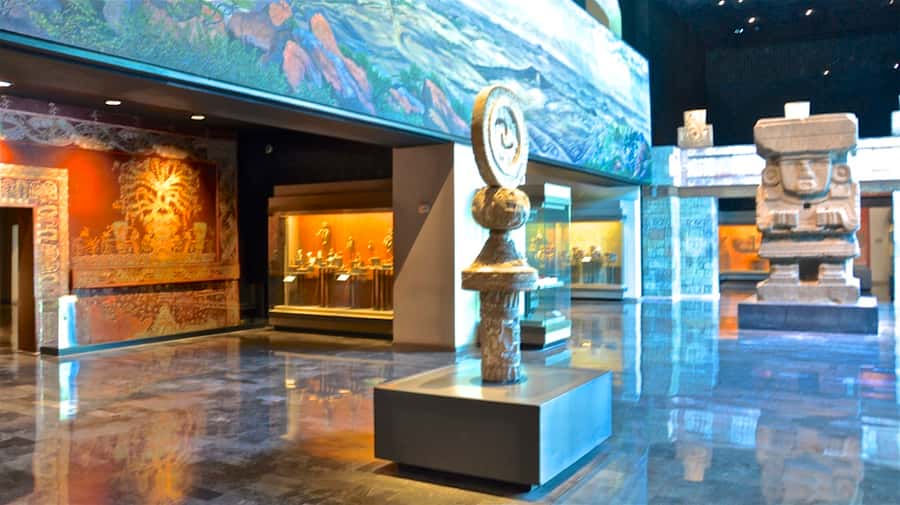
- Architectural wow factor: the building’s design and symbolism are part of the visit
- Outdoor Maya temples and garden spaces: a nice breather after indoor galleries
- English help is uneven: plan for some signs/notes in Spanish only
More rooms to lose an afternoon in
- Chapultepec Castle & Anthropology Museum Tour
★ 4.5 · 1,348 reviews - Anthropology Museum Guided Tour
★ 4.5 · 1,035 reviews - Mexico City: Anthropology Museum Guided Visit
★ 4.4 · 708 reviews - Mexico City: Chapultepec Castle and Anthropology Museum Tour
★ 4.5 · 637 reviews
Why Mexico City’s National Museum of Anthropology is worth the skip
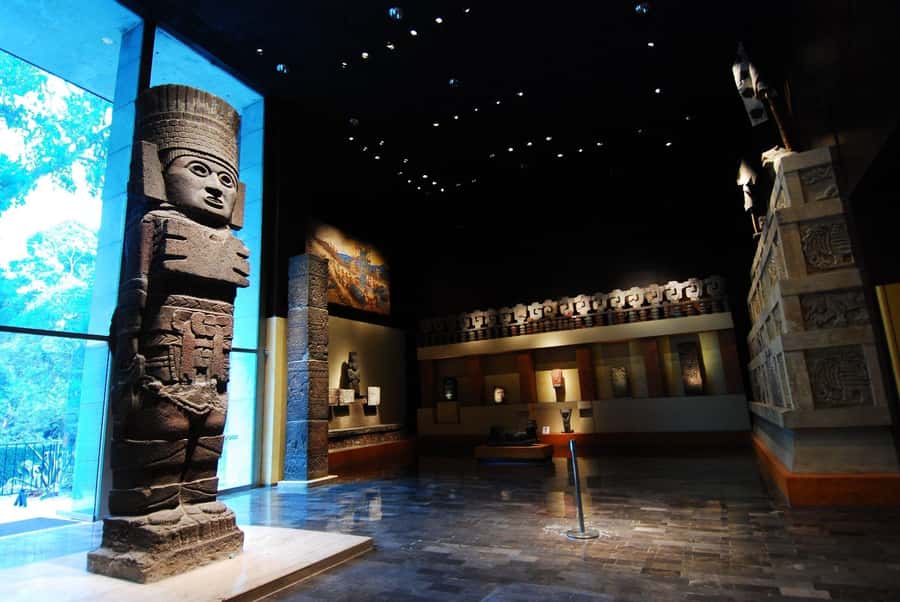
The National Museum of Anthropology is one of those places that can either feel overwhelming—or feel like a clear storyline—depending on how you arrive. The skip-the-line ticket matters because it gets you into the museum fast enough to spend your energy on the objects, not the wait.
I love that you’re not just looking at famous items in isolation. You’re walking through rooms that connect cultures across Mexico—Mexicas (Aztecs), Mayas, Toltecs, and more—so you start seeing history as a network of peoples, ideas, trade, and influence instead of one straight timeline. The museum is also designed in a way that helps the visit feel intentional, not like you’re just passing through big halls.
The other reason it’s such a good match for a single day is focus. You can see the museum’s major “musts” without needing a multi-day commitment, as long as you’re honest about priorities and don’t try to read everything cover to cover.
Getting in fast: the separate entrance and turnstiles
This ticket is all about skipping the line at the ticket office. Your job is simple: go straight to the entrance with the turnstiles and use the separate route meant for pre-purchased entry. That means less time hovering near signage and asking staff, and more time walking.
If you’re the type who likes a smooth start, get your bearings quickly outside. Some entrances can create confusion because there can be more than one line or route people assume is the right one. The key is to trust the idea of skip-the-line: don’t join a general queue if you’re holding the skip ticket.
One very practical tip: don’t assume they’ll accept everything from your phone. In at least one past experience, people were told they needed to print their voucher, because phone codes weren’t accepted. If you want zero stress, bring a printed copy or check your confirmation details carefully before you go.
Inside the museum: what you’ll see in the main galleries
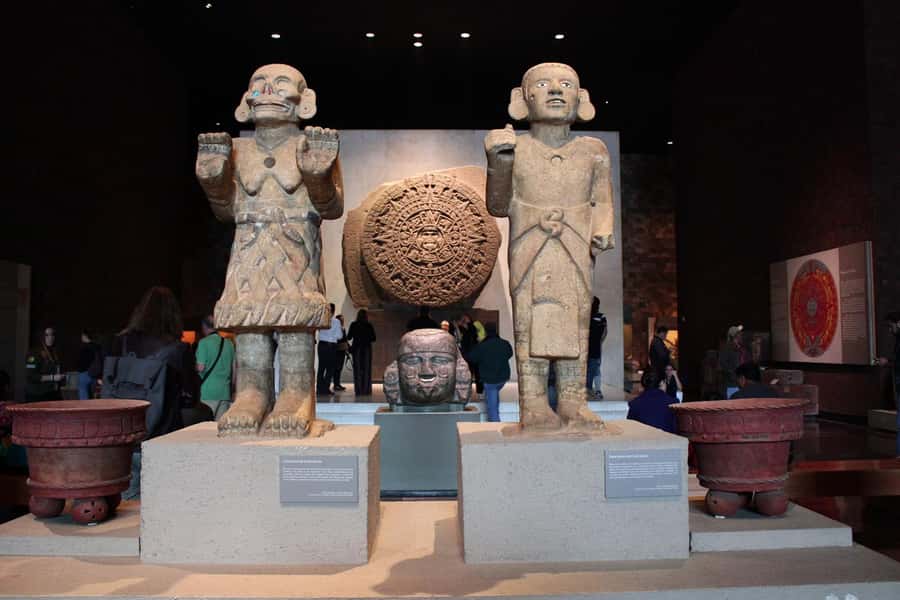
Once you’re in, the museum essentially asks you to switch gears. You start with the feeling of a major national institution—clean, well-organized halls, lots of curated displays—and then you realize how much is packed into one visit.
You’ll spend time among pre-Hispanic artifacts from across Mexico, including objects connected to the cultures that shaped the region over centuries. The museum highlights the Mexicas and their world, and it also makes room for Mayan and Toltec art traditions, so you can compare styles and themes instead of treating each civilization like a separate museum.
If you’re not a specialist, you’ll still be fine. Even when you don’t read every label, the visual logic helps. Big ceremonial pieces and iconic works give you anchors. Smaller artifacts, models, and regional displays then explain the bigger picture behind the famous names.
One thing to keep in mind: language support varies. Some labels and notes are available in English, but a lot is Spanish only. If that’s a deal-breaker for you, consider planning a guide addition (more on that later).
More galleries and rooftops worth the ticket
- CDMX: Xochimilco, Coyoacan, Frida Kahlo Museum & Murals Tour★ 4.4 · 3,025 reviews
- Frida Kahlo VIP [Museum Tickets Included] Bike, Markets & Churros★ 5.0 · 1,072 reviews
- Frida Kahlo VIP [Museum Tickets Included] Walk, Markets & Churros★ 5.0 · 982 reviews
- EXCLUSIVE TOUR Frida Kahlo Museum – SMALL GROUPS★ 5.0 · 901 reviews
- Mexico City: Frida Kahlo Museum Entry Ticket w/Digital Guide★ 4.5 · 683 reviews
The Stone of the Sun and other must-see symbolic objects
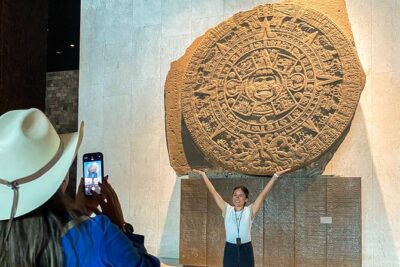
The headline object is the Stone of the Sun—the Aztec calendar sculpture that draws crowds for a reason. It’s not just famous; it’s arresting. Seeing it in person helps you understand why this kind of artwork mattered so much: it carries symbolism tied to cosmology, time, and how the Mexicas mapped meaning onto the world.
Don’t rush past the area around it. Give yourself a few minutes to just look and then read what you can. Even with limited time, taking one slow pass makes the experience feel less like sightseeing and more like interpretation.
Along the way, pay attention to patterns in design and materials. The museum’s strength is that it doesn’t treat artifacts as random trophies. You can sense how objects connect to beliefs, rituals, and daily life—especially when you move between galleries that focus on different cultures across the country.
If you’re a model-and-details person, try to find the areas featuring scaled displays and miniatures. One visitor specifically called out the model work as particularly impressive, and that’s a good clue for how to plan your attention: when galleries get dense, models can help your brain “place” the artifact in space and context.
The Mayan and Toltec art connections you’ll spot as you move through
This is where the museum earns its reputation as more than a highlight reel. The galleries are set up so that you can notice how artistic styles and ideas shift over time, even when cultures influenced each other.
You’ll see references and collections tied to Mayan and Toltec art, and the building encourages you to follow those connections rather than hopping randomly between rooms. The result is that the museum starts to feel like a guided conversation—even without a guide being included with your ticket.
As you walk, watch for recurring themes: ceremonial design, symbolism tied to power or belief, and the way materials and craftsmanship communicate status and purpose. You don’t need to be an expert to pick up these cues. Your job is mostly to slow down enough to recognize what stands out.
If you’re going with a friend or family member, this is also a great place for light teamwork. One person can focus on the big objects while the other tracks smaller details or specific cultures. Then you compare notes while walking to the next room.
Outdoor break: garden spaces and Maya temples
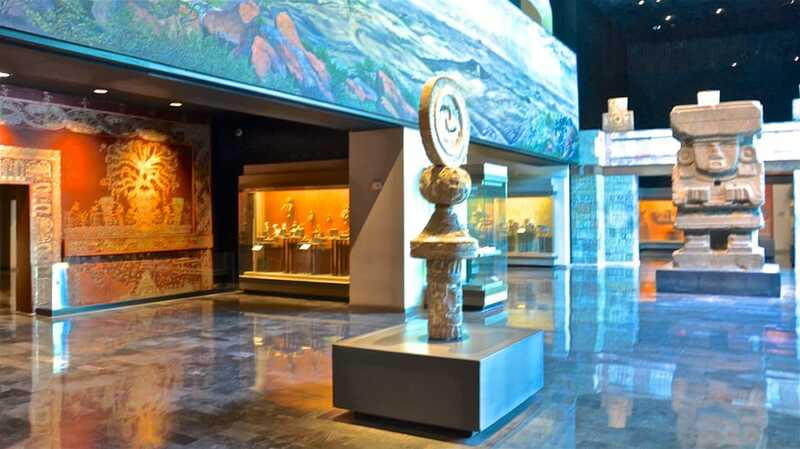
The outdoor spaces are a real part of the experience, not just a place to escape the crowds. The museum grounds include standout outdoor temple areas, and the Maya temples in particular are worth budgeting time for.
This matters because it changes the pace of your visit. Indoors, your attention is pushed by walls, labels, and dense collections. Outdoors, your eyes can reset and your body can breathe. You’ll also get better “scale” for what you’re seeing: the museum’s main structure might feel monumental, but the outdoor settings help everything feel grounded in a wider sense of place.
If you’ve been reading labels for hours, outdoor time can stop the museum fatigue. Aim to step outside at least once during your visit—ideally after you’ve seen a major indoor cluster—so you don’t end up doing the outdoor part as a rushed afterthought.
A smart 1-day plan that won’t leave you exhausted
You have a 1-day ticket, and that’s believable—if you treat it like a plan, not a marathon. The museum is huge, and even people who love museums can end up feeling squeezed if they try to see everything.
Here’s the approach I recommend:
- Start with the iconic anchors first (the object most people came for, plus the main galleries tied to major cultures).
- Then follow a single “direction” through related rooms so you’re not backtracking.
- Save outdoor time for when you start losing steam.
- Add a guided moment only if you truly want deeper context.
If you’re the type who reads every label, you’ll want a longer stretch on site. One visitor was in the museum for about 4 hours and felt glad they came early, which suggests the sweet spot for many people is a solid half-day to most of a day, depending on how you pace.
If you only have a few hours and you’re selective, choose what matters most to you: pre-Hispanic art, major iconic objects, or architectural and outdoor spaces. The skip-the-line ticket gives you the time to be choosy.
Add a guide if you want the stories to connect
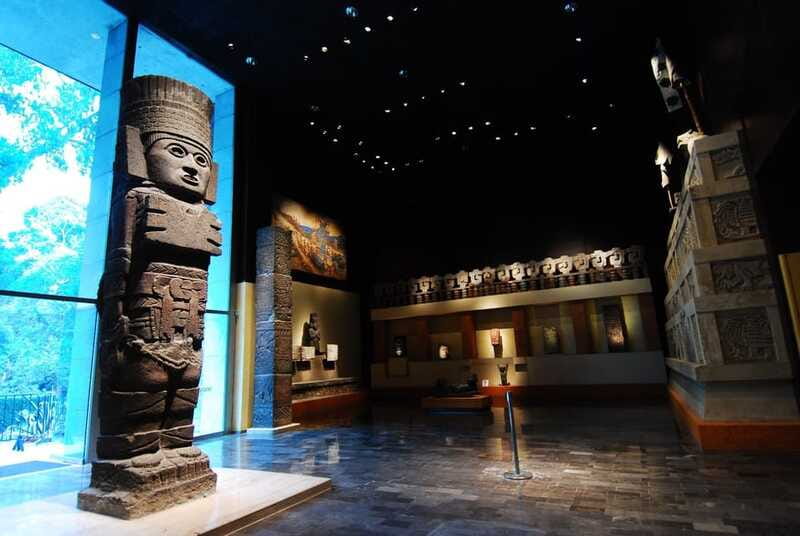
This ticket includes a skip-the-line entrance, not a guided tour. Still, you can absolutely level up the visit by hiring a guide separately if that fits your style.
I’ve seen strong recommendations for guides like Nadia (Spanish) and Daniel. The point isn’t celebrity guide hunting. It’s about having someone explain the why behind what you’re seeing, especially when English labels are limited and you want to connect cultural dots.
If you go solo, you can still do a lot with the museum’s signage and the visual information. But if you’re hoping to understand how different civilizations coexisted, competed, and influenced each other over time, a guide can make your time feel less like browsing and more like comprehension.
Also, be cautious with phone-based tools. One visitor found the museum phone app not very user friendly. If you plan to rely on it, I’d still bring a backup strategy—like focusing on a short list of targets before you enter.
Food, coffee, and how to keep your energy up
A good museum day needs breaks, and the museum has that covered. At least one visitor praised the restaurant and a coffee shop on site, which makes it easier to stay inside the rhythm of your visit rather than trekking back and forth.
When you stop for food, you also get a chance to reset your pacing. If you’ve been staring at artifacts for a while, stepping into the café area lets your eyes and brain rest. Then you return ready to notice smaller details you might have missed earlier.
If you’re a snack-first person, plan for a coffee break mid-visit and a fuller meal later. If you’re a sit-and-read person, eat when you’re ready to slow down, not when you’re already at your limit.
And yes, there’s a gift shop too. It’s not the reason to come, but it’s a nice wrap-up if you want a memory you can take home (or a small reward after a long walk).
Price and value: is $15 a good deal?
At $15 per person for skip-the-line entry, the value comes down to one question: how much is your time worth?
This ticket isn’t a full guided experience, so you’re not paying for a lecturer. You’re paying for a faster start. In a museum this big, getting in without waiting at the ticket office can give you an extra hour of looking, and that’s often the difference between a “nice visit” and a genuinely satisfying one.
On some days the general lines might be short. But you can’t count on that. Even if you end up waiting only a little, skip-the-line still acts like insurance against wasted time.
I also like that this experience is valid for 1 day, meaning you can match it to your schedule once you decide when you want to go. If you like flexibility, there’s also a reserve now, pay later option mentioned with the experience, plus free cancellation up to 24 hours in advance for a full refund.
Should you book this skip-the-line ticket?
Yes, I think you should book it if you want to spend your time inside—not near a ticket office. For $15, the biggest win is simple: you get right to exploring and you don’t have to gamble on whether lines will stay short.
Book it especially if:
- You have limited time in Mexico City and want the museum to be a “main event.”
- You plan to pair the Anthropology Museum with other stops nearby and don’t want to lose hours.
- You prefer independent exploration but still want the day to start smoothly.
Skip it only if you’re truly low-stress about waiting, or if you’re traveling in a group where everyone wants the same slow pace and you’d rather spend the time inside planning rather than moving.
If you do book, come with a short target list. Pick your anchors (like the Stone of the Sun), decide you’ll do at least one outdoor stop, and leave room for a guide if you want the deeper cultural connections explained.
FAQ
How long is the ticket valid for?
The skip-the-line entrance is valid for 1 day. You’ll also want to check available starting times.
Do I need to wait in line at the ticket office?
No. This is a skip-the-line ticket, so you should go directly through the turnstiles and use the separate entrance.
Is a tour guide included with this ticket?
No. The ticket includes only the skip-the-line entrance. A tour guide is not included.
Is the museum wheelchair accessible?
Yes. The activity is listed as wheelchair accessible.
What’s the cancellation policy?
Free cancellation is available up to 24 hours in advance for a full refund.
Do they accept vouchers on your phone?
One provided experience note says you must print the voucher and that they do not accept codes on your phone. If you’re booking, plan to have a printed copy ready.
More Tour Reviews in Mexico City





Behind the Ticket: More CDMX Museums





More Rooms at the Anthropology Museum



Fresh from our Mexico City notebook





Anthropology Museum Tours, compared.
 ★ 4.5Chapultepec Castle & Anthropology Museum TourFrom $791,348 reviews
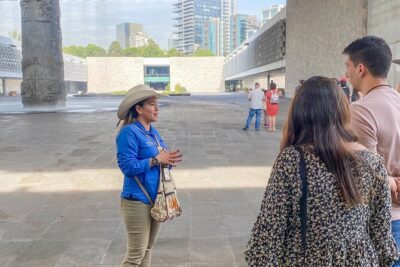 ★ 4.5Anthropology Museum Guided TourFrom $391,035 reviews
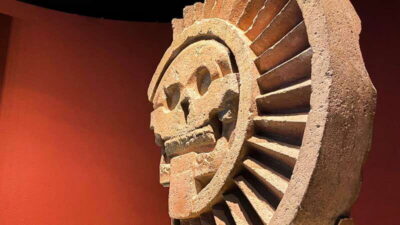 ★ 4.4Anthropology Museum Guided VisitFrom $67708 reviews
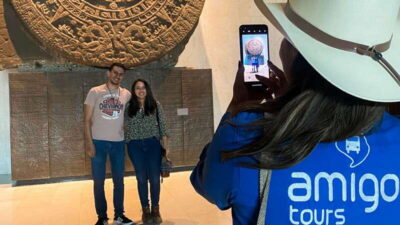 ★ 4.5Chapultepec Castle and Anthropology Museum TourFrom $47637 reviews
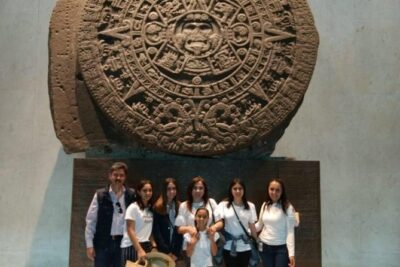 ★ 5.0Anthropology Museum Private Experience Walking TourFrom $78355 reviews
 ★ 5.05 Hour Tour through Chapultepec, Anthropology Museum and CastleFrom $61239 reviews
 ★ 5.0PRIVATE Tour in Chapultepec Castle and Museum of AnthropologyFrom $113144 reviews
 ★ 4.5Teotihuacan & Anthropology Museum, Templo Mayor & City TourFrom $137109 reviews
Browse the lists this tour appears in