
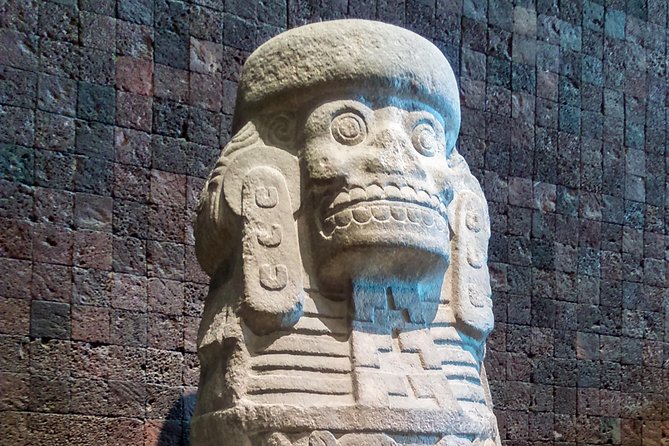
REVIEW · ANTHROPOLOGY MUSEUM TOURS
Museum of Anthropology: a look at Mexico’s past
Pre-Spanish Mexico comes into focus quickly. A guided look at the Museo Nacional de Antropología helps you sort through Mexico’s past in a tight 2–3 hour visit, with SECTUR-licensed guidance and audiobox headsets when the group is 6+.
I also like the way guides such as Hector and Edith connect symbols, religion, and everyday life so the museum stays in your head after you leave. One possible drawback: it’s not a casual skim. The tour isn’t available for anyone under 18, and the subject matter moves fast once you’re inside.
In This Review
- Key things to know before you go
- Museo Nacional de Antropología: the guided structure you actually need
- Meeting at Reforma and making Chapultepec easy
- Inside the museum: what this tour concentrates on
- Why guides like Hector and Edith change everything
- The audio and small-group setup that keeps you from missing details
- What you’ll feel after: the museum becomes usable
- Time, comfort, and what to bring for a 2–3 hour museum session
- Included vs. not included: what you’re really paying for
- Price and logistics: when this tour is a smart move
- So, should you book this Museo Nacional de Antropología tour?
- FAQ
- How long is the Museo Nacional de Antropología guided tour?
- Is the tour offered in English?
- Where does the tour meet?
- What’s included in the experience?
- Is there audio equipment for hearing the guide?
- How large is the group?
- Is there a free cancellation option?
Key things to know before you go
- SECTUR-certified, federally licensed guides in English who turn pre-Spanish culture into a clear story
- Audiobox headsets used for groups of 6 clients or more, so you can actually hear the guide
- A focused visit to the museum’s emblematic rooms centered on cultures and villages before the Spaniards
- Small-group energy (max 6 travelers) that makes questions easier and answers more specific
- Time to sit and absorb built into the flow, which helps on a museum day
- A Polanco meeting point near Chapultepec where public transport is close and the start is straightforward
More rooms to lose an afternoon in
- Chapultepec Castle & Anthropology Museum Tour
★ 4.5 · 1,348 reviews - Anthropology Museum Guided Tour
★ 4.5 · 1,035 reviews - Mexico City: Anthropology Museum Guided Visit
★ 4.4 · 708 reviews - Mexico City: Chapultepec Castle and Anthropology Museum Tour
★ 4.5 · 637 reviews
Museo Nacional de Antropología: the guided structure you actually need
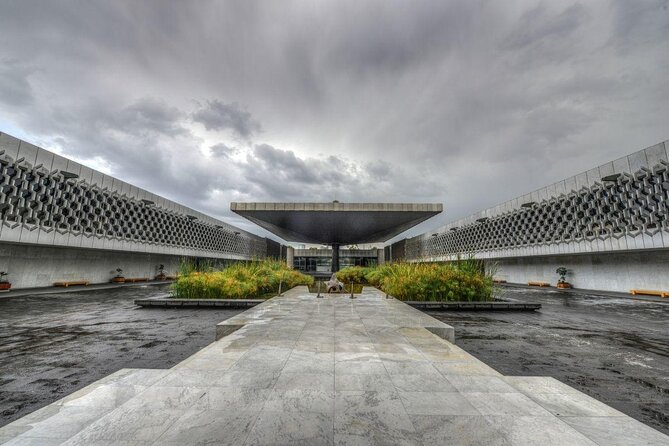
Mexico City is loud in the best way, but big museums can feel like a firehose. This tour helps you aim. Instead of wandering aisle to aisle, you’re guided through the emblematic rooms with a clear goal: understanding Mexico’s cultures and villages before the arrival of the Spaniards.
What I like is that the focus isn’t just dates and names. Guides are set up to explain meaning, including how symbols, myths, gods, and belief systems connect to daily life. That’s the difference between seeing artifacts and understanding what you’re seeing.
It also keeps your time realistic. You’re looking at roughly 2 to 3 hours, which is just long enough to get oriented, take in the main themes, and still feel like you learned something.
Meeting at Reforma and making Chapultepec easy
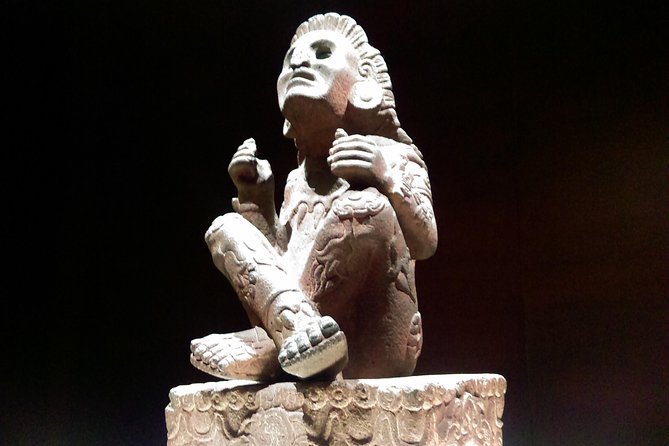
The tour starts at Av. P.º de la Reforma s/n, Polanco, Bosque de Chapultepec I Secc, Miguel Hidalgo, 11560 Ciudad de México, CDMX, Mexico. Ending back at the same meeting point keeps navigation simple at the end of a museum visit when your legs are done bargaining.
This is a good location if you’re already planning time around Chapultepec. The meeting point is also described as near public transportation, which matters because you can spend less time playing taxi roulette and more time inside the museum.
Practical tip: arrive with a little cushion. Even if you’re great at finding places, museum-area routes can change depending on traffic, foot flow, and the day’s crowd level.
Inside the museum: what this tour concentrates on
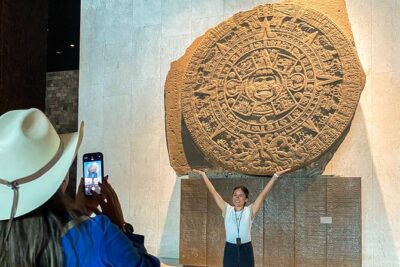
The core of the experience is a guided visit of the Museo Nacional de Antropología’s most emblematic rooms. The purpose is clear: learn about Mexico’s cultures and villages before Spanish arrival.
In plain terms, you’ll be learning the “why” behind the exhibits. Instead of treating objects like isolated masterpieces, your guide connects them to themes like:
- belief and religion (including gods and how people honored them)
- political and social organization
- geography and how places shaped life
- conflict and change over time
- the meaning of symbols you’d otherwise miss
That matters because the museum is huge in scope. Without structure, it’s easy to spot impressive pieces but leave not knowing what held the narrative together. With a guide, the exhibits become a timeline of people, ideas, and cultural evolution.
More galleries and rooftops worth the ticket
- CDMX: Xochimilco, Coyoacan, Frida Kahlo Museum & Murals Tour★ 4.4 · 3,025 reviews
- Frida Kahlo VIP [Museum Tickets Included] Bike, Markets & Churros★ 5.0 · 1,072 reviews
- Frida Kahlo VIP [Museum Tickets Included] Walk, Markets & Churros★ 5.0 · 982 reviews
- EXCLUSIVE TOUR Frida Kahlo Museum – SMALL GROUPS★ 5.0 · 901 reviews
- Mexico City: Frida Kahlo Museum Entry Ticket w/Digital Guide★ 4.5 · 683 reviews
Why guides like Hector and Edith change everything
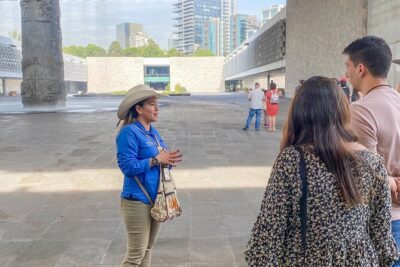
A big chunk of the praise for this tour centers on the guides’ storytelling. Names that come up repeatedly include Hector and Edith, and the pattern is consistent: they explain history as a story, not a lecture.
One standout theme from feedback is how guides help you connect artifacts to real-world meaning. For example, symbolism and mythology aren’t presented as trivia. They’re used as a lens to understand belief and tradition, and how that thinking shows up in later practices.
Edith is also described in feedback as having a Ph.D. in History, and that background shows in the way the tour is wrapped in context and fact. Hector is repeatedly praised for enthusiasm and for making the museum feel like a living narrative, not a warehouse of objects.
You don’t need a museum degree to follow along. The tour is structured so you can keep up even if you’re starting from zero.
The audio and small-group setup that keeps you from missing details
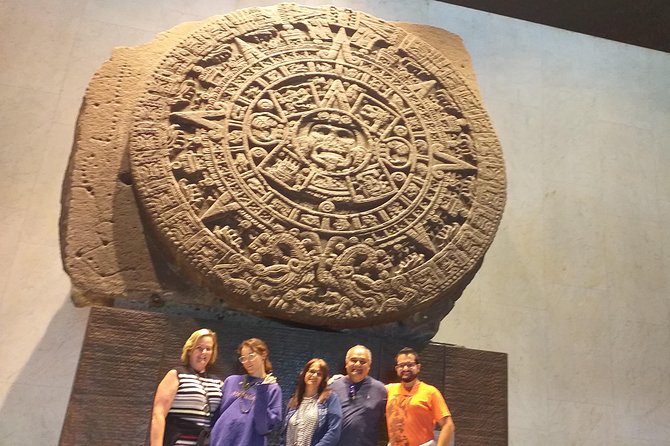
This tour isn’t built for huge crowds. It has a maximum of 6 travelers, and that is a big deal in the museum setting.
First, smaller groups mean you’re less likely to lose the guide every time you stop to look closer. Second, when questions come up, you’re more likely to get a direct answer instead of a general one.
Then there’s the audiobox system. If there are 6 clients or more, you’re provided audiobox equipment. In practice, this cuts down the frustration of strain-listening inside a high-traffic building. You get to focus on what’s being explained rather than chasing sound.
A small note from the experience: the headsets can help you hear clearly, but not every guide style may match every age group equally. Since the tour is not offered under 18, you can assume it’s designed for adults and older teens who can handle a lot of context and discussion.
What you’ll feel after: the museum becomes usable
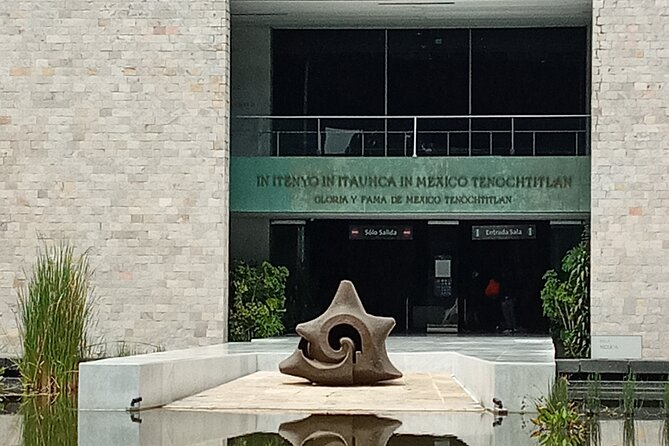
Here’s the best part of a guided anthropology tour: the knowledge sticks because it’s organized.
Several pieces of feedback point to the same result: after learning how the symbols and themes fit together, people ended up spotting those ideas again later during the rest of their Mexico City days. That’s a sign the tour isn’t just about that room. It’s about helping you read the culture around you.
If you like museums, you’ll probably leave wanting to connect more dots on your own. If you don’t usually love museums, this format can still work because it turns the visit into a guided story with a payoff: you understand what you saw instead of just ticking boxes.
Time, comfort, and what to bring for a 2–3 hour museum session
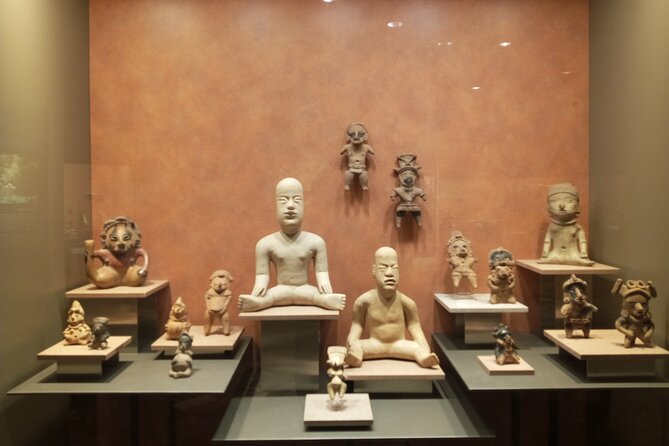
Plan for moderate physical comfort needs. The tour calls for moderate physical fitness. That usually means walking, standing, and moving between rooms inside a large venue.
Good news: feedback mentions that guides made a point to include places to sit a few times during listening. That’s not a guarantee for every group, but it matches the overall style: pacing matters here.
What to bring:
- Comfortable shoes for indoor walking
- A light layer if you tend to feel cold in museums or transport
- Basic hydration planning, since bottled water isn’t included
- A phone for notes, since guides may use technology to support understanding
No lunch is included. And since bottled water isn’t included either, I suggest you eat beforehand or plan a meal soon after. The tour ends back at the starting meeting point, so you won’t have to solve logistics mid-day.
Included vs. not included: what you’re really paying for
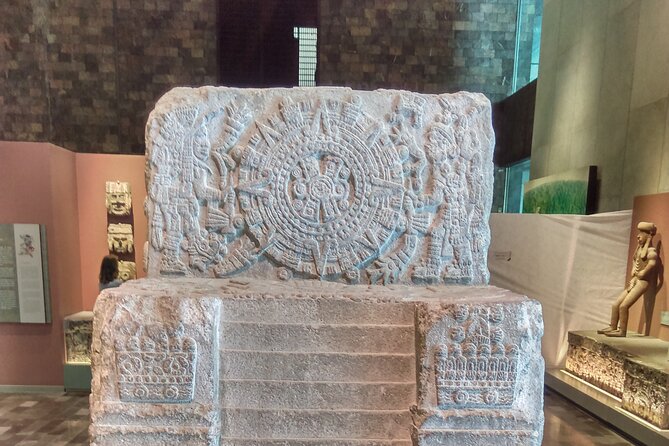
This tour includes:
- museum access ticket
- federally licensed guide certified by SECTUR
- audiobox equipment for groups of 6 clients or more
- guided time in the museum’s emblematic rooms
- operation in English
Not included:
- private transportation
- lunch
- bottled water
That mix is what makes the value feel practical. You’re not paying extra for basic museum entry, and you’re not on your own inside a place that can overwhelm you. A licensed guide matters here because the museum’s themes are dense, and interpretation is the main service.
Group discounts are mentioned as part of the offering, too. If you’re traveling with friends, that’s worth considering. Smaller groups also help the guide keep track of questions and pace, which is harder in larger settings.
Price and logistics: when this tour is a smart move
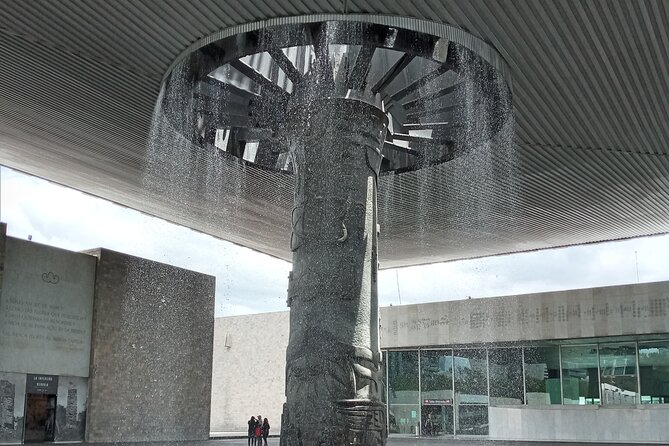
Since there’s no price number here, I’ll judge value by what’s bundled. You’re getting admission, licensed guidance, and (when eligible) audio support. That means your money goes toward interpretation rather than basics.
This tour is especially worth it if:
- you have limited time in Mexico City and want the museum to make sense fast
- you want pre-Spanish history framed through stories, gods, and symbols
- you’d rather ask questions than follow a map alone
- you prefer a small group (max 6)
It may be less ideal if:
- you want a free-form museum wander with no structure
- you’re traveling with kids (this one is not available for those under 18)
- you’d rather spend a full day on every room without a guided time limit
The sweet spot is clear: you want understanding, not just photos.
So, should you book this Museo Nacional de Antropología tour?
If you’re planning a Mexico City trip and want one museum moment that feels organized and meaningful, I’d book it. The setup is designed for focus: pre-Spanish Mexico, guided through emblematic rooms in English, with audio support when the group size reaches 6.
I’d especially recommend it if you like myth, symbols, religion, and the human story behind objects. The repeated mentions of guides like Hector and Edith point to a style that makes the museum easier to follow and easier to remember.
The only clear reason to skip is if you’re looking for a kid-friendly visit or you want an unguided walk-through. Otherwise, this is one of those “save yourself time” choices that turns a big museum into a coherent experience.
FAQ
How long is the Museo Nacional de Antropología guided tour?
It runs about 2 to 3 hours.
Is the tour offered in English?
Yes, it is offered in English.
Where does the tour meet?
The meeting point is Av. P.º de la Reforma s/n, Polanco, Bosque de Chapultepec I Secc, Miguel Hidalgo, 11560 Ciudad de México, CDMX, Mexico, and the tour ends back at the same meeting point.
What’s included in the experience?
The tour includes museum access, a federally licensed guide certified by SECTUR, and audiobox equipment for groups of 6 clients or more. Admission ticket is included.
Is there audio equipment for hearing the guide?
Yes. Audiobox equipment is provided for 6 clients or more.
How large is the group?
The tour has a maximum of 6 travelers.
Is there a free cancellation option?
Yes. You can cancel for a full refund up to 24 hours before the experience starts (local time rules apply).
More Tour Reviews in Mexico City




Behind the Ticket: More CDMX Museums




More Rooms at the Anthropology Museum
Fresh from our Mexico City notebook




Anthropology Museum Tours, compared.
 ★ 4.5Chapultepec Castle & Anthropology Museum TourFrom $791,348 reviews
 ★ 4.5Anthropology Museum Guided TourFrom $391,035 reviews
 ★ 4.4Anthropology Museum Guided VisitFrom $67708 reviews
 ★ 4.5Chapultepec Castle and Anthropology Museum TourFrom $47637 reviews
 ★ 4.4Anthropology Museum Skip-the-Line TicketFrom $15502 reviews
 ★ 5.0Anthropology Museum Private Experience Walking TourFrom $78355 reviews
 ★ 5.05 Hour Tour through Chapultepec, Anthropology Museum and CastleFrom $61239 reviews
 ★ 5.0PRIVATE Tour in Chapultepec Castle and Museum of AnthropologyFrom $113144 reviews
Browse the lists this tour appears in