
REVIEW · TICKETS
Mexico City: Ticket de entrada Museo Memoria y Tolerancia
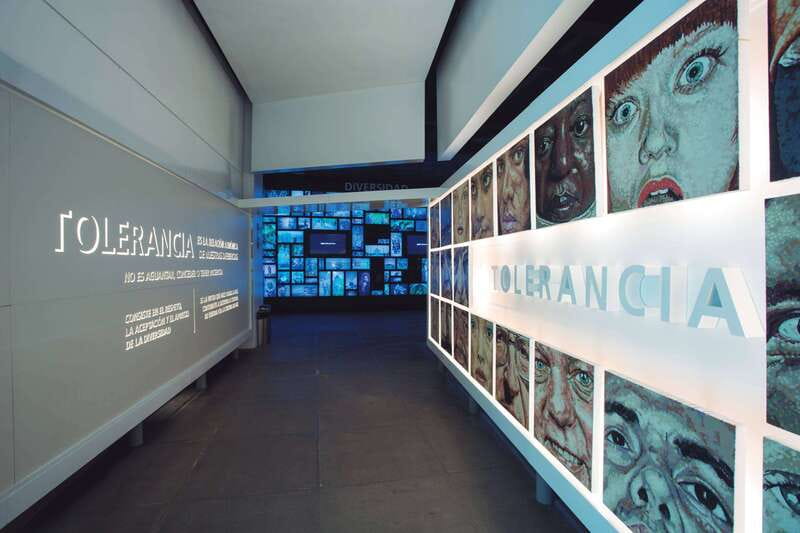
Walk into Museo Memoria y Tolerancia and you immediately feel the purpose. This Mexico City ticket gets you access to the museum’s permanent exhibition on the Holocaust and other crimes against humanity, plus temporary shows—organized across 43 rooms with more than 1,200 objects, documents, and audiovisual pieces.
I love the way the museum blends history with art you can’t ignore, including installations by Jan Hendrix and thought-provoking interactive works. I also like the audioguide setup, since it’s available in Spanish and English, so you can move at your own pace without losing the thread.
One consideration: the permanent exhibitions are recommended for children over 15, and the topics are heavy. If you’re bringing younger kids, plan to go together with extra time for breaks and discussion.
In This Review
- Key highlights you should actually care about
- Plaza Juárez location: quick to find, easy to start strong
- Your ticket + audioguide: the best way to control the pace
- The permanent exhibition: 43 rooms built for memory and warning
- Why the room-by-room format works
- Installations you can’t ignore: Jan Hendrix and more
- Jan Hendrix works: Lost Potential and Cube
- Metronomes by Lozano-Hemmer: time as pressure
- Interactive works: The Wings of Peace and YOU
- Holocaust and memory anchors: documents, a WWII train wagon, and a Berlin Wall fragment
- Why these objects matter for first-time visitors
- Non-violence and societal change: Carl Fredrik Reuterswärd and beyond
- Temporary exhibitions: add another layer without losing the thread
- What to watch for as you plan your day
- Price and value: what $13 buys you in real terms
- Who should book this museum ticket
- Final call: should you book Museo Memoria y Tolerancia?
- FAQ
- Is the Museo Memoria y Tolerancia entrance ticket for 1 day?
- What is included with the ticket?
- Do I get an audioguide, and what languages are available?
- Where exactly is the museum in Mexico City?
- Can I bring food and drinks into the museum?
- Is the museum wheelchair accessible?
- Is it suitable for children?
Key highlights you should actually care about
- 43 permanent rooms designed to build understanding step by step
- 1,200+ objects and documents plus audiovisual materials that ground the message
- Holocaust and crimes against humanity coverage, including multiple historic contexts
- Big-name installations like Jan Hendrix’s works and other striking interactive pieces
- Temporary exhibitions included so you won’t feel like you saw the whole museum in one hour
Worth a look right beside this Mexico City pick:
- Lucha Libre Tickets & Tacos & Beer & Mezcal – BEST NIGHT EVER!
★ 5.0 · 1,077 reviews - Frida Kahlo VIP [Museum Tickets Included] Bike, Markets & Churros
★ 5.0 · 1,072 reviews - Frida Kahlo VIP [Museum Tickets Included] Walk, Markets & Churros
★ 5.0 · 982 reviews - Mexico City: Frida Kahlo Museum Entry Ticket w/Digital Guide
★ 4.5 · 683 reviews
Plaza Juárez location: quick to find, easy to start strong
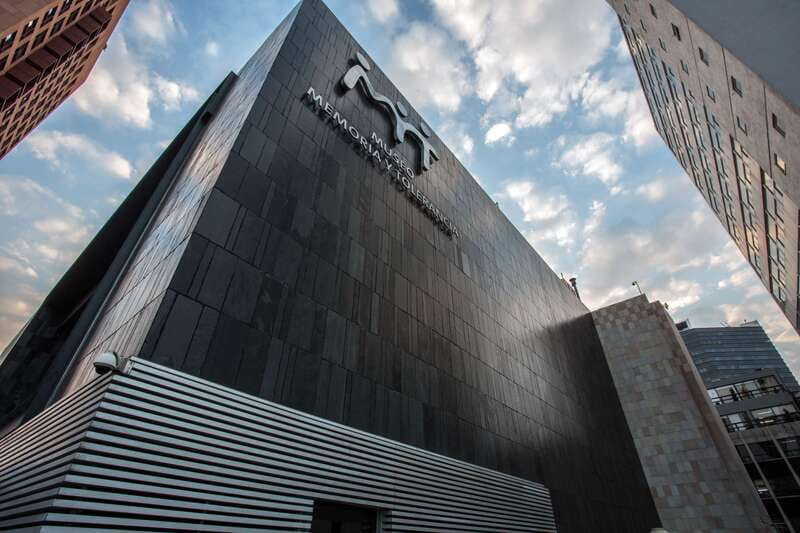
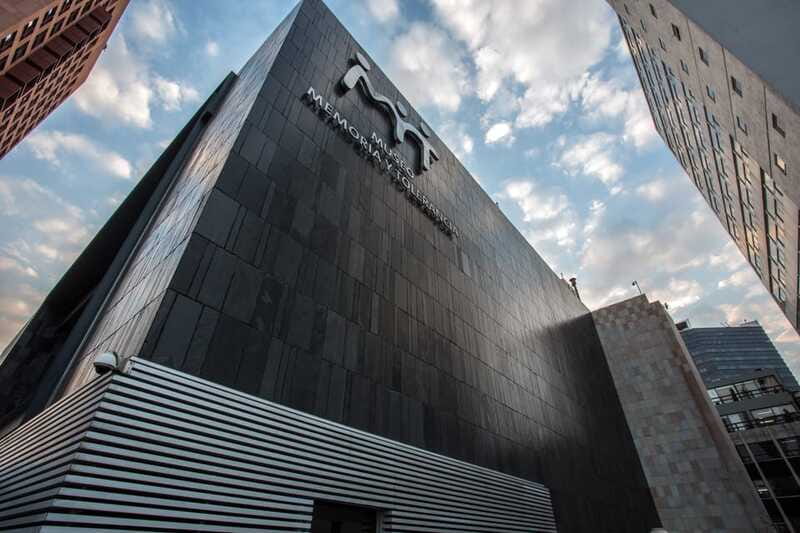
This museum sits in downtown Mexico City at Plaza Juárez, right next to the Secretaría de Relaciones Exteriores and in front of the Hemicycle to Juárez. That location matters because it makes your visit simple to pair with other central sights. You can plan a day on foot, then come here for something focused and intense.
To get your bearings fast, I suggest you arrive with a plan for pacing. You’re not rushing through a few rooms; you’re taking in a museum built around long attention. Even though the ticket is valid for 1 day, the permanent exhibition is the heart of the experience, and it will reward slow movement.
Also note the museum doesn’t allow food and drinks. So if you’re tempted to snack on the way in, don’t. Plan to eat before you arrive or after you finish.
Your ticket + audioguide: the best way to control the pace
Your entrance ticket includes an audioguide in Spanish and English. That sounds small, but it changes everything. Museums like this can feel overwhelming if you’re stuck trying to read every label. With the audioguide, you can focus on the major rooms and installations while still getting the key context.
A practical approach: use the audioguide to steer you through the permanent exhibition in sections, not room-by-room as a checklist. If you try to “finish everything,” you’ll likely end up skimming. Instead, pick the rooms and installations that pull you in hardest—then circle back if you still have energy.
The museum’s mission is not just to show suffering; it’s to warn you about the danger of indifference, discrimination, and violence, and to encourage tolerance and human rights. The audioguide helps you connect the dots so the message doesn’t feel like random information—it becomes a clear argument.
The permanent exhibition: 43 rooms built for memory and warning
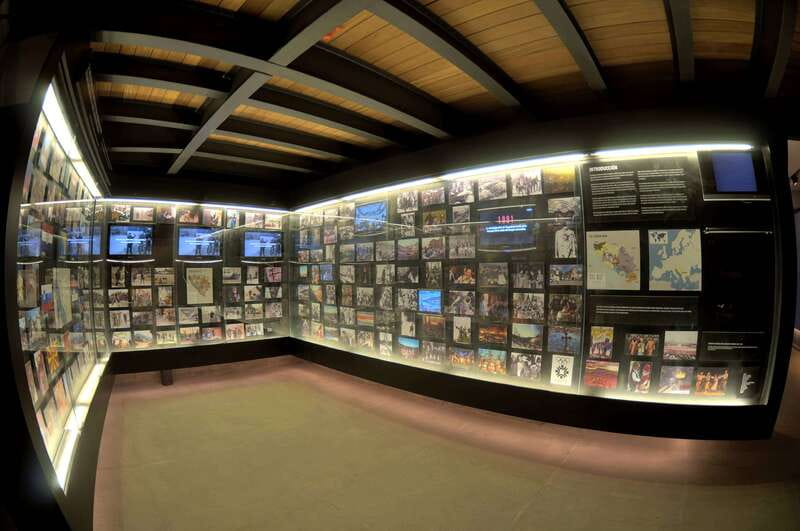
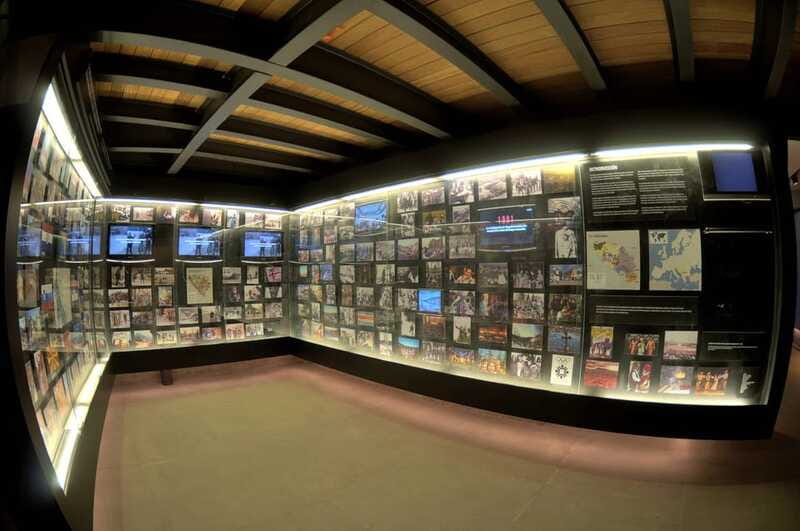
You’ll spend your visit inside the museum’s 43-room permanent exhibition, which includes more than 1,200 objects and documents plus audiovisual pieces. The structure is designed to create a historical and human experience—meaning you’re not only learning facts, you’re also being asked to reflect on what those facts mean.
What you’ll see centers on the Holocaust and other crimes against humanity, with coverage that the museum describes as spanning major cases such as the Armenian genocides, Rwanda, Guatemala, Cambodia, Darfur, and Yugoslavia. The point is to show patterns: how discrimination hardens, how violence spreads, and how indifference makes harm easier.
A museum like this can feel emotionally heavy. The balance here is that the museum also points toward tolerance and social action. You’re not left only with tragedy—you’re pushed toward awareness, respect, and responsibility.
Wider loops around Mexico City
- Teotihuacan Hot Air Balloon Flight from Mexico City / Volare★ 5.0 · 3,262 reviews
- Teotihuacan Private Tour from Mexico City★ 5.0 · 1,890 reviews
- Historic Center Food Tour in Mexico City★ 5.0 · 1,263 reviews
- The best tour to Teotihuacán from Mexico City★ 5.0 · 1,236 reviews
- From Mexico City: Puebla, Cholula and Tonantzintla Day Trip★ 4.3 · 1,191 reviews
Why the room-by-room format works
You might think a museum would be better as one big space. But the 43-room layout is useful. It prevents you from mentally “buffering” the message. By breaking the story into rooms, the museum gives you time to absorb key themes and then move forward with context.
The downside is that it can take longer than you expect, especially if you want to really read and listen. Plan your day so you’re not sprinting out at the end just because your next reservation starts soon.
Installations you can’t ignore: Jan Hendrix and more
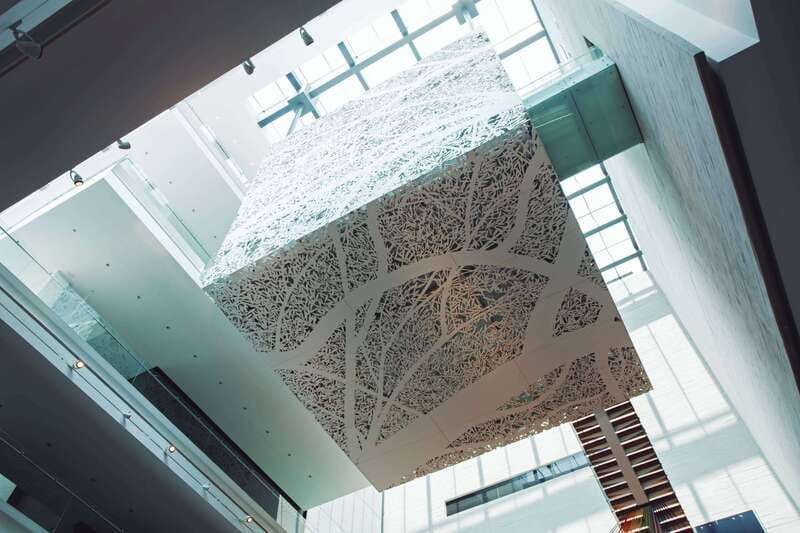
One of the museum’s strengths is how it uses art installations to translate ideas that history alone can’t always carry. Several works are especially memorable, and they shape the tone of the visit.
Jan Hendrix works: Lost Potential and Cube
If you’re someone who likes installations that stick in your memory, you’ll recognize Jan Hendrix’s presence more than once. The museum includes works such as Lost Potential and Cube.
What makes these pieces effective is not just their appearance. They fit the museum’s theme: how lives and possibilities can be crushed by hatred and violence—and how memory can become a moral warning. Even when you’re not fully “getting” every artistic choice right away, you feel the intention.
Metronomes by Lozano-Hemmer: time as pressure
You’ll also see metronomes by Lozano-Hemmer. Metronomes bring in an idea of rhythm and timing, which can feel quietly unsettling in a museum about atrocities. They turn the theme of warning into something physical—like the pressure of time running out or decisions becoming irreversible.
Interactive works: The Wings of Peace and YOU
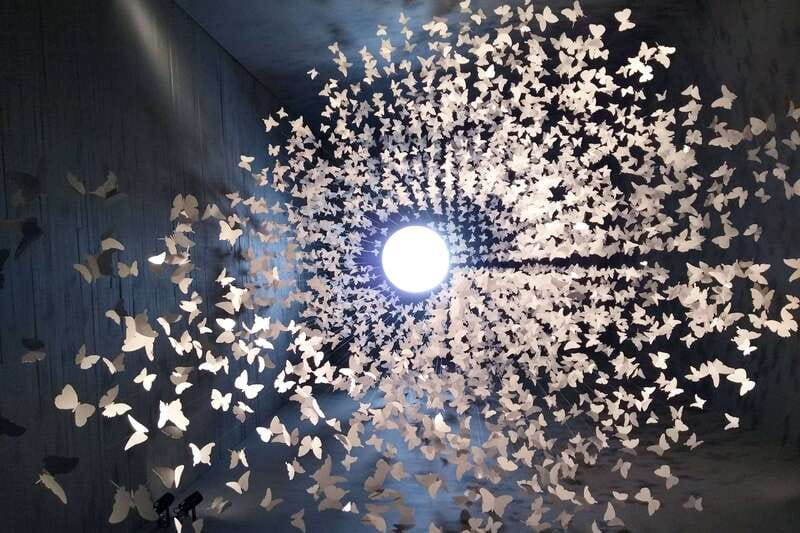
The museum also includes interactive installations such as The Wings of Peace by Jorge Marin and YOU by Rivelino. Interactive art in a history museum can be risky—it can turn pain into spectacle. Here, the interaction seems aimed at reflection rather than distraction, pushing you to engage with the idea of participation in tolerance and change.
In plain terms: you don’t just watch. You respond. That’s often what makes the lasting impression.
Holocaust and memory anchors: documents, a WWII train wagon, and a Berlin Wall fragment
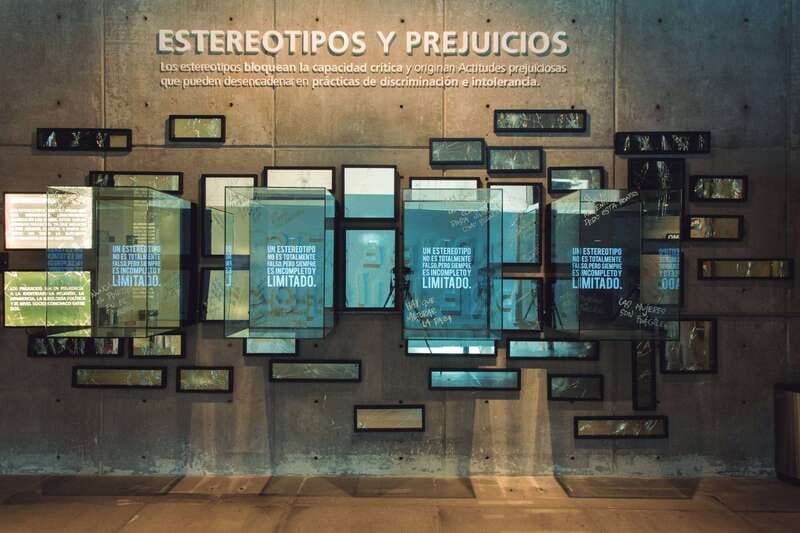
Some exhibits are built around physical artifacts that do the emotional work for you. A few stand out based on what the museum includes in its permanent installations.
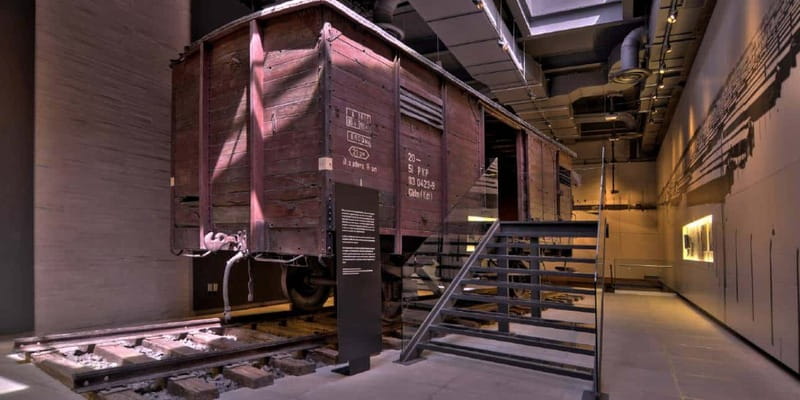
You can see a Train wagon used in World War II for the transfer of prisoners. That kind of object turns abstract history into a tangible reality. Even if you only spend a few minutes there, it tends to recalibrate your sense of what deportation and imprisonment meant.
The museum also includes a Fragment of the Berlin Wall. That’s powerful because it connects crimes against humanity to the broader idea of division—how societies create barriers, then justify treating people as less than human.
Why these objects matter for first-time visitors
If you’re coming to this museum as a first exposure to some of these topics, anchors like these help you remember the larger story. They also provide a fixed reference point when the room-to-room flow becomes heavy.
Non-violence and societal change: Carl Fredrik Reuterswärd and beyond
You’ll encounter the Non-Violence Project sculpture by Carl Fredrik Reuterswärd. The title alone signals the museum’s balancing act: it doesn’t stop at documenting harm. It pushes you toward principles that oppose it.
That matters because museums focused on atrocity can sometimes leave visitors with guilt and silence. This one asks for more than awareness—it asks for tolerance, peace culture, respect for human rights, and social action.
You don’t have to leave feeling cheerful. But you should leave with clearer purpose—like you’ve been given tools for how to notice discrimination and not shrug it off.
Temporary exhibitions: add another layer without losing the thread
Your ticket also includes a visit to temporary exhibitions. This is a practical plus. The permanent exhibition is the main event, but temporary work can add new angles, fresh context, or new artistic responses to the museum’s mission.
Because you only have 1 day, I’d treat temporary exhibitions as optional “bonus rooms,” not a second full museum. If you’re energized after the permanent rooms, go for them. If you’re emotionally drained, don’t force it—finish strong with what you’ve already seen.
What to watch for as you plan your day
Here’s how I’d structure the visit so you get the most from your time.
- Start with the audioguide so labels don’t become a chore
- Choose a few installations you really want to see, like Jan Hendrix’s works
- Give yourself time at the big anchors (the WWII train wagon and Berlin Wall fragment)
- Expect the emotional weight to build, not peak all at once
Also, the permanent exhibitions are recommended for children older than 15. If you’re traveling with someone under that age, you’ll need an adult accompaniment. If your group includes teens, this is also a museum where teens often learn fast—because it connects information to human choices and consequences.
Price and value: what $13 buys you in real terms
The price is listed at $13 per person for a 1-day ticket. That’s an unusually good value for what you get: a long permanent exhibition across 43 rooms, access to 1,200+ objects/documents, plus audioguide support and temporary exhibitions.
In other words, you’re not paying mainly for a single room or a short “must-see.” You’re buying time and context. Even if you only spend a few hours, the content density is high, and the educational mission is built into the architecture and pacing.
If your goal is a fast, casual museum stop, this isn’t that. But if you want one meaningful Mexico City experience that has depth and staying power, the value looks strong.
Who should book this museum ticket
This museum is a fit if you want:
- A Mexico City museum experience with historical depth and moral clarity
- Art installations that support the message instead of distracting from it
- A self-paced visit where an audioguide helps you follow the story
It’s less ideal if you want light entertainment, quick photos, or a low-emotion cultural stop. And if you have young kids, it’s possible, but the museum itself recommends starting with kids 15+ for the permanent exhibitions.
Final call: should you book Museo Memoria y Tolerancia?
If you’re choosing between a “top sights” day and a meaning-first day, I’d lean toward booking this ticket. For $13, you get a long, structured permanent exhibition, audioguides in Spanish and English, powerful installations (including Jan Hendrix and others), and temporary exhibitions included. It’s not a casual experience, but it is a serious one that aims to leave you more aware—and more responsible.
FAQ
Is the Museo Memoria y Tolerancia entrance ticket for 1 day?
Yes. The ticket is valid for 1 day, and you can check starting times based on availability.
What is included with the ticket?
Your ticket includes entry to the museum, an audioguide available in Spanish and English, and access to temporary exhibitions.
Do I get an audioguide, and what languages are available?
Yes. The audioguide is included, with options in Spanish and English.
Where exactly is the museum in Mexico City?
The museum is located at Plaza Juárez in downtown Mexico City, next to the Secretaría de Relaciones Exteriores and in front of the Hemicycle to Juárez.
Can I bring food and drinks into the museum?
No. Food and drinks are not allowed.
Is the museum wheelchair accessible?
Yes. The museum is wheelchair accessible.
Is it suitable for children?
The permanent exhibitions are recommended for children older than 15 years old. Children younger than 15 need to be accompanied by an adult.
The City in a Single Day




More Tickets in Mexico City




More Tour Reviews in Mexico City




Fresh from our Mexico City notebook



Tickets, compared.
 ★ 5.0Lucha Libre Tickets & Tacos & Beer & Mezcal – BEST NIGHT EVER!From $841,077 reviews
 ★ 5.0Frida Kahlo VIP [Museum Tickets Included] Bike, Markets & ChurrosFrom $831,072 reviews
 ★ 5.0Frida Kahlo VIP [Museum Tickets Included] Walk, Markets & ChurrosFrom $83982 reviews
 ★ 4.5Frida Kahlo Museum Entry Ticket w/Digital GuideFrom $34683 reviews
 ★ 4.4Anthropology Museum Skip-the-Line TicketFrom $15502 reviews
 ★ 3.5Frida Kahlo and Anahuacalli Museums Ticket with Digital GuideFrom $49164 reviews
 ★ 3.8Chapultepec Castle Skip-the-Line TicketFrom $29122 reviews
 ★ 4.0Frida Kahlo Museum Ticket with Written Digital GuideFrom $4799 reviews