
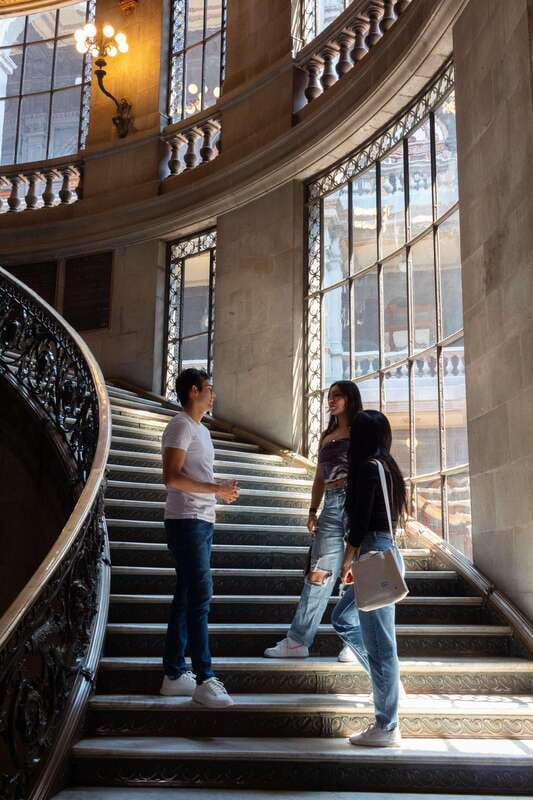
REVIEW · MEXICO CITY MUSEUMS & GALLERIES
Mexico City: National Art Museum Guided Tour
A museum tour that teaches you to see. This guided walk through Mexico City’s National Art Museum (MUNAL) makes Mexican art history feel connected, not random, with a focus on muralism and what came next. I particularly like how the guide frames Rivera, Orozco, and Siqueiros so you understand the message behind the paint, not just the names.
I also like the variety: 2 hours that can cover Mexican landscape painting, sculpture from the San Carlos School, and French frescoes and furniture, all without the tour turning into a history lecture. One drawback to consider: the museum entrance ticket is extra, and because the pace is brisk, you’ll probably want to choose one or two favorites to revisit on your own time after.
In This Review
- Key things to know before you go
- MUNAL’s sweet spot: Mexican art told through the collection
- Finding your group fast: the main gate meet-up
- Muralism made practical: Rivera, Orozco, and Siqueiros
- Mexican landscape painting: more than scenery
- Sculpture from the San Carlos School: a different way to “read” art
- French frescoes and furniture: the European thread in the story
- Moving through time: Novohispanic art to the 20th century
- Small-group energy: bilingual guides and real conversation
- Price and what you’re really getting for $52
- Who should book this tour?
- Should you book the MUNAL guided tour?
- FAQ
- Is the museum entrance ticket included in the $52 price?
- How long is the National Art Museum guided tour?
- Where do we meet for the tour?
- How big is the group?
- What languages are available for the live guide?
- Can I cancel or pay later?
Key things to know before you go
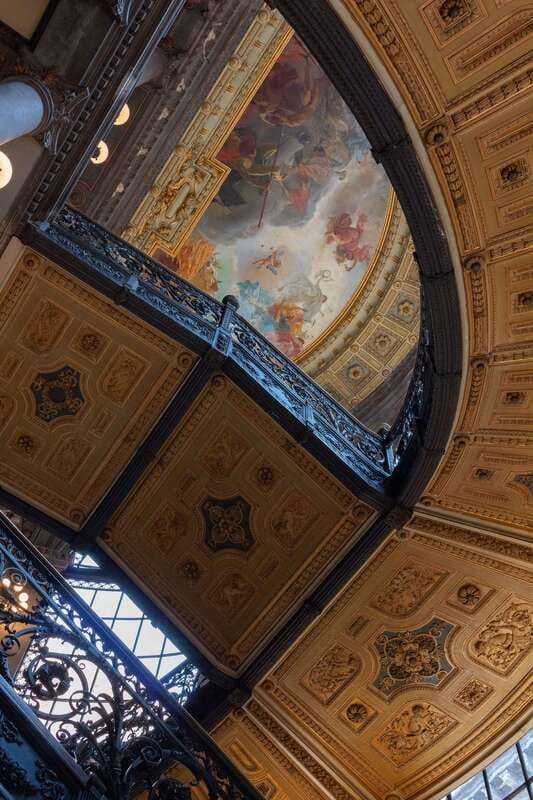
- Small group size (up to 10) keeps questions easy and the pace human
- Muralism essentials with major artists like Rivera, Orozco, and Siqueiros
- Permanent exhibition focus on Mexican landscape painting for a clear theme
- San Carlos School sculpture + French frescoes gives you a broader art-world context
- A timeline across eras so you can place Novohispanic art through the 20th century
- Meeting at the main gate with a Mexican flag makes it simpler to find your guide fast
More galleries and rooftops worth the ticket
- CDMX: Xochimilco, Coyoacan, Frida Kahlo Museum & Murals Tour
★ 4.4 · 3,025 reviews - Chapultepec Castle & Anthropology Museum Tour
★ 4.5 · 1,348 reviews - Frida Kahlo VIP [Museum Tickets Included] Bike, Markets & Churros
★ 5.0 · 1,072 reviews - Anthropology Museum Guided Tour
★ 4.5 · 1,035 reviews
MUNAL’s sweet spot: Mexican art told through the collection
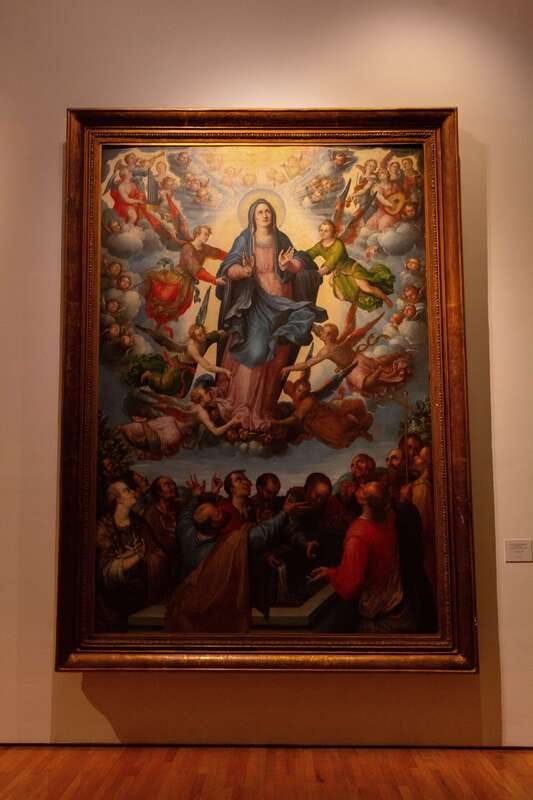
If you’re trying to make sense of Mexican art, MUNAL is a smart starting point. The museum’s strength is that it doesn’t treat Mexican art like a single style that never changes. Instead, it gives you an art timeline you can actually follow—Novohispanic pieces, European influences, muralism, and newer 20th-century forms that feel like a creative reset.
What I like about this tour is that it doesn’t just point at highlights. It gives you meaning. You learn why muralism mattered in Mexico, then you get pulled forward into how artists experimented later, including new forms of the 20th century. That shift—from public wall art and big national ideas to later artistic directions—is one of the main reasons this feels like more than a quick museum stop.
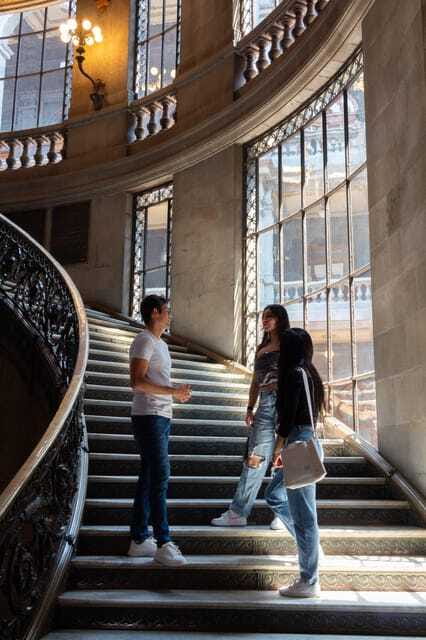
And yes, the building itself helps. One guide-led experience description calls the museum structure amazing, and I get why. Even before you get to the art, the setting gives you a sense you’re in a serious cultural space.
Finding your group fast: the main gate meet-up
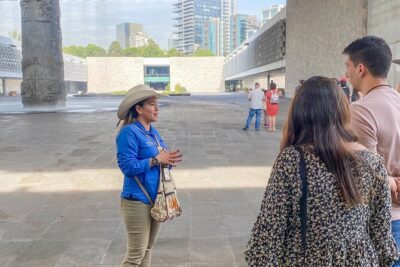
You meet at the National Art Museum’s main gate, and your guide is easy to spot because they’re holding a Mexican flag. That’s a small detail, but it matters in Mexico City, where entrances can be busy and streets can shift around you.
From there, the tour moves as a guided path through key rooms and themes. You’re not wandering alone, guessing which paintings are the most important. You’re also not stuck listening to someone read label text for an hour. The guides (including people like Jesus and José) tend to keep things interactive—so if you ask something like how one artist’s approach differs from another, you’ll likely get an answer that actually helps you look.
One note from real-world experiences: some guides can be a bit flamboyant with photo-taking habits, and they may take pictures of you more than once. If you prefer a quieter, no-frills guide style, that’s worth factoring in. For most people, the energy is part of the fun.
Muralism made practical: Rivera, Orozco, and Siqueiros

Muralism is where a lot of visitors get stuck: they recognize the names, but not the connections. This tour is designed to fix that. You’ll spend time admiring works by Rivera, Orozco, Siqueiros, and you’ll also see artists who help round out the muralist era—so it’s not just three big names and a goodbye.
Here’s what I think the guide approach is doing well for your experience: muralism can feel like politics on a wall until someone explains the how and why. You start to notice technique and intention—how artists use composition, symbolism, and scale to communicate. Instead of staring at a painting and wondering what you’re supposed to feel, you learn what to look for.
You’ll also get context for muralism as a movement tied to Mexican identity and public life. That matters because these works were not built to be “only art.” They were built to speak.
And if you’re a first-timer, this is a huge advantage. You leave with a mental map you can use later when you see murals in the city or other museum collections.
More days handed to a good guide
- Anthropology Museum Guided Tour★ 4.5 · 1,035 reviews
- Mexico City: Anthropology Museum Guided Visit★ 4.4 · 708 reviews
- Mexico City: Frida Kahlo Museum Entry Ticket w/Digital Guide★ 4.5 · 683 reviews
- Guided Tour in Teotihuacan with Cave Breakfast and Transportation★ 5.0 · 613 reviews
- Teotihuacan Private Tour with Expert Guide & Cultural Insights★ 5.0 · 577 reviews
Mexican landscape painting: more than scenery
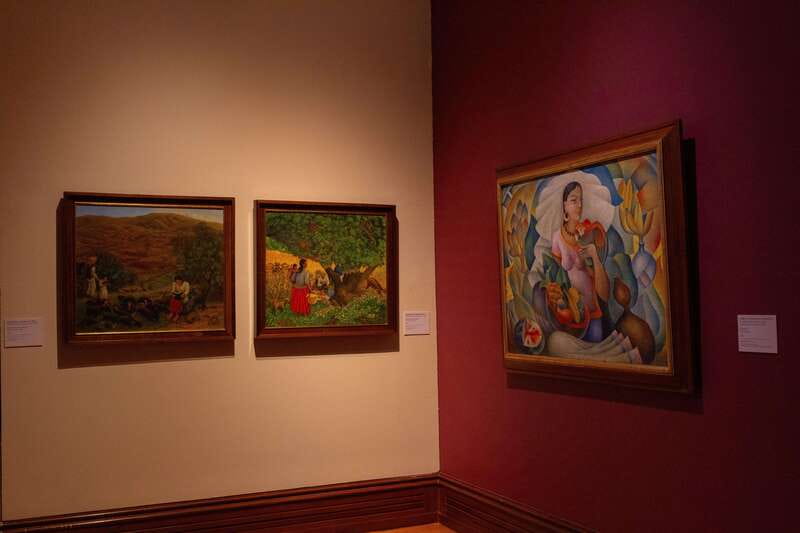
The tour includes a permanent exhibition on Mexican landscape painting, and that theme pays off because it gives you a visual contrast to the muralists. A mural can feel urgent and symbolic; a landscape can look calm at first glance. The guide helps you see what’s going on underneath.
This is where you learn that landscape painting in Mexico often carries ideas about land, identity, and perspective. Instead of treating the background as decoration, you start reading it like part of the story.
If you’re the type who thinks you don’t get “nature paintings,” this is the room where you might surprise yourself. With the right context, you can understand what the artist is emphasizing—light, distance, atmosphere, and how the scene fits into a larger cultural picture.
Sculpture from the San Carlos School: a different way to “read” art
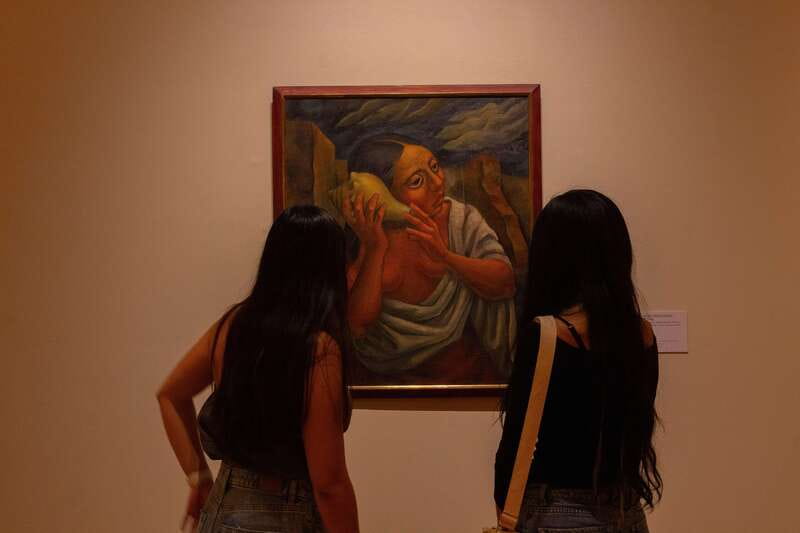
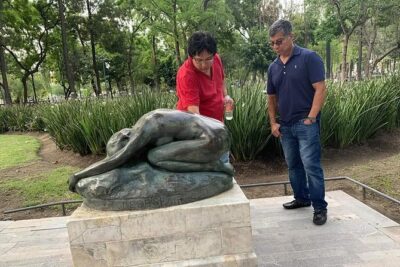
Not every museum tour includes sculpture in a way that feels relevant. Here, you’ll see examples of sculpture from the San Carlos School, which helps broaden your understanding of Mexican art beyond paintings.
Why it’s worth your time: sculpture forces you to look at form differently. Paint can guide you with color and mood; sculpture adds physical space and shape. When you pair that with what you’re learning about painting and murals, it helps you see artistic choices across media.
It also gives you a bridge to the broader art world influences that show up later in the tour—European styles, techniques, and materials that interacted with Mexican artistic directions over time.
French frescoes and furniture: the European thread in the story
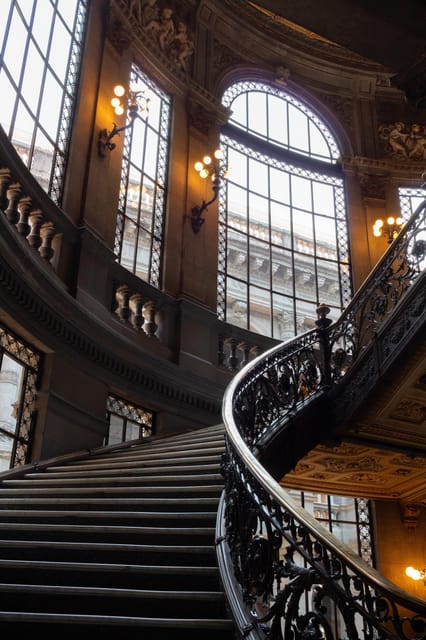
One of the more interesting parts of the experience is how it includes French frescoes and French furniture alongside Mexican art. That might sound random until you realize the tour is trying to show how art doesn’t grow in isolation.
This is where your understanding of Mexican art shifts from a straight-line story to a network. You start seeing how artists and collections reflect cultural exchanges—what came from Europe, what was adapted, and how Mexican artists made those influences their own (or responded to them).
For many people, this is also a relief. You’re not locked into one genre. You’re learning how museums collect objects, and how collections can tell a story about taste, politics, and exchange.
Moving through time: Novohispanic art to the 20th century
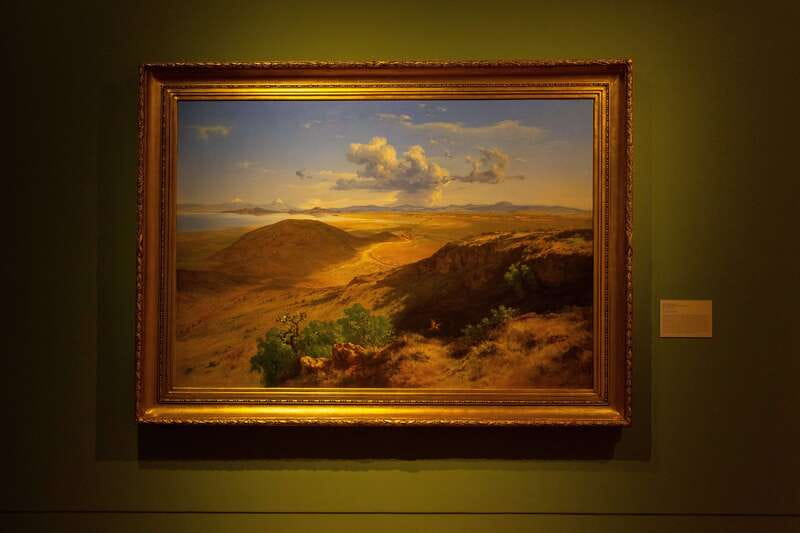
The biggest promise of this tour is that it helps you travel through time and cover almost all the major eras of Mexican art history in one visit. That happens because the guide keeps linking rooms and themes so the museum doesn’t feel like disconnected “stop number one, stop number two.”
You’ll see Novohispanic art, then move forward to later developments, including newer forms of the 20th century. Artists you may encounter include Marta Izquierdo, Anguiano, Velasco, and Dr. Atl, among others.
What you gain from this approach is orientation. You stop asking, Where does this fit? Instead, you’re able to say, Oh, I see how that connects to what I saw earlier.
A tour like this is especially helpful in Mexico City, where you can easily fill your days with museums that all feel intense and overwhelming. Getting the timeline first can make the rest of your trip easier.
Small-group energy: bilingual guides and real conversation
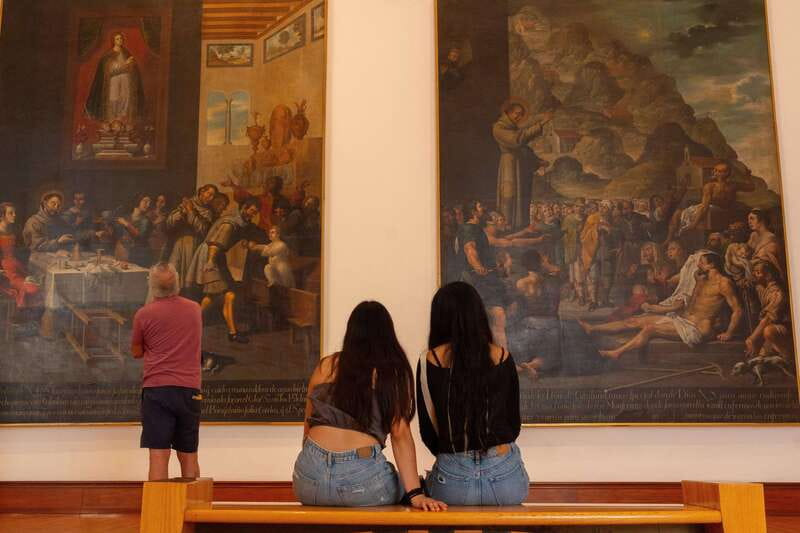
This is a small group limited to 10 participants, and that’s a big deal in museums. It keeps the guide from racing through things so they can “cover everything.” It also makes it more realistic to ask questions and get answers that help you see better.
The guide is live and operates in multiple languages, including English, Spanish, Portuguese, German, and Italian. That flexibility matters if you’re traveling with friends or family who don’t all speak English.
From the experiences shared from real visits, the guides often bring passion for Mexican history and art—so you’re not just receiving facts. You’re being shown how to interpret what you’re looking at. If you like that kind of interactive guiding, you’ll probably have a great time.
One more practical thought: if you’re the kind of person who loves to take photos, tell yourself to manage it. Some guides may take photos of you more than you’d expect, and some may focus their phone on artwork photos too. If that would annoy you, keep your expectations in check.
Price and what you’re really getting for $52
The tour price is $52 per person for a 2-hour guided visit. The key detail is that the museum entrance ticket is not included—it’s 90 MXN (about $6 USD).
So what’s the value? In my view, you’re paying for two things that are hard to replicate on your own:
- A guided path that turns a large museum into a usable story.
- Context that helps you recognize differences between artists, eras, and styles.
Two hours is also the sweet spot for people who want learning without losing the whole day. You get enough time to hit the big themes—muralism, Mexican landscape painting, sculpture, and the timeline—then you can continue exploring the museum at your own pace after.
If you’re on a tight schedule, this is a cost-effective way to avoid wandering room-to-room without a plan.
Who should book this tour?
You’ll get the most from this experience if you:
- Want a guided overview of Mexican art that makes muralism understandable and relevant
- Prefer a structured museum walk rather than reading every label
- Are curious about how Mexican art connects with European influences like French frescoes and furniture
- Like small-group tours where you can ask questions
It’s also a good choice if you’re traveling with mixed interests. Art lovers get the main artists and techniques, while people who mainly want cultural context still get a clear timeline and a variety of media.
If you only want to spend time deeply studying one or two artworks, you might find the pace a bit fast. But you can always use your guided experience as the “map,” then return to your favorites on your own.
Should you book the MUNAL guided tour?
I’d book it if you want Mexican art history that actually makes sense in one sitting. The combination of mural masters, Mexican landscape painting, San Carlos School sculpture, and French frescoes gives you range, and the guide helps you stitch the eras together so you don’t feel lost.
Skip it only if you’re the type who needs to linger for long stretches per painting, or if you strongly dislike a more energetic guide style. Otherwise, for the money and time, this tour is a practical way to see a lot—and understand what you’re seeing.
FAQ
Is the museum entrance ticket included in the $52 price?
No. The tour price does not include the entrance ticket. You’ll need to pay the museum entrance separately (90 MXN, or about 6 USD).
How long is the National Art Museum guided tour?
The tour lasts 2 hours.
Where do we meet for the tour?
You meet at the National Art Museum main gate, where the guide will be holding a Mexican flag.
How big is the group?
The group is small, limited to 10 participants.
What languages are available for the live guide?
The guide is available in English, Spanish, Portuguese, German, and Italian.
Can I cancel or pay later?
Yes. You can cancel up to 24 hours in advance for a full refund, and you can reserve now and pay later.
More Tours in Mexico City



More Tour Reviews in Mexico City




Behind the Ticket: More CDMX Museums



Fresh from our Mexico City notebook




Mexico City Museums & Galleries, compared.
 ★ 4.4Xochimilco, Coyoacan, Frida Kahlo Museum & Murals TourFrom $893,025 reviews
 ★ 4.5Chapultepec Castle & Anthropology Museum TourFrom $791,348 reviews
 ★ 5.0Frida Kahlo VIP [Museum Tickets Included] Bike, Markets & ChurrosFrom $831,072 reviews
 ★ 4.5Anthropology Museum Guided TourFrom $391,035 reviews
 ★ 5.0Frida Kahlo VIP [Museum Tickets Included] Walk, Markets & ChurrosFrom $83982 reviews
 ★ 5.0EXCLUSIVE TOUR Frida Kahlo Museum – SMALL GROUPSFrom $86901 reviews
 ★ 4.4Anthropology Museum Guided VisitFrom $67708 reviews
 ★ 4.5Frida Kahlo Museum Entry Ticket w/Digital GuideFrom $34683 reviews
Browse the lists this tour appears in