
REVIEW · VOLCANO HIKES & NEVADO DE TOLUCA
Mexico City: Guided Volcano Trek with Lunch
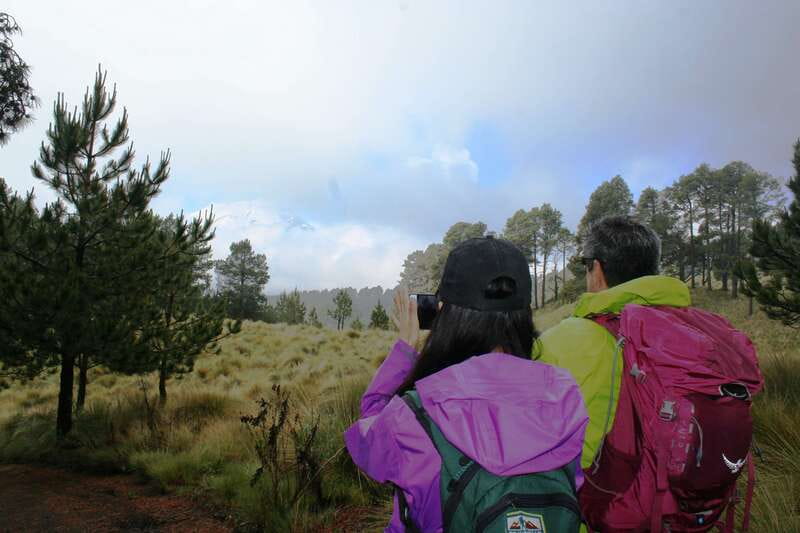
Volcano views are the real reason to leave CDMX. You start at Paso de Cortes and trek toward Popocatepetl fumaroles, with guides like Juan and Alan explaining what you see and keeping the group moving at a sane pace. I love the mix of big-peak moments and quieter ravine trail time, and I love the included market lunch that feels genuinely local. The one possible drawback: if clouds roll in, volcano visibility can drop, and the altitude still hits even on a trail that is not technically hard.
Small-group size (max 13) helps a lot. You also get the practical stuff that makes a long day easier—transportation, entrance fees, rucksack rental, safety equipment, and accident insurance—so you can focus on walking and looking.
In This Review
- Key Highlights I Think You’ll Care About
- Leaving Mexico City for Real Mountain Time (Without Planning Pain)
- How the Drive and Group Size Shape Your Experience
- Paso de Cortes Start: Where You Feel the Volcano Before You Even Reach the Viewpoints
- Cerro Altzomoni and Popocatepetl Fumaroles: The Moment That Makes the Day Worth It
- AmalaCaxco Ravine: When the Hike Gets Calmer and More Botanical
- The Hike Pace: Distance, Elevation, and How Route Choices Help
- Lunch at the Traditional Market: A Real Stop, Not an Afterthought
- Price and What You’re Actually Paying For at $105
- What to Bring So You Don’t Feel Miserable by Hour Five
- Weather and Visibility: The Best Way to Mentally Prep
- Who This Volcano Trek Fits Best (and Who Should Skip It)
- Should You Book Travesías México for This Volcano Day?
- FAQ
- Where is the meeting point for the tour?
- How long is the guided volcano trek?
- Is lunch included?
- What languages does the live guide speak?
- What is the group size?
- What should I bring for the hike?
- Is alcohol included with the lunch?
- Can I cancel for a refund if my plans change?
Key Highlights I Think You’ll Care About
- Paso de Cortes sets the tone: You begin in the lower volcanic zones, then work your way up for wide views.
- Cerro Altzomoni is the star viewpoint: This is where you get close-up drama looking toward Popocatepetl, including fumarole activity.
- Amalacaxco Ravine adds variety: After the peak views, you shift to native flora and fauna in a more sheltered, “walk and notice” zone.
- Guides manage pace around altitude: Names that come up often—Bernardo, Carlos, Cesar, Marco, Michel, Alberto, Alan, and Juan—are praised for patient pacing.
- Lunch is part of the experience: You return to Paso de Cortes, then go to a traditional market for food after the hike.
- Value extras are included: Rucksack rental and safety gear help keep the day comfortable and safer.
More thin-air climbs above the valley
- Nevado De Toluca: Reach the Summit with Professionals
★ 4.8 · 250 reviews - Iztaccihuatl Volcano Hike with an Alpinist
★ 4.0 · 244 reviews - Mexico City: Guided Volcano Trek with Lunch
★ 4.7 · 242 reviews - From Mexico City: Hike Iztaccihuatl Volcano with an Alpinist
★ 4.3 · 155 reviews
Leaving Mexico City for Real Mountain Time (Without Planning Pain)
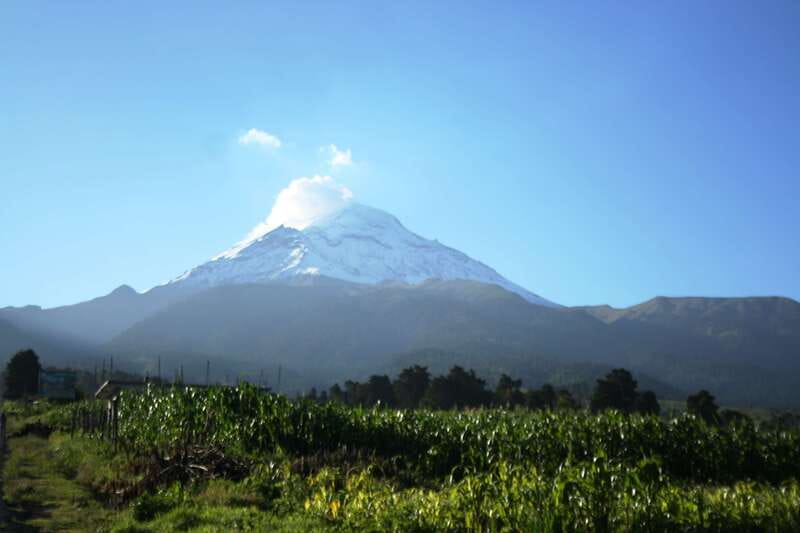
This is the kind of day trip I love when you want nature fast. You’re in Puebla State, in the Iztaccihuatl-Popocatepetl National Park zone, but you’re not stuck figuring out transport, tickets, or route decisions.
You’ll spend the morning heading out from Mexico City, then you’ll hike, then you’ll head back—usually with a market lunch stop on the way. It’s a full 9-hour day, so you get enough walking to feel like you left the city, but it still stays doable for most visitors with basic fitness.
How the Drive and Group Size Shape Your Experience
Most days start early, and you’ll do a van ride out of the city before you reach the park area. Based on past guests’ timing notes, it’s often around a two-hour drive each way, though traffic and weather can change the vibe.
The small group matters because the hike is shared space at altitude. With a maximum of 13 participants, guides can actually monitor everyone’s pace and footing. That’s a big deal when you’re climbing and descending for hours, even if the route is not a technical climbing route.
Paso de Cortes Start: Where You Feel the Volcano Before You Even Reach the Viewpoints
Your day begins at Paso de Cortes, and that’s not just a convenient meeting point—it’s where the volcanic terrain starts to show up clearly. You’ll explore the lower parts first, so you get time to warm up, get oriented, and adjust to the altitude before the steeper moments.
I like this approach because it reduces the “shock factor.” One reason people feel wiped out on mountain days is starting too fast. Here, you ease in, then you’re ready for the viewpoint section.
Also, since you’re in the park area, your guide will be pointing out what you’re seeing in the plants, the ground, and the volcanic features. It turns a hike into something you can actually understand, not just something you walk through.
More days handed to a good guide
- Anthropology Museum Guided Tour★ 4.5 · 1,035 reviews
- Mexico City: Anthropology Museum Guided Visit★ 4.4 · 708 reviews
- Mexico City: Frida Kahlo Museum Entry Ticket w/Digital Guide★ 4.5 · 683 reviews
- Guided Tour in Teotihuacan with Cave Breakfast and Transportation★ 5.0 · 613 reviews
- Teotihuacan Private Tour with Expert Guide & Cultural Insights★ 5.0 · 577 reviews
Cerro Altzomoni and Popocatepetl Fumaroles: The Moment That Makes the Day Worth It

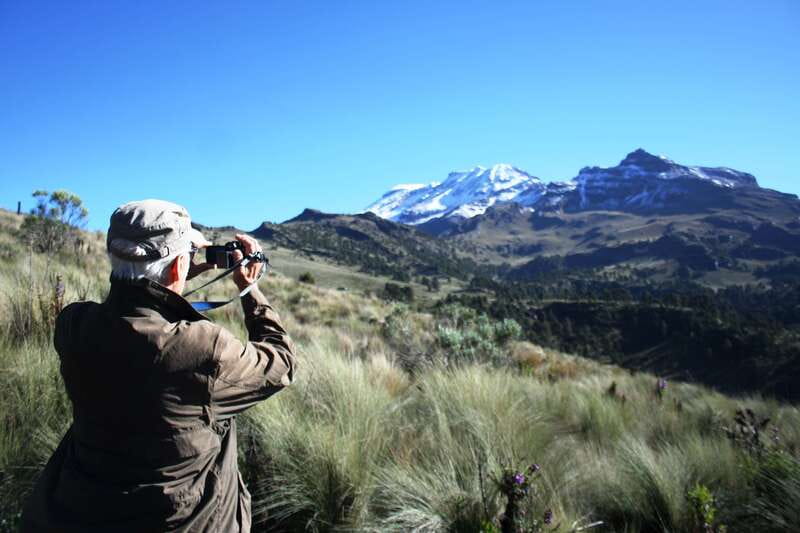
As you move along the route, you climb toward Cerro Altzomoni. This is where the day’s main payoff tends to land: you’ll marvel at Popocatepetl and its fumarole activity.
Here’s the practical part: fumaroles are the kind of thing you notice more if you’re standing still for a minute or two. Guides often help by timing those pauses, pointing out where the activity is visible, and explaining what you’re looking at. Names that come up around this kind of “show me and tell me” guiding include Alan and Juan, plus others like Alberto and Carlos.
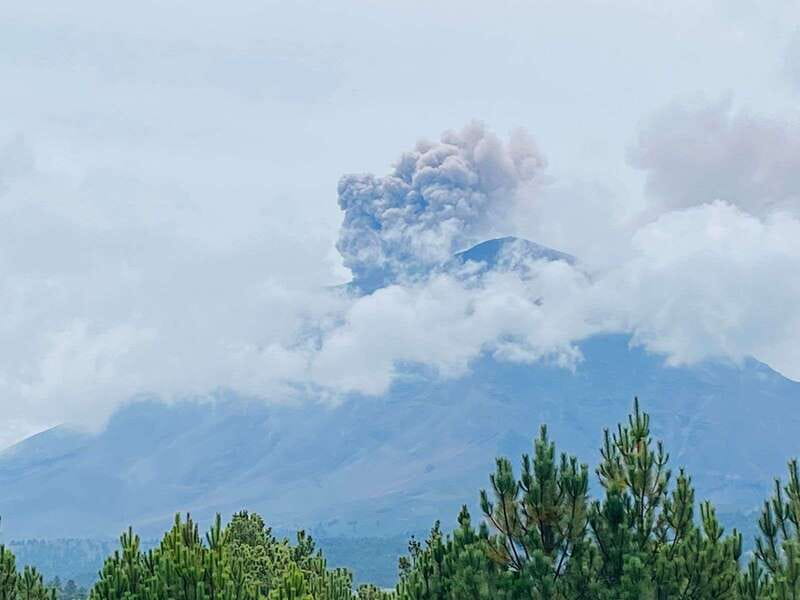
You might also see Popocatepetl produce visible activity such as a cloud of ash on some days. Weather can cut down visibility, though. If clouds move in, you still walk through an incredible high-altitude setting, but the big volcano drama may be more muted.
AmalaCaxco Ravine: When the Hike Gets Calmer and More Botanical
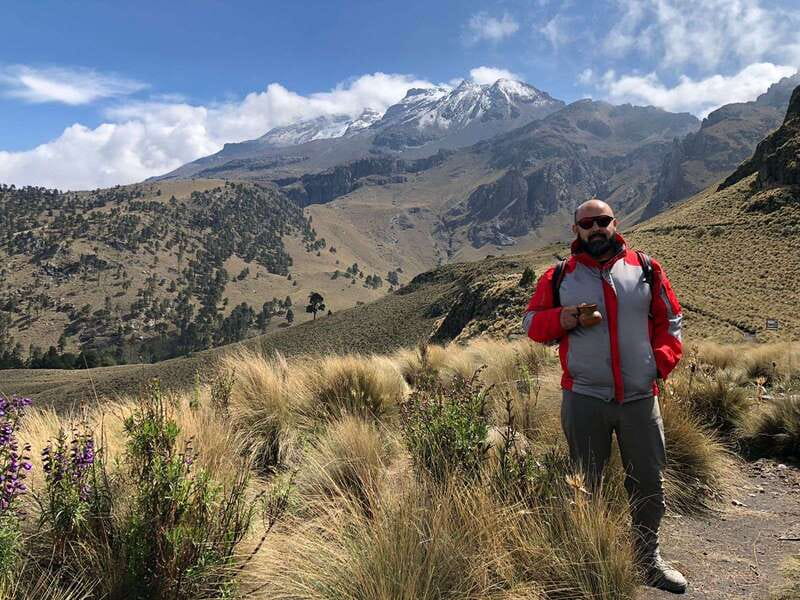
After the viewpoint section, you descend toward Amalacaxco Ravine. This part is a nice reset. The route shifts from “look up at the volcano” to “look around at what the mountains support.”
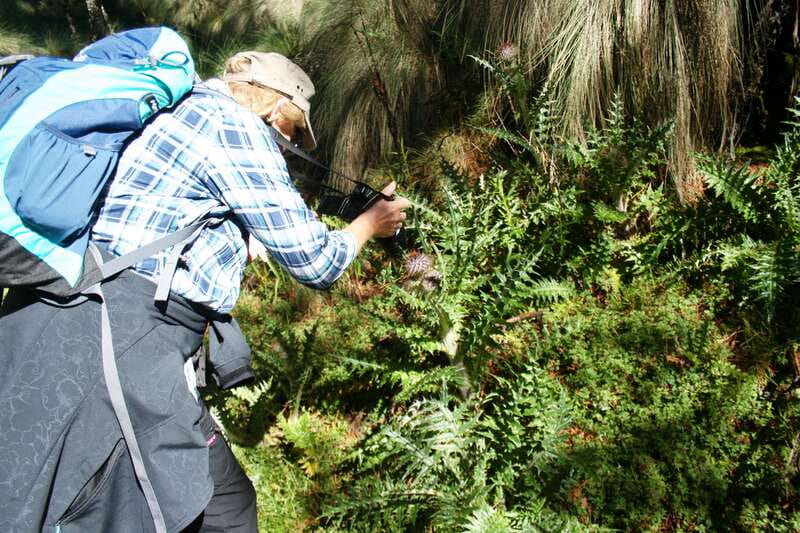
The ravine stop is specifically highlighted for native flora and fauna. In practical terms, it’s also where the hike can feel less intense because the terrain becomes more about steady walking and paying attention to small details. Several guides are praised for noticing plants and vegetation—succulents and other growth patterns show up in descriptions from past guests.
So if your feet start grumbling, this portion is often your mental rescue: you’re not just grinding uphill; you’re moving through a living ecosystem.
The Hike Pace: Distance, Elevation, and How Route Choices Help
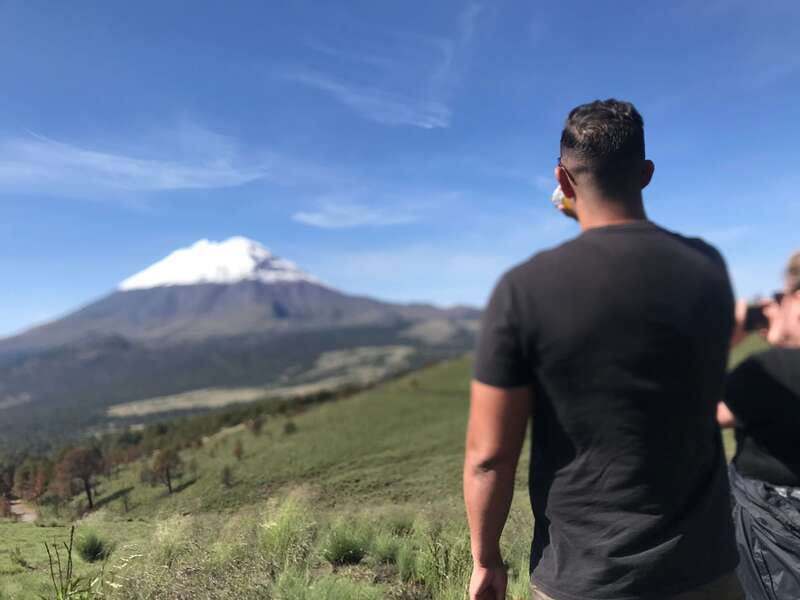
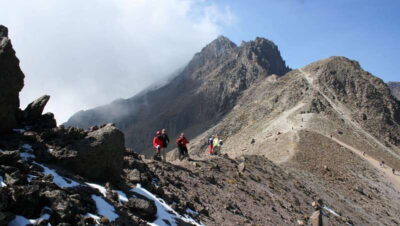
The hike is usually described as a solid workout rather than a stroll. Past guests have reported totals around 13–14 km depending on the exact path chosen that day, and climbing that can feel significant due to the altitude.
One pattern shows up often: the trail isn’t technical, but the elevation makes it challenging. Some guests referenced starting around 12,000 feet with about 1,000 feet of climbing in their experience. That’s why “easy” on flat ground can feel very different up here.
Good news: guides are consistently praised for pacing people. Bernardo, for example, is mentioned for taking care of hikers at different fitness levels and even carrying someone’s rucksack when needed. On your end, the best way to handle altitude is simple: slow down. Use the stops. Drink water. Wear layers and keep moving steadily.
Lunch at the Traditional Market: A Real Stop, Not an Afterthought
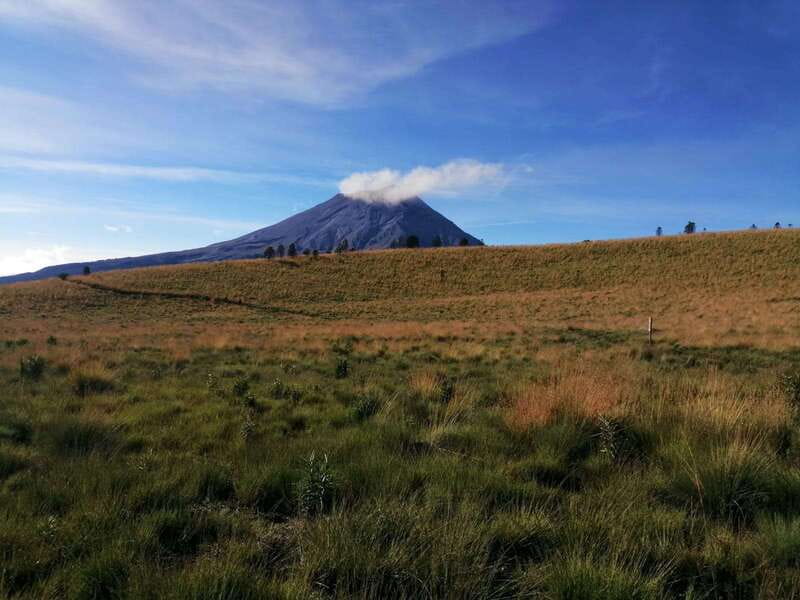
After you return to Paso de Cortes, the day continues back toward Mexico City. On the way, you stop at a traditional market for lunch.
This matters because it turns the meal into part of the trip, not just a box you eat to refuel. The lunch stop is repeatedly described as local and satisfying, with tacos and other market-style food coming up in multiple experiences. Some guests also mention warm drinks like cafe de olla on the return.
One practical note: the operator includes lunch in the price, but alcoholic drinks are not included. So if you want beer or something stronger, plan to buy it separately.
There is also one fair caution to keep in mind: one past guest said the lunch restaurant stop wasn’t as clear or appealing as expected. That doesn’t sound like the dominant story, but it’s a reminder that market stops can vary by day and logistics.
Price and What You’re Actually Paying For at $105
At $105 per person for a 9-hour guided day, the value comes from what’s included—not just the guide.
You’re getting:
- transportation
- qualified guides
- entrance fees
- rucksack rental
- safety equipment
- lunch
- accident insurance
When you add those up, it’s not just a basic hike. The rucksack rental and safety equipment are real comfort and safety items, especially on a long day at altitude. And entrance fees and park access are often the part that surprises people when they try to do this DIY.
Compared with cheaper walking tours, this one costs more because the drive time and park access aren’t free. Still, the small group (max 13) and guide-led route make it feel like a true guided mountain day rather than a bus trip with a short walk.
What to Bring So You Don’t Feel Miserable by Hour Five
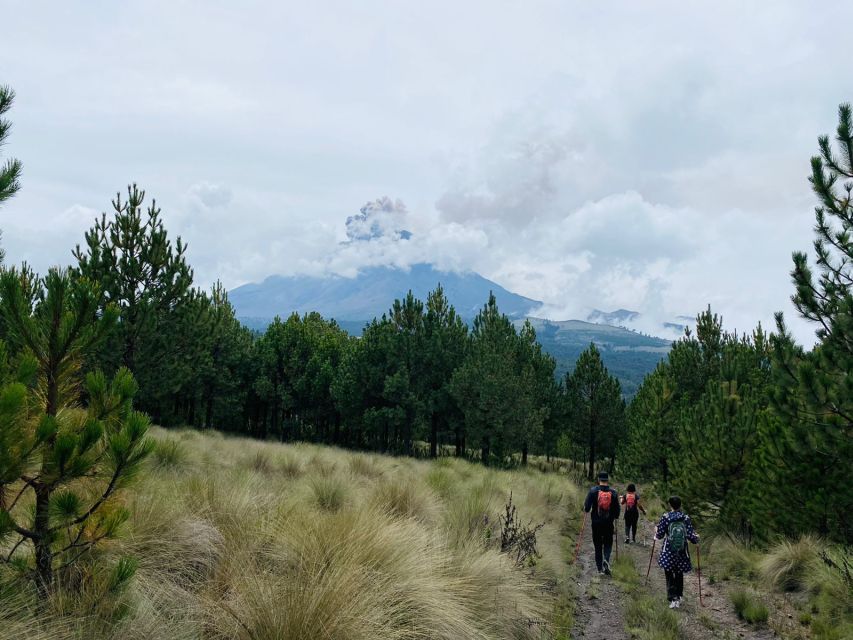
The tour gives you key gear, but you still need to show up ready for high-altitude weather swings and long walking.
Bring:
- hiking shoes
- sunscreen
- a jacket
- comfortable clothes
- gloves
That list is short for a reason. You’ll be in sun at elevation, so sunscreen matters. You’ll also likely feel temperature changes from morning to midday, so a jacket and gloves help. Comfortable clothes are underrated here: your hike will be measured in hours, not minutes.
If you’re someone who gets cold easily, pack extra warmth even if Mexico City feels mild when you leave.
Weather and Visibility: The Best Way to Mentally Prep
Volcano days run on weather. One guest described a day where clouds blocked views—still spectacular terrain, but not the same “look at the volcano” payoff. Another described unusually clear moments with visible activity.
So your best strategy is to treat visibility as a bonus, not a guarantee. You’re going for a guided high-altitude trek through a volcanic national park. If the sky cooperates, you’ll score more drama around Popocatepetl. If it doesn’t, you’ll still get the nature, the ravine walk, and the guided understanding of what you’re seeing.
Who This Volcano Trek Fits Best (and Who Should Skip It)
This hike is not suitable for:
- pregnant women
- people with back problems
- people with mobility impairments
- people with heart problems
- people with haemophilia
If you’re on the edge because of fitness or a medical condition, take that list seriously and ask before booking. Altitude adds risk and fatigue fast. Also, the route includes a climb and a descent that take most of your energy for the day.
Who tends to love this:
- active travelers who want a real workout without technical climbing
- people who want volcano history and activity explained while they walk
- visitors looking for a break from Mexico City’s streets, noise, and pace
Should You Book Travesías México for This Volcano Day?
If you want the simplest way to get from Mexico City into Iztaccihuatl-Popocatepetl National Park for a full guided hike, I’d say yes—especially if you enjoy walking with a purpose. The payoff is clear: Popocatepetl fumarole viewpoint time, a switch to ravine nature, and lunch at a traditional market.
Book this if you can handle altitude fatigue and you’re okay with mountain weather changing your view level. Skip it if you’re worried about medical risk or mobility limitations listed by the operator.
If you’re choosing between a “cheap” city tour and a real mountain day, this one feels like better money spent. You’re paying for transport, access, and a guided route that actually uses the whole day well.
FAQ
Where is the meeting point for the tour?
Meet at México Travesías, in front of the Michoacan Market.
How long is the guided volcano trek?
The duration is 9 hours.
Is lunch included?
Yes. Lunch is included in the tour price.
What languages does the live guide speak?
The live tour guide is available in English and Spanish.
What is the group size?
It’s a small group limited to 13 participants.
What should I bring for the hike?
Bring hiking shoes, sunscreen, a jacket, comfortable clothes, and gloves.
Is alcohol included with the lunch?
No. Alcoholic drinks are not included.
Can I cancel for a refund if my plans change?
Yes. You can cancel up to 24 hours in advance for a full refund.
Hand It to a Guide


More Tour Reviews in Mexico City



Thin Air: Nevado de Toluca and the Volcanoes
Fresh from our Mexico City notebook

Volcano Hikes & Nevado de Toluca, compared.
 ★ 4.8Nevado De Toluca: Reach the Summit with ProfessionalsFrom $162250 reviews
 ★ 4.0Iztaccihuatl Volcano Hike with an AlpinistFrom $139244 reviews
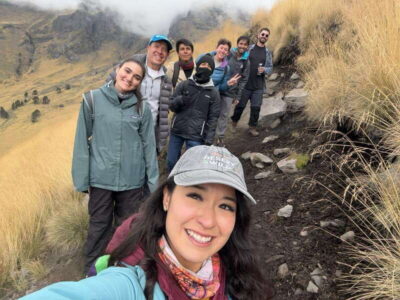 ★ 4.3From Mexico City: Hike Iztaccihuatl Volcano with an AlpinistFrom $168155 reviews
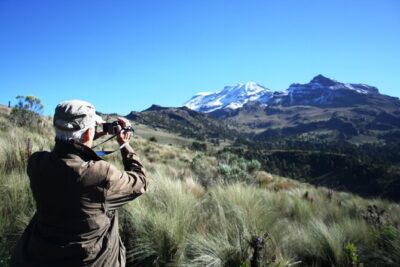 ★ 5.0Trekking Through The VolcanoesFrom $13396 reviews
 ★ 5.02 Volcanos – Special 2 pax, 3 -4 hr ride. Reserve Only 1 paxFrom $50081 reviews
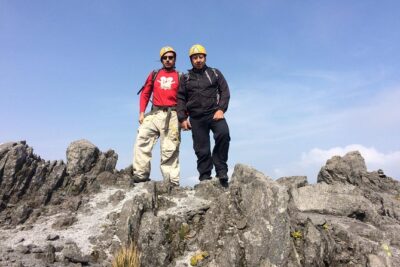 ★ 5.0Mountaineering to the Nevado de Toluca (altitude 4680m)From $16678 reviews
 ★ 5.0Hike at Nevado de Toluca VolcanoFrom $10569 reviews
 ★ 5.03 Hour Private Hike: Mountain Nevado Toluca from Mexico CityFrom $11759 reviews
Browse the lists this tour appears in