
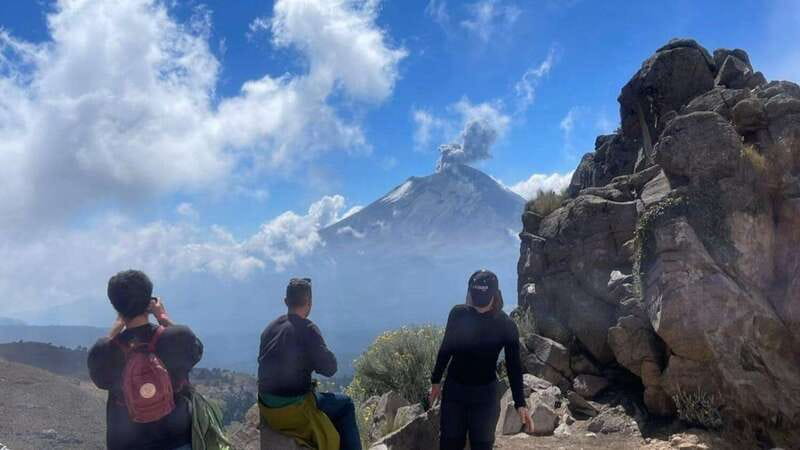
REVIEW · VOLCANO HIKES & NEVADO DE TOLUCA
From CDMX: Trekking to Iztaccihuatl Volcano accompanied by a mountaineer
Iztaccíhuatl turns a bus ride into a real workout. This day trip is built around early start energy, big volcano views, and a guided walk in the Iztaccíhuatl–Popocatépetl National Park area, with an ascent reported up to 4,300 meters. I like the mix of history stops and fresh-air trekking, and I like that it’s led by a mountaineer guide rather than a generic tour leader. One possible drawback: the guide’s pace and how much they explain can vary, so if you want lots of storytelling, plan to ask questions early.
The itinerary is long, and you should treat it like a hiking day, not a casual stroll. There’s a lot of uneven terrain, and the pace depends on the group’s physical level, so breathing can feel harder as you climb. If you’re sensitive to altitude or you have respiratory issues, this isn’t a good match; and if you’re the type who needs a clear timetable and easy directions to restrooms, you’ll want to be proactive and ask right away.
In This Review
- Key highlights that actually matter
- Why Iztaccíhuatl trekking feels like more than a day trip
- 6:20 a.m. from Mexico City: the early wake-up is part of the deal
- Paso de Cortés: the history stop with actual mountain views
- La Joya and the trail start: when the air changes
- Inside the national park: the main walk up toward 4,300 meters
- Photo stops and the return ride: how to manage the long day
- Guide quality: mountaineer-led is good, but communication varies
- Price and value: $153 is fair if you hike, not if you want luxury
- What to bring for an Iztaccíhuatl hike (and what not to forget)
- Who this hike fits well—and who should skip it
- Should you book this Iztaccíhuatl trekking tour?
- FAQ
- Where is the meeting point?
- How long is the tour?
- What’s included in the price?
- Are meals and drinks included?
- Is hiking equipment provided?
- What language is the guide?
- How high do you hike?
- What should I bring?
- Is this tour suitable for children?
- What if the weather is bad?
Key highlights that actually matter
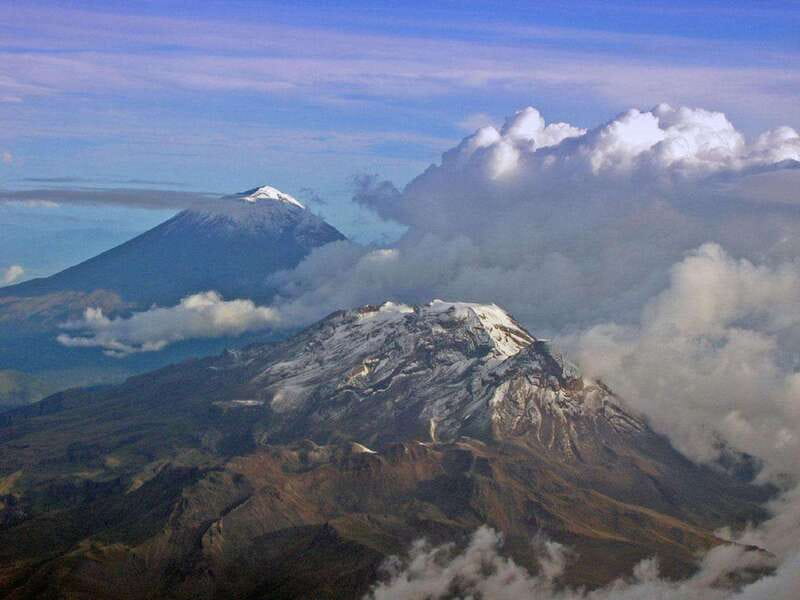
- Paso de Cortés panoramic stop: A historical checkpoint with mountain views before the hike.
- La Joya trail start: Where the day shifts from road views to real trekking air.
- National Park walking time: About 3 hours on the ground in the protected area.
- Ascent up to 4,300 meters: Expect altitude to affect your lungs and pace.
- Photography windows: Multiple short photo stops plus a bit of free time.
- English or Spanish mountaineer guidance: Clear safety focus, with guide communication that can vary.
More thin-air climbs above the valley
- Nevado De Toluca: Reach the Summit with Professionals
★ 4.8 · 250 reviews - Iztaccihuatl Volcano Hike with an Alpinist
★ 4.0 · 244 reviews - Mexico City: Guided Volcano Trek with Lunch
★ 4.7 · 242 reviews - From Mexico City: Hike Iztaccihuatl Volcano with an Alpinist
★ 4.3 · 155 reviews
Why Iztaccíhuatl trekking feels like more than a day trip
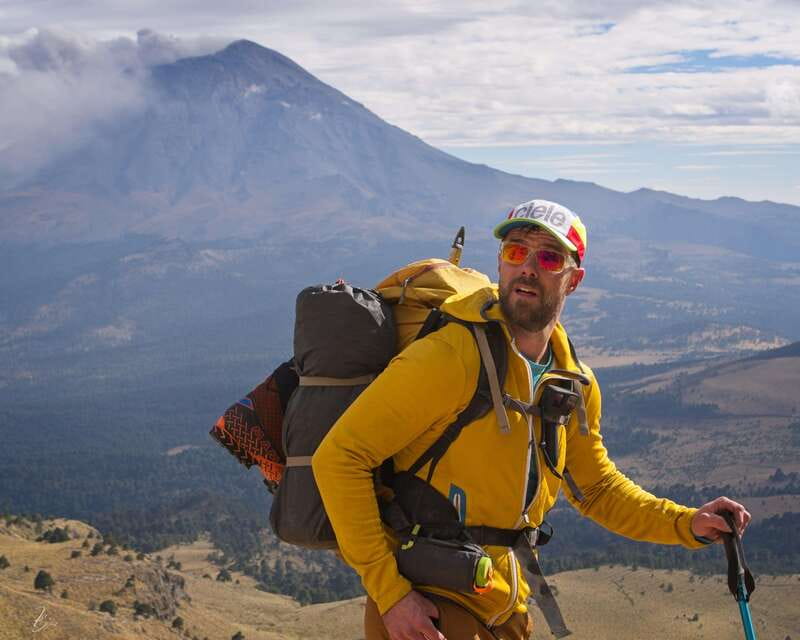
This tour hits a sweet spot: it’s still doable from Mexico City, but it doesn’t feel like a quick drive-by photo line. You get a true uphill day with changing conditions, including seasonal snowfall that can show up on this volcano slope. That matters because it changes how the ground feels and how you need to manage your steps.
Iztaccíhuatl also rewards patience. The views over nearby villages and other volcanoes don’t just happen at the top; you catch them through the day whenever the path opens up. And since the area is protected, you’re not just walking in a random mountain patch—you’re in a managed natural reserve where the scenery and wildlife presence are part of the experience.
Still, keep your expectations realistic. This is a hike with uneven terrain, and you’re climbing high enough that altitude is a real factor, not a marketing line.
6:20 a.m. from Mexico City: the early wake-up is part of the deal
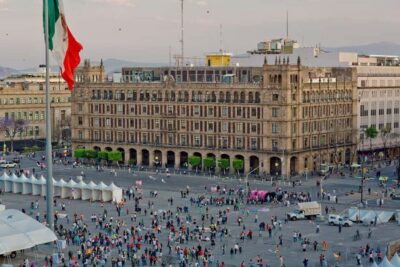
Meeting at Calle Isabel la Católica 61-A in the Historic Center is a key detail. The pickup timing is 6:20 a.m., so your day starts before the city fully wakes up. Then you’ll ride out in a van and bus sequence—about 105 minutes on the first transfer—before you’re anywhere near the trail.
For me, the practical value of that early start is simple: it buys you better conditions and gives you time to walk while the day is still stable. Morning air at altitude can feel cleaner, and you’re more likely to have calm weather before clouds build.
Logistics tip: since there’s no mention of meals or beverages being included, you’ll want to think like a hiker from the start. Eat something sensible before you go, and plan your water strategy before you get far from the city.
Paso de Cortés: the history stop with actual mountain views
The first meaningful stop is at Paso de Cortés, a historic point linked to Hernán Cortés and the route taken in 1519 on the way to Mexico-Tenochtitlan. It’s not a museum visit. It’s a brief stop—about 15 minutes—with panoramic views and a guided moment.
What I like about this kind of stop is that it resets the day. You’re leaving the modern city, but you’re also stepping into a landscape that has been crossed for centuries. Even if you’re not deep into conquistador history, the key payoff is the view: the mountains show themselves clearly before you commit to climbing.
If you care about more explanation, this is the moment to ask for context. The time is short, and after that you’ll be focused on the trail.
Worth a look right beside this Mexico City pick:
- Hike at Nevado de Toluca Volcano★ 5.0 · 69 reviews
- 3 Hour Private Hike: Mountain Nevado Toluca from Mexico City★ 5.0 · 59 reviews
- Sunrise in Las Alturas Hiking in El Pico del Aguila Tlalpan★ 5.0 · 19 reviews
- From Mexico City: 2-Day Pico de Orizaba Summit Trek★ 4.9 · 18 reviews
- Hiking to the Puerta del Cielo Viewpoint in Mexico City★ 5.0 · 17 reviews
La Joya and the trail start: when the air changes
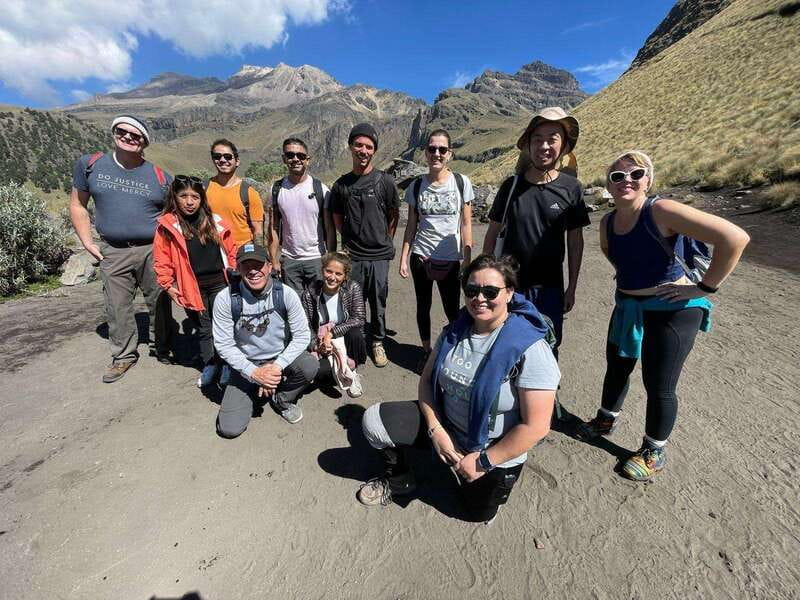
After Paso de Cortés, you transfer again—another van segment, about 30 minutes—and then you reach La Joya. You’ll have a short pass-by moment around Iztaccihuatl, then start hiking from the park-access area.
This is where the tour shifts from travel mode to walking mode. The description emphasizes changing scenery along the route: you might see seasonal snow patches depending on the time of year, and you’ll also notice local flora and fauna as you move through different spots.
One important reality check: your pace isn’t just about your fitness. It depends on the physical level of the whole group. That means you may need to be okay with a steady, controlled climb rather than a fast push.
Safety briefing time matters here too. Even if you’ve hiked before, altitude hikes have their own rhythm—slow steps, controlled breathing, and listening to your guide when they say to stop or adjust your effort.
Inside the national park: the main walk up toward 4,300 meters
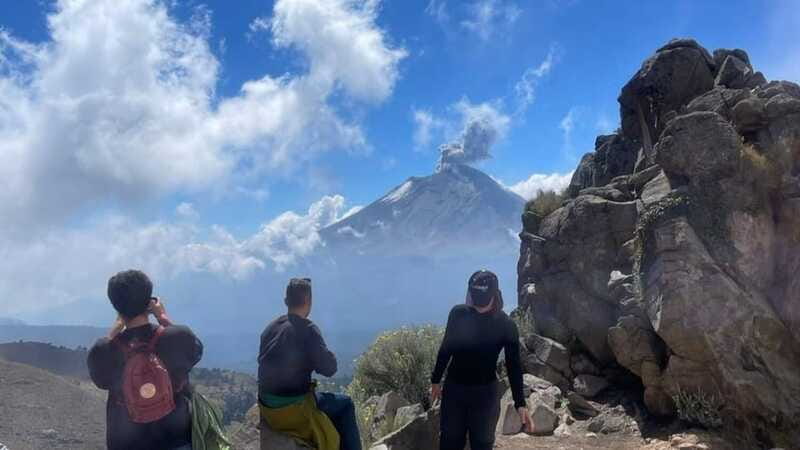
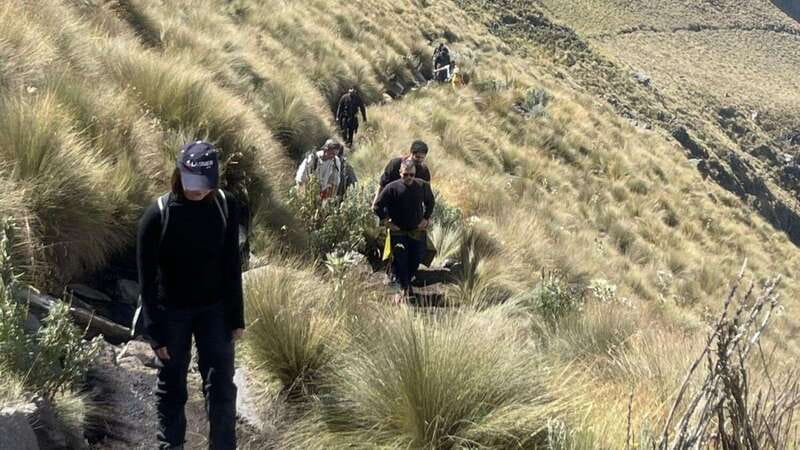
The core hiking time is around 3 hours in the Iztaccíhuatl–Popocatépetl National Park area. You’ll be there for a visit, a guided portion, a walk, and scenic viewing while you move.
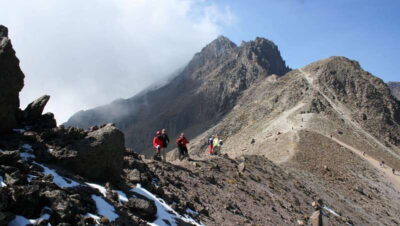
The big technical thing you need to understand is the altitude. The tour notes an ascent up to 4,300 meters. That’s high enough that your lungs can feel the difference fast. You might notice you need shorter strides, slower breathing, and more frequent micro-pauses.
I like that the tour explicitly frames this as a lungs-and-pacing experience: pay attention to your body and follow the local guide’s instructions for a pleasant and safe outing. If you ignore that, the hike can turn unpleasant quickly.
Terrain-wise, plan for uneven ground. This isn’t built as a wheelchair-friendly route, and it’s not marketed for people with mobility impairments or heart or respiratory issues. The day’s value comes from being able to move steadily.
Also, remember that this is a long day overall. Even if 3 hours sounds short, you’re combining that with multiple transfers and a high starting elevation environment. Think of it as a full hiking half-day plus travel.
Photo stops and the return ride: how to manage the long day
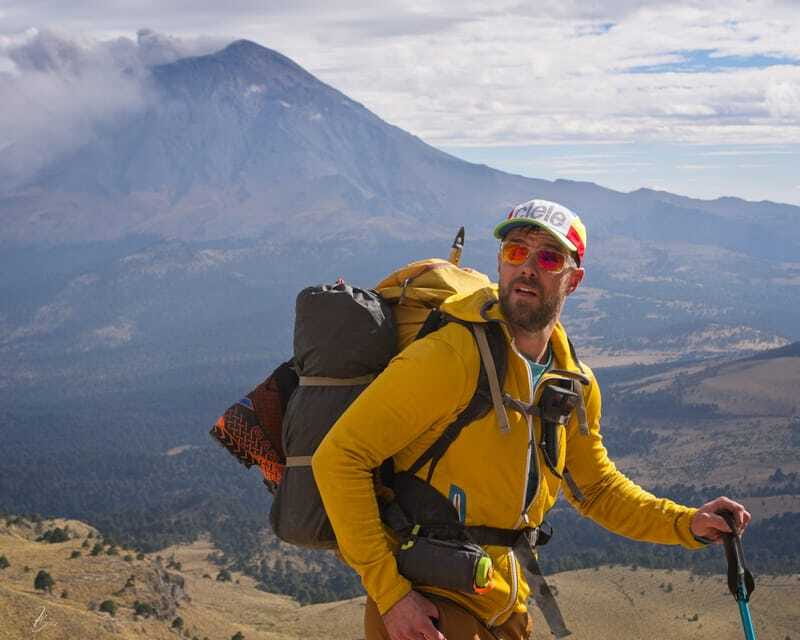
After the main walk, the route includes additional movement and viewpoints. There’s another pass-by around La Joya Iztaccihuatl, plus a final short photo stop with about 10 minutes of free time and scenic views on the way. Then you’re back on the bus for roughly 105 minutes to return.
This format is why the tour can feel great for photos: you get more than one window, and the views evolve as the day progresses. But the flip side is timing. Short stops mean you need to be ready before the bus moves—especially if you’re the type who likes to take your time at each viewpoint.
A practical note from the kind of feedback that shows up with tours like this: if you ever care about where restrooms are during the day, you should ask early. The structure includes multiple transfers and short stops, and you don’t want to guess once you’re far away.
Weather is also a real factor. The tour may be rescheduled or canceled in bad conditions, so if you’re visiting Mexico City around a weather-sensitive travel window, keep your schedule flexible.
Guide quality: mountaineer-led is good, but communication varies
This is a guided experience with an expert mountaineering tour guide, and that’s a big part of why it’s worth considering. With altitude and uneven terrain, you want someone who treats safety as more than a checkbox.
At the same time, guide interaction can differ. Some guides focus on pacing and safety and keep explanations brief. Other guides may talk more and connect the dots between the volcanoes and the terrain around you. I’ve seen how that difference affects the day: when the guide communicates clearly about what’s next, your hike feels calmer and you waste less energy guessing.
One name you might come across in departures is Fabricio. That kind of name shows up alongside comments about a great morning walk and good group management—so if you see that listed for your departure, you can feel confident about the hands-on guiding style.
My advice: at the start, ask three simple questions.
1) What pace should I hold?
2) Where are we likely to stop and how long?
3) If I need a restroom break, how does that work during stops?
It’s a tiny effort that pays back all day.
Price and value: $153 is fair if you hike, not if you want luxury
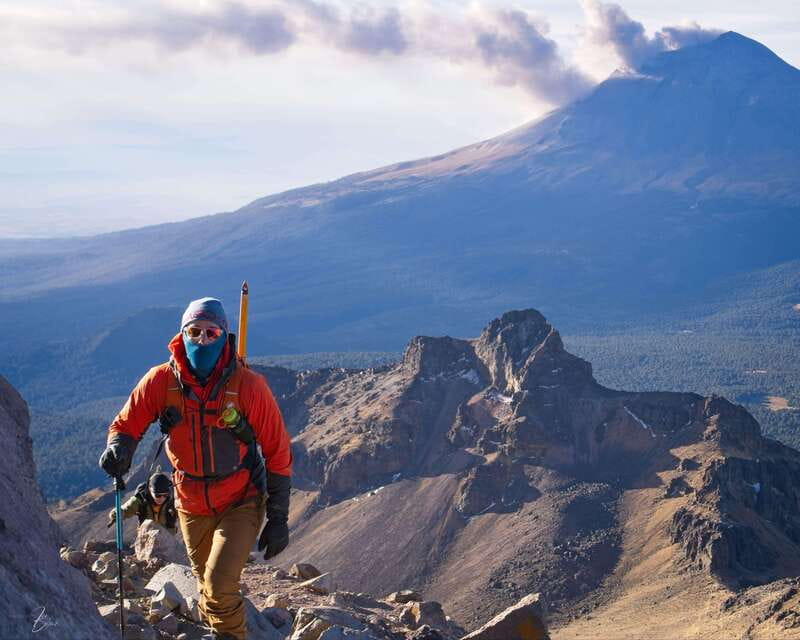
At $153 per person for an 11-hour day, this sits in the “serious outing” price category, not a casual local tour price. The value mainly comes from three things that are included:
- round-trip transportation from your meeting point
- an expert mountaineering guide
- access to the national nature reserve (the tour states 3 accesses)
What you should know is what’s not included: meals, beverages, and hiking equipment. That can change the real cost a bit depending on what you personally need for a high-altitude hike.
Is it worth it? For you, the answer depends on how you travel.
- If you want an actual uphill day, like guided walks with safety and a real sense of altitude, it can feel like good value for what you get.
- If you’re expecting a super talkative guide, lots of guided cultural detail, and a very structured schedule with lots of comfort stops, you might feel the service level doesn’t match the price.
The good news: you can control your side of the value equation by preparing well. Good shoes, smart pace, and asking questions early make a big difference.
What to bring for an Iztaccíhuatl hike (and what not to forget)
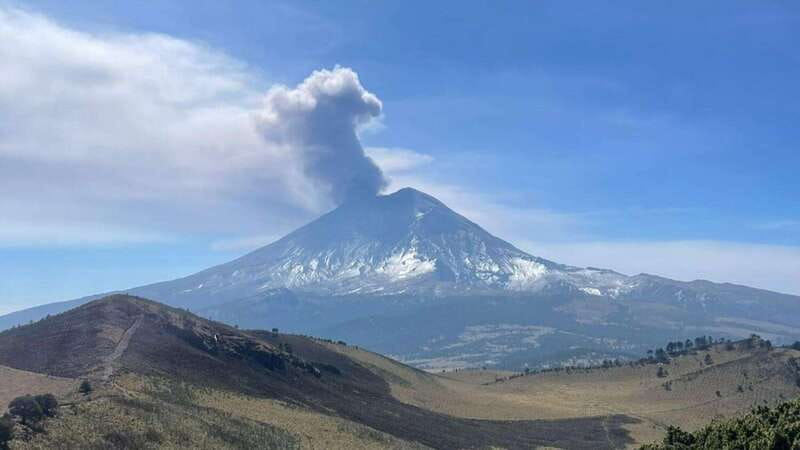
The tour is clear about essentials, and you should take that seriously.
Bring:
- comfortable shoes for uneven terrain
- comfortable clothes suitable for mountain temperature changes
- your passport (a digital copy or photocopy is accepted)
Also, expect you’ll want altitude-friendly pacing. The guide will instruct you, but your feet and body need to be ready before the climb starts.
Don’t bring:
- smoking
- littering
- making fire
One more practical reality: hiking equipment isn’t included. So if you own trekking poles, a small daypack, or anything you use for stable uphill walking, plan to bring it. If you don’t have gear, the day can still be doable with good footwear, but don’t count on the tour to solve the equipment part for you.
Who this hike fits well—and who should skip it
This is not a universal experience. It’s explicitly marked as not suitable for:
- children under 16
- pregnant women
- people with mobility impairments
- wheelchair users
- people with heart problems
- people with respiratory issues
That’s not just a legal note. At altitude up to 4,300 meters, your body has to work harder, and uneven terrain adds its own stress. If you fall into any of those categories, you should treat this as a clear no.
If you’re generally healthy, comfortable with moderate to challenging walking, and you like hikes with big views, this can be a strong choice. The national park setting and the volcano focus are a good match for travelers who prefer nature and movement over museums.
Should you book this Iztaccíhuatl trekking tour?
Book it if:
- you want a guided high-altitude hike with panoramic stops
- you like the idea of walking in Iztaccíhuatl–Popocatépetl National Park
- you’re ready for a long day and uneven ground
- you understand that meals and equipment are not provided, so you’ll prepare
Skip it (or look for a different option) if:
- you want a relaxed, stroller-friendly outing
- you’re not comfortable with altitude or you have respiratory or heart concerns
- you’re hoping for lots of comfort stops, long explanations, and a very leisurely pace
My practical verdict: this is a solid choice for people who want the mountains on their terms. The biggest success factor isn’t luck—it’s preparation and pace control.
FAQ
Where is the meeting point?
You meet your guide at Calle Isabel la Católica 61-A, in the Historic Center of Mexico City, at 6:20 a.m.
How long is the tour?
The total duration is listed as 11 hours.
What’s included in the price?
Round-trip transportation from the meeting point, an expert mountaineering tour guide, and access to the national nature reserve (the tour states 3 access points).
Are meals and drinks included?
No. Meals and beverages are not included.
Is hiking equipment provided?
No. Hiking equipment is not included.
What language is the guide?
The live tour guide is available in English and Spanish.
How high do you hike?
The tour notes an ascent up to 4,300 meters above sea level.
What should I bring?
Comfortable shoes and comfortable clothes, plus your passport (a digital copy or photocopy is accepted).
Is this tour suitable for children?
No. Children under 16 are not allowed.
What if the weather is bad?
The activity may be rescheduled or canceled due to bad weather.
More Hiking & Trekking in Mexico City
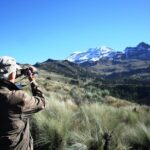
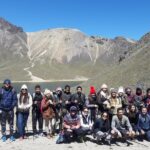
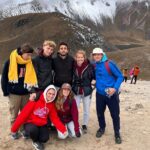
More Tour Reviews in Mexico City



Thin Air: Nevado de Toluca and the Volcanoes
Fresh from our Mexico City notebook

Volcano Hikes & Nevado de Toluca, compared.
 ★ 4.8Nevado De Toluca: Reach the Summit with ProfessionalsFrom $162250 reviews
 ★ 4.0Iztaccihuatl Volcano Hike with an AlpinistFrom $139244 reviews
 ★ 4.7Guided Volcano Trek with LunchFrom $105242 reviews
 ★ 4.3From Mexico City: Hike Iztaccihuatl Volcano with an AlpinistFrom $168155 reviews
 ★ 5.0Trekking Through The VolcanoesFrom $13396 reviews
 ★ 5.02 Volcanos – Special 2 pax, 3 -4 hr ride. Reserve Only 1 paxFrom $50081 reviews
 ★ 5.0Mountaineering to the Nevado de Toluca (altitude 4680m)From $16678 reviews
 ★ 5.0Hike at Nevado de Toluca VolcanoFrom $10569 reviews
Browse the lists this tour appears in