
Night hiking on Iztaccihuatl feels like a movie. This private 2-day excursion from Mexico City mixes camp life, a prep walk, and a midnight ascent with real meal breaks built in.
I love that you get the full technical equipment package, including crampons, piolet, harness, trekking poles, and even the carrying case. I also like the steady presence of the guiding team; in the feedback I saw names like Joshua, Dalia, and Javier showing up again and again for careful safety and hands-on help.
One consideration: this isn’t a stroll. You should have strong physical fitness, and Day 2 can involve roughly 14 hours of hiking as the climb stretches from the night start to the time you reach camp again.
In This Review
- Quick Take: What Makes This Iztaccihuatl Experience Work
- Why Iztaccihuatl Overnight Climbing Fits a Two-Day Schedule
- Getting There: Juarez Airport Pickup and the Amecameca Breakfast Reset
- First Afternoon in the National Park: Camp Setup, Acclimatization Walk, Gear Demo
- Midnight Start: What the Long Ascent Really Means
- Camp Time and Traditional Quesadillas After the Climb
- What’s Included (and What That Means for Your Planning)
- You get the gear and the structure
- You bring your own extras
- Equipment and Safety: How Guides Make a Novice-Ready Climb Feel Manageable
- Fitness, Weather, and Timing: How to Book with Confidence
- A quick reality check on the day length
- Price and Value: Why the Inclusions Matter Here
- Who This Private Excursion Is Best For
- Should You Book This Private Iztaccihuatl Climb With Black Bear Travel?
- FAQ
- How long is the Iztaccihuatl private excursion?
- What time does the tour start, and where do we meet?
- Is the tour private?
- What technical climbing equipment is included?
- Are meals included?
- Do I need strong physical fitness?
- Is WiFi available during the trip?
Quick Take: What Makes This Iztaccihuatl Experience Work
- Private transportation and flexible pickup: you meet around Juarez Intl Airport, with pickup location choice and access near public transport.
- Camp setup plus acclimatization walk: you build camp on Day 1 and get a prep walk before the big push.
- A real equipment lesson: guides demonstrate how to use the ascent gear you’ll be given for the technical climb.
- Overnight start with planned rest: you sleep early on Day 1, wake up for snacks, then begin the ascent at night.
- Meals that keep the plan moving: multiple meals are included, including traditional quesadillas after you reach camp on Day 2.
More thin-air climbs above the valley
- Nevado De Toluca: Reach the Summit with Professionals
★ 4.8 · 250 reviews - Iztaccihuatl Volcano Hike with an Alpinist
★ 4.0 · 244 reviews - Mexico City: Guided Volcano Trek with Lunch
★ 4.7 · 242 reviews - From Mexico City: Hike Iztaccihuatl Volcano with an Alpinist
★ 4.3 · 155 reviews
Why Iztaccihuatl Overnight Climbing Fits a Two-Day Schedule
If you like your hikes structured but still feel like you’re “in it,” this format hits the sweet spot. Day 1 builds camp and gets you ready, and Day 2 turns into the long ascent window, then you return to Mexico City the same evening.
You’re not left guessing how the day will flow. The schedule is built around preparation first, then the climb, then food and recovery. It’s exactly the kind of pacing that helps when the experience runs late and feels physically demanding.
Getting There: Juarez Airport Pickup and the Amecameca Breakfast Reset
You start early, with a 7:30 am meeting time, then departure around 8:00 am from Mexico City toward the mountain area. The early start matters here because the plan needs time for park arrival, camp setup, and daylight prep before the overnight climb.
About 10:00 am, you stop in Amecameca for breakfast with typical food of the State of Mexico. This is more than a break. It’s your chance to fuel up before you transition from city rhythms to trail life, and it also gives your body a calmer ramp into the day.
First Afternoon in the National Park: Camp Setup, Acclimatization Walk, Gear Demo
Around 11:00 am, you arrive at Iztaccihuatl National Park. From there, the itinerary moves quickly into “mountain mode”: camp setup with guide help at 12:00 pm, then a structured acclimatization walk by 2:30 pm.
That acclimatization walk is one of the smartest parts of the plan. It’s basically training for your next day’s ascents—helping you get your legs used to moving on mountain terrain without turning Day 1 into a full workout. You also get to learn how your group moves under guidance, which can reduce the stress of the night push.
Then you get the gear lesson. At 4:00 pm, the guides demonstrate the technical equipment you’ll use for the ascent (the climb kit includes things like crampons, a piolet, and a harness). Even if you’ve used trekking poles before, a harness and crampons are different. A hands-on demo is what keeps the experience from turning into guesswork.
By 5:00 pm, it’s time to eat. After that, the plan shifts toward sleep: early rest on Day 1 so you can start the ascent at night. That’s not just comfort; it’s practical. A long technical climb asks for energy, not hype.
More private runs, just your group
- Teotihuacan Private Tour from Mexico City★ 5.0 · 1,890 reviews
- Private Tour: Teotihuacan and Guadalupe Shrine★ 5.0 · 938 reviews
- Private City Tour in Frida Kahlo, Coyoacan, and Xochimilco★ 5.0 · 626 reviews
- Mexico City Custom Private Tour with a Local, Highlights & Hidden Gems★ 5.0 · 582 reviews
- Teotihuacan Private Tour with Expert Guide & Cultural Insights★ 5.0 · 577 reviews
Midnight Start: What the Long Ascent Really Means
On Day 1, you’re basically preparing for a sleep-to-ascend rhythm. The schedule has you up for snacks around 11:00 pm, then starting the climb around 12:00 at night.
Day 2 is the big event. The plan lists a hiking time of roughly 14 hours between the rise and the fall, which is a long stretch by any measure. This is where your preparation pays off: you already have the gear basics, the group has moved together once, and you’re not showing up cold (physically or mentally) to the steep part.
What I like about how the day is paced is that it doesn’t treat the summit push as a single dramatic moment. It treats it as a process that takes time, stamina, and careful movement. The guide presence matters most here, because technical footing and pacing are the difference between a smooth climb and a stressful one.
And yes, there’s a recovery anchor. You arrive at camp around 3:00 pm on Day 2, then you rest before eating.
Camp Time and Traditional Quesadillas After the Climb
Once you reach the camp area on Day 2 at about 3:00 pm, the plan gives you time to recover before food. You rest a bit, then eat traditional quesadillas of the Iztaccihuatl, scheduled for around 3:00 pm.
This matters more than it sounds. After a long technical hiking day, food is part of logistics—your body needs fuel, and your brain needs a break from the constant task of moving safely.
Dinner and snacks are also included across the two days, and hydration is provided. I especially like that the itinerary doesn’t just say you’ll eat; it places meals at points that help you keep going.
What’s Included (and What That Means for Your Planning)
This experience is built around taking a lot of the burden off you.
You get the gear and the structure
- Technical equipment for the ascent: case, piolet, crampons, trekking poles, harness
- Camping setup: tent house, sleeping bag, and under sleeping
- Guides, plus hydration during the experience
- Traveller and accident insurance
- Lunch and dinner included
That’s a strong package for value. You’re paying for planning, trained guidance, and the heavy stuff that can be hard to source on short notice. The equipment list also signals this is not a casual walk; it’s set up for real technical climbing demands.
You bring your own extras
What’s not included is also useful to know: extra clothes and accessories you need for the experience. Because the climb begins at night and you’ll be camping, you’ll want to pack with that in mind, even if you’re not given a specific clothing list.
Also: no WiFi on board. If you depend on phone signal, plan to go offline for the hike and camp portions.
Equipment and Safety: How Guides Make a Novice-Ready Climb Feel Manageable
The best part of the reviews data is how consistently safety and professionalism come through. People describe feeling accompanied, cared for, and safe—especially on technical footing.
That lines up with the itinerary details. You get:
- a gear demonstration early on Day 1 (around 4:00 pm)
- a technical kit already included
- a long ascent supported by a guide team
In other words, you’re not just handed crampons and told good luck. The structure is there so you learn how to use the gear before it becomes essential.
Also, the team gets mentioned by name in the feedback—Joshua, Dalia, and Javier—and that repeat appearance is a strong sign the guiding staff is consistent and attentive.
Fitness, Weather, and Timing: How to Book with Confidence
The tour clearly expects preparation. It says strong physical fitness is required. It also requires good weather, which isn’t a “nice to have” here. Your timeline includes a night start and a long hiking window, so weather can affect safety and feasibility.
The itinerary also notes that times may vary due to external factors. That’s normal on mountain routes, and it’s a good reminder to keep your Mexico City schedule flexible on the travel and departure day.
A quick reality check on the day length
- Day 1 is structured: breakfast, park arrival, camp setup, acclimatization walk, gear demo, then early rest
- Day 2 is the marathon: overnight start, about 14 hours of hiking time noted, camp arrival around 3:00 pm, then return to Mexico City by about 5:00 pm, ending around 8:00 pm
If you’re the type who gets anxious when a trip runs long, this may be stressful. If you’re the type who likes clear steps and a guide doing the worrying for you, it fits.
Price and Value: Why the Inclusions Matter Here
You don’t get a “bare bones” climbing outing. You get a complete support system: private transportation, camp gear (tent and sleeping bag), meals, hydration, insurance, and the technical climbing equipment.
That’s where value usually hides in mountain trips. Buying or renting the gear yourself can add up fast, and even more importantly, it can create mismatches (wrong fit, missing parts, unfamiliar systems). Here, the gear is part of the plan, and the guides demonstrate how you’ll use it.
So even without a price number, you can judge value by the structure: your time and effort go into hiking, not assembling logistics. That’s the deal.
Who This Private Excursion Is Best For
This works best if you:
- want a private experience with only your group
- are new-to-intermediate and want the climbing guided with technical equipment included
- prefer a tight schedule with meal stops and camp setup planned in advance
- can handle a long day on Day 2 without needing frequent reassurance
It may not be the best fit if you:
- don’t have strong physical fitness for a long hike
- dislike night starts or long hours outdoors
- want guaranteed phone access (there’s no WiFi on board)
Should You Book This Private Iztaccihuatl Climb With Black Bear Travel?
I’d book if you want a well-run two-day plan where the hard parts are supported: technical gear, guided instruction, camp setup, and meals built around the climb. The feedback also suggests the guiding team is attentive and safety-focused, which is exactly what you want when the ascent is long and technical.
I would think twice if you’re chasing a light, casual outing. This is a real mountain experience with a long Day 2 and a strong fitness requirement. If you’re honest about your stamina and you’re ready for night climbing, it’s a memorable way to see a side of Mexico City that most people never get to experience.
FAQ
How long is the Iztaccihuatl private excursion?
The experience runs for about 2 days.
What time does the tour start, and where do we meet?
You meet at 7:30 am. The start location is at Juarez Intl Airport in Mexico City, and pickup details let you choose a location that suits you best.
Is the tour private?
Yes. This is a private tour/activity, and only your group participates.
What technical climbing equipment is included?
The ascent technical equipment included is a case, piolet, crampons, trekking poles, and a harness.
Are meals included?
Lunch and dinner are included, and the schedule also includes food breaks such as traditional quesadillas after you reach camp on Day 2.
Do I need strong physical fitness?
Yes. The experience requires strong physical fitness.
Is WiFi available during the trip?
No. WiFi on board is not included.
If you want, tell me your dates and your hiking experience level, and I’ll help you sanity-check whether the Day 2 length and night start fit your comfort.
More Tours in Mexico City


More Tour Reviews in Mexico City



Thin Air: Nevado de Toluca and the Volcanoes
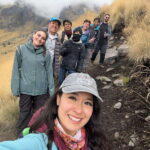
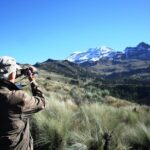
Fresh from our Mexico City notebook

Volcano Hikes & Nevado de Toluca, compared.
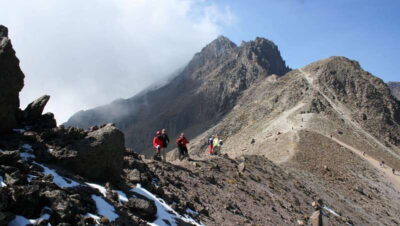 ★ 4.8Nevado De Toluca: Reach the Summit with ProfessionalsFrom $162250 reviews
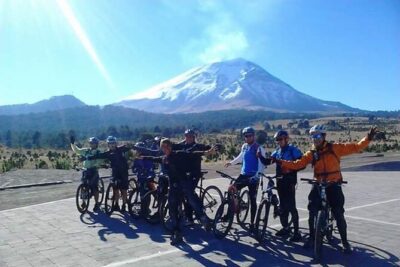 ★ 4.0Iztaccihuatl Volcano Hike with an AlpinistFrom $139244 reviews
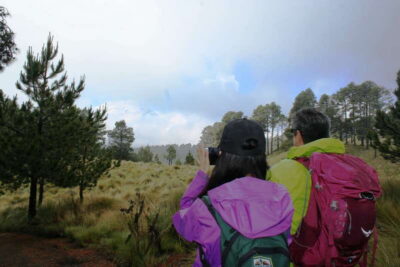 ★ 4.7Guided Volcano Trek with LunchFrom $105242 reviews
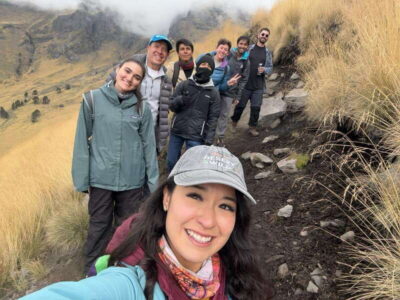 ★ 4.3From Mexico City: Hike Iztaccihuatl Volcano with an AlpinistFrom $168155 reviews
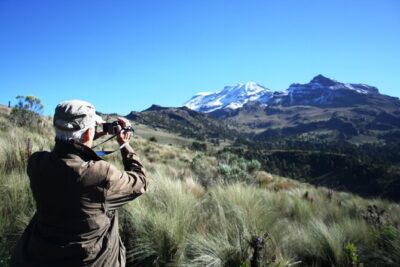 ★ 5.0Trekking Through The VolcanoesFrom $13396 reviews
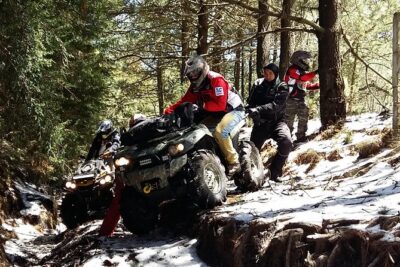 ★ 5.02 Volcanos – Special 2 pax, 3 -4 hr ride. Reserve Only 1 paxFrom $50081 reviews
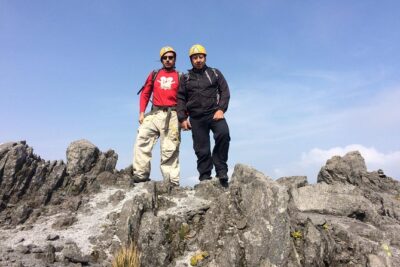 ★ 5.0Mountaineering to the Nevado de Toluca (altitude 4680m)From $16678 reviews
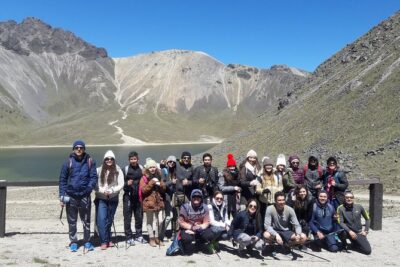 ★ 5.0Hike at Nevado de Toluca VolcanoFrom $10569 reviews
Browse the lists this tour appears in