
REVIEW · MEXICO CITY MUSEUMS & GALLERIES
CDMX: Museum of Memory and Tolerance – Anne Frank (Entrance ticket)
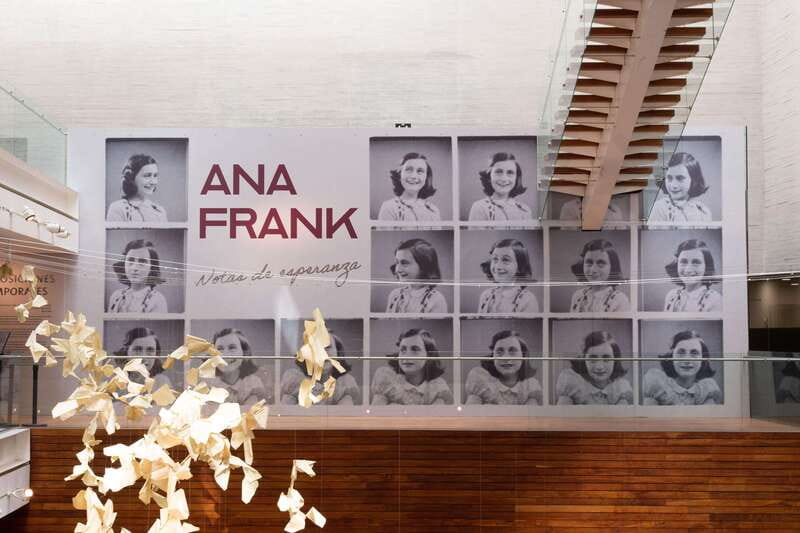
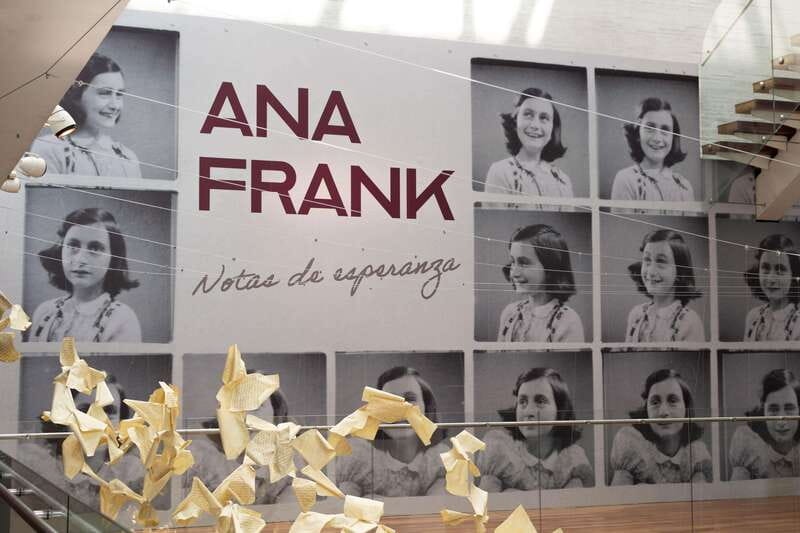
Anne Frank hits different when you can see the hiding place. The Anne Frank. Notes of Hope temporary exhibition brings the story into focus through a model and a replica tied to the Anne Frank House in Amsterdam.
I love the way the exhibit uses the model of the hiding location to make the fear and secrecy feel concrete. I also really appreciate that you can discover the replica of the hideout so the space is not just described, it’s experienced.
One consideration: this experience is not suitable for children under 12, so plan for a more serious, restrained visit if you’re traveling with younger kids.
In This Review
- Key highlights you should care about
- Anne Frank. Notes of Hope in CDMX: A meaningful stop on a heavy theme
- The exhibition’s core message: hope with a spine
- The Frank family hideout model: why a scale space matters
- Replica of the hideout: when the story becomes physical
- How long it takes, and how to pace it without rushing
- Rules that shape the visit: what you can’t do (and why)
- Getting the most from it: the mindset that makes the exhibit click
- Value check: is $7 worth it?
- Accessibility and suitability: plan for the audience
- Should you book this Anne Frank ticket for CDMX?
- FAQ
- What does the ticket include?
- How long is the experience?
- Where is this exhibition located?
- Is it wheelchair accessible?
- Is it suitable for children?
- Can I use flash photography inside?
- Can I bring food and drinks?
- Is audio recording allowed?
- Can I cancel for a full refund?
Key highlights you should care about
- Collaboration with the Anne Frank House in Amsterdam, shaping how the story is presented
- Model of where the Frank family hid, turning a history lesson into a physical space
- Replica of the hideout, letting you understand layout and tension with your own eyes
- Temporary exhibition access only with your entrance ticket
- Photo and media rules (no flash photography, no audio recording), so expect a quieter, more focused flow
- Wheelchair accessible, so you can plan a visit that fits your mobility needs
More galleries and rooftops worth the ticket
- CDMX: Xochimilco, Coyoacan, Frida Kahlo Museum & Murals Tour
★ 4.4 · 3,025 reviews - Chapultepec Castle & Anthropology Museum Tour
★ 4.5 · 1,348 reviews - Frida Kahlo VIP [Museum Tickets Included] Bike, Markets & Churros
★ 5.0 · 1,072 reviews - Anthropology Museum Guided Tour
★ 4.5 · 1,035 reviews
Anne Frank. Notes of Hope in CDMX: A meaningful stop on a heavy theme
CDMX already has world-class museums, but this one leans more into memory, testimony, and intolerance’s real-world consequences. The Museum of Memory and Tolerance sets a serious tone, and Anne Frank’s story is used to talk about what people do when hatred spreads and when neighbors choose indifference—or courage.
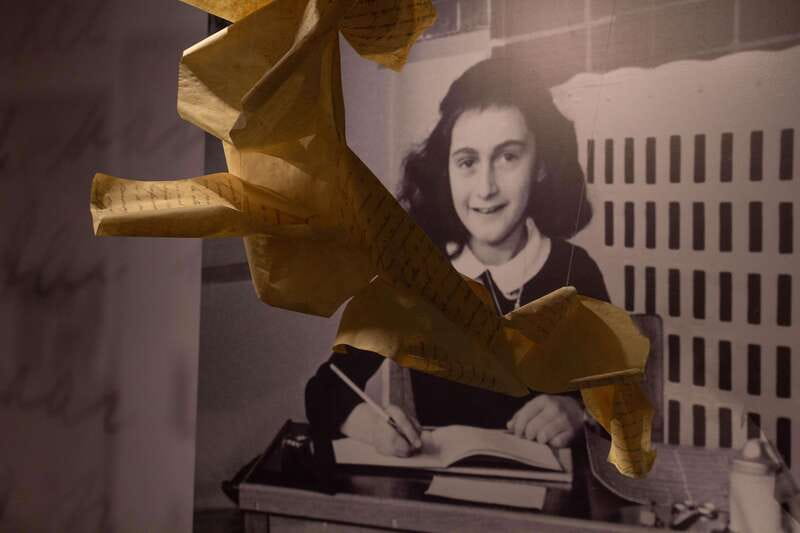
The reason this exhibit works is simple: it does not treat history like a distant movie. It connects Anne Frank’s words and the broader experience of Jewish families who hid from Hitler’s hatred, plus the people who protected them, often at extreme personal risk. That theme—hope plus responsibility—shows up again and again in the exhibit approach.
For your day, think of it as a focused 1-stop museum visit. It’s not a “hit 10 things quickly” kind of ticket. You’ll get more out of it if you slow down.
The exhibition’s core message: hope with a spine
Anne Frank. Notes of Hope is built around the idea that children can still see a path forward even when adults fail them. The exhibit frames her belief that you don’t have to wait for the perfect moment to start changing things—especially when adversity tries to shut down the future.
It also expands past one family story. You’ll be reminded that tens of thousands of Jewish families resisted Nazi persecution by hiding, while thousands of committed people stepped forward to help others despite the danger. In other words, the exhibit isn’t only about what happened. It’s also about what it demanded from ordinary people.
If you care about human-rights education that doesn’t feel preachy, this is where it lands. You’re not just absorbing dates. You’re being asked to reflect on how hate speech and division can damage a country—and the world—long after the original violence ends.
The Frank family hideout model: why a scale space matters
The most praised feature here is also the most practical for your understanding: the model of the place where the Frank family hid. A good model does two things at once. It gives you spatial clarity, and it quietly hints at how fragile the setup was.
Instead of imagining cramped walls from a text description, you can actually see how the hiding place fits into its surroundings. That matters because hiding is not just a concept—it’s routine, limitation, listening, waiting, and fear. When a visitor sees the layout, the emotional weight clicks faster.
This is the kind of exhibit element that you can revisit during your visit. Even if you move forward to other rooms, the model stays in your mind as a reference point. That’s why it tends to leave a strong impression.
Worth a look right beside this Mexico City pick:
- Lucha Libre Tickets & Tacos & Beer & Mezcal – BEST NIGHT EVER!★ 5.0 · 1,077 reviews
- Frida Kahlo VIP [Museum Tickets Included] Bike, Markets & Churros★ 5.0 · 1,072 reviews
- Frida Kahlo VIP [Museum Tickets Included] Walk, Markets & Churros★ 5.0 · 982 reviews
- Mexico City: Frida Kahlo Museum Entry Ticket w/Digital Guide★ 4.5 · 683 reviews
- Mexico City: Anthropology Museum Skip-the-Line Ticket★ 4.4 · 502 reviews
Replica of the hideout: when the story becomes physical

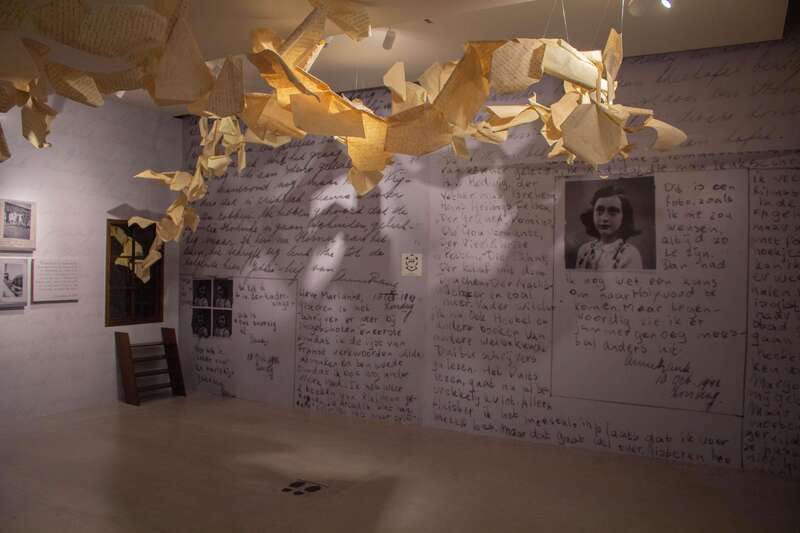
You also get access to the replica of the Frank’s hideout. This is more than set dressing. A replica helps you notice details that stories often gloss over: how narrow the transitions can feel, how limited movement is, and how quickly daily life would become constrained.
From a visitor-experience standpoint, replicas can go one of two ways: either they become theatrical, or they stay respectful and educational. Here, the goal is clear. It’s meant to support remembrance and reflection, not spectacle. The result is that you’re guided toward comprehension and empathy.
One more practical note: because the exhibit is built for reflection, it helps to pace yourself. If you rush through the replica rooms, you’ll miss what they do best—turning abstract history into a readable space.
How long it takes, and how to pace it without rushing
Your ticket is valid for 1 day, and it gives you access to the Anne Frank Temporary Exhibition only. That’s good news for planning. You don’t need to build a multi-museum route around it, unless you want extra time in the wider museum.
Plan your day like this:
- Start with the temporary exhibition as your anchor.
- Give it enough time to include at least one careful pass through the main exhibit areas and the hideout-related sections.
- Leave breathing room for the heavier emotional parts. You’ll likely want a pause rather than powering through.
In practice, exhibits that rely on photos, layouts, and message-heavy rooms reward calm pacing. The space itself encourages that—especially with the rules in place (more on those next).
Rules that shape the visit: what you can’t do (and why)
This experience comes with clear restrictions. They might sound minor, but they change the atmosphere.
You should know that food and drinks are not allowed, and flash photography is not allowed. Audio recording is also not permitted, and alcohol and drugs are prohibited. Those rules push the visit toward attention and quiet observation.
For you, that means two practical things:
- Don’t plan to snack during the exhibit rooms. Eat before you go, or you’ll spend your time worrying about what you’re supposed to carry.
- If you like recording every detail for later, adjust your expectations now. Photos without flash and no audio recording means you’ll rely more on memory and your notes than on media captures.
This is also why the museum experience tends to feel more solemn. The exhibit is asking for presence, not constant phone use.
Getting the most from it: the mindset that makes the exhibit click
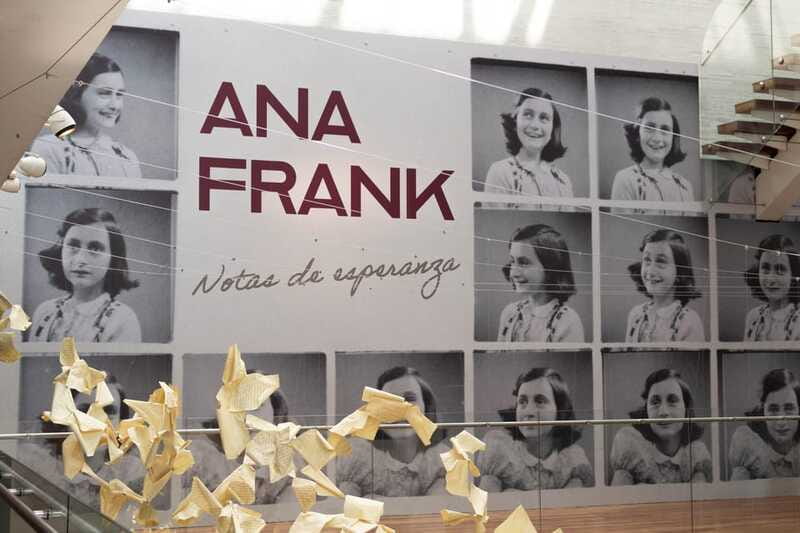
The exhibit’s emotional tone is intentional. Anne Frank’s story is used to remind you that hope isn’t naïve. It’s a choice—and it requires action. The message about doing something rather than waiting shows up in the themes of resistance, protection, and commitment.
So how do you get more out of it, without forcing it?
- Keep an eye out for the “connective tissue” between Anne’s words and the broader Holocaust remembrance themes.
- Pay attention to how the exhibit moves from story to space (model and replica) to reflection.
- Give yourself one moment to step back after the hideout-related sections. That’s often when the meaning lands.
Also, if your visit includes a more structured format like a guided visit, that can be especially helpful for absorbing the context behind the objects. One review highlighted how a guided visit was enriching, which lines up with how message-driven museums work best: explanation helps you connect details to the bigger picture.
Value check: is $7 worth it?
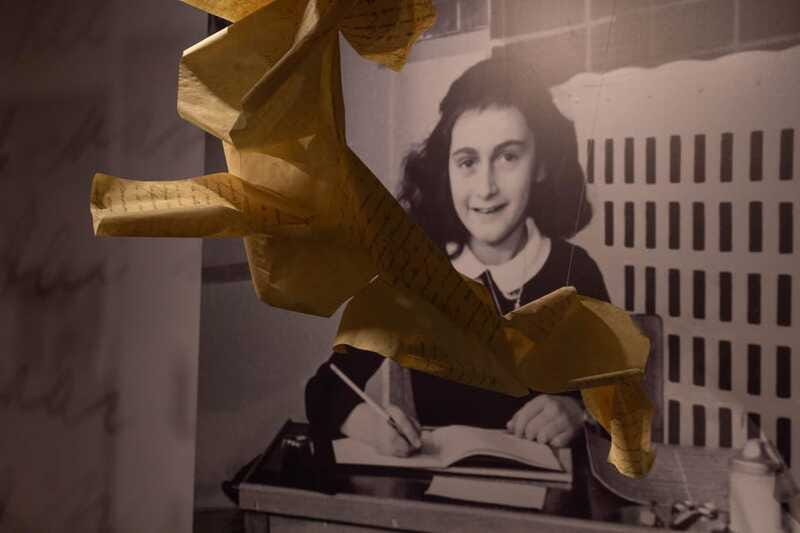
For many museum tickets in Mexico City, the price can vary wildly depending on how much you’re actually seeing. Here, the ticket is around $7 per person, and it includes access to the Anne Frank Temporary Exhibition only.
That “only” detail is important. You’re not paying for a sprawling museum pass with many unrelated galleries. You’re paying for a focused experience tied to a specific theme, plus high-impact elements like the hideout model and replica.
At this price, it’s strong value if your goal is education with an emotional anchor. If you’re looking for a fast, light, funny museum day, you might find it heavy for the time you spend. But if you want a thoughtful exhibit with detailed presentation, the cost feels fair.
And it helps that the overall rating is very high (a 4.9 average from 10 reviews based on the information provided). That doesn’t replace your own judgment, but it’s a useful indicator that the experience is landing with people.
Accessibility and suitability: plan for the audience
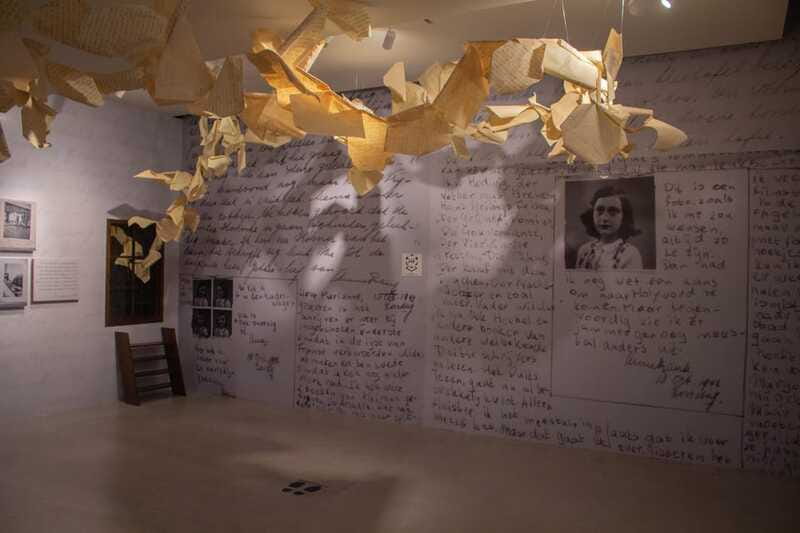
This ticket is wheelchair accessible, so you can plan confidently if mobility is part of your decision. That’s a big plus for a space that deals with many visual and interpretive moments.
The more important suitability note is age. The exhibition is not suitable for children under 12. If you’re traveling with kids under that age, you may need to rethink this stop.
If you’re traveling with teens or adults, it’s a fit. It works well for school-age groups in terms of reflection and historical context, and it also lands with adults who want to understand how memory museums use space and narrative to fight intolerance.
Should you book this Anne Frank ticket for CDMX?
Book it if you want a serious, focused museum visit in Greater Mexico City, and you care about stories that connect testimony to the danger of hate and the value of action. The included model and replica are the kind of exhibit elements that make the history easier to understand and harder to forget, and the ticket price makes it an easy decision.
Skip it (or consider an alternative) if you want a light, casual museum hour, or if you’re traveling with children under 12. Also, if you rely heavily on filming everything with flash or audio, this exhibit’s rules will frustrate you.
If you do book, plan a calm pace and give yourself time to reflect. This is one of those museum visits where rushing just turns it into background noise.
FAQ
What does the ticket include?
Your admission ticket gives you access to the Anne Frank Temporary Exhibition only.
How long is the experience?
The activity is listed as lasting 1 day.
Where is this exhibition located?
It’s in Greater Mexico City, Mexico, at the Museum of Memory and Tolerance.
Is it wheelchair accessible?
Yes, the experience is wheelchair accessible.
Is it suitable for children?
No, it is not suitable for children under 12.
Can I use flash photography inside?
No, flash photography is not allowed.
Can I bring food and drinks?
No, food and drinks are not allowed.
Is audio recording allowed?
No, audio recording is not allowed.
Can I cancel for a full refund?
Yes. Free cancellation is available if you cancel up to 24 hours in advance for a full refund.
More Tickets in Mexico City





More Tour Reviews in Mexico City




Behind the Ticket: More CDMX Museums


Fresh from our Mexico City notebook



Mexico City Museums & Galleries, compared.
 ★ 4.4Xochimilco, Coyoacan, Frida Kahlo Museum & Murals TourFrom $893,025 reviews
 ★ 4.5Chapultepec Castle & Anthropology Museum TourFrom $791,348 reviews
 ★ 5.0Frida Kahlo VIP [Museum Tickets Included] Bike, Markets & ChurrosFrom $831,072 reviews
 ★ 4.5Anthropology Museum Guided TourFrom $391,035 reviews
 ★ 5.0Frida Kahlo VIP [Museum Tickets Included] Walk, Markets & ChurrosFrom $83982 reviews
 ★ 5.0EXCLUSIVE TOUR Frida Kahlo Museum – SMALL GROUPSFrom $86901 reviews
 ★ 4.4Anthropology Museum Guided VisitFrom $67708 reviews
 ★ 4.5Frida Kahlo Museum Entry Ticket w/Digital GuideFrom $34683 reviews
Browse the lists this tour appears in