
Teotihuacan feels built for first light. This early route guides you through the site in a smart order, starting at the Citadel and taking in the Temple of Quetzalcoatl sculptures, the long ceremonial views, and the major pyramid climbs that help everything click into place.
What I like most is how the guide keeps the pace clear and easy to follow, and how the route adds variety beyond the big pyramids. You also get time in the underground residential areas and hidden tunnels, so you’re not only seeing monuments but also the daily-life side of Teotihuacan. One thing to plan for: you’ll be walking and climbing stairs at the pyramids, so wear grippy shoes and take it slow if you’re not into steep steps.
In This Review
- Key highlights you’ll feel fast
- 7:00 AM Pickup And A Route That Moves With Purpose
- Citadel And Temple of Quetzalcoatl: Feathered Serpents Up Close
- Causeway of the Dead: The Best Way to Read The City’s Layout
- Underground Neighborhoods And Hidden Tunnels For Everyday Life
- Pyramid of the Sun: A Climb That Turns Into a Map
- Pyramid of the Moon And Plaza de la Luna Viewpoints
- Free Time For Photography, Rest, And Craft Shopping
- Price And Value: What $77.71 Really Covers
- Who This Teotihuacan Early Route Fits Best
- Should You Book This Teotihuacan Experience?
- FAQ
- What time does the tour start?
- How long is the Teotihuacan early route?
- Is pickup included, and how do I find the van?
- Is an entry ticket included?
- What transport is included?
- Is lunch included?
- What language is the tour offered in?
- Is free cancellation available?
Key highlights you’ll feel fast
- A morning start (7:00 am) that sets up the day with time for photos and space to breathe
- Citadel focus on the Temple of Quetzalcoatl and its feathered-serpent artistry
- Causeway of the Dead views that help you read the city layout
- Underground neighborhoods and tunnels that show how people lived
- Pyramid of the Sun climb for a full-site overview
- Pyramid of the Moon viewpoint plus free time for photos and crafts
Other ways up the Pyramid of the Sun, compared
- Teotihuacan, Guadalupe Shrine & Tlatelolco Day Tour with Lunch
★ 5.0 · 11,603 reviews - Balloon flight + Breakfast in cave + Pyramids + Pick up CDMX.
★ 5.0 · 6,335 reviews - Teotihuacan pyramids morning or afternoon without tourist traps
★ 5.0 · 6,186 reviews - Teotihuacan Early Access Guided Tour with optional Lunch
★ 4.5 · 6,138 reviews
7:00 AM Pickup And A Route That Moves With Purpose
This tour runs for about 5.5 hours, starting at 7:00 am. The morning timing matters because you’ll spend the bulk of your time on the big outdoor structures when the day is still young, and you’ll have more daylight afterward for photography and browsing.
Pickup is straightforward. You meet at the designated point, show up 10 minutes early, and look for a van with the company logo. The guide reaches you by WhatsApp with details, and your name is announced at the meeting spot on the day you go. You’ll also use a mobile ticket, which helps you avoid last-minute paper hunts.
One more practical plus: the tour includes an air-conditioned vehicle. That’s a real comfort upgrade on a day that’s mostly outdoors and walking. And with a maximum group size listed as up to 200 people, you can expect a guided experience, even if the exact crowd level in the open areas will vary.
Citadel And Temple of Quetzalcoatl: Feathered Serpents Up Close
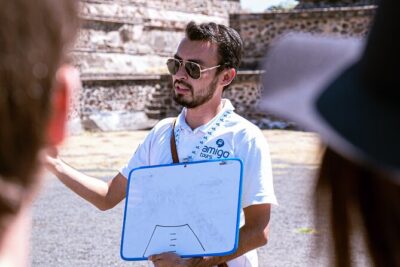
The route begins at the archaeological zone from the Citadel, which is a strong way to start because it sets the tone right away. Your first major stop is the Temple of Quetzalcoatl, one of the most impressive structures on the site. You’ll see its sculpted feathered serpents and figures of warriors, and the guide’s explanations are aimed at helping you notice what you’re looking at, not just ticking off a checklist.
This is a good moment to slow down. Temple facades on large ceremonial sites can feel hard to read if you’re standing too far away. With a guide directing your attention, you get more meaning from the carvings and the overall setting.
A small consideration: the early part of the tour can feel like a lot of first-impressions fast. If you’re the type who likes to absorb slowly, use the first stretch to settle in—then you’ll enjoy the later views even more.
Causeway of the Dead: The Best Way to Read The City’s Layout
After the Citadel, you walk along the Causeway of the Dead—a long ceremonial avenue linking major parts of the city. This section isn’t just for pictures. It’s one of the best ways to understand Teotihuacan’s “big picture” layout without needing to study a map for hours.
From the causeway, you get spectacular views of the architecture lined up along the route. It’s also a natural place to learn how the site feels like a planned space: straight lines, prominent buildings, and a sense of movement from one focal point to the next.
For me, this is where the tour becomes more than a set of ruins. It turns into orientation. Once you’ve walked the causeway, the later pyramid climbs make more sense because you can mentally connect what you’re seeing to the path you just followed.
Wider loops around Mexico City
- Teotihuacan Hot Air Balloon Flight from Mexico City / Volare★ 5.0 · 3,262 reviews
- Teotihuacan Private Tour from Mexico City★ 5.0 · 1,890 reviews
- Historic Center Food Tour in Mexico City★ 5.0 · 1,263 reviews
- The best tour to Teotihuacán from Mexico City★ 5.0 · 1,236 reviews
- From Mexico City: Puebla, Cholula and Tonantzintla Day Trip★ 4.3 · 1,191 reviews
Underground Neighborhoods And Hidden Tunnels For Everyday Life
One of the most interesting parts of this experience is the stop for underground neighborhoods—old residential complexes and hidden tunnels that reveal more about daily life and housing systems. If you usually focus only on the pyramids, this part can be a great reality check. It reminds you Teotihuacan wasn’t just temples and ceremonies. People lived, worked, and built routines here.
The tour format helps because you’re moving through the site in a guided order. Instead of wandering randomly, you’re being pointed toward areas that answer specific questions: How did people organize living spaces? What did their housing systems look like? Why would tunnels and hidden structures matter?
Practical tip: underground or semi-enclosed spaces can feel cooler than open plazas, and lighting can change fast. Wear shoes that are easy to walk in, and keep an eye on footing.
Pyramid of the Sun: A Climb That Turns Into a Map
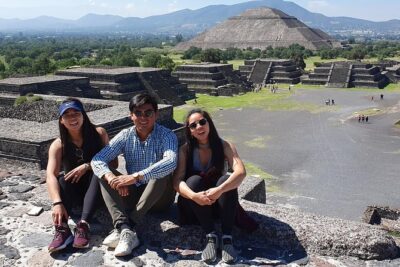
Next comes the major highlight for most people: the Pyramid of the Sun, described as the largest structure on the site. You ascend it and then take in the full overview from the top. The payoff is not only the view itself, but the way it helps you understand the site’s layout from above.
From up high, the experience changes. You stop thinking in terms of “spot A, spot B,” and start seeing lines of sight, building positions, and how the ceremonial route connects important areas. It’s also a strong photo angle if you like wide shots.
One thing to consider is effort. Climbing any large pyramid steps takes time and energy, and your pace will depend on how comfortable you are with stairs and crowds. If you want a slower rhythm, just plan to take breaks during the climb. The top is where the viewpoint makes it worth it.
Pyramid of the Moon And Plaza de la Luna Viewpoints
After the Sun climb and the big-picture understanding it brings, the route shifts to the Pyramid of the Moon. From here, you get a privileged view of the Plaza de la Luna and the surrounding temples.
This stop works well because it complements the Sun viewpoint. If the Pyramid of the Sun gives you the citywide “map feeling,” the Moon side is about relationships between plazas and temple groupings. It’s also a quieter moment for many people because it feels more like a scenic observation point than a rapid photo sprint.
If you’re a photographer, this is a good place to slow down and watch the light. Even if the weather changes during your trip, being on an elevated vantage point usually gives you the kind of angles that are hard to replicate at ground level.
Free Time For Photography, Rest, And Craft Shopping
After the main sights, you’ll have free time. This is for photography, rest, self-exploration, or craft shopping. I like this kind of buffer because Teotihuacan can be intense. The best part of free time is that it lets you choose your own next step based on what you enjoyed most: more picture time around the pyramids, a quiet moment away from crowds, or a chance to browse local crafts.
If you’re sensitive to fatigue, this is where you can regroup. If you love photos, this is where you’ll likely want to return to the angles that clicked for you earlier in the morning.
Price And Value: What $77.71 Really Covers
The listed price is $77.71 per person, and the duration is about 5 hours 30 minutes. For this kind of site, that price becomes more reasonable when you look at what’s included: air-conditioned vehicle and a ticket de entrada to the archaeological zone.
What’s not included is lunch and propinas (tips). That’s common for tours, but it affects value planning. If you’re booking with a full-day mindset, you’ll want a plan for food and water. If you’re arriving hungry, bring snacks or plan to grab lunch afterward instead of assuming it’s part of the deal.
One value point that’s easy to miss: this route is built around a logical progression, so you spend less time trying to figure out where to go next. If you’re visiting as a first-timer, that guided flow can save you energy and help you understand what each stop is telling you.
Also, this experience is typically booked about 10 days in advance, so if you have a specific date, don’t wait for the last minute.
Who This Teotihuacan Early Route Fits Best
This tour is designed for people who want structure at a very large site. If you’re the type who likes seeing the big monuments but also wants the human scale—through underground neighborhoods and housing systems—this route makes that mix easy.
It also suits a wide range of visitors: the tour notes that most people can participate, and service animals are allowed. It’s also marked as being near public transportation, which matters if you’re staying flexible with where you start and how you return.
If you hate rushed sightseeing, you’ll probably appreciate that the guide is described as super precise and concise while still being friendly. The goal here is clarity. You’re not left floating through ruins without context.
Should You Book This Teotihuacan Experience?
I’d book this if you want an early, guided Teotihuacan route that helps you understand what you’re seeing, not just where you’re standing. The combination of the Temple of Quetzalcoatl, the Causeway of the Dead, the underground neighborhoods, and both pyramid viewpoints gives you a fuller sense of the city than a pyramid-only visit.
Skip it or rethink if you’re not comfortable with stair climbs. The Sun and Moon pyramids are part of the core experience, and the walking is real. If you’re okay with that, the pacing and included entry ticket plus transport make the price feel fair for what you get.
If you do book, show up a bit early and let the guide get you oriented quickly. Teotihuacan rewards that. Once you understand the layout, the whole site starts making sense.
FAQ
What time does the tour start?
The tour start time is 7:00 am.
How long is the Teotihuacan early route?
The duration is approximately 5 hours 30 minutes.
Is pickup included, and how do I find the van?
Yes, pickup is offered. Be at the meeting point 10 minutes before the specified time. The van can be identified with a company logo, and the guide contacts you via WhatsApp.
Is an entry ticket included?
Yes. The tour includes the ticket de entrada a la Zona Arqueologica.
What transport is included?
You get an air-conditioned vehicle as part of the tour.
Is lunch included?
No. Lunch is not included.
What language is the tour offered in?
The tour is offered in English.
Is free cancellation available?
Yes. You can cancel for free up to 24 hours in advance for a full refund.
The City in a Single Day




More Tour Reviews in Mexico City



Back to Teotihuacan: More Pyramid Days

Fresh from our Mexico City notebook

Teotihuacan Pyramids Tours, compared.
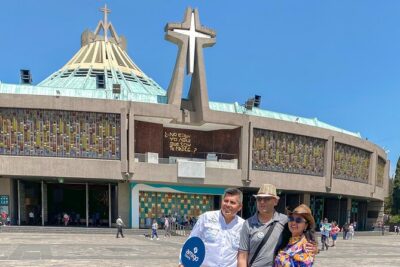 ★ 5.0Teotihuacan, Guadalupe Shrine & Tlatelolco Day Tour with LunchFrom $3911,603 reviews
 ★ 5.0Balloon flight + Breakfast in cave + Pyramids + Pick up CDMX.From $1726,335 reviews
 ★ 5.0Teotihuacan pyramids morning or afternoon without tourist trapsFrom $646,186 reviews
 ★ 4.5Teotihuacan Early Access Guided Tour with optional LunchFrom $396,138 reviews
 ★ 5.0Balloon flight + pick up in CDMX + Breakfast in Cave + PyramidsFrom $1695,651 reviews
 ★ 5.0Balloon Flight + Cave Breakfast + Pick Up from CDMX or We FlyFrom $1664,410 reviews
 ★ 4.6Teotihuacan, Tlatelolco & Guadalupe Shrine TourFrom $493,773 reviews
 ★ 5.0Teotihuacan Hot Air Balloon Flight from Mexico City / VolareFrom $1553,262 reviews
Browse the lists this tour appears in