
REVIEW · TEOTIHUACAN PYRAMIDS TOURS
Teotihuacan Archaeology Tours
Sunrise makes Teotihuacán feel unreal. This morning walking tour gets you at the site as the pyramids start glowing, so you can see the Avenue of the Dead in calm light and focus on the details instead of the tour-bus shuffle. I also love how the guide explains what you’re looking at in a way that makes the ruins feel logical, not random.
I really like the chance to hit the main monuments with an expert mind—Jorge Archer is a standout if he’s your guide, and David also earns top marks for being the kind of person who can answer the small, nerdy questions. You’ll cover big-ticket areas like the Citadel, the Pyramid of the Sun, the Pyramid of the Moon, plus the palaces and an optional museum stop.
One consideration: this is not a sit-and-stare tour. The experience includes climbing the pyramids, so it’s not recommended if you have heart complaints or other serious medical conditions.
In This Review
- Key highlights you’ll actually care about
- Sunrise at Teotihuacán: why the timing matters
- Your guide: what makes Jorge Archer and David so effective
- The walk through the Citadel and the Street of the Dead
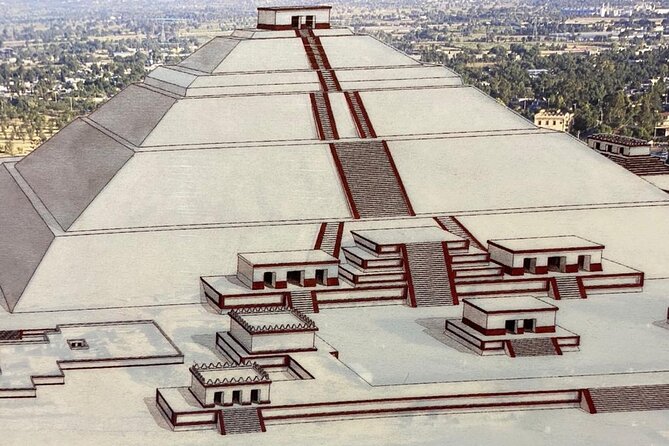
- Pyramid time: Sun and Moon climbs (and how to plan)
- Quetzalpapálotl Palace, Wall Paint Palace, and the museum option
- How long you’ll be out there (and why it can run long)
- Price and value: what you’re paying for (and what costs extra)
- Getting from Mexico City: taxi, bus, or arranged transport
- Weather, tickets, and what to pack
- Who should book this Teotihuacán archaeology tour?
- Should you book Teotihuacan Real Archaeology Tours?
- FAQ
- How long is the Teotihuacán archaeology tour?
- What’s included in the $100 per person price?
- Are entrance fees included?
- Does this tour include transport from Mexico City or hotel pickup?
- Is it a private tour?
- What happens if weather is bad?
Key highlights you’ll actually care about
- Arrive for sunrise so the ruins look different and the crowds are lighter
- Private tour setup with an archaeologist/anthropologist expert guide
- Main Teotihuacán stops included: Citadel, Street of the Dead, Sun and Moon pyramids, palaces
- Wall Paint Palace and optional museum time to connect buildings with finds
- Pyramid climbs are part of it—plan for stairs and uneven ground
Other ways up the Pyramid of the Sun, compared
- Teotihuacan, Guadalupe Shrine & Tlatelolco Day Tour with Lunch
★ 5.0 · 11,603 reviews - Balloon flight + Breakfast in cave + Pyramids + Pick up CDMX.
★ 5.0 · 6,335 reviews - Teotihuacan pyramids morning or afternoon without tourist traps
★ 5.0 · 6,186 reviews - Teotihuacan Early Access Guided Tour with optional Lunch
★ 4.5 · 6,138 reviews
Sunrise at Teotihuacán: why the timing matters
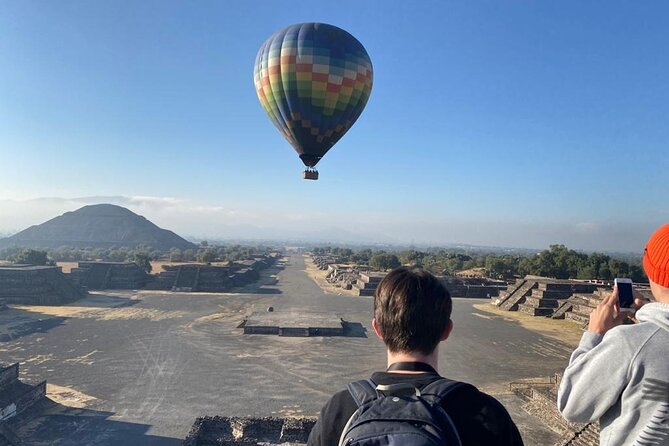
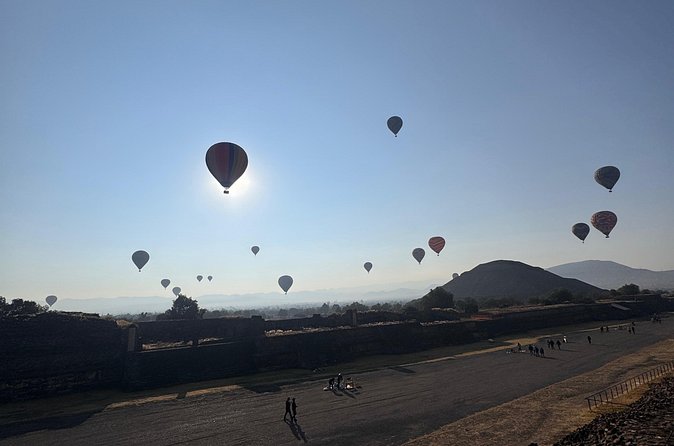
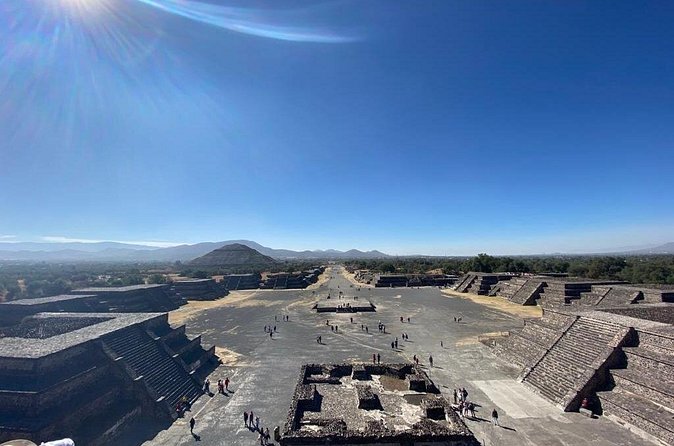
Teotihuacán hits different before the day fully starts. You’re there early, when the first light makes the stone forms look sharper, and you get the kind of quiet that helps you slow down. Instead of feeling like you’re rushing between photo spots, you can actually read the site—avenues, platforms, and how the complex is laid out.
That early start also gives you a better chance at breathing room. In the best moments, you feel like you’re walking through an ancient city while everyone else is still waking up. It’s a small timing choice that changes the whole vibe.
Your guide: what makes Jorge Archer and David so effective
This tour stands or falls on the guide, and the big payoff here is the level of expertise. You’re not just getting a script. You’re getting an archaeologist/anthropologist—often Jorge Archer or David—and both names show up again and again in the way people describe the experience.
I like that the guides explain context in plain language. You get the “what” and also the “why does this matter?” That’s especially useful at Teotihuacán, where a structure can look similar from a distance. A strong guide helps you connect the physical layout to the bigger story: how the city was organized, what different buildings likely meant in daily and ceremonial life, and how researchers interpret the evidence.
It also helps that some guides come across as working scholars rather than only educators. People mention David as a trained archaeologist, and they also note how he can explain not just theories, but how scholars know what they know. If you’re the type who asks follow-up questions, this tour tends to reward that.
The walk through the Citadel and the Street of the Dead
Once you’re at the site, the morning pace matters. You’re guided through the key areas without the usual “point-and-go” feeling. The route includes the Citadel and the Street of the Dead, which together help you understand Teotihuacán as a planned, ceremonial space rather than a random cluster of pyramids.
The Street of the Dead is the kind of feature that makes you stop. Standing along it, you can see how the city would have directed movement and attention. Even if you don’t know the technical terminology, the scale and the alignment do the teaching for you. With a good guide, you’ll leave with a clearer sense of how people would have experienced the space.
The Citadel adds contrast. It’s a major complex area, and it changes your perspective from “main avenue” to “major ceremonial zone.” The guide’s job here is to help you notice what’s in front of you—how different areas relate—and to offer interpretations that make the shapes feel meaningful.
- Teotihuacan, Guadalupe Shrine & Tlatelolco Day Tour with Lunch★ 5.0 · 11,603 reviews
- Xochimilco, Coyoacan and Frida Kahlo with Optional Lunch★ 4.5 · 7,320 reviews
- Balloon flight + Breakfast in cave + Pyramids + Pick up CDMX.★ 5.0 · 6,335 reviews
- Teotihuacan pyramids morning or afternoon without tourist traps★ 5.0 · 6,186 reviews
- Teotihuacan Early Access Guided Tour with optional Lunch★ 4.5 · 6,138 reviews
Pyramid time: Sun and Moon climbs (and how to plan)
The tour includes climbing to viewpoints on the Pyramid of the Sun and the Pyramid of the Moon. This is the part with the biggest physical demand, which is why the operator flags it for safety. Even if you’re generally fit, take the stairs seriously: uneven steps, sun exposure (even in the morning), and the simple fact that the climb feels longer when you’re paying attention.
I recommend smart footwear—grippy soles—and arriving with a little buffer in your head. You’re going to spend energy. Don’t show up thinking you’ll “just jog up and down.” Instead, treat it as a steady climb, then take time at the top to look around.
The reward is the views and the way the early light catches the stone. People also talk about the almost-alone feeling at certain times—being up in front of the pyramids when the site is still waking up. That moment is one reason to pay for a guided experience here rather than doing a loose self-guided walk.
Quetzalpapálotl Palace, Wall Paint Palace, and the museum option
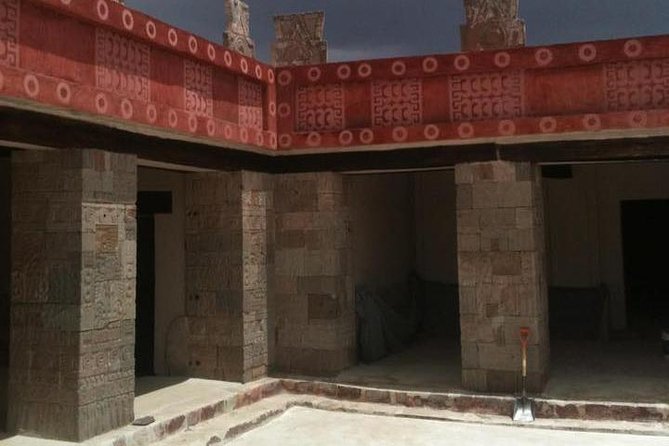
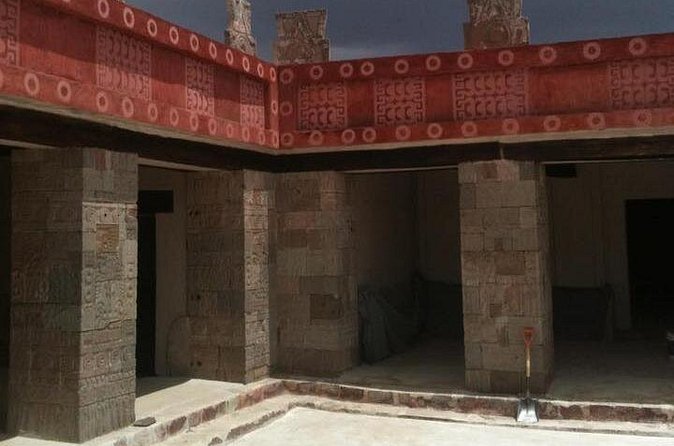
After the big open spaces and pyramid climbs, you’ll get deeper into the areas that show Teotihuacán as an art-and-architecture culture. The tour includes Quezalpapalotl/Quetzalpapálotl Palace and the Wall Paint Palace, plus an optional museum stop.
This is where an expert guide earns their keep. Palace areas can be visually impressive, but they can also be confusing if you only rely on what the ruins look like today. With the archaeologist/anthropologist approach, you get guidance on what these spaces represent and how researchers connect fragments, architecture, and interpretation. The goal isn’t to memorize facts. It’s to understand how the pieces fit.
The Wall Paint Palace is especially helpful because it gives you a bridge between what remains on site and what you can learn in a museum setting. If you choose the museum option, it generally makes the ruins easier to “place” in your mind—structures feel less like isolated monuments and more like part of a studied complex.
Some people even mention spending longer than the listed time after the guided portion, then continuing on at their own pace. That tells you something: once the guide gives you a framework, you can keep using it on your own.
How long you’ll be out there (and why it can run long)
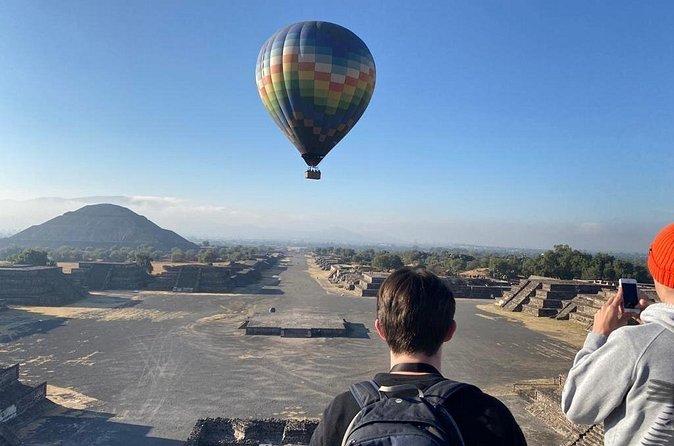
The experience is listed as 2 to 4 hours. In reality, if your guide is great—and if questions keep coming—you may end up stretching beyond that plan. People describe tours that last closer to the half-day mark, especially when the guide’s context sparks extra discussion.
So I’d treat the time as flexible. Build your day so you don’t have a stressful next commitment right after Teotihuacán. Morning tours are great, but they can pull you in.
Price and value: what you’re paying for (and what costs extra)
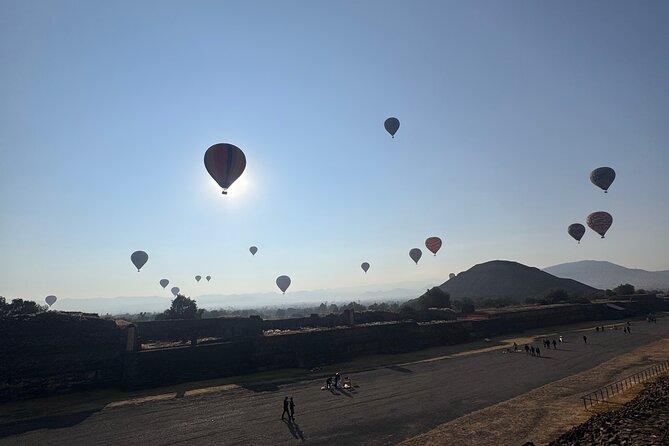
At $100 per person, this isn’t the cheapest way to see Teotihuacán. But you’re paying for a specific kind of value: expert guidance from an archaeologist/anthropologist, plus private-group pacing and interpretation across multiple major areas.
Here’s the part to budget for up front:
- Entrance fees are not included (listed as $5 USD)
- A $3 parking fee applies at check-in
- Food and drinks are not included
- Hotel pickup and drop-off are not included
- Transport to the site isn’t included unless you arrange it as an additional option
That means the real cost depends on how you travel. If you’re already in Mexico City and you can reach the site via taxi or bus, you’ll likely keep it closer to the advertised number. If you want added transport, plan for extra cost.
Still, the best argument for the price is simple: Teotihuacán is huge and easy to misunderstand without a guide. A strong expert turns your visit from sightseeing into learning you can actually use.
Getting from Mexico City: taxi, bus, or arranged transport
You can reach the pyramids from Mexico City by taxi or bus. If you’d rather have help, the operator notes that you can ask about transportation (it can cost extra). Some visitors also mention using rideshare like Uber from central CDMX, with an easy, straightforward ride in practice.
The tour’s meeting point starts in the Tuxpan area (Tuxpan, 55825 Méx., Mexico), and the experience ends at/near Palacio de Quetzalpapálotl, Cruz de La Misión 6, Teotihuacán Centro. That end point is handy if you plan to keep exploring on foot afterward.
If you’re short on time, ask early about the best way to get there. Teotihuacán morning schedules can be smoother when you’re not improvising last-minute transport.
Weather, tickets, and what to pack
This experience requires good weather. If weather is poor, you’ll be offered a different date or a full refund. So don’t schedule the rest of your day like everything is guaranteed to be perfect.
You’ll also use a mobile ticket, so have your phone ready. It’s small, but it prevents the typical “where’s the ticket” panic.
For what to pack, plan for the basics that match sunrise and ruins:
- layers (mornings can feel cooler)
- water
- sunscreen
- grippy shoes for climbs and uneven ground
Who should book this Teotihuacán archaeology tour?
Book this if you want:
- an expert archaeologist/anthropologist guide who can answer questions and provide interpretation
- sunrise views and a calmer feel at the main monuments
- a tour that goes beyond the generic checklist of pyramids
It may not be the best fit if:
- you can’t handle stairs and pyramid climbs
- you want a low-cost, fully self-guided experience with zero extra fees
- you prefer a slow, minimal-walking style (this is a walking tour with climbs)
Should you book Teotihuacan Real Archaeology Tours?
I’d book it if Teotihuacán is a major stop for your Mexico City trip and you care about understanding what you’re seeing. The private, expert-led format makes a big difference here, especially at the Citadel, the main avenues, and around the palace areas where context really matters.
I’d also book it if sunrise is your thing. That early timing is one of the strongest parts of the experience, and it helps you enjoy Teotihuacán as a real place, not just a monument.
Finally, be honest with your fitness level. If pyramid climbs are a deal-breaker for you, look for an alternative style of visit.
FAQ
How long is the Teotihuacán archaeology tour?
It’s listed as a 2 to 4 hour experience.
What’s included in the $100 per person price?
The tour includes a prof. archaeologist/anthropologist expert guide. A mobile ticket is used.
Are entrance fees included?
No. Entrance fees are listed as $5 USD, and you also pay a $3 parking fee at check-in.
Does this tour include transport from Mexico City or hotel pickup?
No. Hotel pickup/drop-off and transport to the site are not included, though transportation can be arranged for an additional cost.
Is it a private tour?
Yes. It’s a private tour/activity with only your group participating.
What happens if weather is bad?
This experience requires good weather. If it’s canceled due to poor weather, you’ll be offered a different date or a full refund.
More Tours in Mexico City



More Tour Reviews in Mexico City



Back to Teotihuacan: More Pyramid Days

Fresh from our Mexico City notebook


Teotihuacan Pyramids Tours, compared.
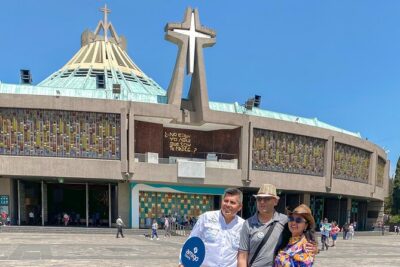 ★ 5.0Teotihuacan, Guadalupe Shrine & Tlatelolco Day Tour with LunchFrom $3911,603 reviews
 ★ 5.0Balloon flight + Breakfast in cave + Pyramids + Pick up CDMX.From $1726,335 reviews
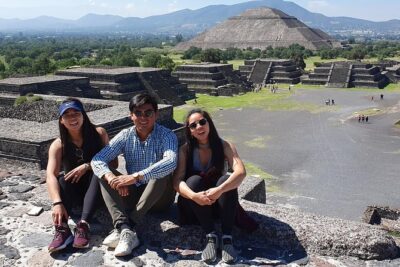 ★ 5.0Teotihuacan pyramids morning or afternoon without tourist trapsFrom $646,186 reviews
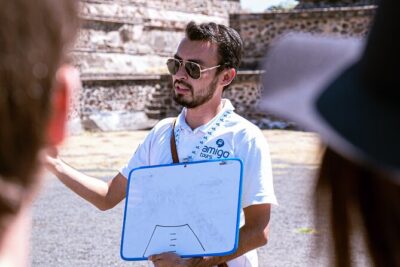 ★ 4.5Teotihuacan Early Access Guided Tour with optional LunchFrom $396,138 reviews
 ★ 5.0Balloon flight + pick up in CDMX + Breakfast in Cave + PyramidsFrom $1695,651 reviews
 ★ 5.0Balloon Flight + Cave Breakfast + Pick Up from CDMX or We FlyFrom $1664,410 reviews
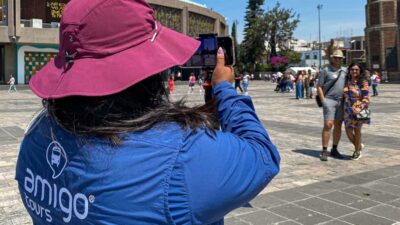 ★ 4.6Teotihuacan, Tlatelolco & Guadalupe Shrine TourFrom $493,773 reviews
 ★ 5.0Teotihuacan Hot Air Balloon Flight from Mexico City / VolareFrom $1553,262 reviews
Browse the lists this tour appears in