
REVIEW · MEXICO CITY STREET FOOD TOURS
Tamales 101: Multi-variety tamal cooking class and feast
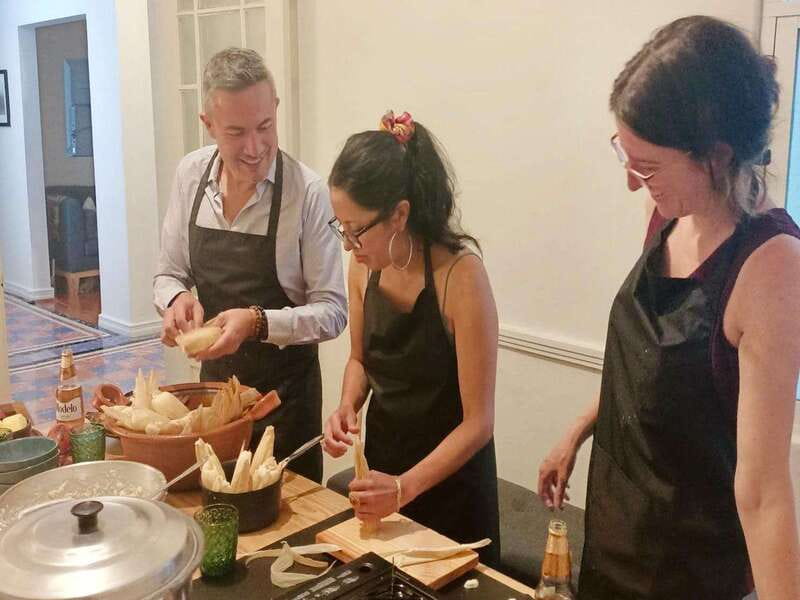
Tamales become hands-on at a real home kitchen. At the Condesa home of Jim (English and Spanish), you get the big picture of Mexican tamales, then jump straight into cooking two versions yourself—starting with tangy tomatillo-based flavors.
I love the combo of learning the classic green tamal and a seasonal fresh corn tamal, because it shows how flexible the same basic idea can be. You also get a real sit-down feast with Mexican drinks, served at a table set with locally made dinnerware by artisans. The one drawback to consider: the house does not have an elevator, and there are two cats on site (kept out of the cooking area, but still there).
In This Review
- Key highlights you can count on
- Condesa home kitchen: why this tamal class feels personal
- The two tamales you’ll make: green tomatillo and fresh corn
- The workflow: what you actually do from start to steamer
- Sauce skills: smoky chipotle with sweet corn balance
- The feast table: artisan dinnerware makes it feel like an event
- What $130 gets you in 4 hours (and why it can be good value)
- Dietary needs, allergies, and the cats: what to know before you go
- Who should book Tamales 101 (and who might want another option)
- Should you book this tamal cooking class?
- FAQ
- What tamales will I learn to make?
- How long does Tamales 101 last?
- What’s included in the price?
- Are dietary requirements and allergies accommodated?
- Does the instructor teach in English or Spanish?
- Is the venue wheelchair accessible?
- Are there animals in the house?
Key highlights you can count on
- Two tamal styles, not one: classic green with tomatillo filling plus a seasonal fresh corn tamal
- Your own smoky salsa: you make a chipotle salsa to match the tamales
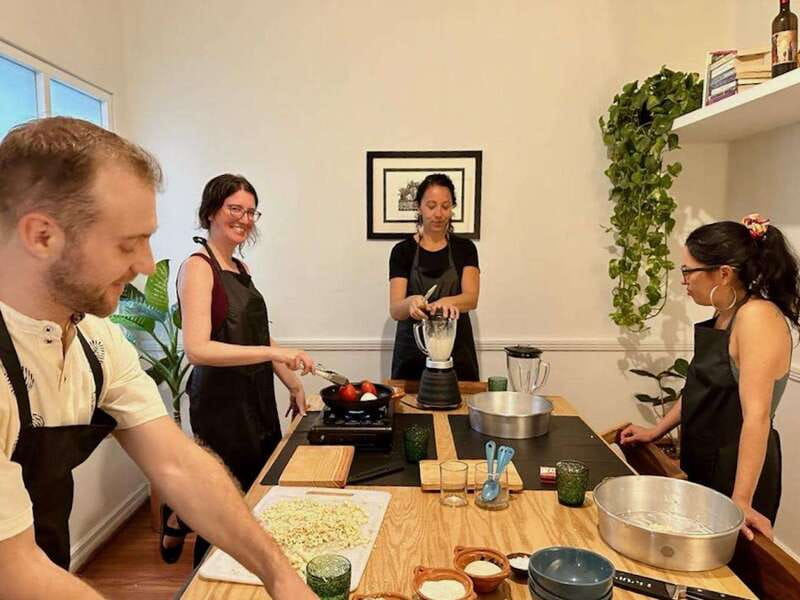
- Hands-on, not watch-and-learn: you roll up your sleeves and work through the process together
- A feast with local tableware: dinnerware made by local artisans makes the meal feel special
- Diet tweaks are possible: the instructor can adjust when food needs come up
- Drinks and ingredients included: Mexican beer, wine, soft drinks, and everything to cook are part of the price
Still hungry? More taco crawls across town
- Historic Center Food Tour in Mexico City
★ 5.0 · 1,263 reviews - Xochimilco Barco Fiesta Tentacion 18+ with Open Bar and Tacos
★ 5.0 · 1,209 reviews - Lucha Libre Tickets & Tacos & Beer & Mezcal – BEST NIGHT EVER!
★ 5.0 · 1,077 reviews - Polanco Food Tour: The Bestselling Food Adventure in Mexico City
★ 5.0 · 881 reviews
Condesa home kitchen: why this tamal class feels personal
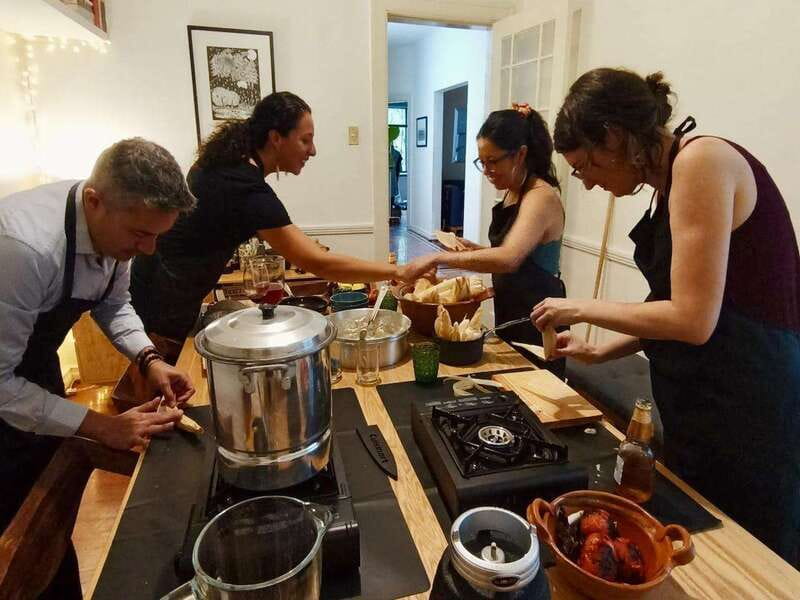
This experience is built around the setting. Instead of a food hall demo or a crowded studio, you’re in a home in Condesa, where the evening naturally turns into a shared meal—not just a class you hurry through.
You’ll start with Jim walking you through the world of tamales: why people make them, how the flavors vary, and how small choices change the end result. Then the tone shifts quickly from talk to action. You’re not just learning recipes in theory—you’re learning what to do and when to do it so you can see how tamales come together step by step.
I also like that the format supports questions. Jim encourages you to ask, and you get explanations as you go. That matters because tamales can feel intimidating when you’re watching from a distance. Here, you’re working alongside someone who can correct your pace and help you get the details right.
The two tamales you’ll make: green tomatillo and fresh corn
The class centers on two tamal builds, and that’s a big reason the experience is worth your time. Many tamal workshops teach one style well. This one deliberately teaches two, so you’ll leave with a clearer sense of how fillings and sauces create totally different moods.
First up is the classic green tamal. You make it from scratch, and the filling is based on tomatillo flavors that come through tangy and bright. After cooking, you get to taste it straight from the steamer, when the masa still has that freshly made texture.
Second is the seasonal fresh corn tamal. This one is a great reality check for anyone who assumes corn-only tamales are bland. The corn flavor brings natural sweetness, and your job is to balance it with a smoky element. That balance is where the experience turns from cooking into flavor thinking.
At the end, both tamales sit on the same table, so you can compare the two styles side by side. It’s one of those “now I get it” moments that makes a cooking class stick.
The workflow: what you actually do from start to steamer
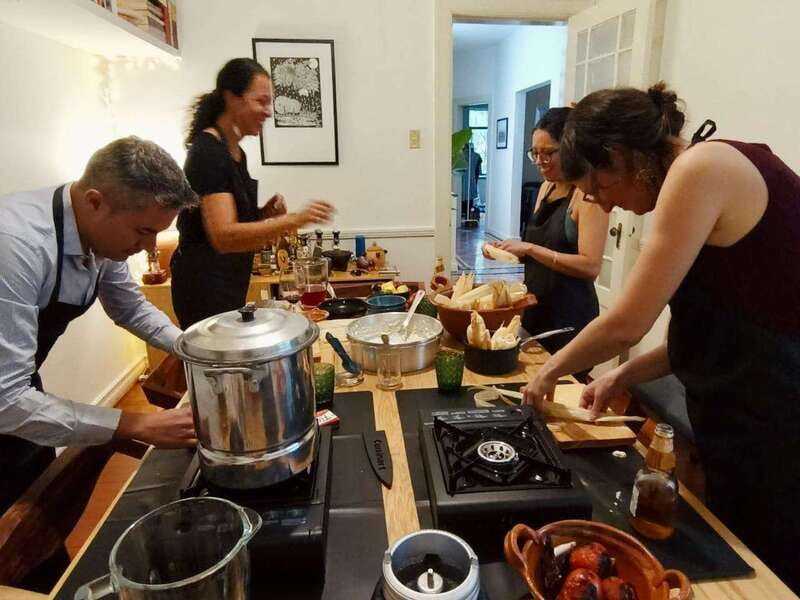
The pace is practical. You’ll spend time prepping ingredients, working the masa, and assembling the tamales so they’re ready for steaming. Then, just over an hour after you start, you’re at the point where you can set up the table and enjoy what you made straight from the steamer.
What I like about the workflow is that it teaches you the rhythm. You learn what comes first, what can wait, and what you can fix if something seems off. That’s useful even if you don’t plan to cook tamales every weekend. Once you understand the sequence, you can translate it to other fillings and sauces with less guesswork.
You’ll also make the sauces as part of the evening, not as a last-minute garnish. That means when you taste the finished tamales, you connect flavor to decisions you personally made—tomatillo tang on one side, smoky chipotle heat on the other.
And because it’s a multi-variety class, you get more than one chance to practice. You’ll notice differences in how you handle the fillings, and you’ll learn how the sauces change how each tamal tastes.
More aprons-on time in a CDMX kitchen
- Mexican Cooking Class with Food Market Visit in Mexico City★ 5.0 · 506 reviews
- Essence of Mexico: Authentic Mexican Cooking Class & Market Tour★ 5.0 · 289 reviews
- Mexican Cooking Class & Cocktails in Mexico City★ 5.0 · 134 reviews
- Mexican Churros Master Class★ 5.0 · 91 reviews
- Mexico City: Mexican Cooking Class★ 4.8 · 85 reviews
Sauce skills: smoky chipotle with sweet corn balance
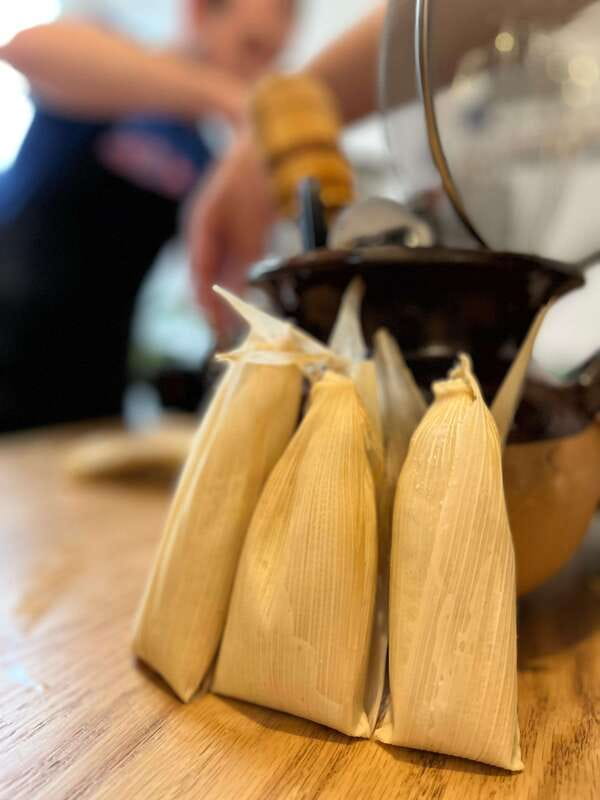
One of the smartest parts of this class is that you don’t treat salsa as an afterthought. You make a smoky chipotle salsa yourself to pair with the fresh corn tamal.
This matters because it gives you a structure for pairing flavors. Corn brings sweetness. Chipotle brings smoke and heat. Together, they create contrast instead of competing flavors. You’ll end up understanding why some salsas work better on certain fillings than others.
For the green tamal, you’re working with the tangy tomatillo-based filling, and the experience helps you notice how acidity and cooked corn-leaning masa flavors work together. You’re essentially learning two pairing systems in one night: one grounded in tang, the other grounded in smoke.
If you care about building flavor, this is the section you’ll probably remember most.
The feast table: artisan dinnerware makes it feel like an event
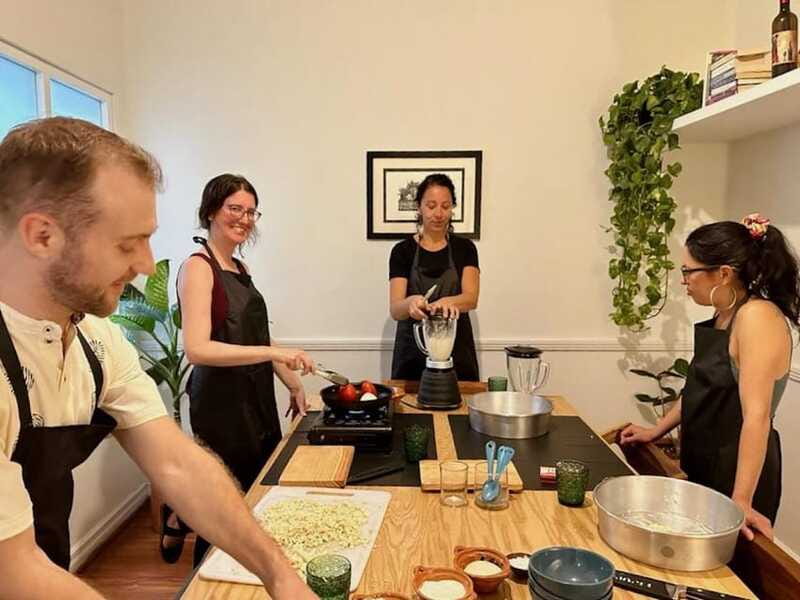
After the cooking part, you sit down and eat. That part is deliberate, because tamales are a food that tastes best when you take your time. The timing works out so you can enjoy the tamales hot, not lukewarm and rushed.
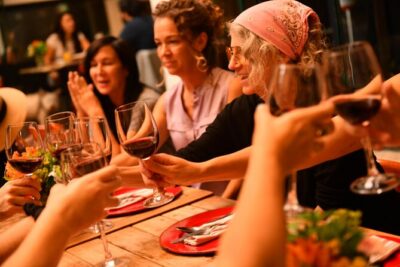
You’ll set the table yourself with beautiful locally made dinnerware created by local artisans. It’s a small detail, but it changes the whole mood. The meal stops feeling like a snack break and becomes a proper sit-down feast.
There’s also drink service throughout the evening: Mexican beer, wine, and soft drinks. That keeps things comfortable, and it helps the class flow like a shared meal rather than a timed kitchen exercise.
To me, the best part of the feast setup is that it makes the experience social. You’re not cooking for a plate that disappears in the sink. You’re cooking for a table you help create—and then enjoying it right away with others in the group.
What $130 gets you in 4 hours (and why it can be good value)
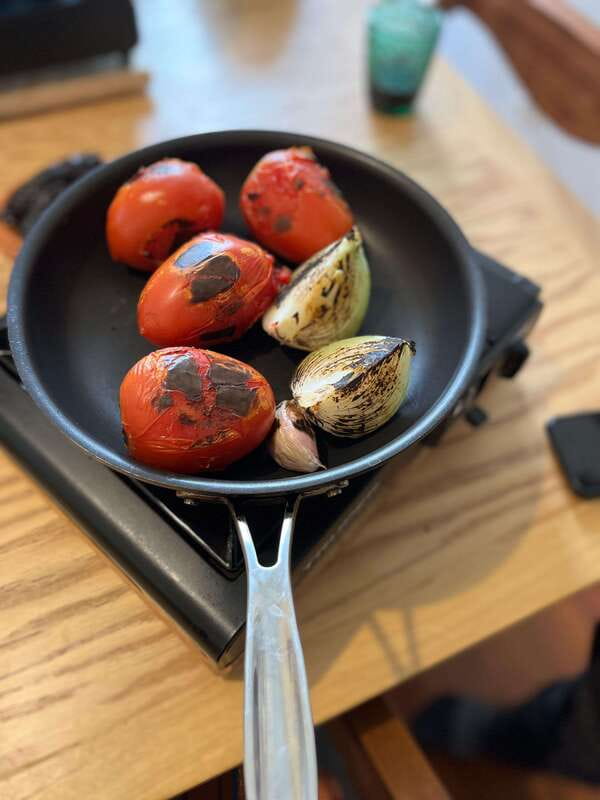
At $130 per person for about 4 hours, you’re paying for more than recipes. You’re paying for ingredients, instruction, cooking time, and a full meal with drinks—plus recipes sent by email after the class.
Here’s the value math that usually matters most for cooking classes:
- All ingredients included for both tamal types
- Drinks included, including Mexican beer and wine
- You make two tamales and matching sauces, so you get more output than one-teach-one-taste formats
- You eat what you cook, with the tamales coming fresh from the steamer
- Recipes emailed later, which helps you cook again without guessing
The comparison isn’t just cost. It’s what you walk away with. A lower-price class often means limited food served, fewer items made, or no drinks/meal included. Here, the structure is built around a complete evening, from rolling up sleeves to sitting down.
One other factor: the setting in a real Condesa home. That’s part of the experience quality. It’s less about fancy packaging and more about a genuine local dinner feel.
Dietary needs, allergies, and the cats: what to know before you go
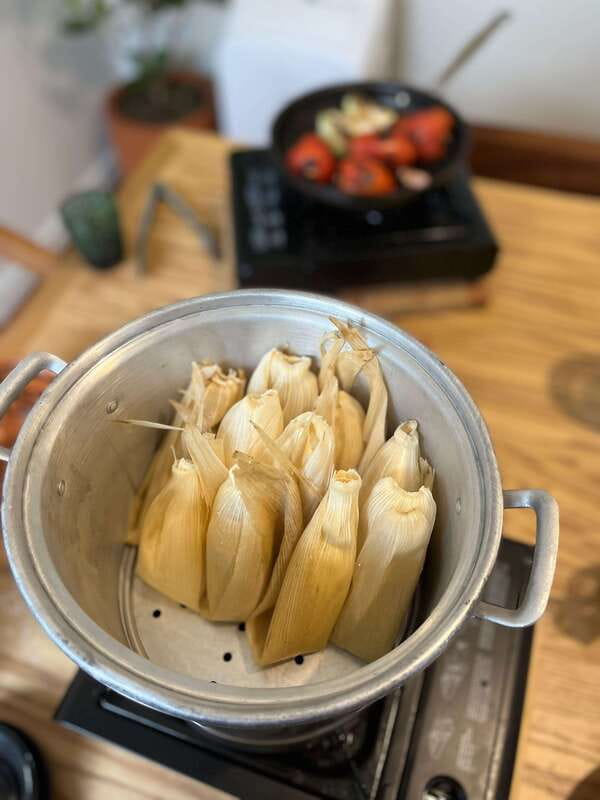
This is one of those experiences where preparation really pays off. After booking, you’ll be contacted to ask about dietary requirements, and the good news is that many needs can be accommodated.
Allergy support is part of the lived experience. For example, when a tomato allergy came up, the instructor tailored the meal and created a new recipe approach. That tells you the class can flex if you communicate clearly.
That said, there are limits you should know upfront. Strict Kosher is not possible at this time.
Also, two practical realities:
- Wheelchair users have attended before, but the building does not have an elevator, so access depends on stairs and the setup in the house.
- There are two cats in the home. They’re kept out of the cooking area, and allergy pills are available for guests who need them, but they’re still part of the environment.
If you have allergies, mobility limits, or strong sensitivities, email your needs early and be explicit. Ask what’s being prepared and how your needs will be handled. The better you’re specific, the easier it is for the host to make a workable plan.
Who should book Tamales 101 (and who might want another option)
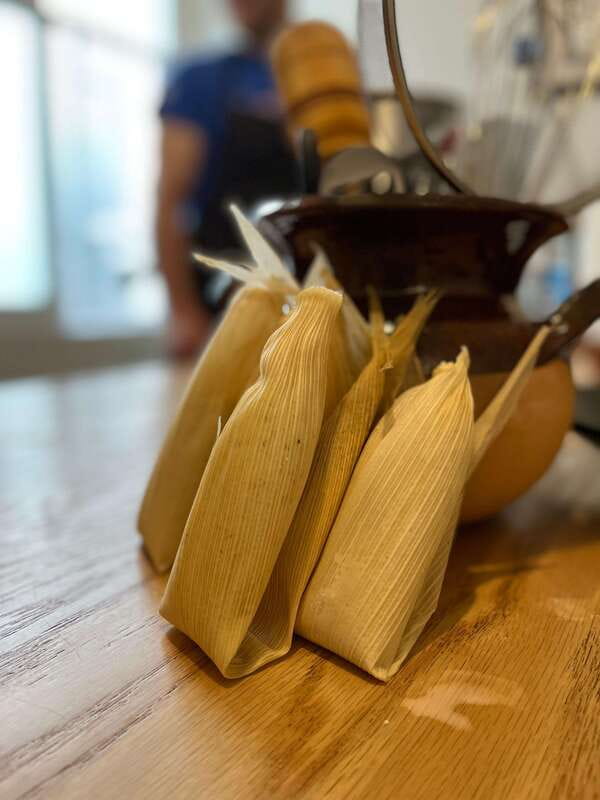
I’d book this if you want a tamal experience that’s not just educational—it’s food-first. You like tasting as you cook, and you want a clear pairing lesson: green tomatillo tang paired with fresh tamal textures, plus smoky chipotle salsa for corn sweetness.
It’s also a strong fit if you’re going with friends or family. The class is available as private or small groups, so it tends to feel less hectic and more personal. If you want a low-stress way to learn and eat together in Mexico, this format usually works well.
You might want a different option if:
- You need wheelchair access with no stairs involved (because there’s no elevator)
- You have sensitivities to cats, even if they stay out of the cooking area
- You need strict Kosher preparation
If those aren’t deal-breakers, this is a great way to spend a few hours and end up with something tangible: two tamal styles you can talk about—and recipes you can use later.
Should you book this tamal cooking class?
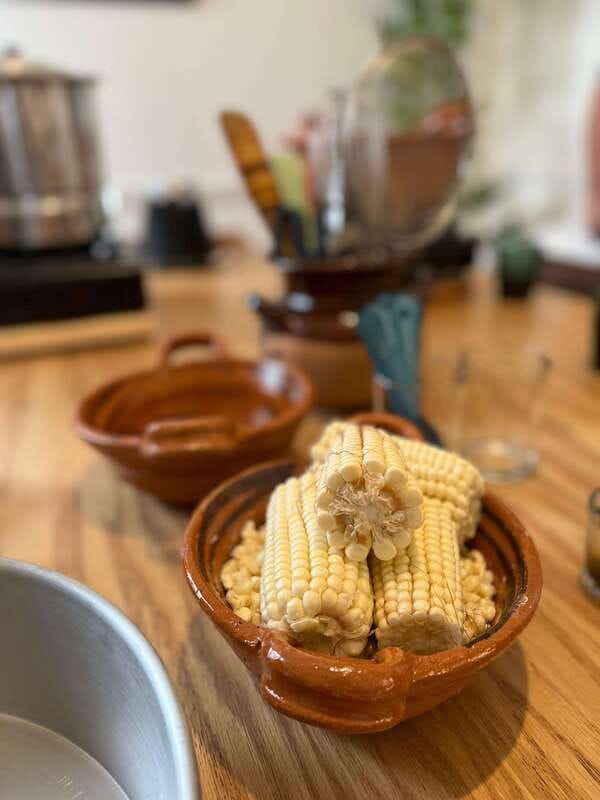
If you want a practical, home-style tamal evening with real cooking output, I’d say yes. The combination of two tamal varieties, making your own chipotle salsa, and sitting down to a feast with artisan tableware is a strong package for $130. You’re not paying just for instruction; you’re paying for an entire experience that ends with hot food and a table set for eating.
Book it if you enjoy hands-on cooking, want to learn flavor pairing (tomatillo tang and smoky heat), and like the idea of learning in English or Spanish with Jim.
Skip it only if your needs don’t match the house realities (no elevator) or you can’t be around cats. Otherwise, this is the kind of evening that turns into a go-to meal memory.
FAQ
What tamales will I learn to make?
You’ll learn to make two types: classic green tamales with a tangy tomatillo-based filling, and a seasonal fresh corn tamal. You’ll also make a smoky chipotle salsa to go with the tamales.
How long does Tamales 101 last?
The class is scheduled for 4 hours. Starting times depend on availability.
What’s included in the price?
All ingredients to prepare the two tamal types are included, along with Mexican beer, wine, and soft drinks. You’ll also receive recipes by email after the class.
Are dietary requirements and allergies accommodated?
Dietary requirements are generally accommodated, and allergy needs have been handled by adjusting the recipe approach. Strict Kosher is not possible.
Does the instructor teach in English or Spanish?
Yes. The instructor, Jim, teaches in English and Spanish.
Is the venue wheelchair accessible?
Wheelchair users have attended before, but the building has no elevator. This can affect access depending on the stairs in the house.
Are there animals in the house?
Yes. There are two cats in the home. They are kept out of the cooking area, and allergy pills are available for guests who need them.
More Tour Reviews in Mexico City






Learn a Dish in a Mexico City Kitchen




Keep Eating: More Mexico City Taco Runs





Fresh from our Mexico City notebook





Mexico City Street Food Tours, compared.
 ★ 5.0Historic Center Food Tour in Mexico CityFrom $1151,263 reviews
 ★ 5.0Xochimilco Barco Fiesta Tentacion 18+ with Open Bar and TacosFrom $591,209 reviews
 ★ 5.0Lucha Libre Tickets & Tacos & Beer & Mezcal – BEST NIGHT EVER!From $841,077 reviews
 ★ 5.0Polanco Food Tour: The Bestselling Food Adventure in Mexico CityFrom $109881 reviews
 ★ 5.0Colonia Roma Food TourFrom $110838 reviews
 ★ 5.0Mexico City Historical Centre Food Tour with 7 Authentic TastingsFrom $65723 reviews
 ★ 5.0Local Foodie Adventure in Mexico: +10 dishes with Sherpa ToursFrom $85338 reviews
 ★ 5.0Street Food Tour with Friends326 reviews
Browse the lists this tour appears in