
REVIEW · MEXICO CITY STREET FOOD TOURS
Private Mexican Cooking Class with Gastronomic Historian, Lucia
Food history lives in a kitchen. Step into Lucía’s home class, where Mexican food history gets tied directly to what you cook, not just what you eat. I like the way she teaches with context, so flavors come with a story.
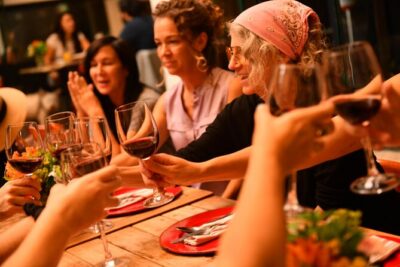
You also get to eat in a real private home setting, usually with time on a patio or in the garden feel, plus local alcohol such as tequila or beer with the meal. That mix turns cooking into a relaxed evening, not a factory-style class.
At $145 per person, it’s a real splurge. If you’re looking for value-per-hour, you may want to go in with a smaller group mindset, since it’s designed for a more personal experience.
In This Review
- Key highlights you’ll feel right away
- Cooking with Lucía turns recipes into stories
- Your 3-hour plan: cooking, then eating like you mean it
- Stop 1: Traveling Spoon and the real beginning
- The cooking phase: hands-on or demonstration
- The meal phase: eat what you made
- What you might cook: a menu with familiar classics and surprise picks
- Starters and soups
- Main dishes: sauces you’ll remember
- Desserts: guava and caramel-style sweetness
- How Lucía teaches: history, technique, and practical choices
- Dietary needs and vegetarian cooking
- Alcohol pairing is part of the social rhythm
- Price and value: what $145 really buys you
- Who this is best for (and who might want a different plan)
- Practical logistics that will save you stress
- Should you book Cooking with Lucía?
- FAQ
- How long is the cooking class?
- Is this experience private?
- What language is the class taught in?
- Do I get to eat the meal you cook?
- Can I choose hands-on cooking or watching?
- Are vegetarian and special diets supported?
- What kinds of dishes are typically on the menu?
- Where does the class start and end?
- What is the cancellation policy?
Key highlights you’ll feel right away
- Lucía is a gastronomic historian, so dishes come with cultural context and ingredient meaning
- Hands-on or watch-and-learn, based on what you prefer that day
- Seasonal menu flexibility, with classic dishes plus thoughtful regional choices
- A proper meal at the end, paired with Mexican beer or tequila
- Family-friendly handling, with extra attention for kids when they’re along
- Home-kitchen comfort, not a studio classroom vibe
Still hungry? More taco crawls across town
- Historic Center Food Tour in Mexico City
★ 5.0 · 1,263 reviews - Xochimilco Barco Fiesta Tentacion 18+ with Open Bar and Tacos
★ 5.0 · 1,209 reviews - Lucha Libre Tickets & Tacos & Beer & Mezcal – BEST NIGHT EVER!
★ 5.0 · 1,077 reviews - Polanco Food Tour: The Bestselling Food Adventure in Mexico City
★ 5.0 · 881 reviews
Cooking with Lucía turns recipes into stories
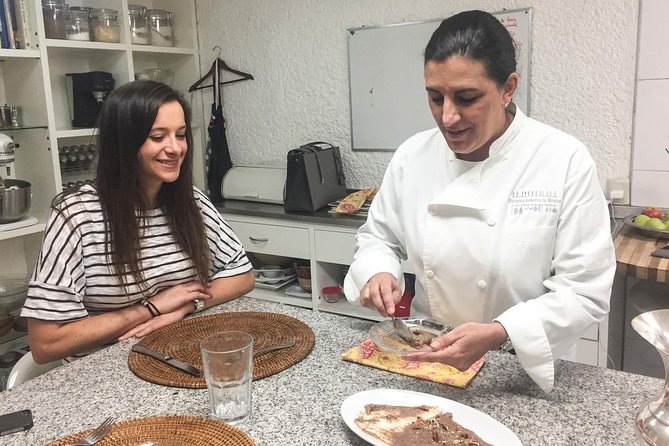
There’s a big difference between eating Mexican food and understanding how it got to your plate. This class is built around that idea. You’re not just repeating steps; you’re learning why certain flavors and techniques matter in Mexico City cooking, and how historical influences show up in everyday dishes.
Lucía’s background as a gastronomic historian shapes the whole pace. Expect the teaching to connect ingredients to tradition and change over time, so even if you’re a confident cook, you’ll likely pick up new ways to think about what’s in front of you. And if you’re a beginner, you’ll get structure: what to do first, what to taste for, and how to adjust as you go.
What also makes this work is the setting. This isn’t a commercial studio with folding chairs and a lecture voice. It’s a home kitchen, with a space that supports conversation. Even the meal feels like part of the lesson, not a separate reward you rush through.
Your 3-hour plan: cooking, then eating like you mean it
This experience runs about 3 hours, and it follows a simple rhythm: meet, cook together (or watch), then sit down for the meal you helped create. You end back at the meeting point, so you’re not left figuring out logistics while hungry.
Stop 1: Traveling Spoon and the real beginning
You start near the meeting address at Santo Desierto, Tizampampano, Ciudad de México, CDMX. One practical tip: follow the address provided to you and not a random alternative pin in Google Maps. People have found that the map version can take you somewhere else, which is the last thing you want when you’re trying to arrive on time for a cooking class.
From there, you’ll meet Lucía and settle into the home-kitchen setup. If you’re taking public transportation, you’re in the right category for it—this is listed as near public transportation—and if you’re using rideshare, the home setting tends to be straightforward to reach.
More aprons-on time in a CDMX kitchen
- Mexican Cooking Class with Food Market Visit in Mexico City★ 5.0 · 506 reviews
- Essence of Mexico: Authentic Mexican Cooking Class & Market Tour★ 5.0 · 289 reviews
- Mexican Cooking Class & Cocktails in Mexico City★ 5.0 · 134 reviews
- Mexican Churros Master Class★ 5.0 · 91 reviews
- Mexico City: Mexican Cooking Class★ 4.8 · 85 reviews
The cooking phase: hands-on or demonstration
You get a choice of how you want to learn. Under Lucía’s guidance, you can either:
- cook along hands-on, preparing each dish together, or
- watch a live demonstration where you see the technique closely
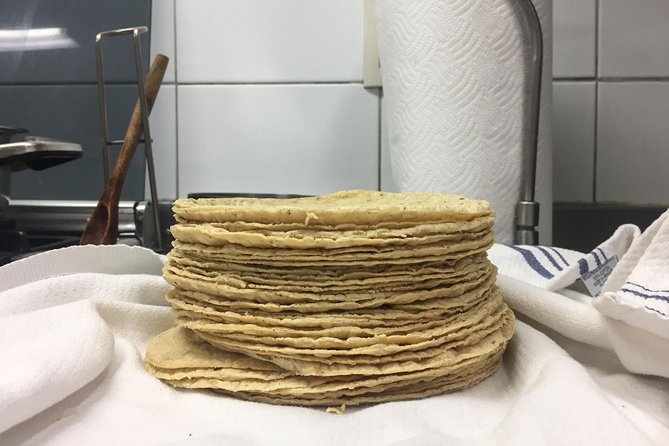
If you’re the type who learns by doing, go hands-on. You’ll be working with tortillas, salsas, and the sauces that make Mexican food taste like Mexican food. If you’d rather focus on technique and note-taking, the demonstration format can be great too—especially if you’re traveling with mixed skill levels.
Either way, the teaching style is designed to give you real take-home skills: how to season, how to build a sauce, and what to look for so the dish tastes right.
The meal phase: eat what you made
After cooking, you sit down to the meal. The menu changes with the season, but the overall structure stays the same: starter(s), mains, and dessert, plus Mexican beer or tequila alongside the food.
This is where the class pays off. Cooking classes can sometimes feel like you spend the entire time laboring, then eat something half-finished. Here, the meal is part of the experience, and the home setup makes it feel like sharing a dinner with a host who really cares.
What you might cook: a menu with familiar classics and surprise picks
The menu varies by season, but there’s a strong through-line: you’ll see traditional Mexican dishes and also dishes that show how regional ingredients and historical influences shape modern cooking in Mexico City.
Here are some sample dishes you could end up making or tasting during your class:
Starters and soups
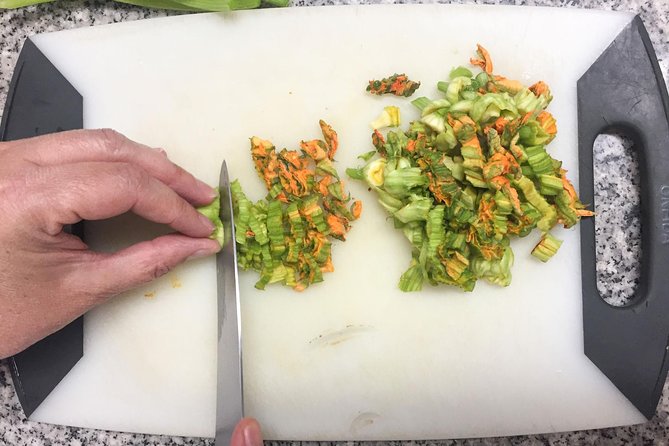
You might start with something like nopalitos soup in bean broth. Nopal (cactus) has a distinct flavor and texture, and pairing it with bean broth gives it comfort without tasting heavy. Other soup options may include tortilla soup, lima soup, or an Aztec-style soup option.
Why this matters: soups are a smart place to begin because they teach you seasoning and broth-building. Even if you never plan to replicate the exact same soup, you’ll learn how to balance heat, salt, and acidity.
Main dishes: sauces you’ll remember
For mains, you’ll likely choose between multiple options. Examples include:
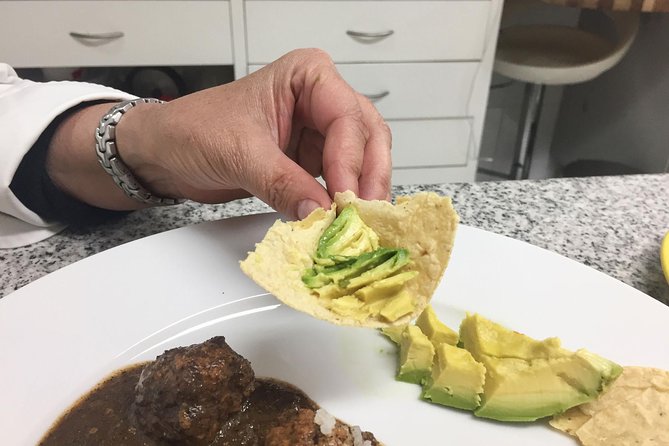
- Albondigas en salsa de chile chipotle meco
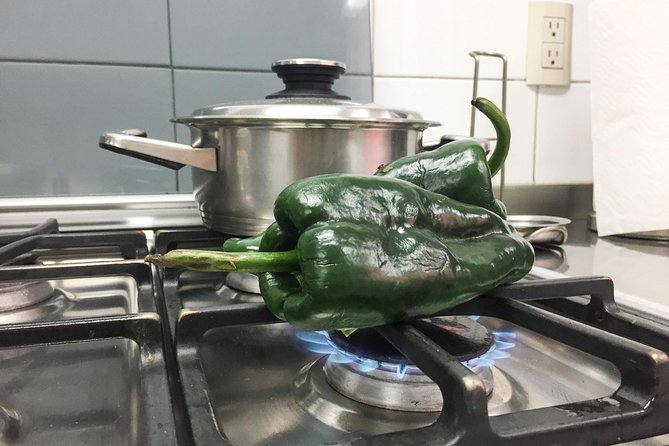
- Chiles en nogada
- Encacahuatado with chicken (peanut-based flavor is a big part of why this one stands out)
- Pork in verdolagas (that ingredient verdolagas is a seedling/greens element that brings a slightly peppery, fresh note)
You’ll also get Mexican rice options—white rice, red rice, or black rice—paired with the mains. These sides aren’t just filler. They help you learn how herbs, chiles, and fats show up in the overall flavor profile, and they’re useful for recreating the meal at home.
Desserts: guava and caramel-style sweetness
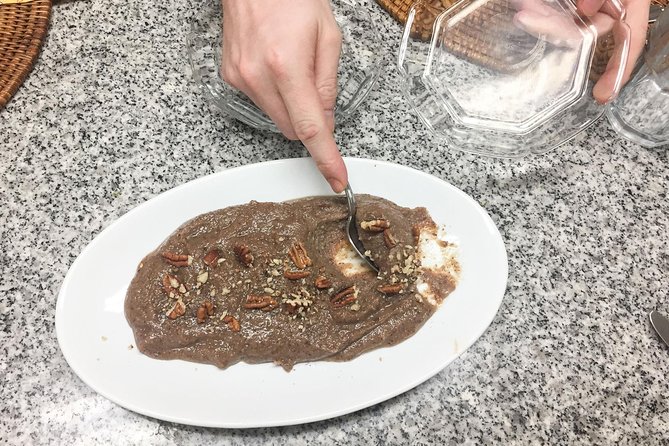
Dessert might include dulce de guayaba or dulce de mamey, plus options like flan de cajeta or gollorias. There’s also coffee or tea to close the loop.
These sweets teach you how Mexican desserts can be both creamy and deeply spiced, without needing fancy equipment. If you enjoy cooking at home, this portion is often where the class becomes sticky in your memory.
How Lucía teaches: history, technique, and practical choices
What makes this class different from the “chop, stir, repeat” type is Lucía’s approach. She connects cooking to culture in plain terms, then backs it up with step-by-step technique.
You’ll also get flexibility. Lucía can tailor the lesson to your preferences. If you want to avoid certain ingredients, or if you’re traveling with specific goals (like learning sauces more than cooking seafood, or wanting a vegetarian menu that still feels satisfying), you can set that expectation when booking.
Dietary needs and vegetarian cooking
The class lists that vegetarian options are available, and it also says dietary restrictions and allergies should be advised at the time of booking. So if you eat vegetarian, don’t resign yourself to “a salad and hope.” The structure of the menu is built to support real substitutes.
In practice, this means you’ll likely get a vegetarian menu that still matches the style of the class: soups, mains, rice, and dessert—not just an afterthought.
Alcohol pairing is part of the social rhythm
The lesson includes local alcohol, such as Mexican beer or tequila. This isn’t about turning the class into a party. It’s more about making the meal feel like it’s happening the way food happens in real life—slow enough to talk, taste, and adjust.
If you’d rather keep things light, you can plan accordingly, but the key is that the pairing is included, so your dinner feels complete.
Price and value: what $145 really buys you
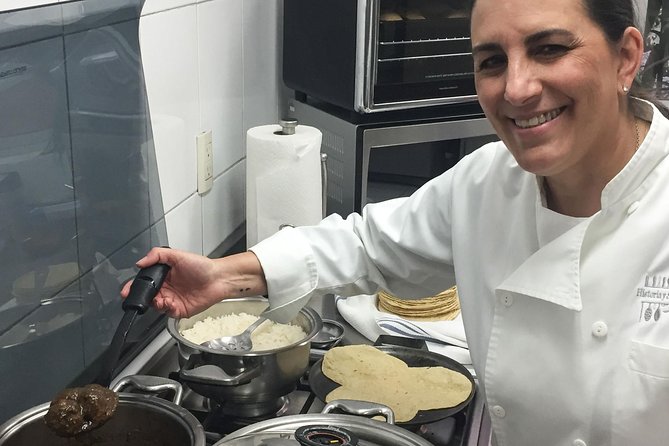
At $145 per person, this isn’t a budget food activity. The value comes from three things that are hard to fake in a studio class:
- A private, home-based experience
You’re only cooking with your group. That affects attention and the pace of instruction.
- Lucía’s specialty background
She’s not just making food; she’s explaining why the food looks the way it does, and how it connects across time in Mexico.
- You eat a full meal with drink included
Many cooking classes get you a few bites. Here, you’re planning a meal, not a snack.
A fair way to judge the cost: if you love cooking, you’ll likely feel the value immediately because you’ll want to repeat parts of what you learn. If your main goal is simply sampling local flavors, you might compare it to a great dinner plus a smaller food tour. But if you want skills you can use at home, this class leans strongly toward that goal.
Who this is best for (and who might want a different plan)
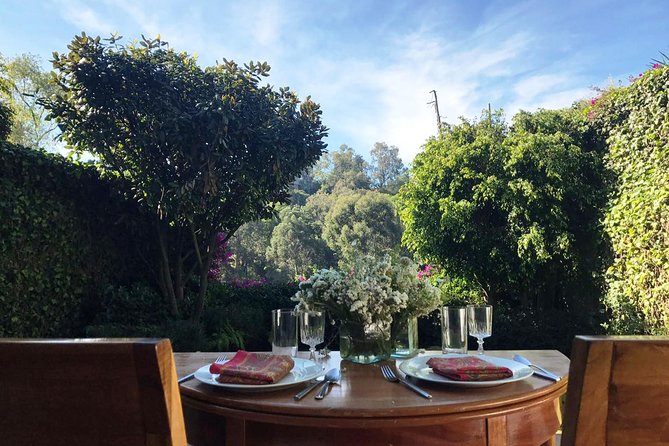
This works well for:
- Couples who want a memorable, conversation-friendly dinner experience
- Families because the class can be paced around kids
- Friends and small groups who want something more personal than a group demo
- Food lovers who want culture and cooking skills tied together
One family-oriented detail that stands out: Lucía is comfortable with kids being around, and she may bring small distractions (like toys) so parents can cook without constant worry. The home garden/patio setting also helps because kids aren’t trapped in a tiny room all the time.
Who might rethink booking:
- If you’re watching every peso, this price can feel steep for a short class.
- If you want a high-volume “many recipes, fast” style, this is more about quality and learning than speed.
Practical logistics that will save you stress
Here are the pieces that matter on the day:
- Duration: about 3 hours
- Language: English is offered
- Ticket type: mobile ticket
- Meeting point: start and end at the same area near Santo Desierto, Tizampampano
- Transportation: near public transit, and rideshare is typically an option
- Service animals: allowed
Also, keep your expectations on menu variety flexible. The class notes that the menu may vary depending on the season, and that’s a plus if you like authentic local cooking that changes with what’s best right now.
Should you book Cooking with Lucía?
I think this is an easy yes if you want a Mexico City food experience that’s more than eating. The class gives you real take-home habits—especially around sauces, seasoning, and how Mexican dishes build flavor in layers.
I’d book it sooner rather than later if your dates are fixed. On average, it’s booked about 31 days in advance, and that’s a hint that Lucía’s calendar fills.
Skip it only if:
- you’re strictly cost-driven, or
- you want a “grab a few bites and move on” tasting tour instead of cooking skills and a full meal.
If you fit the first group, you’ll likely end the night with a pantry list you actually want to use and at least a couple dishes you can repeat without guessing.
FAQ
How long is the cooking class?
It runs for about 3 hours (approx.).
Is this experience private?
Yes. It’s private and only your group participates.
What language is the class taught in?
The class is offered in English.
Do I get to eat the meal you cook?
Yes. A delicious meal is included, along with alcoholic beverages.
Can I choose hands-on cooking or watching?
Yes. You can either cook together hands-on or do a live cooking demonstration where you watch the technique up close (your choice).
Are vegetarian and special diets supported?
A vegetarian option is available. If anyone has allergies or dietary restrictions, you should advise them at booking.
What kinds of dishes are typically on the menu?
The menu may vary by season, but examples include soups (like nopalitos soup in bean broth and tortilla soup), mains such as albondigas in chile chipotle sauce or chiles en nogada, and desserts like flan de cajeta or dulce de guayaba.
Where does the class start and end?
The activity starts near Santo Desierto, Tizampampano, Ciudad de México, and ends back at the meeting point.
What is the cancellation policy?
You can cancel for a full refund as long as you cancel at least 24 hours before the experience starts. Free cancellation is available up to that window.
More Tour Reviews in Mexico City






Learn a Dish in a Mexico City Kitchen




Keep Eating: More Mexico City Taco Runs





Fresh from our Mexico City notebook



Mexico City Street Food Tours, compared.
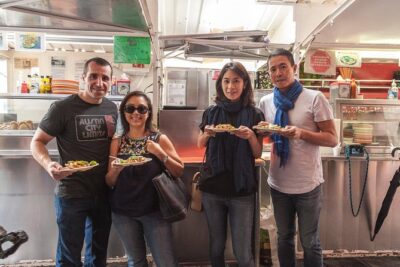 ★ 5.0Historic Center Food Tour in Mexico CityFrom $1151,263 reviews
 ★ 5.0Xochimilco Barco Fiesta Tentacion 18+ with Open Bar and TacosFrom $591,209 reviews
 ★ 5.0Lucha Libre Tickets & Tacos & Beer & Mezcal – BEST NIGHT EVER!From $841,077 reviews
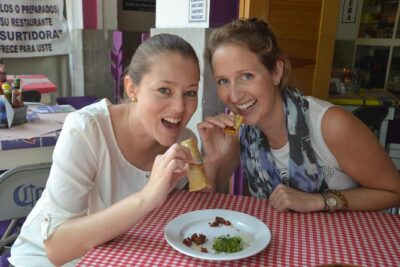 ★ 5.0Polanco Food Tour: The Bestselling Food Adventure in Mexico CityFrom $109881 reviews
 ★ 5.0Colonia Roma Food TourFrom $110838 reviews
 ★ 5.0Mexico City Historical Centre Food Tour with 7 Authentic TastingsFrom $65723 reviews
 ★ 5.0Local Foodie Adventure in Mexico: +10 dishes with Sherpa ToursFrom $85338 reviews
 ★ 5.0Street Food Tour with Friends326 reviews
Browse the lists this tour appears in