
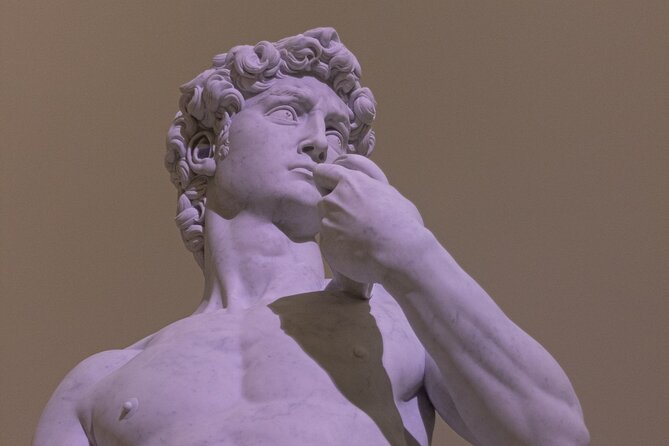
REVIEW · MEXICO CITY MUSEUMS & GALLERIES
Soumaya Museum: the Master of Mexican and Western Art
Six floors, one art lesson. The Soumaya Museum tour turns a huge collection into a walkable story, with a bilingual guide and a clear path through the museum’s major rooms. If you want big names and big ideas without getting lost, this format does the heavy lifting.
I love how the guide links artists across centuries—there’s a special wow-factor when you get a close view of a Da Vinci, and then the tour keeps building toward major works by Rodin, Rivera, Dali, and Monet. The only consideration: it’s still a museum visit on a set route, so if you prefer lingering for long stretches, the pace may feel a bit tight for your style.
In This Review
- Key Highlights You’ll Actually Care About
- Entering Museo Soumaya’s Six-Floor Route
- Room 1: Modernity, Arts and Techné (What to Look For)
- Room 2: Myths and Allegories (Seeing the Invisible)
- Room 3: Old European and New Spain Masters (Where Worlds Collide)
- Room 4: Romanticism to the Avant-Garde (The Fast Jump Years)
- Room 5: 20 Centuries of Art in Mexico (A Big Picture Without the Headache)
- Room 6: Julián and Linda Slim, The Rodin Era (The Moment You Remember)
- Guide Style in Practice: What Makes Jesus and José Stand Out
- Price and Value: What $53.68 Gets You (And Why It’s Not Just a Ticket)
- Timing Tips for a Smooth Soumaya Visit
- Getting the Most From Six Themed Rooms
- Who This Tour Is Best For
- Should You Book the Soumaya Museum Tour?
- FAQ
- How long is the Soumaya Museum tour?
- What is the price per person?
- Does the tour include museum admission?
- Is the guide offered in English?
- How large is the group?
- Where does the tour start and end?
- Can I cancel for a full refund?
- Is food or transportation included?
Key Highlights You’ll Actually Care About
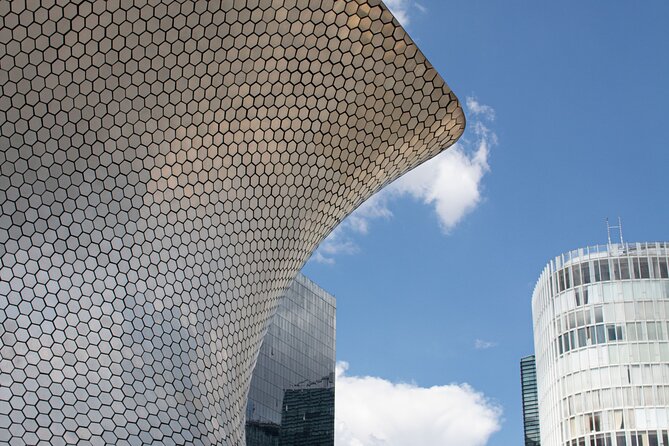
- Six floors, six themes that keep the art from turning into one giant blur
- Free museum admission included so you’re not juggling extra entry costs
- A bilingual guide that explains what you’re seeing in plain language
- Small group size (max 15) for questions and easier pacing
- English offered, plus a format that works well for first-timers
- Art-history connections that make famous names make sense
More galleries and rooftops worth the ticket
- CDMX: Xochimilco, Coyoacan, Frida Kahlo Museum & Murals Tour
★ 4.4 · 3,025 reviews - Chapultepec Castle & Anthropology Museum Tour
★ 4.5 · 1,348 reviews - Frida Kahlo VIP [Museum Tickets Included] Bike, Markets & Churros
★ 5.0 · 1,072 reviews - Anthropology Museum Guided Tour
★ 4.5 · 1,035 reviews
Entering Museo Soumaya’s Six-Floor Route
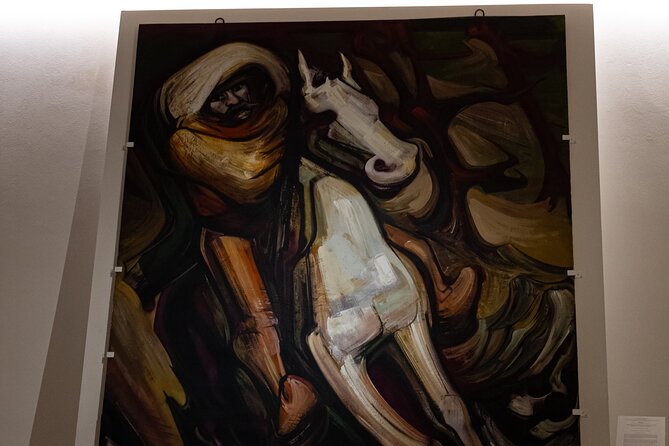
Museo Soumaya can feel like you’re walking into a world-sized art archive. The good news? This tour is designed to make it legible. Instead of wandering floor to floor on your own, you follow a guided structure that sorts the museum into six themed stops. That matters because Soumaya isn’t just one style, one country, or one time period. It’s a lot—so structure is what turns it into understanding.
You’ll start at Museo Soumaya on Blvd. Miguel de Cervantes Saavedra, Granada, Miguel Hidalgo, 11529 Ciudad de México. The activity ends back at the meeting point. It’s also conveniently near public transportation, which helps if you’re planning a full day around Mexico City sights.
The visit runs about 2 hours 30 minutes. In that time, you don’t just look at works—you learn how to read them. That’s why this tour is a strong choice if you want value from your limited time in CDMX, especially since it’s typically booked around 17 days in advance (so earlier reservations can help).
Room 1: Modernity, Arts and Techné (What to Look For)
The first room is called Modernity: ars and techné. The wording sounds academic, but the point is simple: you’re meant to see how skill and ideas show up in the way people make art. “Techné” is basically craft, technique, and know-how. “Ars” is the creative art-making side. Together, the room sets you up to notice the how and not only the who.
What I like about starting here is that it gives you a baseline before the tour jumps backward and sideways through art history. If you’ve ever stared at a painting and thought, I know the artist’s name, but I’m missing the reason it matters—this kind of start helps you slow down mentally. You learn to ask questions like:
- Is the work showing skill in materials or a concept in the design?
- Is the artist working with tradition, or pushing against it?
Even if you’re not an art expert, this is the room where your brain gets tuned.
Room 2: Myths and Allegories (Seeing the Invisible)
Next comes Myths and allegories: from the visible to the invisible. This is where art turns symbolic. Some works show figures you recognize right away. Others use symbols that take effort to decode. The guide’s job here is to make that decoding feel possible without turning your visit into homework.
Expect explanations that translate big themes into something you can actually hold onto while you stand in front of the art. You’ll get help connecting story, symbolism, and meaning—so the myths don’t stay trapped behind labels.
One practical benefit: this room trains you to look beyond the surface. After this stop, you’ll have a better chance of understanding why a certain style was chosen, why certain imagery appears, and how artists borrow from older stories to say new things.
More collections worth the entry line
- CDMX: Xochimilco, Coyoacan, Frida Kahlo Museum & Murals Tour★ 4.4 · 3,025 reviews
- Chapultepec Castle & Anthropology Museum Tour★ 4.5 · 1,348 reviews
- Frida Kahlo VIP [Museum Tickets Included] Bike, Markets & Churros★ 5.0 · 1,072 reviews
- Anthropology Museum Guided Tour★ 4.5 · 1,035 reviews
- Frida Kahlo VIP [Museum Tickets Included] Walk, Markets & Churros★ 5.0 · 982 reviews
Room 3: Old European and New Spain Masters (Where Worlds Collide)
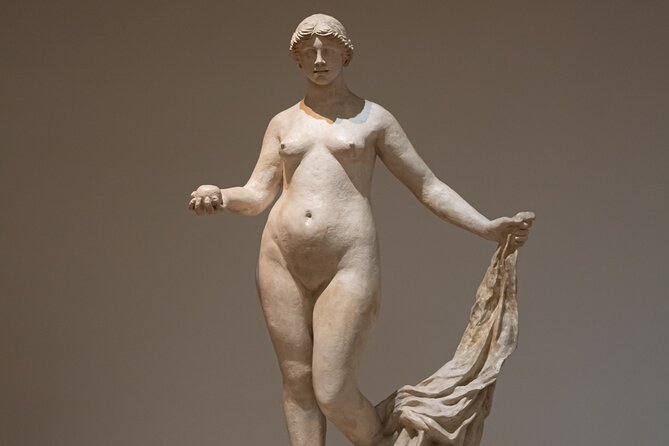
Room 3 is labeled Old European and New Spain Masters. That combination is the point. Mexico City is a crossroads historically, and this room reflects that in the art you see.
Here, the tour focuses on the shift in perspective as you move between European traditions and the artistic world of New Spain. You’ll get context that helps you notice differences in themes, religious influence, composition, and subject matter.
This is also a room that can change how you see the rest of the museum. Once you understand the “in-between” that shaped Mexico’s art scene, later rooms stop feeling like separate eras and start feeling like a chain.
If you’re visiting as a first-time art museum goer, this stop is a good way to avoid the common mistake of treating museums as lists of famous names. Instead, you’ll practice seeing relationships.
Room 4: Romanticism to the Avant-Garde (The Fast Jump Years)
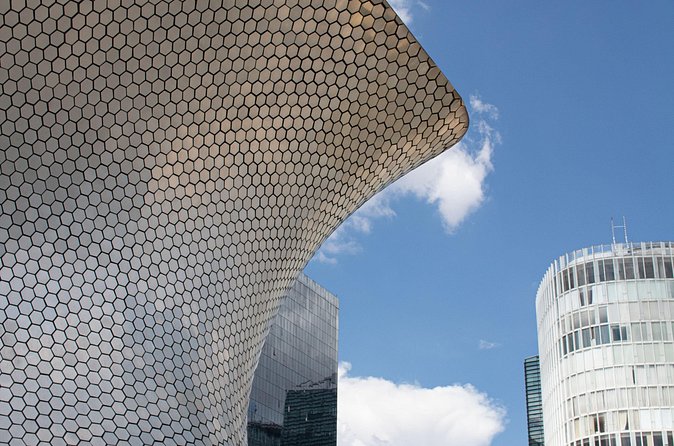
Room 4 runs from Romanticism to the Avant-garde. This is an excellent room for people who feel more interested in mood and movement than in strict timelines. Romanticism often brings emotion and drama to the front. The Avant-garde pushes further—breaking rules, experimenting with form, and treating art like a platform for new ways of thinking.
In a short tour, the challenge is keeping the jump readable. This is where a good guide makes a real difference. When the pacing works, you leave feeling like you’ve learned how art changed its purpose over time. You’re not just seeing styles; you’re learning why artists felt compelled to reinvent their approach.
And if you’re the kind of person who likes to connect dots between famous names, this room is where the tour starts to feel like a conversation rather than a slideshow.
Room 5: 20 Centuries of Art in Mexico (A Big Picture Without the Headache)
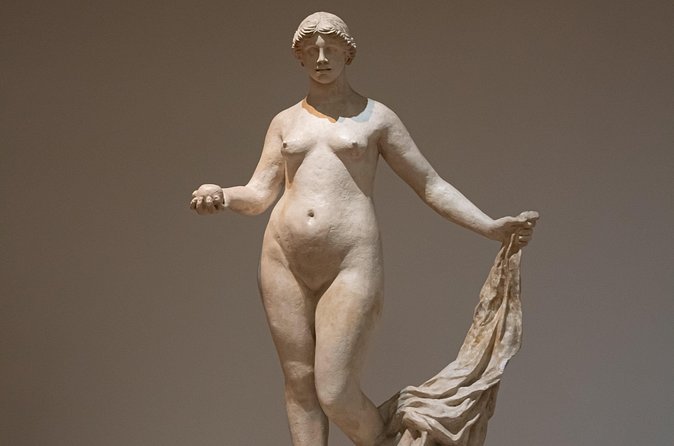
Then you hit 20 centuries of art in Mexico. That’s a lot of time, so the best way to experience it is through guided framing. The guide helps you see this room as a storyline rather than a warehouse.
Think of it like a map. Instead of trying to memorize everything, you learn what themes and movements matter most across centuries. You also learn to recognize how “Mexican art” isn’t one uniform thing—it’s shaped by social changes, politics, cultural blending, and artistic experimentation.
This room is especially valuable if you want more than a quick museum walk. You’ll come away with a mental structure that helps you process what you’re looking at even if you later return on your own.
Room 6: Julián and Linda Slim, The Rodin Era (The Moment You Remember)
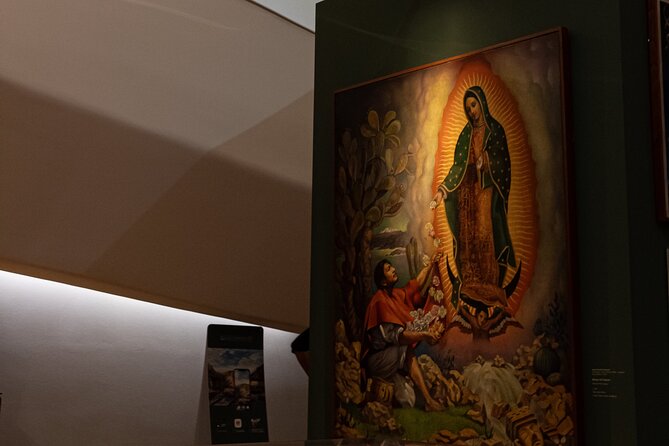
The final stop is Julián and Linda Slim. The Rodin era. Ending on Rodin-related content is a smart move for most people because sculpture has a physical presence that sticks in your memory. Rodin’s influence is also the kind of artistic “bridge” that helps you connect earlier themes (myth, craft, form) to later interpretations.
This is where the tour’s wow-factor tends to land. In accounts of the experience, people often highlight the emotional impact of getting close to major masterpieces, including a Da Vinci sighting and strong reactions to Rodin and other widely known names like Rivera, Dali, and Monet. Even if you’re not chasing famous artists, this final room gives a sense of scale and importance that’s hard to replicate with casual museum wandering.
If you’re planning your Mexico City day around energy, Room 6 is a great payoff. You’ll finish feeling like you saw something meaningful, not just something educational.
Guide Style in Practice: What Makes Jesus and José Stand Out
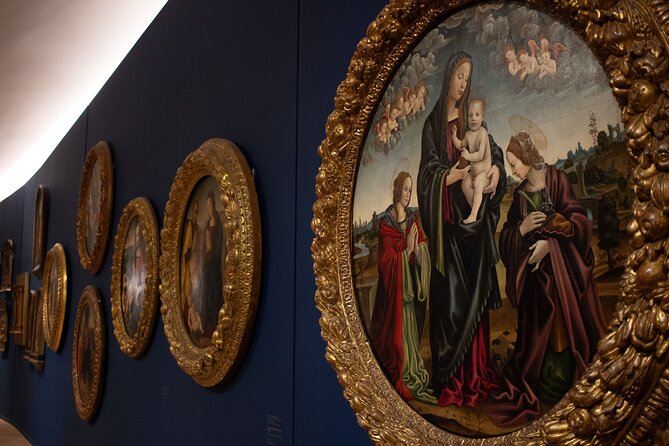
The tour includes a bilingual guide, and English is offered. Names that come up with strong praise for this experience include Jesus and José, and what matters isn’t the personality branding—it’s the method.
Good guidance here is about translation:
- turning art terms into everyday language
- connecting works so they stop feeling random
- explaining enough to make you curious, not overwhelmed
One of the standout points from the tour’s reported guide approach is how they handle the flood of information across six floors. Instead of listing facts like a textbook, the best guides create a chain: artist to technique, technique to meaning, meaning to why it matters here in Soumaya.
That’s exactly what you want from a museum tour in a city with limited time. You should walk out with sharper questions to explore on your own next time, not just a stack of names you forget by dinner.
Price and Value: What $53.68 Gets You (And Why It’s Not Just a Ticket)
At $53.68 per person for about 2.5 hours, the value comes from what’s bundled.
You get:
- a bilingual guide
- an art-focused route through six floors
- admission included (so you’re not paying separately for entry)
That admission inclusion is key. In many cities, museum tours look cheap until you add the ticket at the end. Here, the free admission piece changes the math. You’re basically paying for how the museum is taught, not just access.
The small group limit—max 15 travelers—also affects value. A smaller group helps keep the experience conversational. It also means the guide can move at a human pace, which matters in a place where the collection is dense.
If you’re on a tighter Mexico City schedule, this tour is a practical way to compress a lot of visual material into one coherent session.
Timing Tips for a Smooth Soumaya Visit
This tour typically runs about 2 hours 30 minutes, which makes it a strong half-to-three-quarter day commitment. It’s long enough to feel complete, but not so long that you’re drained for the rest of the day.
A practical strategy: treat it like your “art appointment” and pair it with something you can do afterward at a calmer tempo. You don’t want to schedule it right before a long, exhausting leg of sightseeing unless you’re used to museum-heavy days.
Also, plan to arrive a little early so you’re not flustered when you meet your group at Museo Soumaya. The tour starts and ends at the same location, which helps with flow.
Getting the Most From Six Themed Rooms
If you want this tour to land well, go in with one goal: don’t try to see everything. Try to see the structure.
Here’s how to “play” the experience:
- Pick one artist you recognize before you start, so you can track how the guide connects them across floors.
- When the tour switches themes (modernity to myth, Europe to New Spain, Romanticism to avant-garde), let the change remind you that art is context-driven.
- In the allegory room, don’t feel bad if you don’t catch every symbol. Use the guide’s explanations to build a small set of meanings you can carry forward.
Your brain will do better with fewer takeaways that are explained well. That’s why the guided route matters. It keeps you from turning the museum into a quick scan.
Who This Tour Is Best For
This tour fits best if you:
- want a guided, organized museum visit instead of free-roaming
- like seeing famous artists in context (not just name-dropping)
- prefer small-group pacing with a bilingual guide
- have limited time in Mexico City and want strong value
It’s also a solid pick if you’re visiting with someone who isn’t sure they like art. The tour’s format helps make the museum readable and the information digestible.
The main mismatch is simple: if you strongly prefer solitude and long self-guided pauses, a structured route may feel limiting.
Should You Book the Soumaya Museum Tour?
I’d book this tour if you want to leave with a clear sense of how the museum’s collection connects across time, and if you value a guide’s ability to make art-history ideas practical. The combination of free admission, English, and a small group (max 15) makes the price feel earned.
Skip it only if your perfect museum day is unstructured time and slow, deep reading without a set route. Otherwise, this is one of the better “high-impact” ways to experience Soumaya.
FAQ
How long is the Soumaya Museum tour?
The tour lasts about 2 hours 30 minutes.
What is the price per person?
The price is $53.68 per person.
Does the tour include museum admission?
Yes. Admission is included (it’s listed as free as part of the experience).
Is the guide offered in English?
Yes. The tour is offered in English, and the guide is bilingual.
How large is the group?
The group size has a maximum of 15 travelers.
Where does the tour start and end?
It starts at Museo Soumaya, Blvd. Miguel de Cervantes Saavedra, Granada, Miguel Hidalgo, 11529 Ciudad de México, CDMX, Mexico, and ends back at the same meeting point.
Can I cancel for a full refund?
Yes. You can cancel up to 24 hours in advance for a full refund.
Is food or transportation included?
No. Food and transportation are not included.
The Mexico City Collections



More Tour Reviews in Mexico City




Behind the Ticket: More CDMX Museums
Fresh from our Mexico City notebook


Mexico City Museums & Galleries, compared.
 ★ 4.4Xochimilco, Coyoacan, Frida Kahlo Museum & Murals TourFrom $893,025 reviews
 ★ 4.5Chapultepec Castle & Anthropology Museum TourFrom $791,348 reviews
 ★ 5.0Frida Kahlo VIP [Museum Tickets Included] Bike, Markets & ChurrosFrom $831,072 reviews
 ★ 4.5Anthropology Museum Guided TourFrom $391,035 reviews
 ★ 5.0Frida Kahlo VIP [Museum Tickets Included] Walk, Markets & ChurrosFrom $83982 reviews
 ★ 5.0EXCLUSIVE TOUR Frida Kahlo Museum – SMALL GROUPSFrom $86901 reviews
 ★ 4.4Anthropology Museum Guided VisitFrom $67708 reviews
 ★ 4.5Frida Kahlo Museum Entry Ticket w/Digital GuideFrom $34683 reviews
Browse the lists this tour appears in