
REVIEW · MEXICAN COOKING CLASSES
Muchos moles: Multi-variety mole cooking class and feast
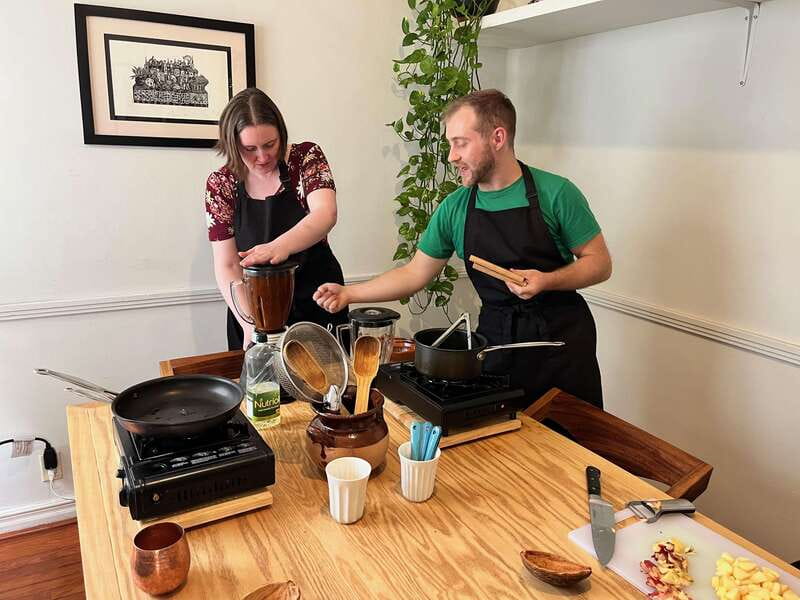
Mole and pineapple may sound like a surprise, but it works. This multi-variety mole cooking class in the State of Mexico turns the spotlight on how different Mexico can be, and you’ll cook in a relaxed, dinner-party style with Jim guiding you step by step.
I especially like how you’re not just copying a recipe—you’re learning how mole changes by region and ingredient choices. One thing to consider: the house has two cats and, while wheelchair users have attended before, the building doesn’t have an elevator.
In This Review
- Key things to know before you go
- Why a mole class feels like Mexican cooking culture, not a demo
- Condesa home setting and how the 4 hours unfold
- The mole lesson: you’re learning a whole spectrum, not a single sauce
- Making manchamanteles: the pineapple-plantain sweetness shift
- Green mole with crisp green leaves: lighter and refreshing
- Corn tortillas and the scoop-and-savor moment
- Dining setup, drinks, and what makes it feel like a real meal
- Price and value: is $130 worth it?
- Small-group comfort and Jim’s teaching style
- Dietary needs, allergies, and the house details to know
- Who should book this class in the State of Mexico
- Should you book Mucho’s Moles? My take
- FAQ
- How long is the mole cooking class and feast?
- What do I cook during the class?
- What’s included in the price?
- Can the class accommodate dietary requirements?
- What languages will the instructor speak?
- Is the location wheelchair accessible, and are there any house animals?
Key things to know before you go
- Multi-variety mole focus: you’ll learn about Mexico’s wide range of moles, not just one famous style
- Two moles from scratch: including manchamanteles and a lighter green mole
- Fruit-forward sweetness: manchamanteles uses pineapple and plantain instead of chocolate
- You eat what you make: your class ends with a proper sit-down feast at a set table
- Small group feel: more hands-on support, with plenty of time for questions
- House details matter: cats live on site and there’s no elevator in the cooking area building
More aprons-on time in a CDMX kitchen
- Mexican Cooking Class with Food Market Visit in Mexico City
★ 5.0 · 506 reviews - Essence of Mexico: Authentic Mexican Cooking Class & Market Tour
★ 5.0 · 289 reviews - Mexican Cooking Class & Cocktails in Mexico City
★ 5.0 · 134 reviews - Private Mexican Cooking Class with Gastronomic Historian, Lucia
★ 5.0 · 110 reviews
Why a mole class feels like Mexican cooking culture, not a demo
Mole has a reputation for being heavy and complicated. This experience quietly corrects that. You’ll see how many forms mole can take, and how technique matters less than ingredients and balance.
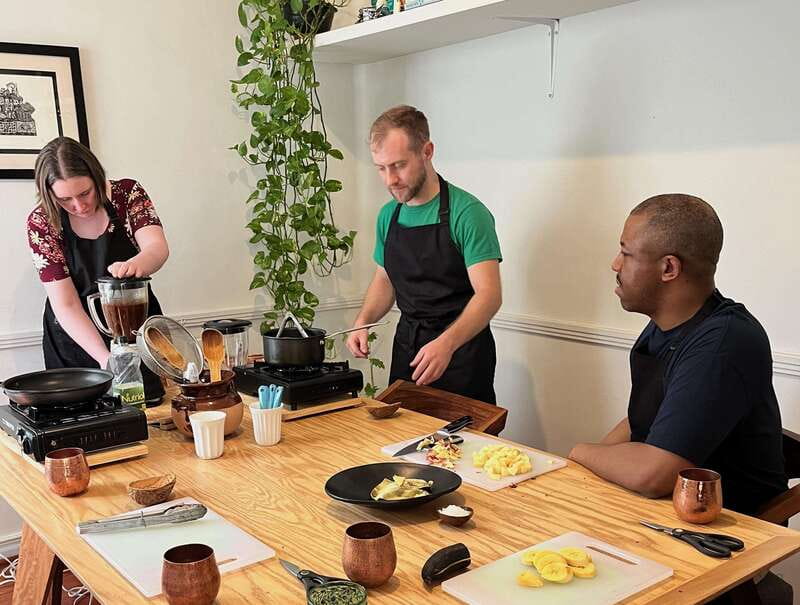
What makes it fun is that you’re cooking in a real home, not a staged kitchen. The vibe is casual, like you’re joining friends for an afternoon meal with lessons sprinkled in. I like that because you can actually relax while you learn.
You’ll also get the kind of learning that sticks. Jim keeps explanations clear and patient, and the food makes the lesson concrete. One moment you’re talking history and origin, and the next moment you’re tasting and adjusting.
Condesa home setting and how the 4 hours unfold
This class runs about 4 hours, and it’s paced like a long dinner with breaks—not a frantic cooking sprint. You’ll start at the chef/guide’s home in the Condesa area, where you’ll get oriented before you put on an apron.
First comes the mole storytelling. You’ll learn why mole isn’t one dish, but a family of sauces with different bases, fats, thickeners, and flavor directions. That matters because once you understand the logic, you can wrap your head around why two moles can both be called mole and still taste totally different.
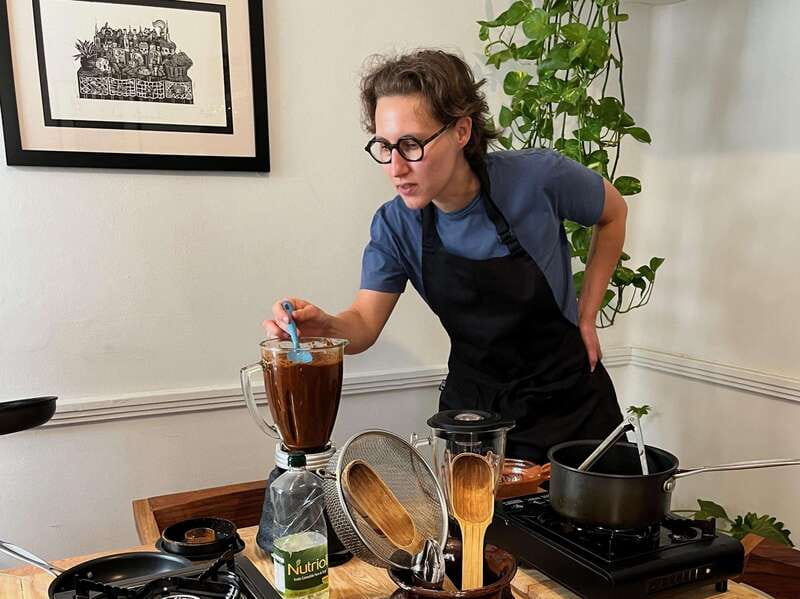
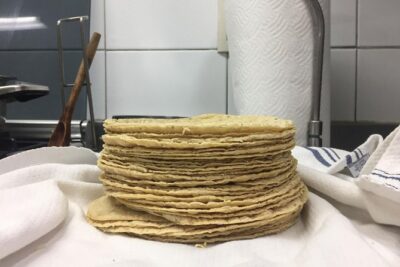
Then you move to the hands-on part: making two mole varieties and the fresh corn tortillas to scoop them up. After about two hours of cooking, you set the table and switch from work mode to feast mode. You’re not rushing to taste at the end—you’re eating what you made as a full meal.
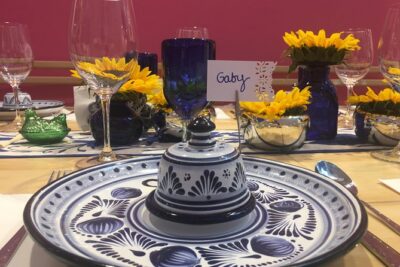
The table setting is part of the experience. Locally made dinnerware turns “class food” into something you’d actually want to linger over.
The mole lesson: you’re learning a whole spectrum, not a single sauce
The biggest win here is the multi-variety mole approach. Instead of treating mole poblano as the mole, you’ll hear how Mexican moles differ by region, ingredient availability, and the way sweetness and heat get balanced.
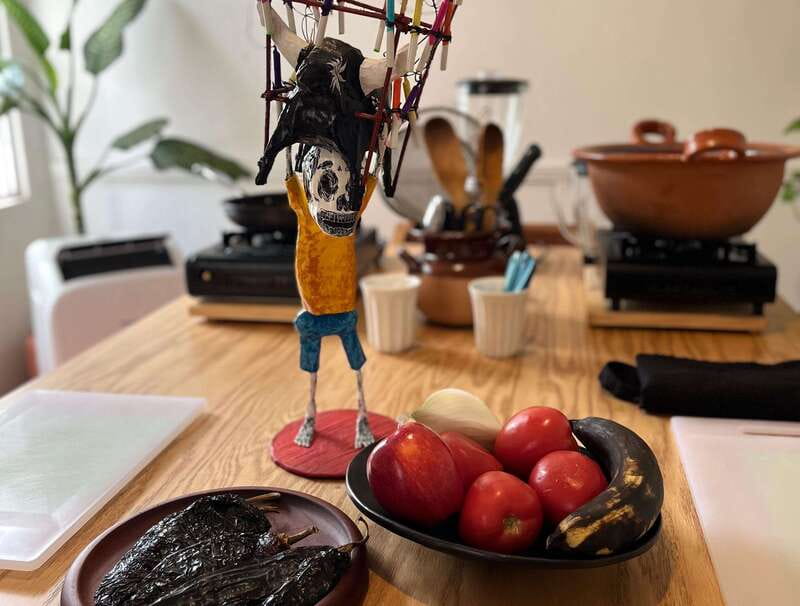
This is especially helpful if you’ve only tasted mole in restaurants. In Mexico, mole can be playful and seasonal. You’ll learn that fruit, toasted spices, seeds, nuts, and even fresh greens can all play a role depending on the style.
You’ll also have a chance to ask questions as you cook, and Jim’s teaching style makes that easy. People of different skill levels can contribute, which keeps it from feeling like you need to be an experienced cook to have a good time.
And if you’re the type who cares about why a dish is the way it is, you’ll appreciate the origin and background conversation. That context helps you understand what you’re doing in the pot.
More kitchens to get your hands into
- Mexico City: Mexican Cooking Class★ 4.8 · 85 reviews
- México City: Street Food to Home Cooking Food Tour★ 5.0 · 84 reviews
- 3h Cooking Class in Mexico City: 8 Recipes & Bottomless Drinks★ 5.0 · 59 reviews
- Private San Angel Tour & Cooking Class in Mexico City with Lucia★ 5.0 · 56 reviews
- Mexico City : Street Food to Home Cooking Food Tour★ 5.0 · 44 reviews
Making manchamanteles: the pineapple-plantain sweetness shift
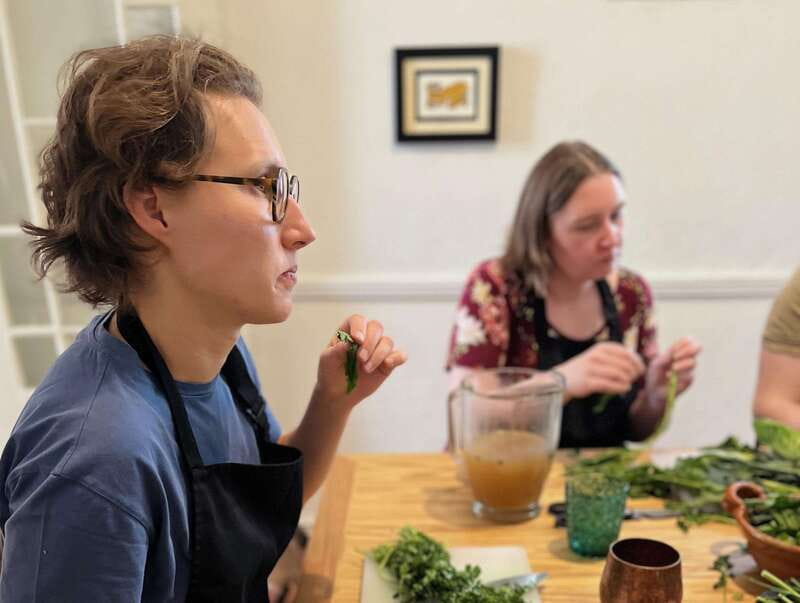
One of the moles you’ll make is manchamanteles. If you’ve ever associated mole with chocolate, this one is a fresh twist. Manchamanteles shares ingredients and processes with mole poblano, but it brings sweetness from generous chunks of pineapple and plantain instead of chocolate.
This matters for your palate. Chocolate mole can feel deep and dark. Pineapple and plantain create a different kind of sweetness—more fruit-forward and rounded, with a tropical comfort that still tastes like traditional Mexican cooking.
During the class, you’ll prepare the components from scratch and then bring them together as a sauce. The hands-on work helps you understand texture: how mole thickens, how flavors meld, and when to adjust for balance.
If you’re hoping to learn something more practical than just “follow the steps,” manchamanteles is a good choice. You’ll come away thinking differently about mole’s sweetness options—and you’ll be able to recognize how fruit can replace or complement richer ingredients.
Green mole with crisp green leaves: lighter and refreshing
The second mole is a green mole, and it’s designed as a counterpoint. While some moles feel heavier, green mole leans refreshing, with a base built from crisp green leaves.
This is the kind of dish that changes your mental map of mole. Most people expect brown and chocolate-adjacent flavors. Green mole shows you that mole can be bright, herbaceous, and lighter on the tongue.
The flavor direction is also instructive. You’ll learn about how fresh greens behave in a sauce—how they contribute body and aroma without turning the meal into something too heavy. It’s a good reminder that “mole” isn’t one flavor profile.
You’ll scoop and taste as you go, and you’ll get a feel for what the mole should taste like before the final serve. That feedback loop is one reason cooking classes often beat book learning.
Corn tortillas and the scoop-and-savor moment
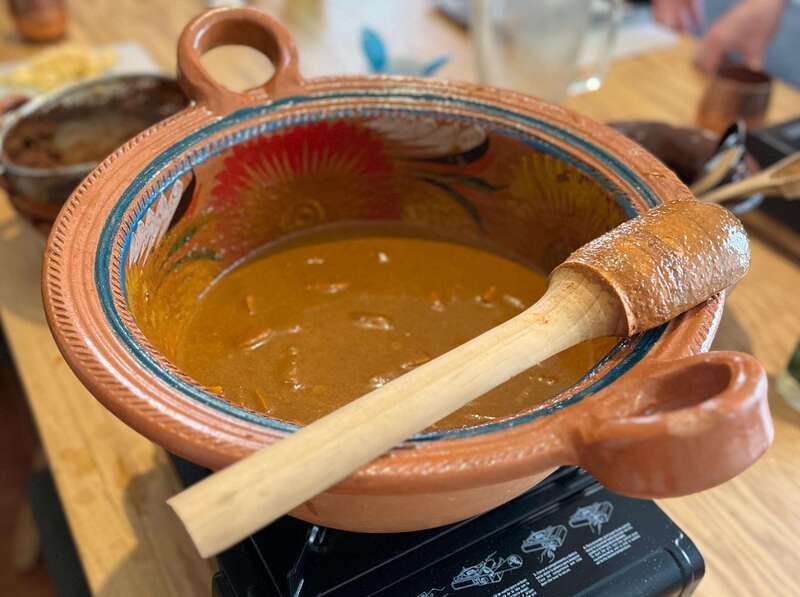
You’ll also make fresh corn tortillas. That sounds simple, but it’s a big deal because tortillas are the bridge between sauce and flavor.
Warm tortillas change the experience. They soften slightly in the first contact with mole, so the sauce tastes more integrated and less like a separate topping. Eating your mole this way makes the cooking lesson feel complete.
If you’ve never cooked tortillas, this is a comfortable learning window. The class format gives you time, and the small group feel means you can get help without feeling like you’re behind.
And once the tortillas are ready, the meal becomes less about technique and more about eating. You’ll feel how the two moles behave differently with the same scoop.
Dining setup, drinks, and what makes it feel like a real meal
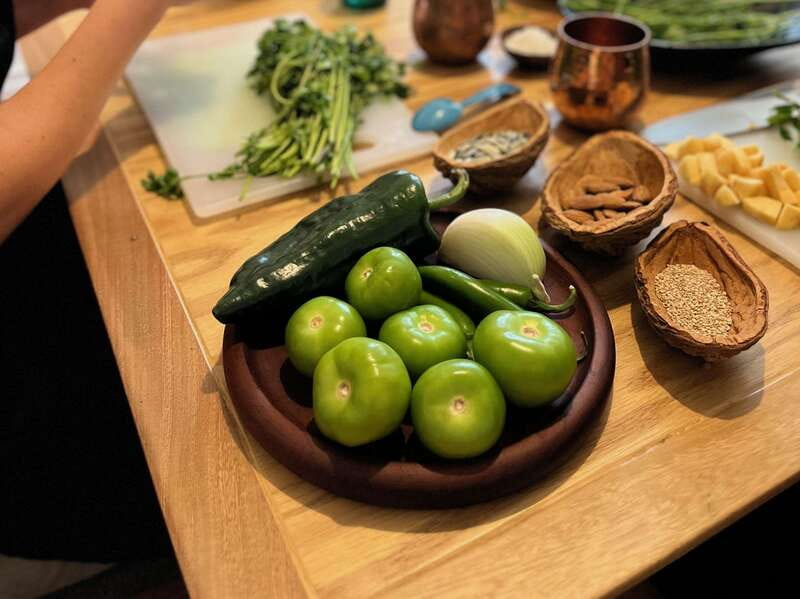
After cooking, you’ll set the table with locally made dinnerware and then sit down to a decadent manchamanteles meal plus the green mole. It’s a true sit-down feast, not a few bites and out the door.
I like that it includes a full dining moment. You can taste properly, compare the moles side by side, and notice how your palate adapts from one style to the other.
You’ll also be offered Mexican beer, wine, and soft drinks throughout. That keeps the mood relaxed and helps you stay comfortable during the longer cooking session. It’s also practical: hydration matters when you’re standing, tasting, and working.
There’s a bonus at the end: you’ll get recipes by email. That’s a value add because it lets you recreate the results later without trying to remember every spoonful.
Price and value: is $130 worth it?
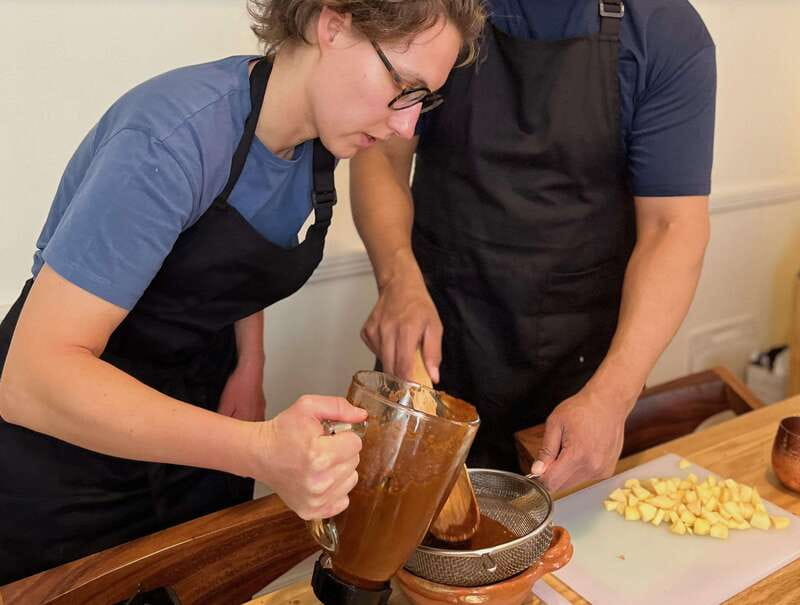
At $130 per person for about 4 hours, this isn’t a “cheap bite” experience. But it also isn’t only instruction. You’re paying for the ingredients, the guidance, the full feast, and the drinks.
Here’s how the value stacks up in real terms:
- Two moles + tortillas from scratch: you’re leaving with more than one dish’s worth of know-how
- All ingredients included: so you’re not doing math on grocery-store costs mid-trip
- Beer, wine, and soft drinks included: that can easily add up on its own
- Recipes emailed afterward: you get something tangible you can use at home
- Dinner-table atmosphere: you’re not rushing; you’re eating what you made like a guest
If you like cooking classes that end with a meal you actually savor, this price makes more sense. If you’re only looking for a quick hands-on taste, you might find shorter and cheaper options in Mexico City. But if you want a mole education plus a real dinner, this one earns its cost.
Small-group comfort and Jim’s teaching style
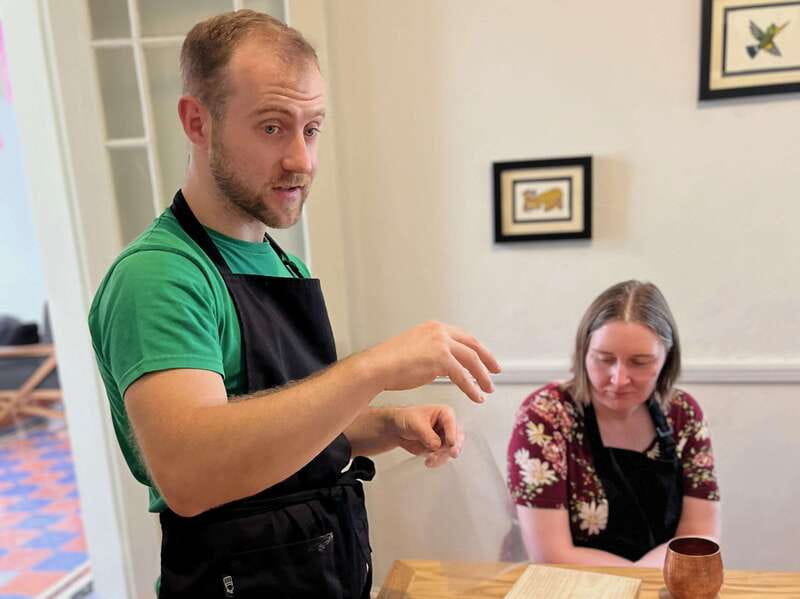
The small group approach is a hidden strength. It makes the class feel relaxed and gives you time to ask why something works, not just how to do it. People of all cooking levels can contribute, which keeps the experience friendly.
Jim’s role stands out in the details. He’s patient, and he explains each element along the way. He also connects food to ingredients and craftsmanship, sharing names of local artisans and talking about local produce support.
Even the cats factor into the atmosphere. The class is in a lived-in house, and that makes it feel more personal than a factory-kitchen setup. You still stay out of the cooking area around them, which helps keep things orderly.
Dietary needs, allergies, and the house details to know
Dietary accommodation is a priority here. After you book, you’ll be contacted to ask about dietary requirements, and most needs can be accommodated. The one limitation is strict Kosher is not possible.
Allergy sufferers should plan with care. You’ll be kept out of the cooking area, and there are allergy pills available for guests who need them. Still, there are two cats in the house, so if you have a strong reaction or sensitivity, you should mention it clearly when you’re contacted.
Wheelchair users have attended before, but the building doesn’t have an elevator. That means you should think about how easily you can handle steps and movement within the property.
If you want smooth communication, bring your dietary requirements up early. The email check-in after booking is your best moment to set expectations.
Who should book this class in the State of Mexico
This is a great fit if you want a mole experience that feels like both education and dinner. You’ll like it if you enjoy food that’s not just famous, but specific—fruit-based sweetness, green-leaf brightness, and real sauce technique.
It’s also a smart choice if you’ve only had mole poblano before and want to understand the wider range. The difference between chocolate-forward styles and fruit-forward versions is exactly the kind of “aha” you want from a cooking class.
On the other hand, you might skip it if you have severe allergies triggered by cats, or if your mobility needs don’t work well with a building that lacks an elevator. In that case, you could look for another cooking format with a fully accessible venue.
Should you book Mucho’s Moles? My take
If you want more than a tasting and you like learning by doing, I think this is an excellent booking. You get two moles, tortillas, a proper feast, drinks, and recipes by email—all in a casual home setting guided by Jim’s patient, ingredient-focused teaching.
Just go in with two realistic expectations: the house has cats, and the building has no elevator even though wheelchair users have attended. If those points work for you, this class is a memorable way to understand why mole is one of Mexico’s most flexible, ingredient-driven traditions.
FAQ
How long is the mole cooking class and feast?
It lasts about 4 hours.
What do I cook during the class?
You’ll prepare two different types of mole and the fresh corn tortillas to go with them.
What’s included in the price?
The price includes all ingredients for the two moles and tortillas, Mexican beer, wine, soft drinks, and recipes sent by email after the class.
Can the class accommodate dietary requirements?
Most dietary requirements can be accommodated, but strict Kosher is not possible. You’ll be asked by email after booking about your dietary needs.
What languages will the instructor speak?
The instructor offers English and Spanish.
Is the location wheelchair accessible, and are there any house animals?
Wheelchair users have attended before, but the building has no elevator. There are two cats in the house; guests are kept out of the cooking area and allergy pills are available if needed.
One More Recipe in a Mexico City Kitchen



More Tour Reviews in Mexico City






Learn a Dish in a Mexico City Kitchen
Fresh from our Mexico City notebook



Mexican Cooking Classes, compared.
 ★ 5.0Mexican Cooking Class with Food Market Visit in Mexico CityFrom $124506 reviews
 ★ 5.0Essence of Mexico: Authentic Mexican Cooking Class & Market TourFrom $178289 reviews
 ★ 5.0Mexican Cooking Class & Cocktails in Mexico CityFrom $132134 reviews
 ★ 5.0Private Mexican Cooking Class with Gastronomic Historian, LuciaFrom $145110 reviews
 ★ 5.0Mexican Churros Master ClassFrom $7091 reviews
 ★ 4.8Mexican Cooking ClassFrom $12185 reviews
 ★ 5.0México City: Street Food to Home Cooking Food TourFrom $11084 reviews
 ★ 5.03h Cooking Class in Mexico City: 8 Recipes & Bottomless DrinksFrom $11059 reviews
Browse the lists this tour appears in