
REVIEW · MEXICO CITY STREET FOOD TOURS
Local Markets & Food Tour in Mexico City
A great food tour in Mexico City isn’t just about eating. It mixes big sights in Centro Histórico with hands-on stops at markets, so you get the story behind the flavors. I like how the tour pairs architecture—churches, government buildings, and palaces—with real tastings instead of just a quick photo break. I also like the small group size (max 15) and the fact that the experience is offered in English, which keeps the whole walk informative.
One heads-up: finding the exact meeting point in old town can be tricky, especially if you arrive late or rely on rideshares to drop you off without good navigation. Plan to arrive early and use the map at the start location so you don’t lose time (or the tour).
In This Review
- Key highlights you’ll actually feel on the day
- Why this 12:00 pm market-and-food route makes sense
- Getting oriented fast in Centro Histórico and the Zócalo
- Cathedral style, World Heritage vibes, and the story behind the facade
- Palacio Nacional: government power in the middle of daily life
- Reforma’s battle name and the architecture around it
- Casa de los Azulejos: New Spain baroque and painted interior details
- A major art palace stop with bronze, white marble, and murals
- Taquería tacos: eating like you have a local cheat code
- Mercado de San Juan: unusual foods, and the tequila or mezcal moment
- La Ciudadela craft market: shopping 350+ stalls without losing your mind
- Price and value: what $53 buys in time, guidance, and tastings
- Who this tour suits best (and who should think twice)
- Practical tips that prevent the common hassles
- Should you book this tour?
- FAQ
- How long is the Local Markets & Food Tour?
- What does the tour cost?
- Is the tour offered in English?
- How big is the group?
- What kinds of food tastings are included?
- Where does the tour start and end?
Key highlights you’ll actually feel on the day
- Zócalo (Plaza de la Constitución): the main square tied to Mexico’s national story and daily life
- Palacio Nacional + the president’s official residence: government history you can see with your own eyes
- Casa de los Azulejos: a New Spain baroque stop with interiors and fresco details
- Taquería tacos: a dedicated tasting stop so you try what locals eat, not what you guess
- Mercado de San Juan: a no-skip market moment with unusual foods and a tequila or mezcal shot
- La Ciudadela craft market: 350+ stalls for souvenirs you can shop slowly and thoughtfully
Still hungry? More taco crawls across town
- Historic Center Food Tour in Mexico City
★ 5.0 · 1,263 reviews - Xochimilco Barco Fiesta Tentacion 18+ with Open Bar and Tacos
★ 5.0 · 1,209 reviews - Lucha Libre Tickets & Tacos & Beer & Mezcal – BEST NIGHT EVER!
★ 5.0 · 1,077 reviews - Polanco Food Tour: The Bestselling Food Adventure in Mexico City
★ 5.0 · 881 reviews
Why this 12:00 pm market-and-food route makes sense
This tour is built for a very practical kind of Mexico City day: start at 12:00 pm, walk through the historic core while you still have daylight and energy, then transition into markets where you can eat your way through the culture. The whole experience is about 4 hours total, and it’s timed so you’re not spending half the day in transit.
The price is $53 per person, which is fair when you look at what’s included. You’re paying for a guided route across major landmarks plus multiple tasting moments: tacos at an authentic taquería, and later tastings at Mercado de San Juan, including a tequila or mezcal shot. The tour also lists admission tickets as free for the key sightseeing stops, so you’re not juggling separate ticket purchases while you’re trying to learn and eat.
The group stays small—up to 15 travelers—so the guide can keep things moving without turning it into a stampede. You’ll want comfortable shoes for the walking portions, because Centro Histórico is meant to be toured on foot.
Getting oriented fast in Centro Histórico and the Zócalo
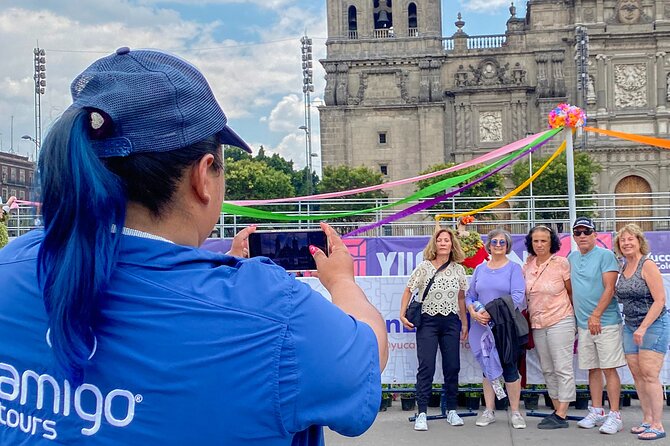
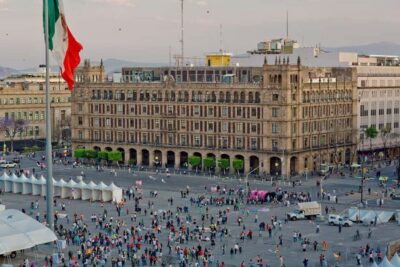
You begin in the Centro Histórico area, right where Mexico City’s story shows up in layers. The first big moment is the Zócalo, officially tied to the Plaza de la Constitución name honoring the Cadiz Constitution of 1812. It’s not just a landmark. It’s where concerts, daily life, and cultural events happen—so even if the schedule feels random, the square itself always feels alive.
Here’s what this start does well for you: it gives you orientation. After you’ve seen the Zócalo, streets and buildings stop looking like a confusing maze. You start recognizing the geography of the historic center and understanding why people gather where they do.
The main drawback is also simple: it’s a busy central area, and old town can feel confusing if you’re trying to navigate on your own. If you’re prone to wandering, this is where arriving on time matters most.
Cathedral style, World Heritage vibes, and the story behind the facade
From the square, the tour keeps you moving through the historic center toward a major cathedral-style stop. You’ll see a church inspired by Spanish cathedral style, honoring the Blessed Virgin Mary of Heaven, and it’s listed as a World Heritage Site.
This is one of those moments where a guided explanation changes how you look at the building. Without context, you’d likely just notice scale and design. With a guide, you start noticing symbolism—how religious art and architecture communicate identity, power, and belief over time.
Practical note: churches can mean uneven floors and occasional indoor lighting that’s not ideal for photos. Wear shoes you trust, and don’t expect wall-to-wall space for everyone to stand perfectly still.
More mornings lost in La Merced and Sonora
- Journey Through La Merced★ 5.0 · 342 reviews
- Mexico City: Mystic Markets La Merced & Sonora Culinary Tour★ 4.9 · 301 reviews
- Explore the Barrio Bravo of Tepito with local guides★ 5.0 · 123 reviews
- Mexico City deep tour through La Merced and iconic markets★ 5.0 · 93 reviews
- Eat and Explore Local Markets in Mexico City★ 5.0 · 83 reviews
Palacio Nacional: government power in the middle of daily life
Next up is the Palacio Nacional, an imposing baroque building that serves as the headquarters of the Federal Executive Power and the official residence of the president. The tour highlights its history and reforms, including the period when it was almost destroyed and then became the building it is today.
This stop lands because it reframes the square-area experience. You’re not only looking at pretty architecture; you’re seeing how government is physically present right where regular street life happens. It’s a strange-feeling contrast in a good way: Mexico’s political identity isn’t hidden behind walls. It’s part of what you walk past.
If you want to understand modern Mexico City, this is a smart inclusion. You’ll leave with the sense that the city is not one theme—it’s politics, religion, art, and street culture all pressing together.
Reforma’s battle name and the architecture around it
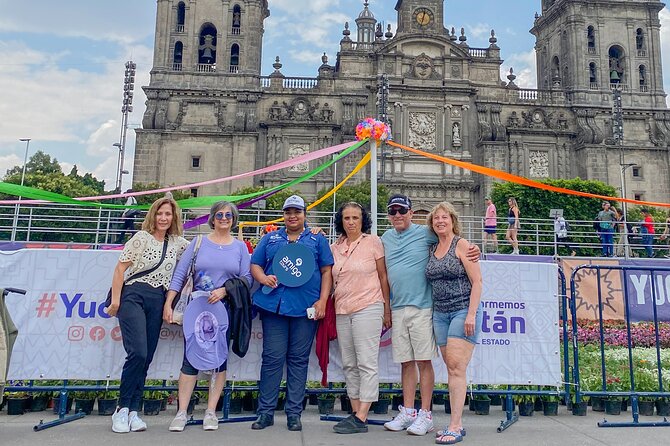
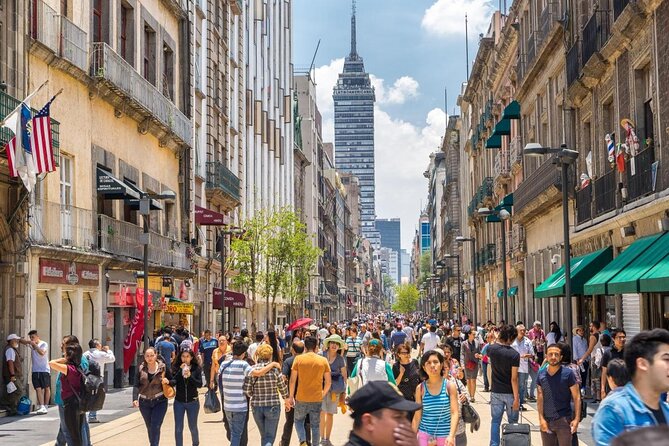
Then you move along an important avenue honoring the battle of Mexicans against the French. This is Paseo de la Reforma, known for its examples of 19th and 20th-century architecture, which is exactly why it belongs on a tour like this.
The advantage for you is variety. You go from historic-center architecture to a broad avenue with different eras and building styles. It helps you avoid the feeling that you’re only seeing one kind of place.
If you’re expecting quiet streets and slow pacing, you may find the main roads feel more active. The tour keeps the walk portion efficient, but it’s still a city—phones, traffic noise, and people weaving through crowds are part of the deal.
Casa de los Azulejos: New Spain baroque and painted interior details
One of the architectural highlights is Casa de Los Azulejos, described as a New Spain baroque marvel. The tour calls out the beautiful interiors and frescoes painted by Mexican artists.
This matters because it’s not just an exterior “look and go” stop. The way the building is presented makes you pay attention to design choices—baroque style tends to be about drama, detail, and craftsmanship. You’re also getting a bridge between the colonial visual language and later Mexican artistic contributions, especially through the fresco mention.
Drawback to keep in mind: baroque buildings can be visually busy, so it helps when you slow down for a minute and let the guide’s pointers land. If you’re the type who rushes to keep pace, you’ll want to force yourself to pause.
A major art palace stop with bronze, white marble, and murals
After the architecture stops, you’ll visit the emblematic house of Mexican art—presented as a key point of the tour and a center for art and cultural activities of the country. The standout details you’ll notice include a bronze entrance, white marble elements, and murals made by famous Mexican artists.
This is where the tour shifts tone. The first half is heavy on history and formality; this stop brings in cultural expression and national artistic identity. It’s also a good contrast because you’ve been looking at institutions—now you’re seeing a dedicated space for creativity.
If you’re trying to decide what kind of traveler you are, this stop helps you figure it out fast. If you care about art and want context for what you’re seeing, you’ll appreciate it. If you’re only in it for food, you might feel a bit less urgency here—but it still strengthens the overall “Mexico City makes sense” feeling.
Taquería tacos: eating like you have a local cheat code
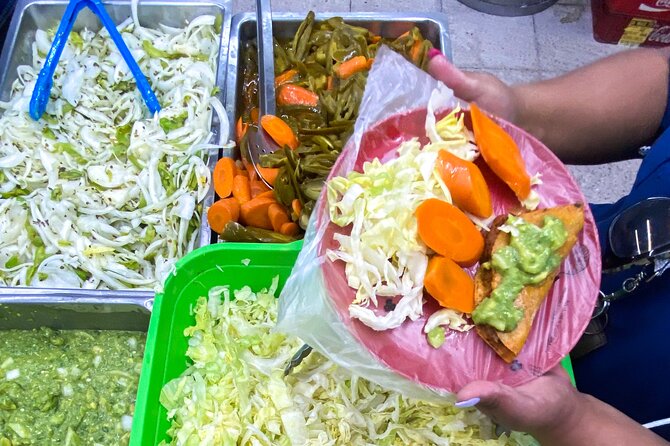
When you reach the tacos portion, the tour gives you a focused 45-minute tasting stop at an authentic taquería. This is the part that turns curiosity into calories.
What I like about this approach is that it’s time-boxed. You’re not stuck in a restaurant line for an hour. You get food, you get guided context, and you move on. It keeps the day from turning into a series of delays.
This is also one of the best times to ask questions. If you’re unsure what you’re tasting, use the guide’s presence to learn what the flavors are and how tacos are assembled. Tell yourself you’re there to learn names, textures, and how to order, not just to eat quickly.
One consideration: if you have dietary limits, you should mention them early. Market and street-style tastings can involve ingredients you might not expect, and you’ll want the guide to steer you toward options that work for you.
Mercado de San Juan: unusual foods, and the tequila or mezcal moment
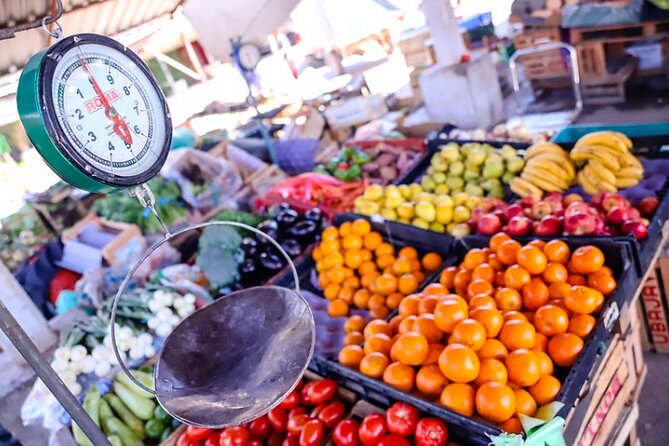
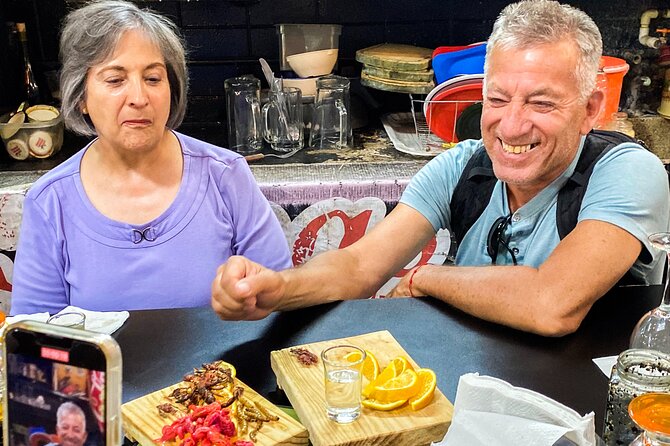
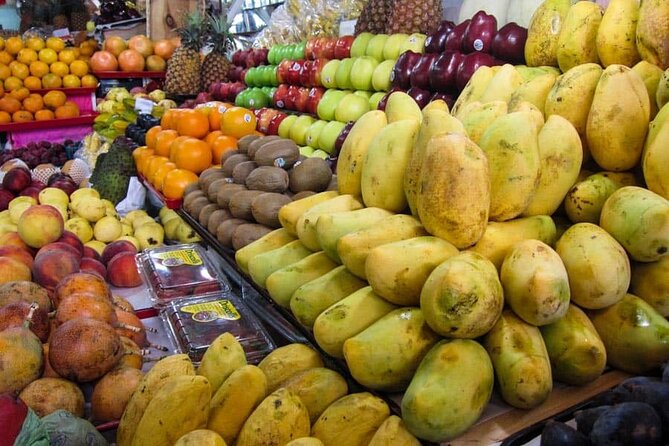
Next comes Mercado de San Juan, and this is the stop that people either love instantly or approach carefully. The tour sets expectations for exotic animal meat, vegetables, fruits, and insect delicacies, with tastings included. You’ll also try a shot of tequila or mezcal.
Why this is valuable: markets like this teach you something beyond flavor. They show you how Mexican food culture includes ingredients that may feel unfamiliar elsewhere. Even if you don’t try everything, you’ll learn what’s available and why people choose it.
Also, this stop is where a good guide really matters. A market can overwhelm you fast—smells, signage, and what feels like too many options at once. With guidance, you get pointed toward tastings that are part of the experience rather than random choices.
If you’re cautious about trying insects or unfamiliar meats, go in with one simple plan: pick one tasting you’re comfortable with and use the rest to learn how the food is presented. You can still enjoy the market atmosphere without forcing yourself to do everything.
La Ciudadela craft market: shopping 350+ stalls without losing your mind
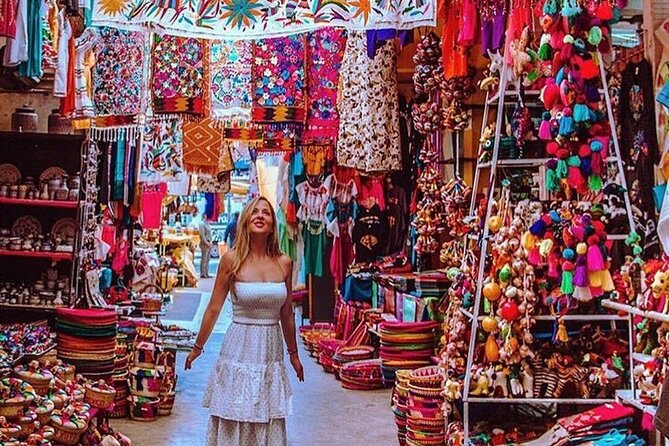
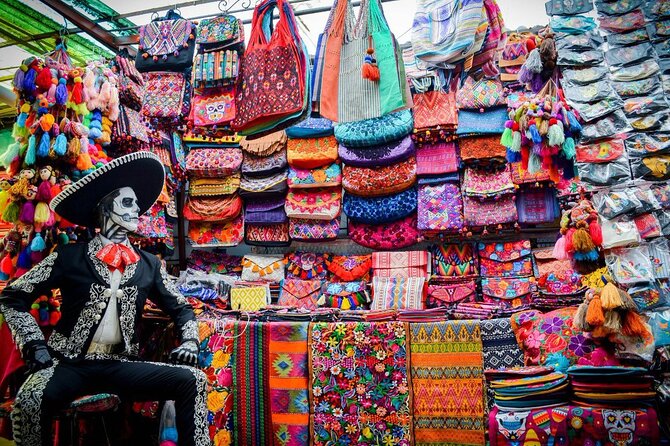
The last stop is Mercado de Artesanías La Ciudadela, known for handicrafts made and cured by Mexican artisans. The tour time here is 45 minutes, and the market is described as having more than 350 stalls.
This means your shopping style matters. If you try to sprint, you’ll miss quality and end up with random souvenirs. If you slow down—pick one or two categories, look at materials, and compare—you can actually come away with pieces that feel personal.
The tour also includes learning about the origin and history of crafts, which helps you shop with intention. A souvenir is more satisfying when you know what it is and where it comes from, not just what it costs.
Practical note: markets can be hot, and walking between stalls takes energy. If you get easily fatigued, bring water and take small breaks. Your legs will thank you.
Price and value: what $53 buys in time, guidance, and tastings
Let’s talk value honestly. $53 for about 4 hours sounds like a lot until you break down what’s happening. You’re paying for:
- A guided walkthrough of major Centro Histórico landmarks
- A route that includes architecture of religious, governmental, and artistic importance
- Two dedicated food-focused moments: tacos and a market tasting experience
- A tequila or mezcal shot at Mercado de San Juan
- Time in a large craft market for souvenir shopping
On top of that, the tour notes free admission for the main stops and keeps the group small. Small groups often mean you spend less time waiting and more time learning and eating.
For first-time visitors, this kind of “see + taste + understand” format can save you effort. Instead of planning separate museum time, food stops, and market wandering, you get a built-in route that covers a lot of ground without turning it into a marathon.
Who this tour suits best (and who should think twice)
This tour fits best if you want Mexico City in one package: landmark views plus food that goes beyond tacos-at-a-restaurant. It’s especially good for you if you like architecture and want context for what you’re seeing—religious buildings, government power, and an art-focused stop all in the same day.
It also suits food lovers who enjoy markets and don’t mind trying unfamiliar items. The presence of insect delicacies and a tequila/mezcal shot makes this less of a “safe tastes only” situation.
Who might think twice? If you’re extremely sensitive to new flavors or have strict dietary needs, the market portion could be challenging unless the guide can steer you to options you can eat comfortably. If you hate walking through crowds, old town and the markets may feel like too much at once—plan to take it slow.
Practical tips that prevent the common hassles
- Arrive early and confirm the meeting point. Old town streets can be confusing, and the start is in a specific address near Hostal AmigoIsabel La Católica. Use Google Maps before you leave.
- Wear comfortable shoes. You’ll be on foot through landmark areas and between market stalls.
- Bring a little extra cash for purchases. The tastings are part of the tour, but craft shopping is optional—and you’ll want to pay on the spot if you find something you truly want.
- Tell the guide your limits. If you avoid certain ingredients, say so early so you can enjoy the market without stress.
- Hydrate. Even with a guided pace, you’re walking and eating. A water break helps a lot.
If your plans shift, you can cancel for a full refund up to 24 hours before the start time.
Should you book this tour?
I think you should book it if you want a single, well-paced afternoon that mixes Mexico City’s big sights with food you can’t easily replicate on your own. The strengths are the combination of architecture plus tastings, and the way the guide keeps the day informative without making it feel like homework.
I’d hesitate only if you’re likely to miss the meeting point, don’t do well in crowds, or know you won’t enjoy trying unusual foods. In those cases, you can still enjoy Mexico City—but you’d probably prefer a more food-only or more straightforward walking option.
FAQ
How long is the Local Markets & Food Tour?
It runs for about 4 hours.
What does the tour cost?
The price is $53.00 per person.
Is the tour offered in English?
Yes, it’s offered in English.
How big is the group?
The tour has a maximum of 15 travelers.
What kinds of food tastings are included?
You’ll taste tacos at an authentic taquería and sample items at Mercado de San Juan, which includes exotic foods and a shot of tequila or mezcal.
Where does the tour start and end?
It starts at Hostal AmigoIsabel La Católica 61-A, Centro Histórico de la Cdad. de México, and ends at Mercado de Artesanías La Ciudadela (Balderas S/N, Colonia Centro). The start time is 12:00 pm.
More Tour Reviews in Mexico City




Market Mornings: La Merced and Beyond




Keep Eating: More Mexico City Taco Runs






Fresh from our Mexico City notebook
Mexico City Street Food Tours, compared.
 ★ 5.0Historic Center Food Tour in Mexico CityFrom $1151,263 reviews
 ★ 5.0Xochimilco Barco Fiesta Tentacion 18+ with Open Bar and TacosFrom $591,209 reviews
 ★ 5.0Lucha Libre Tickets & Tacos & Beer & Mezcal – BEST NIGHT EVER!From $841,077 reviews
 ★ 5.0Polanco Food Tour: The Bestselling Food Adventure in Mexico CityFrom $109881 reviews
 ★ 5.0Colonia Roma Food TourFrom $110838 reviews
 ★ 5.0Mexico City Historical Centre Food Tour with 7 Authentic TastingsFrom $65723 reviews
 ★ 5.0Local Foodie Adventure in Mexico: +10 dishes with Sherpa ToursFrom $85338 reviews
 ★ 5.0Street Food Tour with Friends326 reviews
Browse the lists this tour appears in