
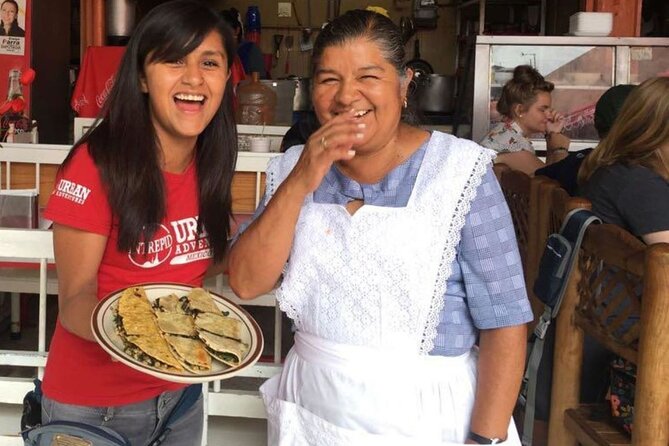
REVIEW · MEXICO CITY STREET FOOD TOURS
Mexico City: Hidden Markets, Street Food & Salsa-Making Tour
Markets teach you faster than museums. I love the market murals and history tucked into everyday stalls, and I also love the hands-on salsa-making part where you grind and taste what you made. It’s a smart way to see Mexico City up close, with food and culture happening in the same places locals go.
I also like how the tour mixes old-school Mexico City with practical skills. You’ll ride the Metro with your guide and learn how the system fits into real life, not as a museum lesson. Many guides on this route—like Andrea, Edgar, Axel, Viri, and Poncho—bring a warm, explain-everything style, with English that’s easy to follow.
One consideration: it’s walking-heavy. Plan for about 6 km (3.7 miles) over roughly five hours, and some stops are in non-touristy areas, so wear comfy shoes and expect a bit of strain.
In This Review
- Key highlights at a glance
- Why this market-and-salsa tour feels like real CDMX
- Abelardo Rodriguez Market (Mercado Melchor Muzquiz): murals, murals, and tamales with atole
- Mercado Jamaica and the 3-in-1 flower market: more than just pretty blooms
- Your salsa lesson at a family stand: from chopping to molcajete smash
- The pacing and route: Metro, walking 6 km, and how to dress for it
- Price and value: what $69.45 buys you in practice
- Food-first, but not only food: what you learn beyond the menu
- Who this tour suits best
- Should you book this CDMX market secrets and salsa tour?
- FAQ
- What markets does the tour visit?
- How long is the tour?
- Is the tour offered in English?
- Do I need to walk a lot?
- What food and drinks are included?
- Is there a salsa-making lesson?
- Can the tour accommodate dietary restrictions?
- What is the start and end location?
- Is free cancellation available?
Key highlights at a glance
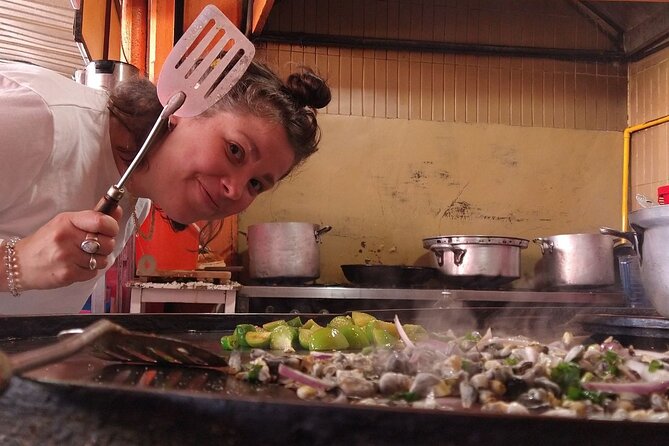
- Two local markets with different specialties, not tourist-only snack stops
- Street-food tastings like tamales, tacos, huaraches, and atole
- A 3-in-1 flower stop (flowers, produce, and prepared food)
- Metro practice that helps you navigate the city after the tour
- Molcajete salsa lesson with a local family, from chopping to smashing
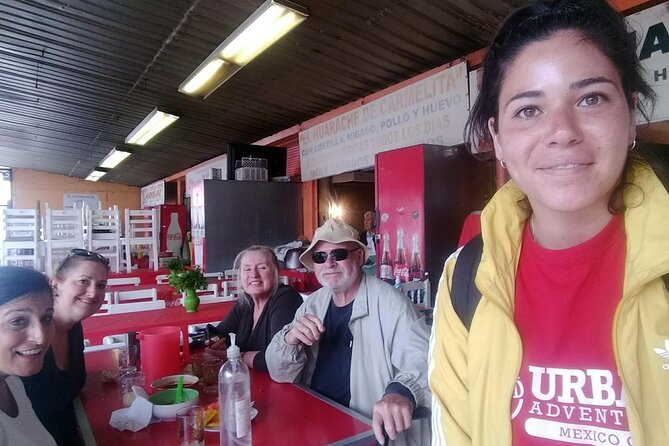
- Small group size (max 12) so you can ask questions without shouting
Still hungry? More taco crawls across town
- Historic Center Food Tour in Mexico City
★ 5.0 · 1,263 reviews - Xochimilco Barco Fiesta Tentacion 18+ with Open Bar and Tacos
★ 5.0 · 1,209 reviews - Lucha Libre Tickets & Tacos & Beer & Mezcal – BEST NIGHT EVER!
★ 5.0 · 1,077 reviews - Polanco Food Tour: The Bestselling Food Adventure in Mexico City
★ 5.0 · 881 reviews
Why this market-and-salsa tour feels like real CDMX
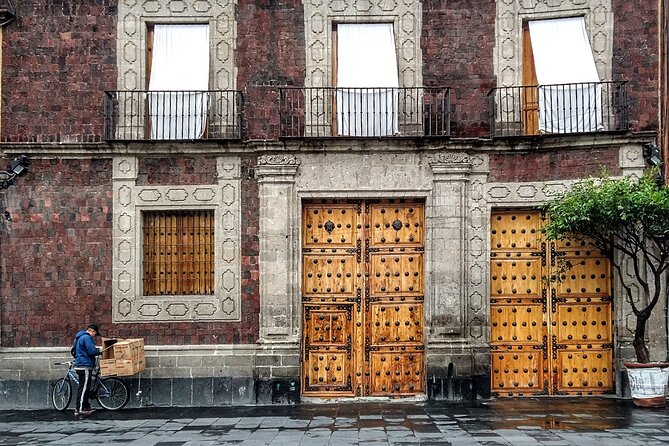
Mexico City is huge, but this tour gives you a tight, local-focused slice. You start in the Centro Histórico area and move into markets where the stories aren’t on plaques—they’re in murals, recipes, and how vendors talk to regulars.
The best part for me is that the food isn’t a side quest. You’re not just sampling; you’re learning context as you eat—why certain flavors show up together, and how salsa fits into everyday Mexican meals. Then you build your own salsa at the end, and that turns all the tastings into something you can recreate.
Also, your guide matters here. The groups I read about had strong, friendly hosts—people like Viri, Alfonso, and Adriana were praised for art-and-history explanations and for making the salsa lesson feel relaxed, not rushed.
Abelardo Rodriguez Market (Mercado Melchor Muzquiz): murals, murals, and tamales with atole
Your first market stop is Mercado Melchor Muzquiz, tied to the Abelardo Rodríguez Market. It’s known for major public artwork, including murals, and even includes practical features like a daycare and an auditorium. That mix matters: this isn’t just a place to buy food; it’s a community hub with a long rhythm.
You’ll start tasting early, with tamales and atole while you walk the stalls and take in the artwork. Atole is comforting and filling—think warm, lightly sweet, often flavored with ingredients like corn. It’s also a good early-morning energy boost because markets can be a little chaotic once you get deeper into the rows.
The guide also ties the market to Mexico City’s early 20th-century social and political story, including connections to Diego Rivera and Frida Kahlo. Even if you don’t come in knowing their work, you’ll leave with a clearer sense of why art and public life have always been linked in the city.
What to watch for at this stop: photography rules can be strict here. If you’re carrying big gear, leave it behind and stick to a smaller camera since large professional setups aren’t suitable for the experience.
Mercado Jamaica and the 3-in-1 flower market: more than just pretty blooms
From there, you head toward Mercado Jamaica, using the Metro so you can experience how people actually move around CDMX. The route is part of the value: you get food and culture, but you also pick up real navigation confidence for later days.
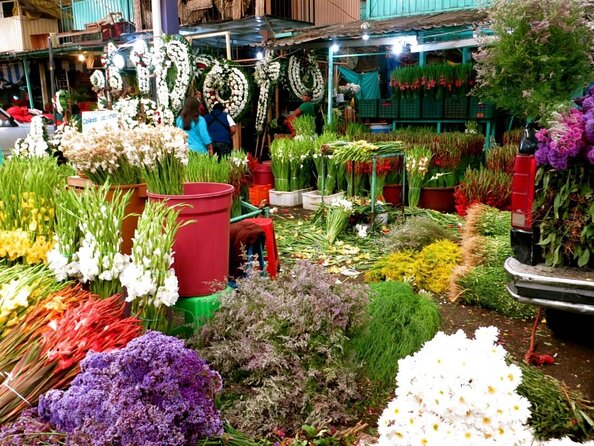
Before the main market, you stop at a 3-in-1 flower market. The concept is simple but useful: flowers aren’t separate from daily life. You’ll see flowers alongside fresh produce and prepared food, and you’ll get to sample as you walk.
This is where the “snack variety” starts to feel like a plan instead of random eating. You may try things like tacos, pineapple tepache, and local fruits while your guide explains what you’re seeing. Tepache is a fermented drink made from pineapple, usually with a tangy-sweet bite. If you like trying new textures—spiky, fizzy, and not-too-sugary—it’s one of the easiest local sips to love.
Then you transition into the family-business side of the day. Near Mercado Jamaica, you’ll visit a food stand with close to 100 years of tradition. This is a great reminder that markets aren’t only about buying; they’re about passing down technique.
One drawback here: the market part can be a bit tight on foot. You’ll want to keep your space and move with the group, especially when vendors are serving customers at the counters.
More mornings lost in La Merced and Sonora
- Journey Through La Merced★ 5.0 · 342 reviews
- Mexico City: Mystic Markets La Merced & Sonora Culinary Tour★ 4.9 · 301 reviews
- Explore the Barrio Bravo of Tepito with local guides★ 5.0 · 123 reviews
- Mexico City deep tour through La Merced and iconic markets★ 5.0 · 93 reviews
- Eat and Explore Local Markets in Mexico City★ 5.0 · 83 reviews
Your salsa lesson at a family stand: from chopping to molcajete smash
After sampling, you’ll buy some fresh vegetables and learn about local farming practices in the simplest, most practical way possible. The point isn’t to memorize a lecture—it’s to understand what ingredients taste like when they’re fresh and used the right way.
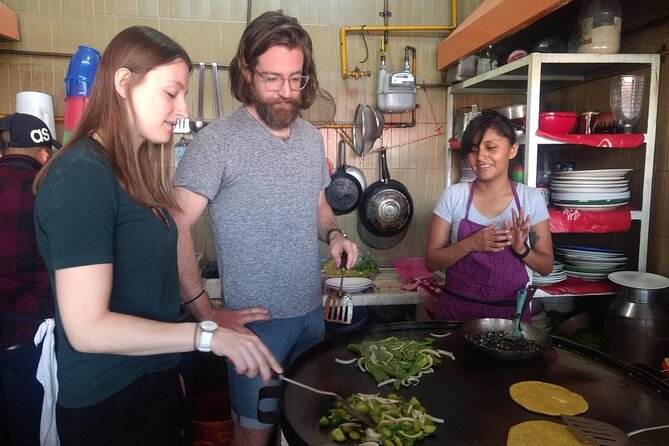
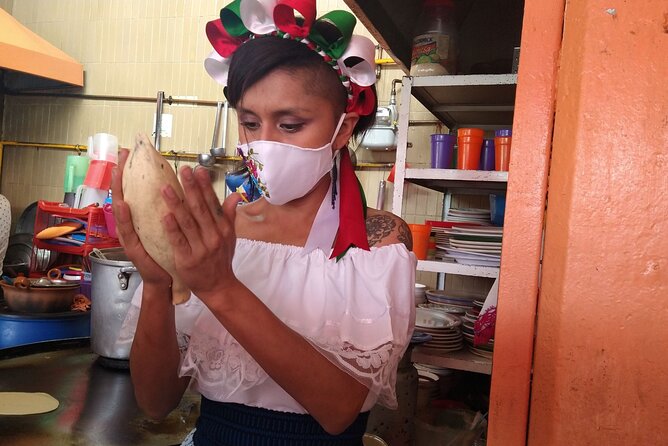
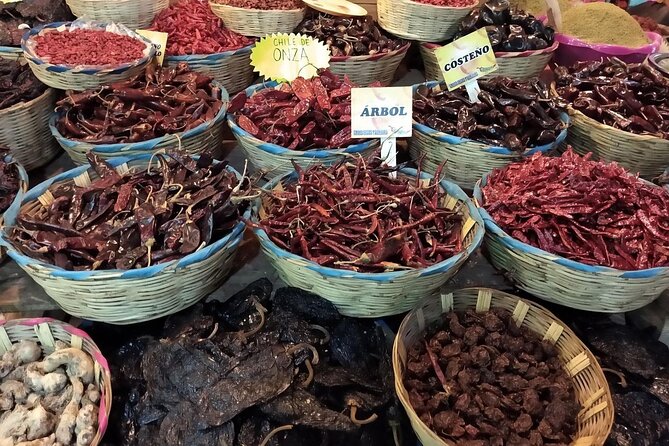
Then comes the main event: making salsa with a local family. You’ll wash, cut, and grill ingredients and then crush them in the traditional way using a molcajete. There’s something satisfying about this step—because a molcajete doesn’t just mix; it changes texture. The salsa ends up with a rustic, slightly chunky character that’s hard to replicate with a blender.
Once it’s ready, you taste your homemade salsa with a classic huarache. That pairing makes the lesson stick. You can’t really separate “salsa” from “how Mexicans eat it,” and huarache is one of the clearest ways to connect sauce to the rest of the bite.
This part of the tour also gets special praise for patience. The salsa-making teaching style tends to be slow enough that you can follow along without feeling like you’re holding up everyone else.
The pacing and route: Metro, walking 6 km, and how to dress for it
This is designed to be a full morning, starting at 8:30 am. Expect around 5 hours total, with about 6 km (3.7 miles) of walking through market aisles and city blocks. For many people, that’s the main thing to plan for.
The walking isn’t described as a hike, but it can feel strenuous if your feet aren’t used to long stretches. Markets also mean uneven surfaces, tight corners, and lots of people moving in different directions at once.
For clothing, keep it simple and conservative. You’ll be in non-touristy areas, so long trousers or jeans with a t-shirt is a safe call. If it’s rainy season (May to September), bring a raincoat or umbrella because staying dry makes everything easier.
Also: bring a small amount of spending cash and keep valuables minimal. You’ll be in busy public spaces where it’s smart to travel light, especially with a group moving from stall to stall.
Price and value: what $69.45 buys you in practice
At about $69.45 per person for roughly five hours, the value comes from the “combo.” You’re paying for:
- Two authentic market visits
- Multiple street-food tastings (including tamales and tacos)
- A traditional atole drink
- The interactive salsa lesson with hands-on grinding and cooking
- Metro experience guided by someone who knows how to get you where you need to go
- A small group size (max 12), which makes it easier to ask questions and not feel rushed
If you tried to recreate this on your own, you’d likely spend time figuring out transit, hunting down the right family stand, and guessing what to order so you actually cover the basics. Here, your guide acts like a filter—helping you taste widely and learn the why behind what you’re eating.
One thing to keep in mind: the information you have says food and drinks are not included unless specified. In the tour’s included details, the tastings and atole are covered, and the salsa lesson ends with tasting with a huarache. If you’re planning extra drinks or additional snacks beyond the listed tastings, set aside a little cash so you’re never stuck wondering.
Food-first, but not only food: what you learn beyond the menu
This is food-centered, but it’s also a culture lesson in disguise. You get history context tied to the market spaces themselves, including murals connected to key figures like Diego Rivera and Frida Kahlo.
You also get a practical “how the city works” layer. The Metro ride is part of the experience, which means you leave with a better sense of where Centro is, where Jamaica fits in the city map, and how to handle the transit rhythm when you’re traveling solo afterward.
Even the flower market stop has a purpose beyond visuals. When you see flowers alongside produce and prepared food, you start to understand that markets are integrated. People shop for more than one thing in one place, and that shapes what you’ll see on your plate.
Who this tour suits best
This one fits best if you want authentic street-food sampling paired with an active lesson, not just a passive walk.
It’s also a good match if you like learning through doing. Grinding salsa in a molcajete gives you a small skill you can bring home, and the tasting at the end makes it feel complete.
You might want to think twice if:
- You don’t handle long walks well (about 6 km total)
- You’re sensitive to crowds in narrow market aisles
- You need very formal, quiet experiences (this is lively, public, and local by design)
On the plus side, if you have dietary restrictions, the tour notes accommodations for vegetarian, gluten-free, and lactose-free needs if you tell the operator at least 24 hours ahead.
Should you book this CDMX market secrets and salsa tour?
Yes—if your idea of a great Mexico City day is markets, street food, and a real hands-on activity. The salsa lesson is the kind of thing you’ll remember months later because you made it yourself in the traditional way, not just watched someone else cook.
I’d book it early in your trip. You get a taste of local rhythm and a Metro introduction, so the rest of your days feel easier. And with a small group, your guide can explain what you’re seeing without turning it into a race.
If you’re short on time or you hate walking, you might prefer a shorter food-only option. But if you can handle a morning on your feet, this one is a strong value: you’re paying for the markets, the Metro skill, and the salsa lesson all in one go.
FAQ
What markets does the tour visit?
You visit Mercado Melchor Muzquiz (Abelardo Rodríguez Market) and Mercado Jamaica, including time around the flower market area.
How long is the tour?
It runs for about 5 hours.
Is the tour offered in English?
Yes, it’s offered in English.
Do I need to walk a lot?
Yes. The tour covers around 6 km (3.7 miles) and is described as requiring a moderate physical fitness level.
What food and drinks are included?
The included experience includes tastings such as tamales, tacos, and a sip of atole. During the day you’ll also taste items tied to the markets and finish by tasting your homemade salsa with a huarache.
Is there a salsa-making lesson?
Yes. You’ll learn how to prepare salsa with a local family, including washing, cutting, grilling ingredients, and crushing them in a molcajete.
Can the tour accommodate dietary restrictions?
The tour states it can accommodate vegetarian, gluten-free, and lactose-free needs if you notify them at least 24 hours before the tour.
What is the start and end location?
You meet at República de Guatemala 4 in Centro Histórico near the Hostel Mundo Joven facade, and the tour ends at the Palacio de Bellas Artes facade on Av. Juárez S/N.
Is free cancellation available?
Yes. You can cancel for a full refund up to 24 hours before the experience starts.
Find the Beat: More Salsa Nights



Market Mornings: La Merced and Beyond

Keep Eating: More Mexico City Taco Runs




Fresh from our Mexico City notebook
Mexico City Street Food Tours, compared.
 ★ 5.0Historic Center Food Tour in Mexico CityFrom $1151,263 reviews
 ★ 5.0Xochimilco Barco Fiesta Tentacion 18+ with Open Bar and TacosFrom $591,209 reviews
 ★ 5.0Lucha Libre Tickets & Tacos & Beer & Mezcal – BEST NIGHT EVER!From $841,077 reviews
 ★ 5.0Polanco Food Tour: The Bestselling Food Adventure in Mexico CityFrom $109881 reviews
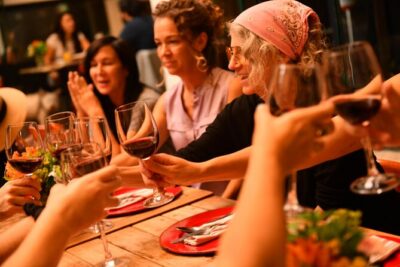 ★ 5.0Colonia Roma Food TourFrom $110838 reviews
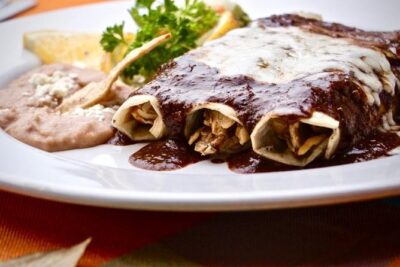 ★ 5.0Mexico City Historical Centre Food Tour with 7 Authentic TastingsFrom $65723 reviews
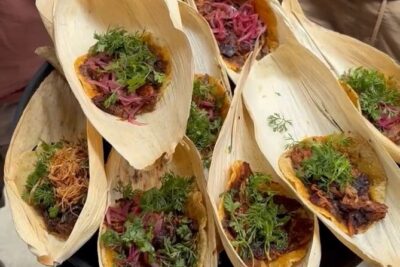 ★ 5.0Local Foodie Adventure in Mexico: +10 dishes with Sherpa ToursFrom $85338 reviews
 ★ 5.0Street Food Tour with Friends326 reviews
Browse the lists this tour appears in