
REVIEW · MEXICO CITY PRIVATE CITY TOURS
LGBTIQ+ History of Mexico private tour
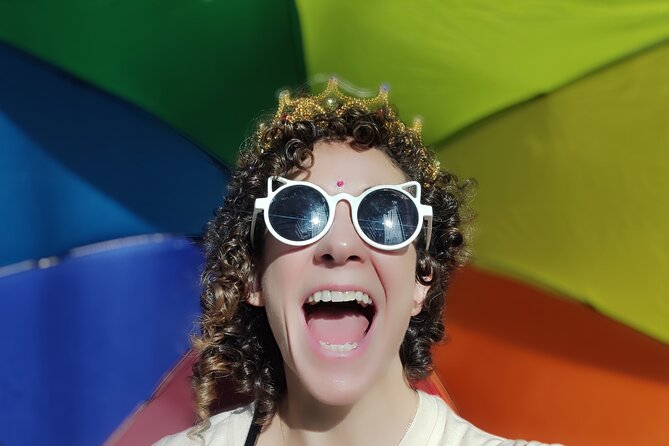
Queer history in Mexico City has real street corners. This private LGBTIQ+ History of Mexico tour strings together pre-Hispanic ideas, colonial control, and modern queer life across iconic stops, led in English by Frida Tours guides. I especially love the way it’s built for real-time understanding, not a lecture, with free entry at most stops and a guide who ties symbols to stories.
I also like that you get people-powered care plus actual refreshments, including a pulque tasting (or another beverage), snacks, and bottled water. The main consideration is pace: plan for considerable walking and standing in the historic center, so wear comfy shoes and don’t treat it like a light stroll.
In This Review
- Fast takes: what makes this tour worth your time
- Why this queer history tour feels like a smart use of time
- Zócalo: starting with pre-Hispanic cosmogony and sexuality
- Coyolxauhqui: how native cultures read gender and desire
- Catedral Metropolitana: colonial diversity, sodomy, and power
- Avenida Francisco I. Madero: transgender heroes and the Baile de los 41
- La Ópera: diversity during the Revolution and Zapata’s place in the story
- Centro Histórico: open homosexuals, art, and the beginnings of cruising
- Alameda Central: queer icons, myths, and truths
- Marrakech Salón: from early Pride protests to human-rights fighters
- Price and value: what you’re really paying for
- Food, drinks, and the human touch your guide adds
- Who this private LGBTIQ+ History tour is best for
- Should you book this LGBTIQ+ History of Mexico private tour?
- FAQ
- How long is the LGBTIQ+ History of Mexico private tour?
- Where does the tour start and end?
- Is hotel pickup available?
- What’s included during the tour?
- Are admission tickets included?
- Is the tour private and offered in English?
- Will I need to walk a lot?
- What happens if the weather is poor?
- What is the cancellation policy?
Fast takes: what makes this tour worth your time
- A true private format: only your group goes with your guide.
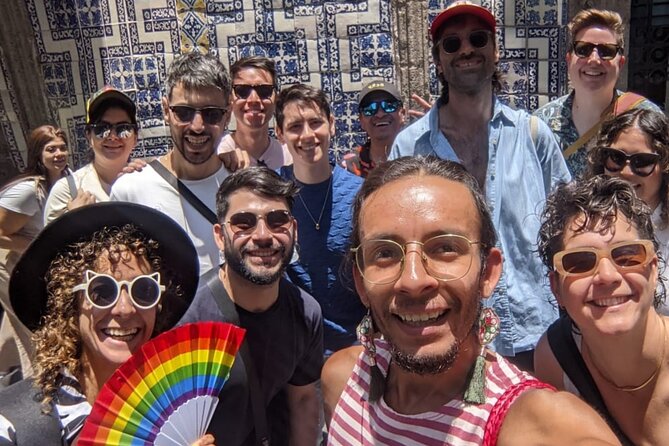
- Eight focused stops across centuries, from the Zócalo to Marrakech Salón.
- Free admission at most sites, with La Ópera covered as part of the experience.
- Pulque + snacks included, so you’re not stuck hunting food mid-tour.
- English-friendly storytelling that follows the gender-and-sexuality thread without getting lost in details.
- A guide-led rhythm: short stays at each stop keep the whole arc moving.
More private days with a local at the wheel
- Teotihuacan Private Tour from Mexico City
★ 5.0 · 1,890 reviews - Private Tour: Teotihuacan and Guadalupe Shrine
★ 5.0 · 938 reviews - Private City Tour in Frida Kahlo, Coyoacan, and Xochimilco
★ 5.0 · 626 reviews - Mexico City Custom Private Tour with a Local, Highlights & Hidden Gems
★ 5.0 · 582 reviews
Why this queer history tour feels like a smart use of time
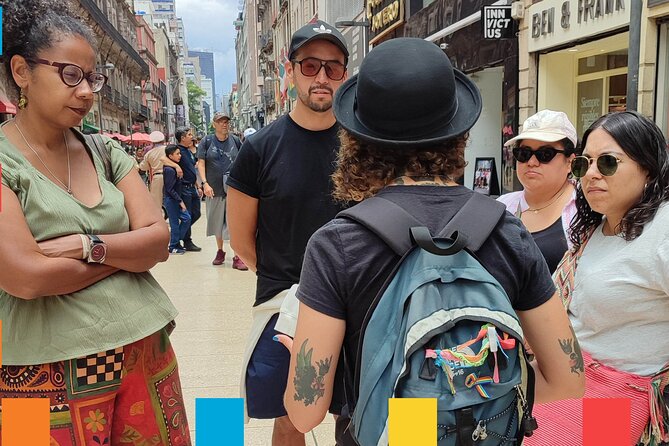
At 3 to 4 hours, this is the kind of tour that fits neatly between museums, markets, or dinner plans. The real value is the structure: each stop is a clear “chapter,” so you’re not left piecing together dates on your own.
This is also priced at $93.84 per person, which sounds steep until you remember you’re paying for a guide who connects very different eras—pre-Hispanic, colonial, Independence, Revolution, and modern Mexico City—into one storyline. On top of that, you’re getting snacks and drinks, plus a queer souvenir.
Because it’s private, it works well if you want to ask questions without feeling rushed. And since it’s offered in English, you don’t have to rely on translating on the fly while you’re trying to stay focused on the themes.
The big practical thing: it’s active. You’ll be standing, walking, and stopping often, so build in a little extra time before or after for rest.
Zócalo: starting with pre-Hispanic cosmogony and sexuality
The tour kicks off at the Zócalo, where you get a quick but meaningful foundation in pre-Hispanic cultures. Your guide talks about the Aztecs, Mayas, Toltecs, Totonacas, and how their cosmogony shaped ideas around sexuality and identity.
What I like about starting here is that it reframes the conversation before the colonial era adds its own harsh rules. Even if you only remember a few key points, it helps you read the rest of the tour differently—you’ll see later changes as shifts in power and worldview, not just random moral swings.
Entry here is free, and the stop is about 20 minutes, which makes it a good opener. You get enough context to move forward without turning the first part into a marathon.
Coyolxauhqui: how native cultures read gender and desire
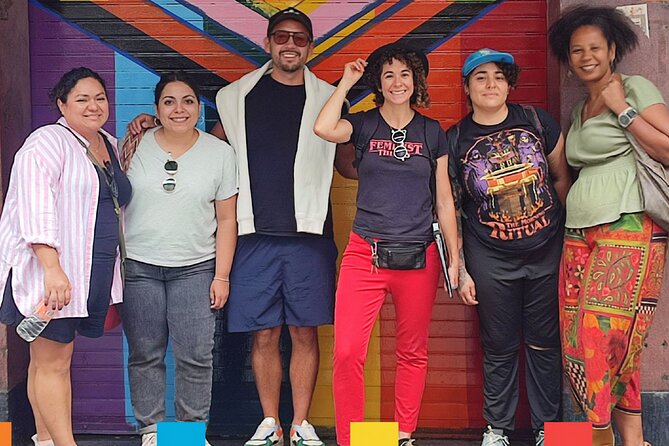
Next is Coyolxauhqui, where the guide explains how native cultures viewed homosexual practices, sexuality, and gender identity. This stop is short—again, about 20 minutes—but it’s meant to keep the thread moving: you’re not jumping straight from ancient symbols to colonial punishment without a bridge.
This part can land differently depending on your starting knowledge. If you’re new to the topic, it gives you a broader baseline. If you already know some queer history, you still benefit from seeing how the tour frames identity through local cultural lenses.
And because admission is free, you’re spending your time on interpretation instead of ticket lines.
More private runs, just your group
- Teotihuacan Private Tour from Mexico City★ 5.0 · 1,890 reviews
- Private Tour: Teotihuacan and Guadalupe Shrine★ 5.0 · 938 reviews
- Private City Tour in Frida Kahlo, Coyoacan, and Xochimilco★ 5.0 · 626 reviews
- Mexico City Custom Private Tour with a Local, Highlights & Hidden Gems★ 5.0 · 582 reviews
- Teotihuacan Private Tour with Expert Guide & Cultural Insights★ 5.0 · 577 reviews
Catedral Metropolitana: colonial diversity, sodomy, and power
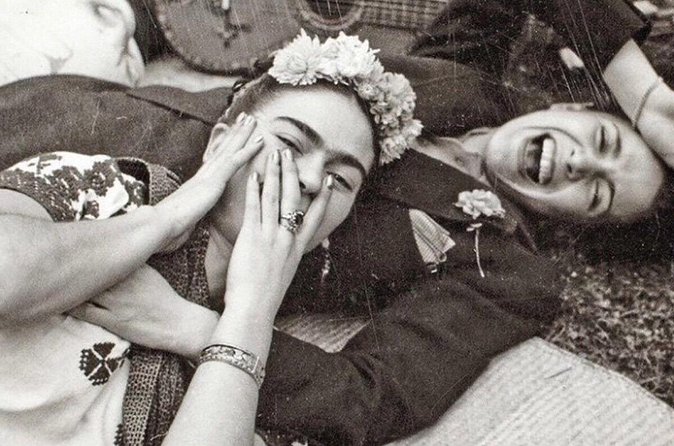
At the Metropolitan Cathedral, the tone shifts. You’ll hear about how diversity was treated during colonial times, including how sodomy was punished and who mattered in that historical period.
This is the stop where you should mentally prepare for darker material. The point isn’t to shock you; it’s to explain why later queer spaces—social and physical—became necessary. In other words, the guide is showing the cause-and-effect chain between laws, religion, and who could safely exist in public.
The cathedral stop is about 20 minutes. You’ll likely feel it compress time: you go from earlier cultural frameworks to an era where punishment and control were institutional, not just social.
Avenida Francisco I. Madero: transgender heroes and the Baile de los 41
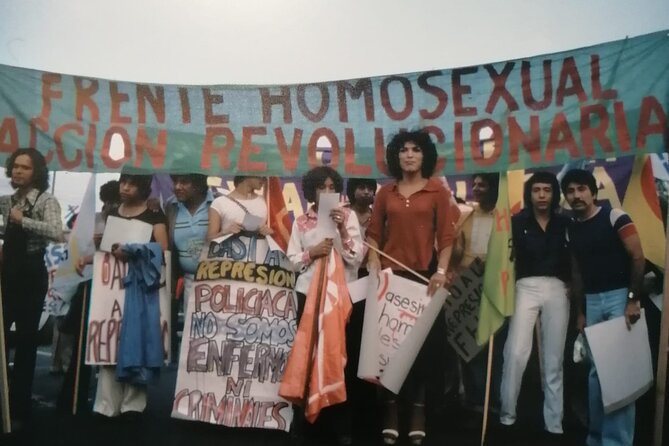
Then the tour heads to Avenida Francisco I. Madero, where the guide brings up transgender heroes, intersexuality, Mexican dandies, and homosocial relationships in early Independence-era Mexico. You also get help untangling what really happened in the famous Baile de los 41.
This stop is around 40 minutes, and it’s longer because the story connects multiple ideas at once. You’re not just learning who was involved—you’re learning why the event became a symbol and how retellings can blur details over time.
I like that the guide doesn’t treat the topic like a trivia problem. It’s presented as history with politics attached: public morality, surveillance, and who gets labeled.
The stop is still admission free, so again, you can focus on the story rather than logistics.
La Ópera: diversity during the Revolution and Zapata’s place in the story
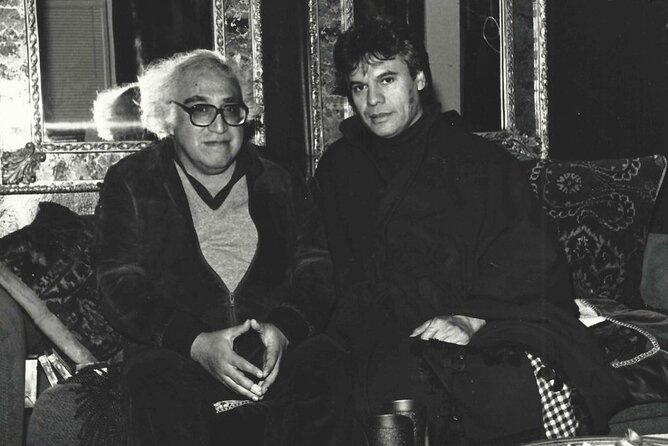
At La Ópera, the tour tackles diversity during the Mexican Revolution. You’ll hear about Emiliano Zapata and how this tour frames him as the first transgender person to be officially recognized (as presented in the experience). You’ll also hear more about how queer visibility and political life can collide.
This part has admission included, and the time is about 20 minutes. It’s not trying to replace a history course. It’s a targeted stop to show how revolutionary Mexico became a stage where identity could be discussed in public, even when that discussion was complicated.
One useful approach here: listen for the difference between what the tour claims as a framing, versus what you already know historically. If you enjoy comparing perspectives, this stop gives you plenty to think about.
Centro Histórico: open homosexuals, art, and the beginnings of cruising
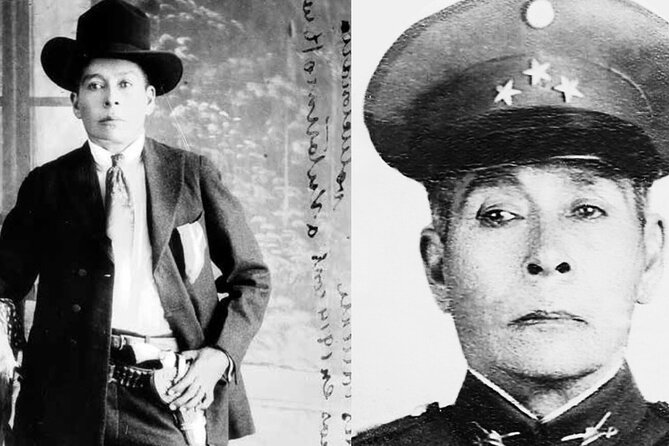
Now the tour shifts into modern Mexico City storytelling at the Historic Center (Centro Histórico). Here you focus on diversity in more recent periods, including the first open homosexuals in Mexican history and their artworks, plus how queer cruising began.
This is one of the stops where the guide’s pacing really matters. You get about 30 minutes, long enough to make the ideas feel grounded, but short enough that you keep the forward motion.
I like this stop because it connects identity to everyday behavior—where people went, how they found each other, and how art helped declare presence. If you’re hoping to understand queer life beyond famous names, this is where the tour starts doing that work.
The stop is admission free, which means your time stays focused on interpretation.
Alameda Central: queer icons, myths, and truths
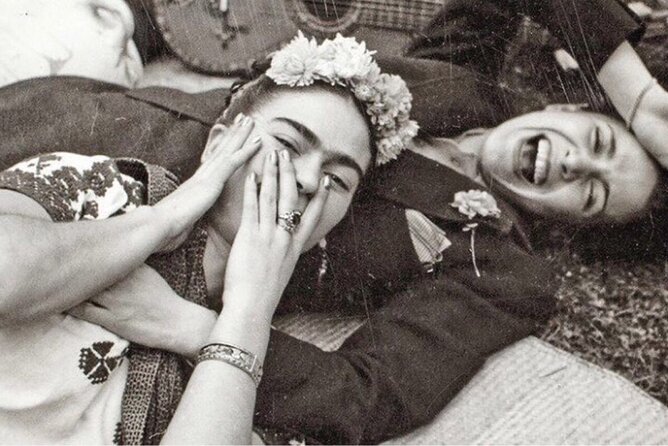
Next is Alameda Central, one of those places where you can look around and still feel history humming in the background. The guide talks about famous queer icons and separates myths from truths, including Frida Kahlo, Chavela Vargas, and Juan Gabriel, plus others.
This stop is about 40 minutes, and it’s a good pace for a conversation-heavy segment. You’ll likely walk away with names, but also with a sense of how icons function—how they’re remembered, why stories get repeated, and what details matter when you’re trying to understand real people.
Admission isn’t included here, but the stop is free as part of the tour experience (it’s listed as not included for admission). Practically, that means you’re paying for guidance and context, not for a ticket.
Marrakech Salón: from early Pride protests to human-rights fighters
The tour ends at Marrakech Salón, where the guide discusses the first Pride protests in the country and the main fighters for LGBTIQ+ human rights. It’s a powerful closer because it brings the story into activism and collective action, not just individual lives.
This stop is about 20 minutes and is admission free. Even if you don’t know much beforehand, ending here helps the entire tour feel like more than a timeline. It becomes a map of how visibility turned into organizing.
The tour ends at Marrakech Salón, but if you want to keep the evening going, you’re invited to have pulque at a nearby restaurant.
Price and value: what you’re really paying for
You’re paying $93.84 per person for a private guide, a carefully timed route, and included extras like snacks, bottled water, and alcoholic beverages (with pulque tasting or another beverage option). There’s also a queer souvenir, plus mobile ticket access and group discounts.
For me, the best value part is the concentration. Rather than spending half a day chasing clues across the city, you get a guided arc that moves fast enough to hold attention but slow enough for real explanation at each stop.
The tour is booked on average 92 days in advance, which tells you it’s popular. If your dates are fixed, don’t wait until the last minute.
Food, drinks, and the human touch your guide adds
This experience isn’t just about monuments. It also treats the social side of travel as part of the story. You get snacks during the tour, and the drinks include pulque tasting (or another beverage), which fits the Mexico City vibe in a way that doesn’t feel like a gimmick.
One review highlight I found especially reassuring: the guide was attentive, kind, and generous with time, including adding a drive through neighborhoods the guest hoped to see and ending around Zona Rosa. That matters because it means the tour can flex around your interests while staying on the history thread.
There’s also mention of food like tacos al pastor during the experience, which is the kind of practical, local detail that keeps a tour grounded. If you like your history walking tours to include real city life, this one tends to deliver.
Who this private LGBTIQ+ History tour is best for
Book this if you want a guided, respectful story of LGBTIQ+ history that takes you across centuries without turning it into an overwhelming lecture. It’s a great fit for couples, friends, and solo travelers who like asking questions and moving at their own group’s pace.
It’s also a strong choice if you’re interested in how public spaces—from major religious buildings to plazas—interact with identity and laws.
The only “not for everyone” angle is activity level. If you have limited ability to walk or stand for stretches, you’ll want to plan carefully and be honest about your stamina.
Also, since the tour is in English, it’s ideal when English is your comfort zone. If you prefer Spanish-only experiences, you might still enjoy it, but you’d be relying less on the guide’s language flow.
Should you book this LGBTIQ+ History of Mexico private tour?
Yes, if your goal is a focused, story-driven walk that connects eras and ends with activism. You’ll get free admissions at most stops, included drinks and snacks, and a private format that lets the guide tailor attention to your questions.
If you hate walking tours, or you’re not comfortable with heavier colonial-era topics, then pick a lighter style of sightseeing instead. But for many people, this strikes a rare balance: thoughtful and historical, yet practical enough to feel doable in just a half day.
If you’re in Mexico City and want queer history that feels like it lives in the streets, I’d book it.
FAQ
How long is the LGBTIQ+ History of Mexico private tour?
It runs for about 3 to 4 hours.
Where does the tour start and end?
The tour starts at Museo Archivo de la Fotografía, República de Guatemala 34, Centro Histórico (Centro, Cuauhtémoc, 06010). It ends at Marrakech Salón, República de Cuba 18, Centro Histórico (Centro, Cuauhtémoc, 06000). The tour officially ends at Marrakech Salón.
Is hotel pickup available?
Pickup depends on the option you choose. There’s a private option with transportation that can depart from your accommodation, and there’s also an option that uses a meeting point in the Historic Center.
What’s included during the tour?
The tour includes snacks, bottled water, alcoholic beverages (including pulque tasting or another beverage), a queer souvenir, and private transportation if you choose the transportation option.
Are admission tickets included?
Most stops are listed as free admission. La Ópera has its admission ticket included.
Is the tour private and offered in English?
Yes. It’s a private tour/activity, meaning only your group participates. It’s offered in English.
Will I need to walk a lot?
Yes. The tour includes considerable walking and standing.
What happens if the weather is poor?
The experience requires good weather. If it’s canceled due to poor weather, you’ll be offered a different date or a full refund.
What is the cancellation policy?
You can cancel for free up to 24 hours in advance for a full refund. If you cancel less than 24 hours before the start time, the amount paid is not refunded.
More Tours in Mexico City


More Tour Reviews in Mexico City




Just Your Group: Private CDMX Days



Fresh from our Mexico City notebook


Mexico City Private City Tours, compared.
 ★ 5.0Teotihuacan Private Tour from Mexico CityFrom $1401,890 reviews
 ★ 5.0Private Tour: Teotihuacan and Guadalupe ShrineFrom $189938 reviews
 ★ 5.0Private City Tour in Frida Kahlo, Coyoacan, and XochimilcoFrom $195626 reviews
 ★ 5.0Mexico City Custom Private Tour with a Local, Highlights & Hidden GemsFrom $77582 reviews
 ★ 5.0Teotihuacan Private Tour with Expert Guide & Cultural InsightsFrom $140577 reviews
 ★ 5.0100% Private Tour in Teotihuacán Pyramids from Mexico CityFrom $120449 reviews
 ★ 5.0Private City Tour Mexico City – Best RatedFrom $35402 reviews
 ★ 5.0Private Tour: Xochimilco, Coyoacan and Frida Kahlo MuseumFrom $269350 reviews
Browse the lists this tour appears in