
REVIEW · XOCHIMILCO TRAJINERA BOAT TOURS
Kayak at sunrise in Xochimilco: agroecological experience
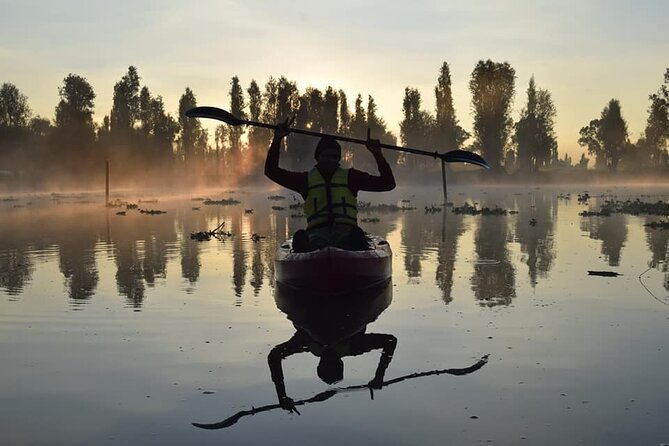
A foggy morning in Xochimilco sets the tone fast: you’re out on the canals at sunrise, seeing chinampas and wetlands wake up around you. What makes this outing special is the focus on agroecology—how ancient farming on artificial islands still shapes daily life here, plus a chance to spot things like axolotls and birds along the way. You also get context that goes beyond the usual trajinera-style ride.
I love that you’re not just looking at scenery—you’re learning how the Xochimilca system works, including the role of the artificial islands and why the area matters to UNESCO and the Food and Agriculture Organization. I also like the guide-team approach, with people like Laila (warm welcome and translation help) and guides such as Juan and Diego, who tie canal life to farming practices you can actually see.
One possible drawback: it starts early and it can feel humid and cold, so if you hate being wet or chilly, plan carefully and pack for it. The good news is that the timing makes the whole experience, so skipping the sunrise part usually means missing the best light and mood.
In This Review
- Key things you’ll remember from this sunrise kayak
- Sunrise on Xochimilco canals: why this tour feels different
- The heart of the lesson: chinampas, flowers, and why this place matters
- Stop on the water: what to expect on the kayak portion
- Axolotls and other canal life: how wildlife spotting fits the agroecology theme
- The meal moment: tasting chinampa products in context
- Guides, group size, and how the 5.5 hours actually flows
- Price and value: is $107.60 worth it?
- What to pack for a humid, cold sunrise on the water
- Meeting point and how to plan your morning
- Who should book this sunrise kayak (and who might skip it)
- Should you book? My decision rules
- FAQ
- FAQ
- How long is the kayak at sunrise experience in Xochimilco?
- How much does this tour cost?
- Is pickup available?
- Is the tour offered in English?
- What’s included in the price?
- What should I bring for the sunrise water tour?
- Is there a group size limit?
- Where is the meeting point?
- What happens if the weather is bad?
- Is there free cancellation?
Key things you’ll remember from this sunrise kayak
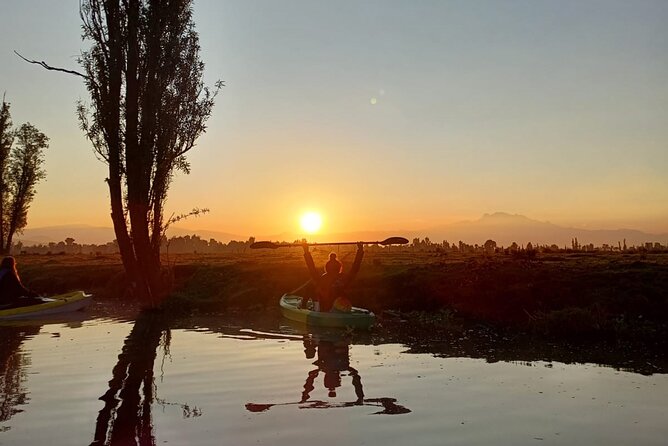
- Sunrise timing brings mist, birds, and a quieter canal feel than later in the day
- Chinampas on view: you see how the artificial islands relate to farming today
- Axolotls and local wildlife can be part of what you’re watching for
- Agroecology focus explains why this place is important to UNESCO and FAO
- Small group size (max 15) helps the lesson feel personal
- Bring a thermos so you aren’t relying on extra bottled water
More trajinera floats down the canals
- Xochimilco, Coyoacan and Frida Kahlo with Optional Lunch
★ 4.5 · 7,320 reviews - CDMX: Xochimilco, Coyoacan, Frida Kahlo Museum & Murals Tour
★ 4.4 · 3,025 reviews - Xochimilco Barco Fiesta Tentacion 18+ with Open Bar and Tacos
★ 5.0 · 1,209 reviews - Xochimilco & Mexican Party with Guacamole & Unlimited Drinks
★ 5.0 · 1,078 reviews
Sunrise on Xochimilco canals: why this tour feels different
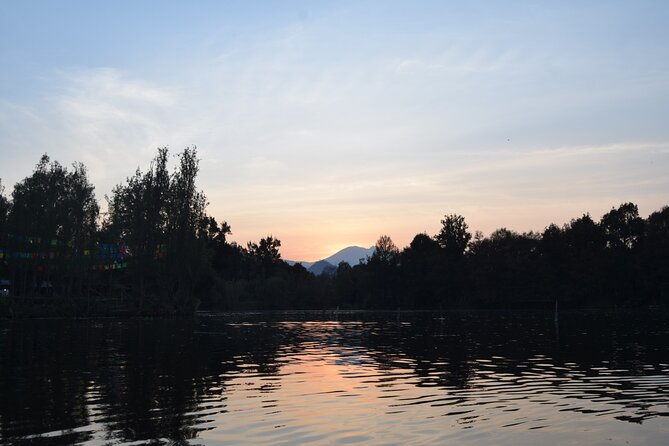
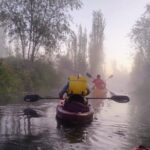
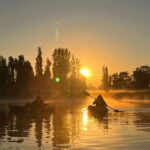
Xochimilco has a reputation for boats and colorful canal scenes, but the sunrise start flips the script. Early morning is when the canals look softer and the air feels alive—thin mist, birds calling overhead, and a slower pace that makes the place feel more connected than crowded.
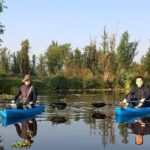
This kayak format also changes what you notice. From a boat that moves under your own paddling, you end up watching edges and details more closely—reeds, birds hopping between spots, and the way the water channels cut through the wetland. That close look is exactly what you want if you care about how people and nature share space here.
The big theme is agroecology, meaning farming built around local conditions rather than fighting them. You’ll get the story of how the chinampa system and ancient agricultural ideas still matter in the modern reserve setting. UNESCO’s World Heritage status and FAO recognition aren’t just badges—they explain why the canals and farming system are worth protecting.
The heart of the lesson: chinampas, flowers, and why this place matters
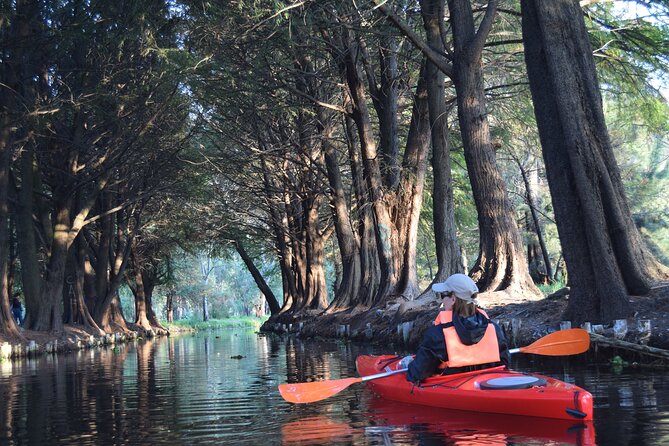
Chinampas (the artificial islands) aren’t just a scenic backdrop. This area is famous because the system links water, soil, and cultivation in a way that has persisted for a very long time. On this outing, you’ll learn how those islands were designed by the Xochimilcas and how the agricultural system is used today.
You’ll also hear why Xochimilco is considered a place of flowers. That detail matters because it ties the farming story to what the canals support year-round—not just one crop, but a working ecosystem that includes plants, water channels, and wildlife.
You’ll get context for the international recognition too. The area is treated as a UNESCO World Heritage Site and a World Agricultural Heritage Site by the Food and Agriculture Organization. In plain terms: this isn’t only a pretty canal walk. It’s a living example of agricultural design that still has meaning now.
If you’re the type who feels tired by history lectures, you’ll likely appreciate the way the guides pace the explanation. One guide is described as warm and inviting, and the group-style translation help makes the lesson easier to follow without turning it into a nonstop talk.
Stop on the water: what to expect on the kayak portion
Your main time is on the canals through a natural reserve area tied to Xochimilco’s waterways. The kayak portion is listed at about 4 hours, and that time is where the sunrise payoff happens.
Here’s what that usually looks like in practice:
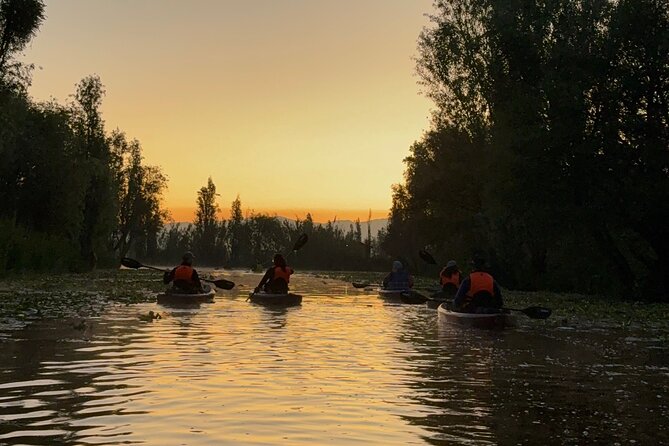
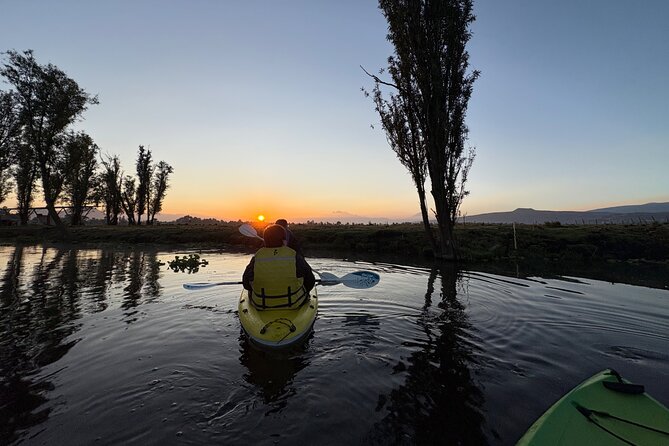
- You get on the kayak with rental gear and a vest.
- You paddle slowly enough to watch, not just travel.
- You pause as the guide points out what matters—birds, canal features, and the relationship between water and the chinampas.
A bird-watching spectacle is part of the pitch, and morning timing is key. Birds tend to be more active early, and the mist can make their movements feel extra close. If you like wildlife spotting, you’ll probably enjoy having the guide help you notice what’s easy to miss when you’re just cruising.
You may also get a chance to spot axolotls, which the tour frames as a special moment in the canal reserve. Axolotls are the kind of animal that makes people lean forward in the boat. If you’re into local ecosystems, that’s one of the reasons this option is more memorable than a basic canal ride.
A good note: you’re on water for a long stretch, so your comfort matters. Bring clothes you don’t mind getting damp, and plan for the kayak time to be active but not a workout workout.
Worth a look right beside this Mexico City pick:
- Sunrise Kayak Tour in Xochimilco★ 4.5 · 59 reviews
- Xochimilco: amanecer en kayak Ciudad de México★ 5.0 · 35 reviews
- 3 Hours of Kayaking at the Ancient Canals of Xochimilco★ 5.0 · 18 reviews
- Kayak at sunrise in Xochimilco: agroecological experience★ 5.0 · 9 reviews
- Xochimilco at dawn in Canoe or Kayak and Organic Breakfast★ 5.0 · 9 reviews
Axolotls and other canal life: how wildlife spotting fits the agroecology theme
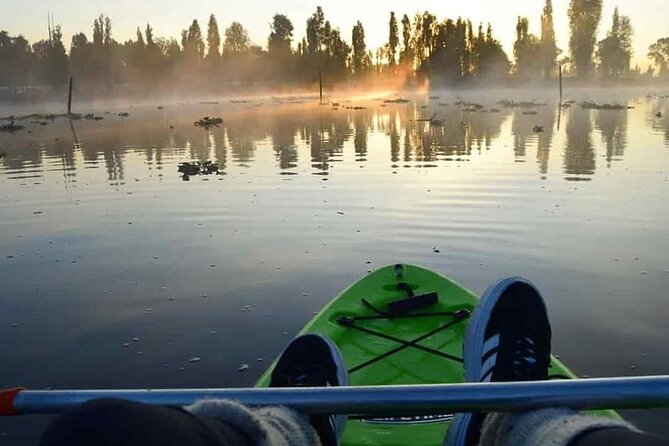
It’s easy for wildlife spotting to feel like a side quest. Here, it fits the bigger story. When you’re learning about why the system works—how water, habitat, and farming connect—seeing animals like axolotls makes the lesson feel real instead of academic.
The guide context helps you understand what you’re looking at and why it belongs in this environment. You’re not just waiting for a rare sighting. You’re learning how the reserve and chinampa system support the kinds of life that can survive in these channels.
Some parts of canal life are also farm-adjacent. From the on-the-ground context shared by the guide team, you may see animals like cats, cows, goats, and chickens as part of the broader working setting. That farm angle reinforces the agroecology theme: this place isn’t frozen in time; it’s a working landscape where people still raise animals and grow food.
If you’re traveling with kids, that hands-on mix—animals plus farming context plus early morning nature—tends to work well. Even if you’re not traveling with children, it can keep the experience from turning into a lecture.
The meal moment: tasting chinampa products in context
One of the most praised parts of this experience is the on-site meal prepared by a chef using products largely from the chinampa area visited. Even though the basic included list highlights the kayak and vest, the experience is clearly built around learning and tasting together.
What makes this meal valuable isn’t only the food. It’s the timing and the link back to the lesson. You’re learning how the system grows and supports life, then you get to eat foods connected to that agricultural story. That makes the concept stick.
If you’re picky about food, you’ll want to keep expectations flexible. You’re eating something local and connected to the day’s setting, not a standardized menu designed for everyone’s preferences. Still, if you like the idea of agricultural tourism that ends with real tasting, this is a strong point.
Guides, group size, and how the 5.5 hours actually flows
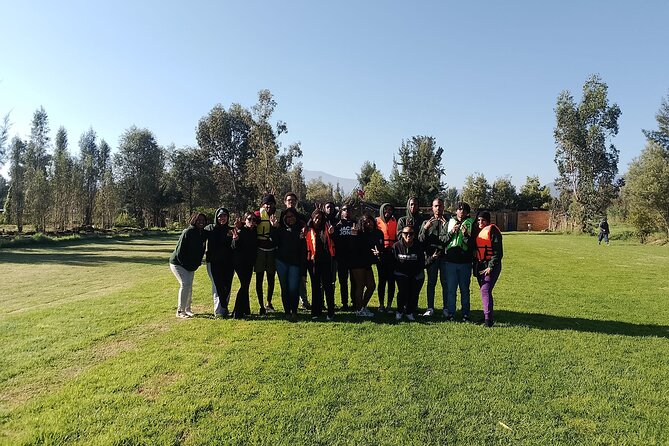
This experience caps at 15 travelers, which is a sweet spot for a sunrise water activity. Smaller groups make it easier to handle gear, spread out in the kayak area safely, and keep questions from getting lost.
You’ll also get English support (the tour is offered in English), and that matters most during the context-heavy parts—chinampas, why the area is recognized internationally, and what to look for on the water. Based on guide descriptions, Laila can play a key role in welcome and translation support, while Juan and Diego are named as guides who connect canal life to farming practices.
The full duration is listed at about 5 hours 30 minutes. With roughly 4 hours of the water portion, the remaining time is built around getting oriented, learning, and wrapping up. In other words, you’re not “standing around waiting” for the tour to start and end. You’re using the day efficiently—especially valuable when you’re visiting Mexico City and want one meaningful half-day that isn’t the generic checklist.
Price and value: is $107.60 worth it?
At $107.60 per person for about 5.5 hours, this isn’t a cheap activity. The value comes from what’s included and what the format delivers.
What you’re paying for:
- Kayak rental and vest (so you’re not shopping for gear)
- An admission ticket for the canal experience
- A guided agroecology-focused lesson that adds context beyond a standard boat ride
- A sunrise timing window that makes wildlife spotting and the canal mood better
The part people often don’t think about with canal tours is how much the timing changes the experience. If you go later, you may still see the canals—but you lose the calm misty morning feel that makes wildlife spotting and learning more engaging. Sunrise kayaking tends to be worth it specifically because it compresses the best conditions into one outing.
What’s not included is also straightforward: souvenirs and tips aren’t part of the price. If you’re trying to keep costs controlled, plan to skip shopping and just budget for what you truly want to bring home.
What to pack for a humid, cold sunrise on the water
This is the section that makes or breaks your comfort level. The operator specifically recommends waterproof layers, waterproof shoes if possible, and a jacket. Since it’s a water tour, you’ll get damp even with careful paddling.
For sunrise, add:
- A good jacket
- Gloves
- A towel and a complete change of clothes and shoes for after
- Anything you need to handle cold in a very humid morning
Also, plan around water safety and cleanliness. You’re encouraged to bring a thermos of water to avoid extra bottled water. That’s an easy habit that fits the agroecology values of the day.
If you want photos, professional cameras are welcome—just be careful with water. Bring a bag or a way to protect your camera from splashes. You don’t want your best shots to come with a wet-device panic.
Meeting point and how to plan your morning
You’ll meet at Pier Fernando Celada, Av. Guadalupe I. Ramírez s/n, San Antonio, Xochimilco, 16000 Ciudad de México, CDMX, Mexico (Barrio San Juan Tlateuhchi). The activity ends back at the meeting point.
Because this is near public transportation, you can usually build the trip with transit rather than needing a private car. Still, sunrise means you should aim to arrive early so you’re not rushing gear and layers in the cold.
Water tours move faster than you think. When you show up late, it turns into stress instead of a smooth start—especially with early-morning weather.
Also remember: confirmation comes within 48 hours of booking, subject to availability, so don’t wait until the last minute if your schedule is fixed.
Who should book this sunrise kayak (and who might skip it)
This works best for you if:
- You love nature and wildlife spotting and want a guided way to notice more than just boats
- You care about indigenous agricultural history and how it connects to modern farming systems
- You want a Xochimilco experience that feels more grounded in place than a single photo-op loop
- You like early mornings when they’re worth it—misty, calm, and full of birds
You might consider skipping if:
- You hate being cold or wet, even with a change of clothes ready
- You want a purely relaxing ride with minimal learning
- You’re only interested in the typical trajinera vibe and don’t care about agroecology context
Should you book? My decision rules
If you’re torn between a regular canal boat option and this sunrise kayak, I’d choose this one when you want a deeper connection to the place—especially the chinampa farming system and the chance to spot axolotls and birds at sunrise.
I’d also book it if your timing can handle an early start and you’re willing to pack for cold, humid conditions. Bring waterproof shoes if you can, gloves if you tend to get chilly, and definitely a full change of clothes.
If those details sound like trouble, a later-day, more relaxed option might fit better. But if you’re up for an active morning on the water with real context, this is one of the stronger ways to experience Xochimilco beyond the surface.
FAQ
FAQ
How long is the kayak at sunrise experience in Xochimilco?
It lasts about 5 hours 30 minutes (approx.), with the kayak portion listed at around 4 hours.
How much does this tour cost?
The price is $107.60 per person.
Is pickup available?
Pickup is offered.
Is the tour offered in English?
Yes, the tour is offered in English.
What’s included in the price?
You get kayak rental and a vest, and an admission ticket for the experience.
What should I bring for the sunrise water tour?
Bring waterproof clothes and waterproof shoes if possible. Also pack a jacket, towel, and another change of clothes and shoes for after. For the sunrise, bring warm items like gloves and extra layers since it can be humid and cold early.
Is there a group size limit?
Yes. The tour has a maximum of 15 travelers.
Where is the meeting point?
You’ll meet at Pier Fernando Celada, Barrio San Juan Tlateuhchi., Av. Guadalupe I. Ramírez s/n, San Antonio, Xochimilco, 16000 Ciudad de México, CDMX, Mexico.
What happens if the weather is bad?
This experience requires good weather. If it’s canceled due to poor weather, you’ll be offered a different date or a full refund.
Is there free cancellation?
Yes. You can cancel for a full refund up to 24 hours in advance of the experience’s start time.
More Canoes & Kayaks in Mexico City

More Tour Reviews in Mexico City



Down the Canals: More Xochimilco Floats




Fresh from our Mexico City notebook


Xochimilco Trajinera Boat Tours, compared.
 ★ 4.5Xochimilco, Coyoacan and Frida Kahlo with Optional LunchFrom $347,320 reviews
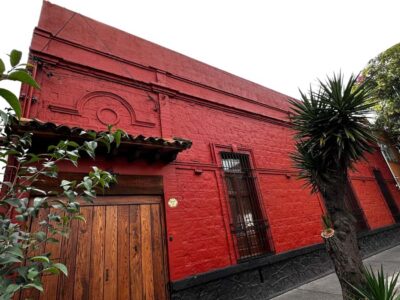 ★ 4.4Xochimilco, Coyoacan, Frida Kahlo Museum & Murals TourFrom $893,025 reviews
 ★ 5.0Xochimilco Barco Fiesta Tentacion 18+ with Open Bar and TacosFrom $591,209 reviews
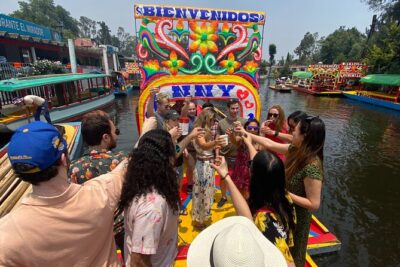 ★ 5.0Xochimilco & Mexican Party with Guacamole & Unlimited DrinksFrom $631,078 reviews
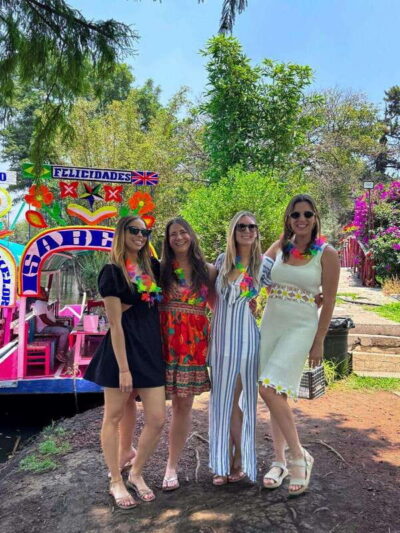 ★ 5.0Xochimilco Boat Party with Unlimited DrinksFrom $48882 reviews
 ★ 5.0Private City Tour in Frida Kahlo, Coyoacan, and XochimilcoFrom $195626 reviews
 ★ 5.0PREMIUM Frida Kahlo Museum and Xochimilco (Small Groups)From $80549 reviews
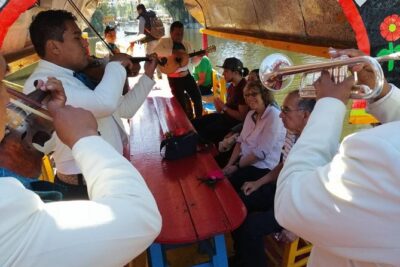 ★ 5.0Private Tour: Xochimilco, Coyoacan and Frida Kahlo MuseumFrom $269350 reviews
Browse the lists this tour appears in