
REVIEW · VOLCANO HIKES & NEVADO DE TOLUCA
Iztaccihuatl, Refuge of the 100 (4780m)
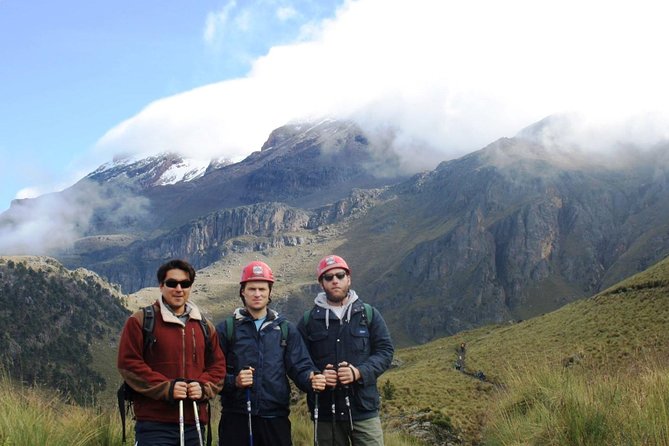
A hike at 4,720m feels like a real achievement. This one-day trip on Iztaccihuatl is built around the Refuge of the 100 and a steady sequence of high-mountain viewpoints, with a small group (max 10).
I love how the day is organized for focus: you drive in comfortably, then you hike with a guide and actually get to see the volcano drama up close.
I also like the practical inclusions. You get a safety helmet and a lunch, which removes two common headaches on altitude days.
The main consideration is the altitude and the physical effort. The hike is for people with moderate physical fitness, and if conditions bring snow, traction like crampons can make things easier even if you can manage without them.
In This Review
- Key highlights worth getting excited about
- Iztaccihuatl and the Refuge of the 100: the view payoff is the point
- From Av. Vicente Suárez in Condesa to Izta-Popo National Park
- First viewpoint arc: climbing with Popocatepetl in your sightline
- Sandy stretches to the third hill: Puebla and Pico de Orizaba come into view
- The final push to the Refuge of the 100 at around 4,720m
- What’s included: helmet, lunch, and private transport that saves energy
- Safety helmet
- Lunch included
- Private transportation from Mexico City
- Small group size (10 max) and guide Jorge’s impact on pace
- Price and value: what $219.38 buys you in the real world
- Weather and fitness: plan for altitude reality
- Gear and small comfort wins (including snow traction)
- The short version: who this hike suits best
- Should you book the Iztaccihuatl Refuge of the 100?
- FAQ
- How long is the Iztaccihuatl Refuge of the 100 hike?
- Where is the meeting point?
- How many people are in the group?
- What’s included in the price?
- What is not included?
- Do I get tickets on my phone?
- Is the tour offered in English?
- What fitness level is required?
- What is the cancellation policy?
Key highlights worth getting excited about
- Refuge goal near 4,720m: the payoff is reaching the Refuge of the 100 high on Iztaccihuatl
- Small group (10 max): more personal attention and a smoother pace in thin air
- Helmet and lunch included: you’re not hunting for gear or food mid-adventure
- A view route with clear milestones: Popocatepetl, Puebla, and Pico de Orizaba show up along the way
- English-speaking guide: easier for first-timers to follow terrain and safety cues
- Private round-trip transfer from Mexico City: less logistics, more time on the mountain
More thin-air climbs above the valley
- Nevado De Toluca: Reach the Summit with Professionals
★ 4.8 · 250 reviews - Iztaccihuatl Volcano Hike with an Alpinist
★ 4.0 · 244 reviews - Mexico City: Guided Volcano Trek with Lunch
★ 4.7 · 242 reviews - From Mexico City: Hike Iztaccihuatl Volcano with an Alpinist
★ 4.3 · 155 reviews
Iztaccihuatl and the Refuge of the 100: the view payoff is the point
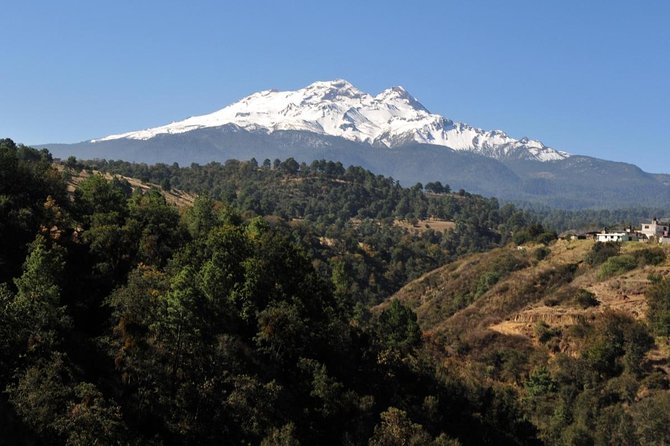
Iztaccihuatl is one of those mountains that forces you to look up—always. The Refuge of the 100 sits high on its slopes, and that target shapes the whole day: you’re not just walking for walking’s sake. You’re hiking to a specific elevation, then spending time there to take in what the altitude reveals.
What makes this experience interesting is the way the views come in stages. As you climb, you pass through points where the angle changes, so you get multiple dramatic sightlines instead of one long wait for the final panorama. One review also pointed out that the guide helped make the hike feel worth every step, and that’s the real difference between a trip that is tiring and one that feels satisfying.
There’s also a clear safety emphasis. The day includes a helmet, and you’re hiking with a guide who can keep you moving in a smarter way as conditions shift.
From Av. Vicente Suárez in Condesa to Izta-Popo National Park
You start in Mexico City at Av. Vicente Suárez 38, in Condesa (Cuauhtémoc). That’s a big deal for value and stress level. Instead of cobbling together taxis and shuttle rides, you get round-trip private transfer from Mexico City and back again.
Once you arrive in the Izta-Popo National Park area, the day transitions from car comfort to hiking mode. The plan leaves the cars near the feet of what’s known as the sleeping woman landmark—then you get ready for the ascent. If you’re new to mountain hiking, I like this setup because it keeps the transition simple: arrive, gear up, start climbing.
Because it’s a day trip format (about 1 day), this kind of direct transfer also matters. The fewer transfers you deal with, the more energy you save for the climb itself.
Practical takeaway for you: build the day around this hike. If you add other plans in Mexico City right after, you may feel rushed on the return.
First viewpoint arc: climbing with Popocatepetl in your sightline
The ascent starts after you’re set up near the park. As you go up, you’re treated to changing mountain scenery around Iztaccihuatl. But the key early moment is the pass on the other side of the mountain where you get a magnificent view of Popocatepetl.
That early Popocatepetl sightline does two useful things for your brain. First, it gives you something motivating before fatigue stacks up. Second, it helps you orient—when you can see a major peak, the hike feels less like wandering and more like moving along a route with purpose.
This part of the day can also be where you learn the rhythm of the hike. You’re climbing steadily, and your guide’s job is to keep you moving at a pace that won’t burn you out too early. One high-rating comment thanked the guide by name (Jorge), and that kind of guided pacing tends to be what separates a hard hike from a manageable one.
Watch-out: don’t assume “early views” means “easy effort.” The altitude makes even a controlled pace feel like work.
- Teotihuacan, Guadalupe Shrine & Tlatelolco Day Tour with Lunch★ 5.0 · 11,603 reviews
- Xochimilco, Coyoacan and Frida Kahlo with Optional Lunch★ 4.5 · 7,320 reviews
- Balloon flight + Breakfast in cave + Pyramids + Pick up CDMX.★ 5.0 · 6,335 reviews
- Teotihuacan pyramids morning or afternoon without tourist traps★ 5.0 · 6,186 reviews
- Teotihuacan Early Access Guided Tour with optional Lunch★ 4.5 · 6,138 reviews
Sandy stretches to the third hill: Puebla and Pico de Orizaba come into view
After the first viewpoints, the route continues and includes a sandy area. Sandy footing can be deceptive: it often feels like it should be easier, but it can actually cost more energy because your steps don’t bite the ground the same way as rock or firm trail.
Then you reach the third hill, and the hike pays you back again. When you pass on the other side of the mountain at that point, you can see the city of Puebla and the imposing Pico de Orizaba. That’s a striking combo—cities far below, and a towering peak in the distance—so the viewpoint isn’t only scenic. It also gives scale. You realize how high you are and how far the mountain is reaching beyond the immediate trail.
For me, this is one of the smartest parts of the day design. Instead of a single payoff near the end, you get a second “wow” moment mid-hike. That keeps morale up, and it gives you a natural place to slow down, breathe, and refocus.
Your best move here: take short breaks when your guide suggests them. If you wait too long, breathing and footing can get harder.
The final push to the Refuge of the 100 at around 4,720m
The last climb is the one most people remember later. The destination is the Refuge of the 100, with the goal around 4,720 meters above sea level. That’s high enough that you should expect the day to feel serious, even if your fitness is decent.
What makes the final push feel worthwhile is that you’re not hiking to a view you might not get. You’re hiking to a specific endpoint with a clear name and elevation target. In a day trip, that kind of structure reduces the mental uncertainty: you know what you’re working toward.
Also, you arrive at the refuge area after multiple changes in direction and viewpoint. By the time you reach the end, you’ve already seen Popocatepetl and other far-off markers. So when you finally look around from the refuge, you’re not starting from zero—you’re stacking the day into one big high-altitude panorama.
One note from the practical side: a review mentioned crampons might have helped if snow was present, though the group managed without them. That’s useful guidance for you: if you’re hiking in colder conditions, consider traction gear advice appropriate to the season and conditions.
What’s included: helmet, lunch, and private transport that saves energy
Here’s the value that matters most on this kind of day: the inclusions are geared toward keeping you functional on the mountain.
Safety helmet
The tour provides a helmet. That’s not just a box-checking item. When you’re hiking in a high, exposed environment, you want the right safety basics taken care of.
Lunch included
Lunch is included, which is a big deal on altitude days. It prevents the all-too-common scenario of delaying food because you don’t want to stop. On a climb, having a planned meal helps you stay steady.
Private transportation from Mexico City
You also get private transfer round-trip. For a one-day format, this is one of the biggest comfort-to-cost wins. You’re not coordinating with strangers, and you’re not losing time to public transit schedules.
Alcoholic beverages are not included, so if you were hoping to treat the day like a picnic with drinks, plan otherwise.
Small group size (10 max) and guide Jorge’s impact on pace
This hike caps at 10 travelers, which means the group doesn’t get stretched out into a line where slower hikers get left behind. In practice, smaller groups are easier to manage on a route with changing terrain and altitude effects.
The guide’s role becomes more important here. One of the standout review comments thanked Jorge specifically and credited him with making the hike work well. While I can’t guarantee you’ll get Jorge, the lesson is consistent: a good guide changes how the day feels. You get better pacing, clearer safety direction, and more confidence when footing or conditions shift.
If you’re the kind of person who likes explanations and not just motion—this format tends to fit.
Price and value: what $219.38 buys you in the real world
At $219.38 per person, this isn’t a bargain bus trip. It’s priced like a real guided mountain day with transport and basic safety items.
So what are you paying for, beyond the headline hike?
- Private round-trip transfer from Mexico City (this alone can add up fast if you DIY)
- Helmet and lunch included (food and essential gear handled)
- English-speaking guidance
- A small group size (max 10) which often means better control of the pace and fewer logistics headaches
You’re also getting a clear mountain objective: Refuge of the 100 at around 4,720m. That matters because it turns the day into a real hike with an endpoint, not just an hour or two of scenic walking.
Best value fit: if you’d rather spend money to remove friction (transport, meal planning, basic safety gear) and keep your attention on the climb, this price makes sense.
Weather and fitness: plan for altitude reality
This experience requires good weather. If weather conditions prevent the hike, you’ll be offered a different date or a full refund. That’s a fair setup, because visibility, footing, and safety can shift fast in high elevation areas.
Fitness-wise, the tour calls for moderate physical fitness. You don’t need to be an athlete, but you do need to be comfortable with sustained uphill hiking for a full day.
Age restriction is also clear: under 14 isn’t allowed. That’s probably about safety and the ability to handle altitude and a longer mountain day.
My advice to you: if you’re worried about altitude, don’t treat this like a casual stroll. Bring your best realistic day-planning mindset and keep expectations grounded.
Gear and small comfort wins (including snow traction)
The only guaranteed equipment included is the helmet. Lunch is provided too, so you can focus your packing on comfort and traction.
One review noted that crampons might have made things easier if snow showed up, but the group managed anyway. That’s the best “bring it just in case” clue you have from the experience details.
So if you’re traveling during colder months or you know conditions can be snowy, it’s worth thinking about traction options that match your comfort level and local guidance (without assuming they’re always necessary).
Also, since alcoholic beverages aren’t included, plan on water and simple, practical fueling habits tied to the provided lunch.
The short version: who this hike suits best
This is a great pick if:
- You want a guided high-mountain hike with clear endpoints
- You care about views with multiple payoff moments (Popocatepetl, Puebla, Pico de Orizaba)
- You prefer small group dynamics over crowded buses and long waits
- You want private transport so you don’t waste your one day doing logistics
It might not fit if:
- You’re not comfortable with altitude effort and a full-day hike
- Your schedule can’t flex if weather cancels or reschedules
- You’re bringing anyone under 14
Should you book the Iztaccihuatl Refuge of the 100?
Yes, if you’re excited by the combination of a guided day hike and high-elevation goals. The value stands out because the plan handles the big friction points: private transfer, helmet, and lunch, plus a small group cap that keeps the hike feeling controlled.
I’d book it sooner rather than later too. This experience is typically booked about 16 days in advance, so if you have a tight window, plan ahead.
Only hesitate if altitude effort is a big unknown for you or if your travel dates don’t tolerate weather changes. When the conditions cooperate, this is the kind of day that leaves you talking about the views and the climb long after you’re back in Mexico City.
FAQ
How long is the Iztaccihuatl Refuge of the 100 hike?
It’s listed as an approximately 1-day experience.
Where is the meeting point?
The start meeting point is Av. Vicente Suárez 38, Colonia Condesa, Cuauhtémoc, 06170 Ciudad de México, CDMX, Mexico.
How many people are in the group?
The tour/activity has a maximum of 10 travelers.
What’s included in the price?
Included items are a helmet, lunch, and private transportation.
What is not included?
Alcoholic beverages are not included.
Do I get tickets on my phone?
Yes, the tour includes a mobile ticket.
Is the tour offered in English?
Yes, it’s offered in English.
What fitness level is required?
Travelers should have a moderate physical fitness level.
What is the cancellation policy?
You can cancel for free up to 24 hours in advance for a full refund. If you cancel less than 24 hours before the experience starts, the amount paid is not refunded. The experience requires good weather, and if it’s canceled due to poor weather you’ll be offered a different date or a full refund.
More Tour Reviews in Mexico City



Thin Air: Nevado de Toluca and the Volcanoes
Fresh from our Mexico City notebook

Volcano Hikes & Nevado de Toluca, compared.
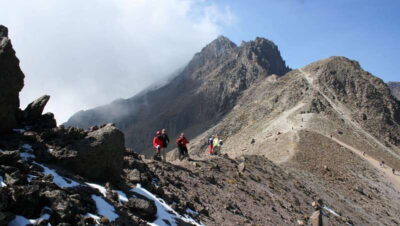 ★ 4.8Nevado De Toluca: Reach the Summit with ProfessionalsFrom $162250 reviews
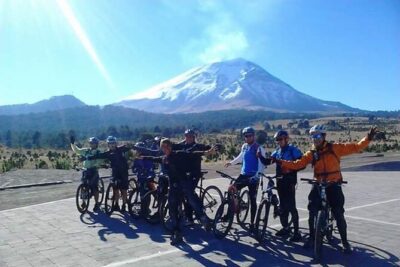 ★ 4.0Iztaccihuatl Volcano Hike with an AlpinistFrom $139244 reviews
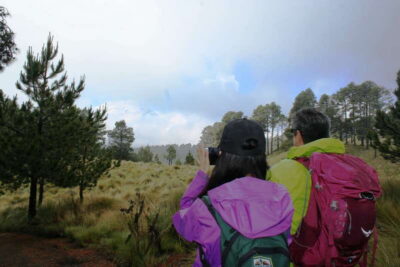 ★ 4.7Guided Volcano Trek with LunchFrom $105242 reviews
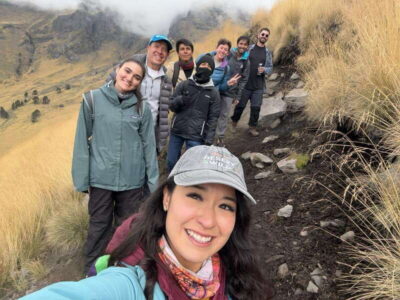 ★ 4.3From Mexico City: Hike Iztaccihuatl Volcano with an AlpinistFrom $168155 reviews
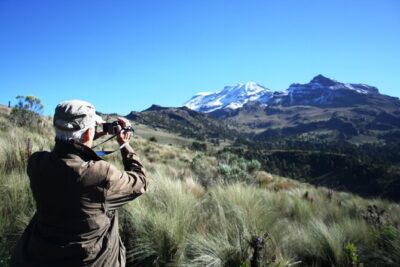 ★ 5.0Trekking Through The VolcanoesFrom $13396 reviews
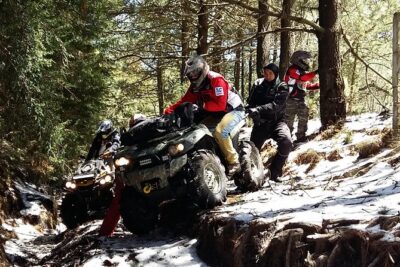 ★ 5.02 Volcanos – Special 2 pax, 3 -4 hr ride. Reserve Only 1 paxFrom $50081 reviews
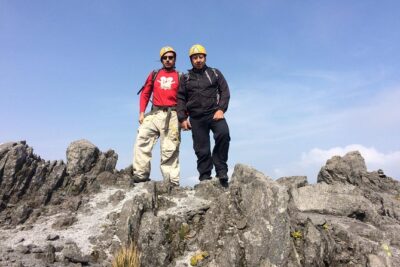 ★ 5.0Mountaineering to the Nevado de Toluca (altitude 4680m)From $16678 reviews
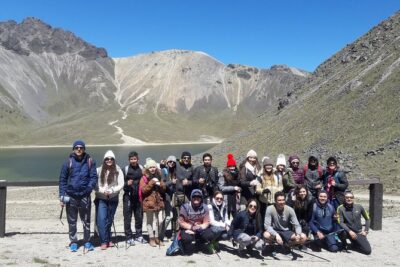 ★ 5.0Hike at Nevado de Toluca VolcanoFrom $10569 reviews
Browse the lists this tour appears in