
REVIEW · BASILICA OF GUADALUPE & TLATELOLCO TOURS
Guadalupe Shrine Tour
Guadalupe can feel huge without a plan. This tour keeps it organized with prebooked entry and an English-speaking guide as you head out to Tepeyac for the 1531 story of Juan Diego.
I love that the visit isn’t just drop-and-go. You also get added context on what you’re seeing, not only a list of rooms and dates.
I also like the museum time behind the Old Basilica, with 4,000 pieces of 17th-century religious art that put the miracle in a broader cultural setting. The trade-off is timing: it starts at 3:00 pm, so if you want lots of extra wandering, you’ll feel the clock.
In This Review
- Key things to know before you go
- Entering the Guadalupe complex without the CDMX headache
- The 3:00 pm timing: comfortable pace, but mind the closing hours
- Basílica Antigua (1709): Spanish colonial with Moorish influence
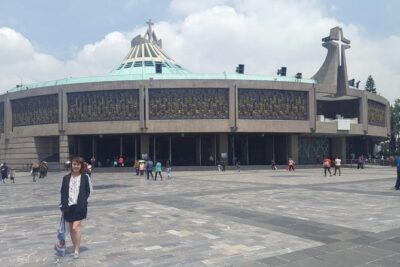
- Basílica Nueva (1976): a circular design built for shared viewing
- Tepeyac Hill climb: the story’s starting point, with moderate effort
- The museum behind the Old Basilica: 4,000 pieces of 17th-century devotion
- Wrap-up time: mass, photos, and a quiet stroll at the end
- Price and value: $51 with guide + transport, and why it adds up
- What I’d expect from the guide experience (and how it can vary)
- Who should book this Guadalupe Shrine tour
- Should you book?
- FAQ
- Where do I meet for the tour?
- What time does the tour start, and how long is it?
- Is hotel pickup included?
- Is the tour offered in English?
- What do I see at the Basilica Antigua and Basilica Nueva?
- Is there walking or climbing involved?
- Can I cancel for a full refund?
Key things to know before you go
- Prebooked entry and straightforward transport so you don’t waste time figuring out buses or entrances.
- Basílica Antigua (1709) and Basílica Nueva (1976) back-to-back, with very different architecture.
- A climb up Tepeyac Hill tied to the events of 1531, with a moderate physical requirement.
- A museum stop behind the Old Basilica featuring 4,000 pieces of 17th-century religious art.
- Small group size (up to 20) with an English tour and time for mass or personal exploring at the end.
More pilgrim stops at the Basilica and Tlatelolco
- Teotihuacan, Guadalupe Shrine & Tlatelolco Day Tour with Lunch
★ 5.0 · 11,603 reviews - Mexico City: Teotihuacan, Tlatelolco & Guadalupe Shrine Tour
★ 4.6 · 3,773 reviews - Mexico City: Teotihuacan, Tlatelolco & Basilica of Guadalupe
★ 4.7 · 975 reviews - Private Tour: Teotihuacan and Guadalupe Shrine
★ 5.0 · 938 reviews
Entering the Guadalupe complex without the CDMX headache
This is one of those Mexico City experiences where planning matters. Guadalupe draws major crowds, and once you’re there, it can be hard to know where to go first. This tour’s main value is that it removes the pre-visit stress—meeting up in central CDMX, then riding out with a guide who knows the flow.
You’ll start at Hostal Amigo on Isabel La Católica (Centro Histórico). From there, you join a small group (maximum 20) and head to the Basilica of Our Lady of Guadalupe. If you’re traveling with family or just want things to feel easy, this kind of structure pays off fast.
One practical note: pickup is only offered if you select the private option. For the standard tour, you’ll meet at the listed spot and go from there. Either way, you’ll end back at the same departure point.
The 3:00 pm timing: comfortable pace, but mind the closing hours
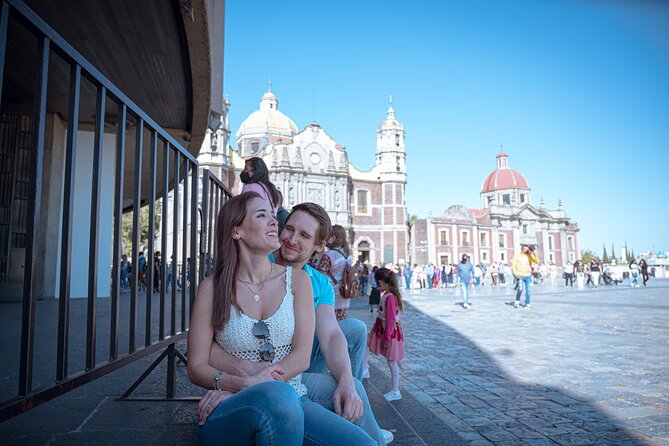
The tour runs about 4 hours and starts at 3:00 pm. That timing can work great if your goal is the main sights plus a calm visit to mass. It can be less ideal if you want to treat the basilica grounds like a full-day explore.
Here’s the key to making it work: prioritize. You’ll see both basilicas, climb Tepeyac Hill, and spend time at the museum behind the Old Basilica. With that many stops packed into one afternoon, you won’t have unlimited wiggle room. One review specifically mentioned that some buildings close around 5:00 pm, which is exactly the kind of timing detail that can make your experience feel rushed or relaxed.
So I suggest you go in with a simple plan:
- Do the basilicas first (especially if the light or crowds matter to you).
- Don’t count on having time for extra chapels beyond what the tour covers.
- If mass is important, keep it at the top of your list.
Basílica Antigua (1709): Spanish colonial with Moorish influence
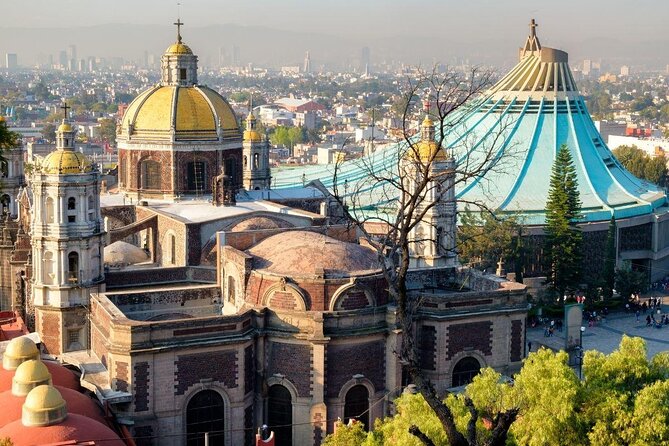
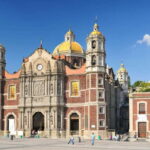
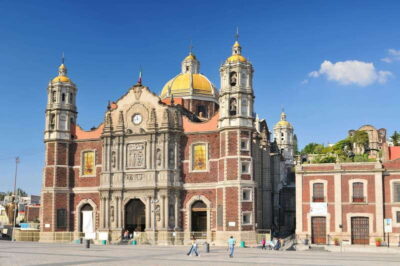
Your first major stop is Basílica Antigua, the original basilica built in 1709. This is where the architecture tells a story. You’re looking at Spanish colonial design with Moorish influence, which gives the Old Basilica a unique feel compared with many churches you’ll see around Mexico City.
Inside, the focus is devotion and symbolism. The tilma (the miraculous image associated with Juan Diego) is displayed, along with devotional paintings. Even if you aren’t approaching this from a strictly religious angle, you’ll feel why people come back year after year. It’s not just a museum object; it’s a living part of Mexican faith and culture.
The guide’s job here is important. A lot of people know the basics of the Guadalupe story, but it’s usually light on detail about what you’re looking at and why specific aspects matter. On this tour, you get that context as you move through the Old Basilica.
If you’re the type who likes photos: one review noted that pictures are allowed in many areas of the grounds, but not in the original chapel. Treat that as your default assumption.
- Teotihuacan, Guadalupe Shrine & Tlatelolco Day Tour with Lunch★ 5.0 · 11,603 reviews
- Xochimilco, Coyoacan and Frida Kahlo with Optional Lunch★ 4.5 · 7,320 reviews
- Balloon flight + Breakfast in cave + Pyramids + Pick up CDMX.★ 5.0 · 6,335 reviews
- Teotihuacan pyramids morning or afternoon without tourist traps★ 5.0 · 6,186 reviews
- Teotihuacan Early Access Guided Tour with optional Lunch★ 4.5 · 6,138 reviews
Basílica Nueva (1976): a circular design built for shared viewing
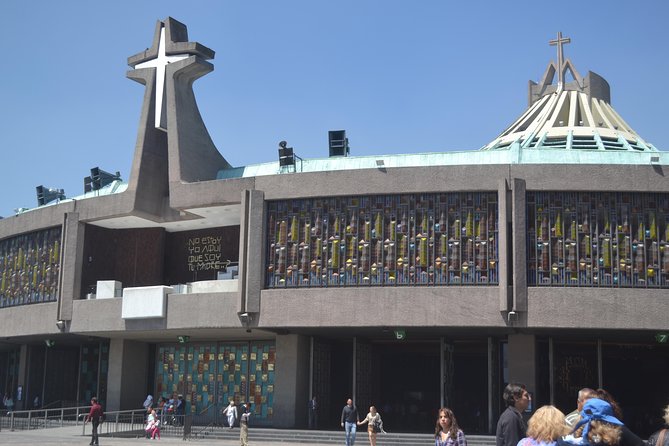
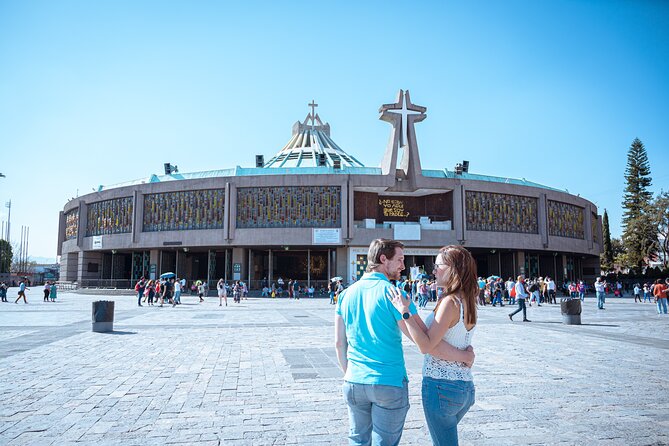
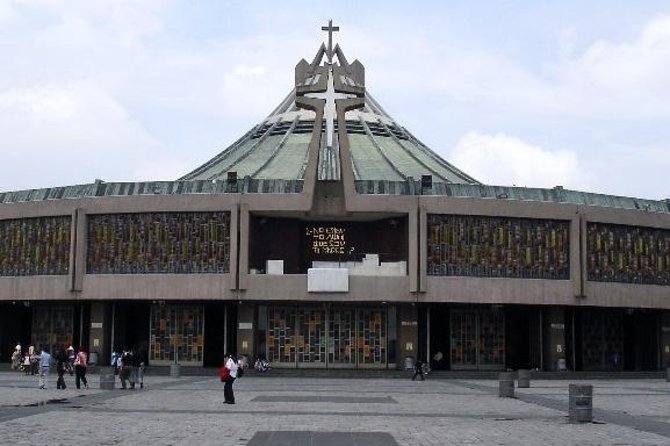
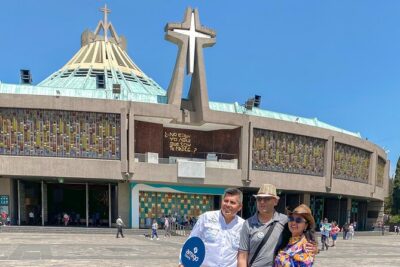
Next you’ll visit the New Basilica, completed in 1976. The big visual detail here is the circular floor plan, designed so you can see the Virgin from different spots inside the church. That changes the whole experience. Instead of one fixed viewpoint, it feels like you’re all part of the same moment—whether you’re watching pilgrims move through the main aisle or simply looking for your own sightline.
You’ll also see how the basilica functions during a real pilgrimage atmosphere: people flowing into the main aisle, some visitors taking in the space like a once-in-a-lifetime journey, and the overall sense that the building is made for gathering.
Culturally, this stop is a strong payoff. The tour doesn’t just say Guadalupe is important in Mexico—it explains how the Virgin has become both a religious symbol and a cultural one. That matters because Guadalupe isn’t only a church story. It’s part of national identity for many people, and the basilica makes that visible fast.
Tepeyac Hill climb: the story’s starting point, with moderate effort
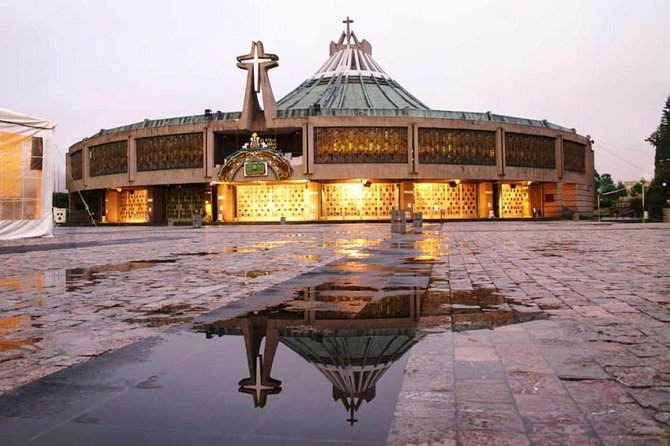
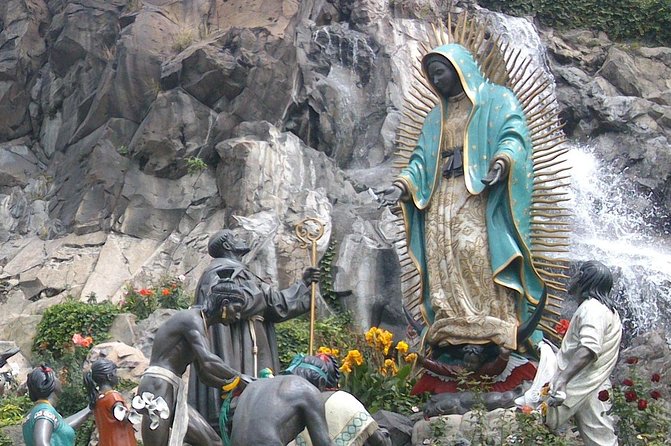
After the basilicas, you head up Tepeyac Hill. This is tied to the 1531 events—the apparition reported to a peasant man on top of the hill, leading to the construction of the shrine in her honor.
The tour frames this as a moderate physical fitness activity, and you should take that seriously. One review described the climb to the original chapel as requiring moderate exertion, even though the stairs are well maintained. If you have mobility concerns, it helps to plan for slower pacing.
Good news: the tour guide can make a difference. One review specifically mentioned assistance with wheelchair needs and finding easier routes. That suggests you should not assume you’re stuck with the hardest route. If your group includes someone with limited mobility, tell your guide needs at the start so they can help you navigate the right paths.
What you get for the effort is perspective. The hill is where the whole Guadalupe story stops being abstract and starts feeling place-based—like the setting is part of the miracle.
The museum behind the Old Basilica: 4,000 pieces of 17th-century devotion
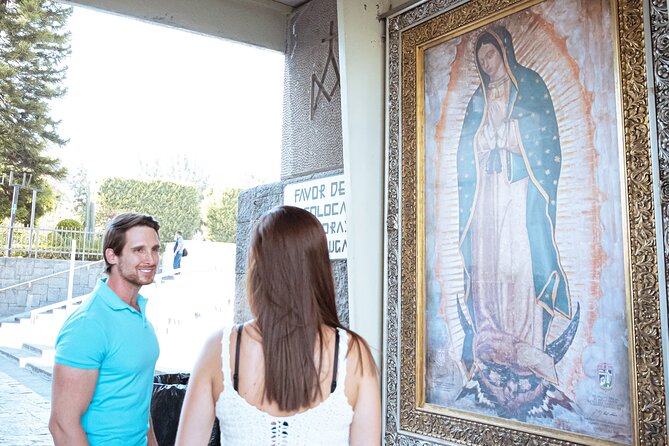
One reason I like this tour is that it doesn’t stop at the two basilicas. It includes a museum stop behind Basílica Antigua with 4,000 pieces of 17th-century religious art.
That museum time is the difference between seeing Guadalupe as only a single image and understanding it as an era of religious art, storytelling, and community devotion. When you see religious art from the 1600s in volume—paintings and devotional works in that style—you get a better sense of how the Guadalupe image traveled through time and became deeply woven into worship.
In practical terms, the museum is a relief from crowds. You’ll have a calmer rhythm than in the busiest church aisles. If you’re traveling with someone who wants history context, this stop is also a nice bridge between faith and culture.
One practical reminder: since this is an afternoon tour, your museum enjoyment depends on not running late. If you feel like you’re rushing, focus on the big themes you see quickly rather than trying to read every label.
Wrap-up time: mass, photos, and a quiet stroll at the end
At the end, the tour includes free time so you can either attend mass or stroll the area on your own. This part is where you get to shape the experience.
If you want mass, use the tour’s timing to your advantage. You’ll already know where the main church spaces are after visiting both basilicas, so you’re not guessing in the middle of crowds.
If you’d rather explore independently, this is the moment to slow down. The basilica complex feels like a campus, not one room. One review highlighted how there are multiple churches, chapels, and sights around the grounds—so having a little personal time helps you not feel trapped in a checklist.
And again, keep the photo rules in mind. Expect restrictions around the most sensitive chapel area.
Price and value: $51 with guide + transport, and why it adds up
At $51 per person, this tour lands in the reasonable range for Mexico City day experiences. The value comes from what you’re not doing:
- You’re paying for an organized visit to a high-demand site.
- You’re getting a guide to translate what you’re seeing into context.
- You’re getting round-trip transportation as part of the tour package.
Plus, the tour listing indicates admission ticket free for the main 2-hour visit portion. That’s a meaningful savings when you compare it to attractions where you pay entry and then still pay for the guide separately.
Food isn’t included, so plan a meal either before you go or after you return. The area is near where you’ll likely want something quick, but your best strategy is to decide what you want most from the afternoon—church time vs. museum time vs. a real sit-down meal.
Also: the tour books about 23 days in advance on average, which tells you the popularity level. If your dates are fixed, booking early is smart.
What I’d expect from the guide experience (and how it can vary)
The biggest theme across the positive reviews is guides who don’t rush and who make the story understandable. Names that came up include Herson, Ligia, Mirian, Gabriel, Anthony, and Jocelyn. What these guides seemed to have in common is pacing and patient answering—people felt they could ask questions and move at a comfortable tempo.
That matters because Guadalupe is intense. If you rush through it, you miss the meaning. If the guide helps you understand the why behind the what, the afternoon feels like more than sightseeing.
That said, there is also a cautionary note in the feedback. A couple of reviews described problems like late buses, guides who weren’t speaking English as expected, or even cancellations. None of that is typical for most trips, but it’s worth having a backup mindset: check your day-of confirmation, build in flexibility, and don’t schedule a tight, high-stress plan immediately after the tour.
Who should book this Guadalupe Shrine tour
This tour is a great match if you:
- Want an organized way to reach a major pilgrimage site from Mexico City.
- Care about architecture differences between Basílica Antigua and Basílica Nueva.
- Like having context for the Guadalupe story—especially the cultural and art side.
- Prefer a group day with a clear plan, but not a frantic pace.
It might be a less perfect fit if you:
- Need lots of free time to wander beyond the main stops.
- Have trouble with stairs and moderate walking without assistance.
- Strongly depend on the exact timetable to hit other tight plans that same evening.
Should you book?
Yes—if you want Guadalupe handled well, this tour is worth considering. You get both basilicas, the Tepeyac Hill climb, and a museum stop with 4,000 pieces of religious art, all within about 4 hours. For most visitors, the guided context and transport alone make the $51 feel fair.
If you book, do one thing that makes the biggest difference: arrive ready to prioritize. Start with the basilicas, plan for the hill climb at an easy pace, and use your final free time for mass or a slow walk. With that approach, you’ll get the meaning without the afternoon feeling like a sprint.
FAQ
Where do I meet for the tour?
You meet at Hostal Amigo on Isabel La Católica 61-A, Centro Histórico de la Cdad. de México (Centro, Cuauhtémoc, 06000 Ciudad de México, CDMX).
What time does the tour start, and how long is it?
The tour starts at 3:00 pm and lasts about 4 hours.
Is hotel pickup included?
Hotel pickup is available only if you select the private tour option. Otherwise, you meet at the listed location.
Is the tour offered in English?
Yes, the tour is offered in English.
What do I see at the Basilica Antigua and Basilica Nueva?
Basílica Antigua (built in 1709) features Spanish colonial architecture with Moorish influence and displays the tilma along with devotional paintings. Basílica Nueva (completed in 1976) has a circular floor plan designed so you can view the Virgin from many spots inside.
Is there walking or climbing involved?
Yes. You walk up Tepeyac Hill and the tour recommends travelers have moderate physical fitness.
Can I cancel for a full refund?
Yes. You can cancel up to 24 hours in advance for a full refund.
More Tours in Mexico City


More Tour Reviews in Mexico City



The Pilgrim Road: Guadalupe and Tlatelolco

Fresh from our Mexico City notebook

Basilica of Guadalupe & Tlatelolco Tours, compared.
 ★ 5.0Teotihuacan, Guadalupe Shrine & Tlatelolco Day Tour with LunchFrom $3911,603 reviews
 ★ 4.6Teotihuacan, Tlatelolco & Guadalupe Shrine TourFrom $493,773 reviews
 ★ 4.7Teotihuacan, Tlatelolco & Basilica of GuadalupeFrom $57975 reviews
 ★ 5.0Private Tour: Teotihuacan and Guadalupe ShrineFrom $189938 reviews
 ★ 4.5Teotihuacan Tour with Basilica of Guadalupe & TlatelolcoFrom $40839 reviews
 ★ 5.0Teotihuacan, Shrine of Guadalupe & Tlatelolco Day TourFrom $66773 reviews
 ★ 4.5Pyramids of Teotihuacan, Guadalupe Shrine & Tlatelolco TourFrom $63498 reviews
 ★ 4.5Teotihuacan & Basilica Guadalupe Tour with lunchFrom $59493 reviews
Browse the lists this tour appears in