
REVIEW · TEOTIHUACAN PYRAMIDS TOURS
From Mexico City: Teotihuacan Pyramids and Bike Tour
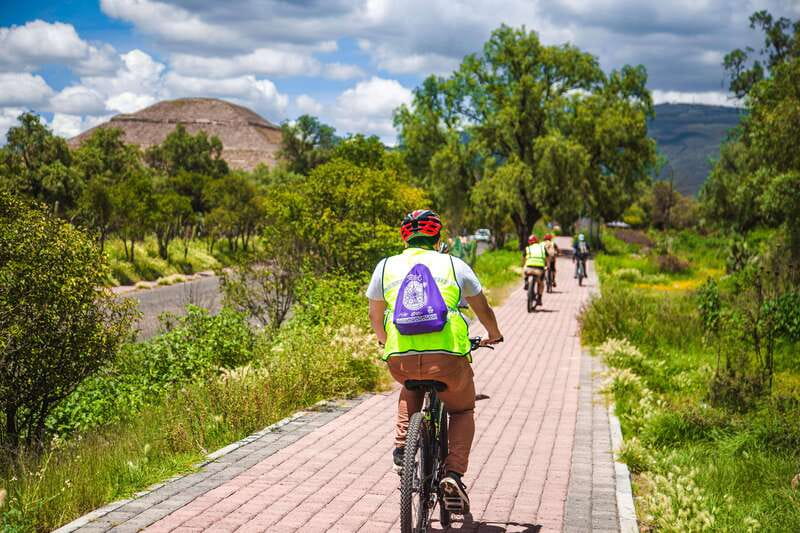
Two wheels make Teotihuacan feel close. This full-day tour mixes a guided walk down the Avenue of the Dead with time cycling through the Teotihuacán valley, so you see the pyramids from angles most day trips miss. I also like the human touch: a local guide tells the story with energy, and the day finishes with real local food in a restaurant instead of a rushed snack stop.
The only real drawback is the day is active and the bike ride is about 10 kilometers, so if you’re expecting a mostly sit-down monument visit, this probably isn’t your vibe.
In This Review
- Key highlights worth planning around
- From Mexico City to Teotihuacan: the van ride and your arrival window
- Walking the Avenue of the Dead: history you can actually see
- Teotihuacán en bici: why the 10-kilometer ride changes the whole day
- The valley stop in San Martín/San Juan Teotihuacán: village color and a slower rhythm
- The cave visit: guided talk plus a shift from stone to story
- The obsidian workshop and pulque taste: hands-on culture, not just shopping
- Lunch, snacks, and what you should expect to eat
- Price and value: is $109 a fair deal for this mix?
- Who should book this Teotihuacan bike and cave day
- Should you book Teotihuacan from Mexico City with this tour?
- FAQ
- What’s included in the Teotihuacan pyramids and bike tour?
- How long is the tour and when do you return to Mexico City?
- How long is the walking and biking?
- Is lunch included, and are drinks included?
- What languages are the guides?
- Is this tour suitable for people with heart conditions?
Key highlights worth planning around
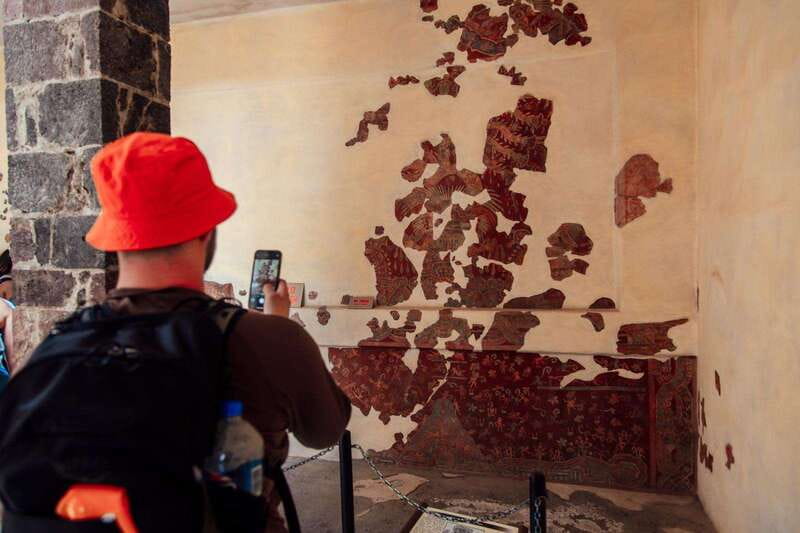
- Walk the Avenue of the Dead with a live guide and flexible time for questions and photos
- Bike about 10 kilometers with a safety briefing before you roll out
- Cave stop in the San Martín/San Juan Teotihuacán area, with a guided talk about ancient worldview
- Obsidian craft workshop, plus an opportunity to taste pulque (agave fermented sap)
- Small group capped at 15 people, which helps the pace feel manageable
- Pickup and drop-off from select neighborhoods in Mexico City, returning around 4:00 PM (traffic dependent)
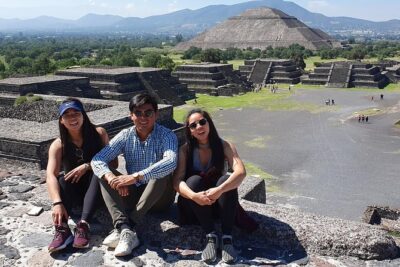
Other ways up the Pyramid of the Sun, compared
- Teotihuacan, Guadalupe Shrine & Tlatelolco Day Tour with Lunch
★ 5.0 · 11,603 reviews - Balloon flight + Breakfast in cave + Pyramids + Pick up CDMX.
★ 5.0 · 6,335 reviews - Teotihuacan pyramids morning or afternoon without tourist traps
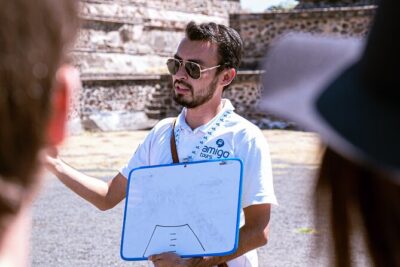
★ 5.0 · 6,186 reviews - Teotihuacan Early Access Guided Tour with optional Lunch
★ 4.5 · 6,138 reviews
From Mexico City to Teotihuacan: the van ride and your arrival window
The day starts with pickup from downtown and the surrounding neighborhoods of Colonia Centro, Condesa, Polanco, and la Roma (selected hotels). Your starting point is listed as 06400, and the tour also returns you to that area at the end. Expect about an hour by van each way, give or take, because traffic in the Mexico City region can change everything.
This matters because Teotihuacan can feel hot and crowded depending on timing. The tour builds in a structured flow: once you’re there, you don’t waste the first half of the day hunting for the right viewpoint or translating signage on your own. You’re guided into the big moments first, then you move into the valley by bike.
Bring the basics your day needs: comfortable shoes, sunglasses, and sunscreen. The tour is active, and you’ll be out long enough that skipping sun protection is just asking for a miserable finish.
Walking the Avenue of the Dead: history you can actually see
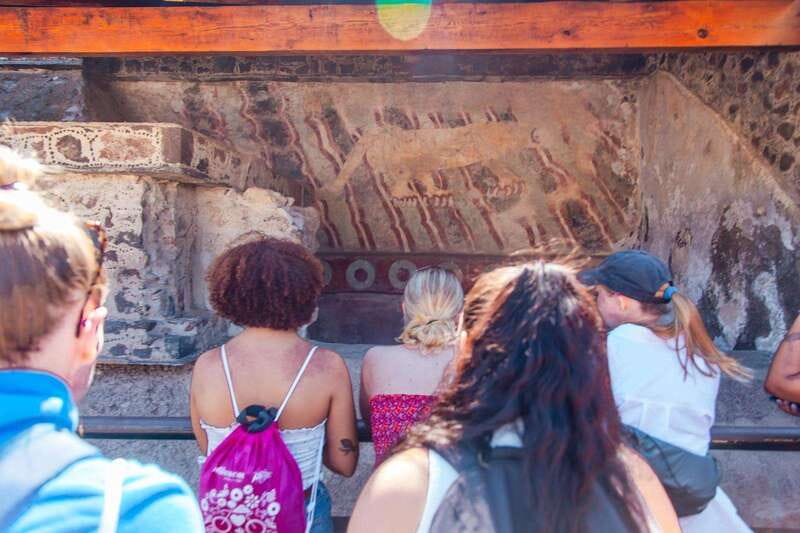
Your archaeological time begins with a walk down the mythical Avenue of the Dead, lined with the vestiges of what was once a major civilization in pre-Columbian Mesoamerica. Instead of treating Teotihuacan as only a photo-op, the guide explains what you’re looking at as you go, including how the pyramids connect to the city’s bigger story.
This is the part I like most: the walk gives you scale. From ground level, you can understand why the site feels monumental without needing a drone or a postcard. The guide’s job here is to help you translate what you see into something meaningful—why certain structures matter, and how the layout reads like a whole system, not random piles of stone.
There’s also some practical flexibility baked in. In the feedback you can tell guides aren’t rushing you through everything in a hard line. You can ask questions, take photos when there’s a good angle, and keep moving at a pace that feels human rather than conveyor-belt fast.
A quick name you might hear (depending on your guide assignment): several top experiences mention guides such as Miguel and Ramon, both praised for passionate explanations. If you get a guide with that kind of energy, your time on foot can feel like a guided conversation, not a lecture you survive.
Teotihuacán en bici: why the 10-kilometer ride changes the whole day
After the walking portion, you’re up and moving again with the bike tour. Before you ride, there’s a safety briefing (about 15 minutes). That briefing is important because it sets expectations for how the group moves together and what to watch for on the route.
The ride is about 10 kilometers. It’s not a casual spin around a park, but it also isn’t an endurance test. The value is what the bike unlocks: it’s the quickest way to get into the Teotihuacán valley’s open sightlines. You see the terrain as the ancients would have experienced it—valley edges, distances between landmarks, and that sense of the whole region being connected.
What’s especially worth your attention is the view timing. When you’re on foot inside a dense archaeological zone, your perspective is naturally constrained. On the bike, you can look wider, and suddenly the pyramids make more spatial sense. Even if you already know the basics, the valley perspective helps your brain join the dots.
Who should be cautious here: the tour is not recommended for people with heart conditions or other serious medical issues. Also plan for sun and dust exposure like you would on a full-day outdoorsy activity. If you’re comfortable biking at a moderate pace and you’ve got good shoes, this segment usually clicks.
More of the city from the saddle
- Mexico City: 19 City Highlights Bicycle Tour★ 5.0 · 425 reviews
- Mexico bike tour★ 5.0 · 407 reviews
- Mexico City: 19 City Highlights Bicycle Tour★ 5.0 · 302 reviews
- Mexico City E-Bike Tour with a taco and churros stop★ 5.0 · 292 reviews
- Mexico City; ART NACO : Murals & Street Art Bike Tour★ 5.0 · 284 reviews
The valley stop in San Martín/San Juan Teotihuacán: village color and a slower rhythm
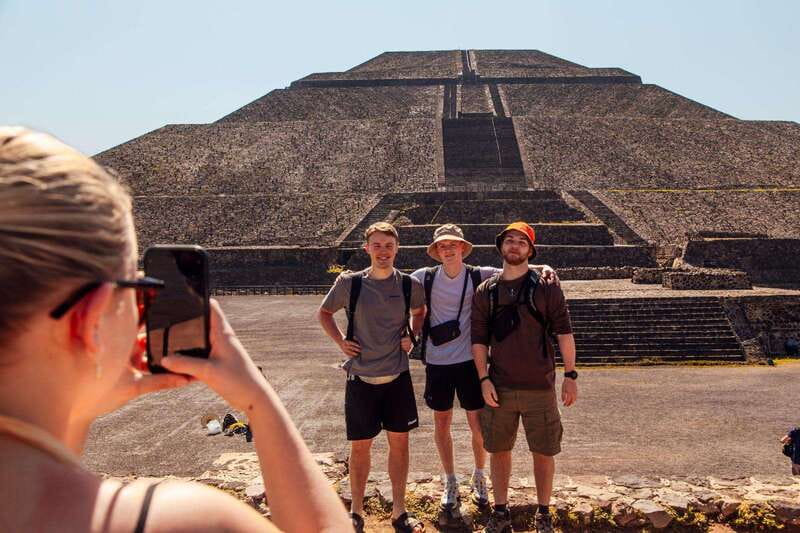
Next comes a stop in the magical town area of San Martín de las Pirámides (and you’ll also see San Juan Teotihuacán used for the day’s village timing). This part is a nice change of pace from pure ruins-and-stone mode.
You’ll get a guided visit time that includes shopping, plus a bike segment around the area. The practical point: this is where you start shifting from sightseeing to local texture—streets, shopfronts, and daily life that makes the region feel lived-in rather than staged for tourists.
From a travel-value angle, this also gives you something Teotihuacan-focused tours often skip: a sense of what people do today in the same broader landscape. The pyramids are the headline, but the village is the context.
One note for expectations: not everyone wants extra stops after the archaeology. If your dream day is mostly pyramid time with minimal detours, you might find the village portion a bit more than you bargained for. Still, it’s exactly what makes this tour feel like more than just a single monument visit.
The cave visit: guided talk plus a shift from stone to story
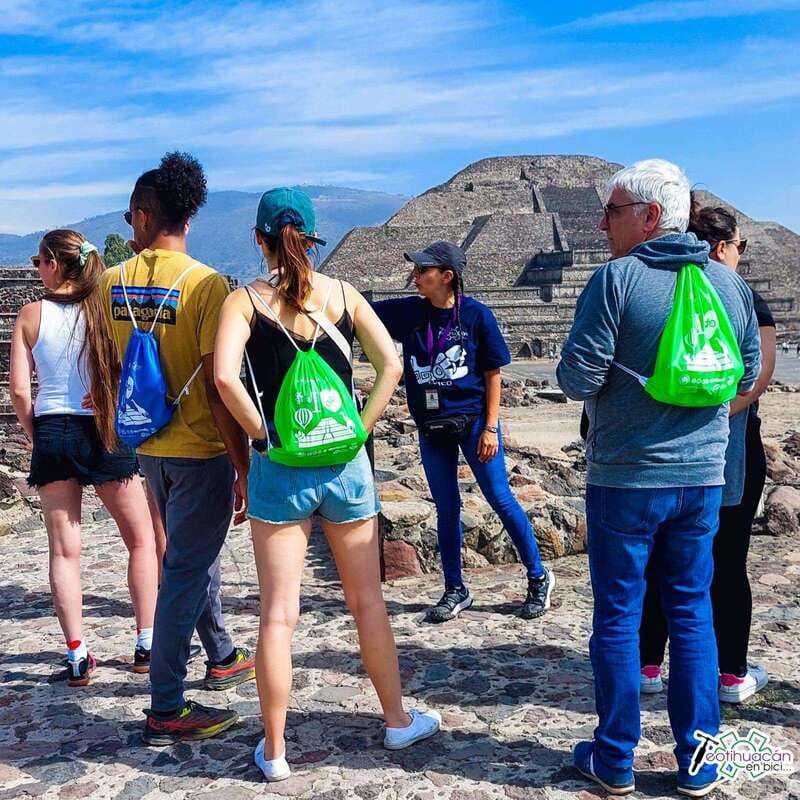
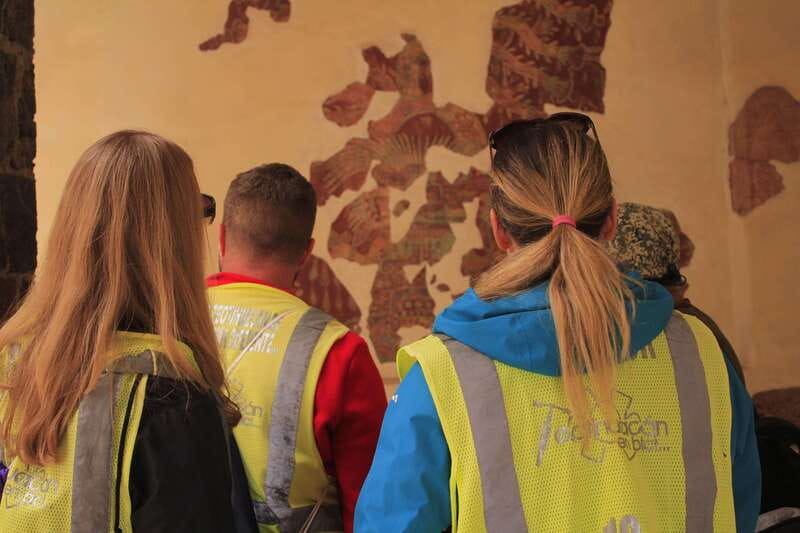
One of the more distinctive moments is the cave stop. Here, your guide talks about the importance of worldview in ancient culture. That may sound abstract, but in practice it tends to land better than you’d expect because you’re hearing it while you’re actually inside a space that changes your senses—echo, light, and a completely different physical feel than open plaza archaeology.
This is where good guiding really matters. Teotihuacan is famous, but explanations can become generic if the guide sticks only to dates and names. A cave visit gives the guide a chance to connect ideas to place. Even if you’re not a history buff, you’ll likely appreciate how the narrative shifts from outward structures to inward meanings.
Practical advice: treat the cave time like a real transit moment. Wear comfortable shoes (you’ll already have them on), and keep sunglasses handy for after, since the light will change. No special gear is listed, so focus on what you already have and keep your pace steady.
The obsidian workshop and pulque taste: hands-on culture, not just shopping
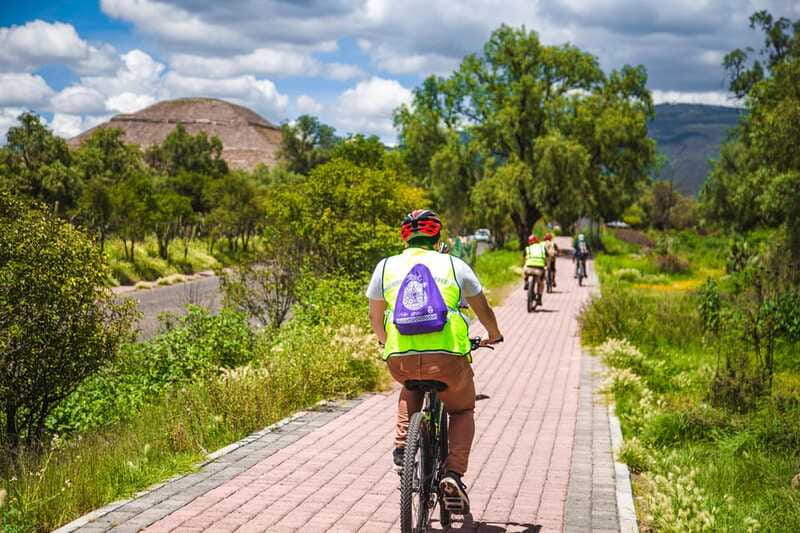
After the cave, you’ll visit a craft workshop tied to precious stones, including obsidian. This is a highlight for many people because it’s visual and tactile—there’s an actual craft process to watch, not just a sales pitch in a store.
Obsidian has a special place in Mesoamerican craft history, and the workshop format is a good way to see why it mattered. You’re not just hearing that it was important; you’re seeing the material and learning about how it’s worked.
Then comes the chance to taste pulque, described as a traditional Mexican alcoholic drink made from fermented agave sap. The tour includes this as an opportunity during the workshop segment. What’s not included is alcohol with lunch. So if you skip alcohol earlier, plan on tasting only when it’s offered as part of the program.
Even if you’re not a big drinker, I’d treat pulque as a cultural moment rather than a party stop. You can usually try it in small amounts, and it’s one more way the tour anchors Teotihuacan in everyday traditions beyond the ruins.
Lunch, snacks, and what you should expect to eat
Your day ends with lunch (plus snacks) after the main sightseeing segments. Lunch is listed as included, but drinks are not. That means you should plan on either drinking water on your own or paying separately if you want something else with your meal.
From a timing perspective, lunch is slotted as about an hour, which is helpful because you’ll have bike and walk time behind you. This isn’t a quick grab-and-go while you keep moving. You get a real break.
What’s practical for your stomach: bring a normal appetite. This is a full day—pickup, van ride, walk, bike, cave, workshop, then lunch. If you’re the kind of person who gets hangry on active tours, you’ll be happy lunch is built into the schedule and not left for later.
Price and value: is $109 a fair deal for this mix?
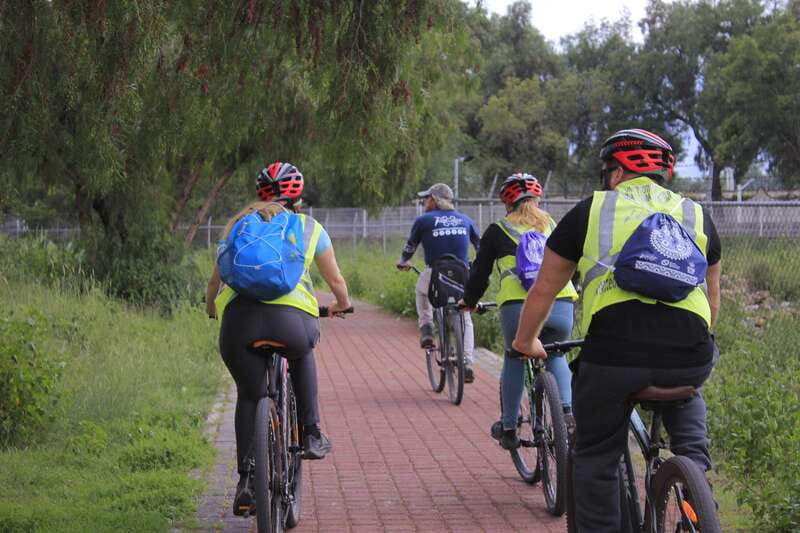
At $109 per person for an 8-hour day, you’re paying for a structured full-day experience that includes more than just a guide at the pyramids.
Here’s what your money covers based on the inclusions:
- Entrance fees to the archaeological site
- Local guide
- Bicycle rental
- Lunch
- Snacks
- Hotel pickup/drop-off in select Mexico City neighborhoods
What’s not included is drinks (including alcoholic drinks), plus there are stops with optional purchases at the village and craft area.
So the value question becomes: do you want a full package, or do you prefer to piece it together yourself? If you’d rather not coordinate entrance fees, bike rental, and a day timeline from scratch, this price starts to make sense fast. Also, the small group size (15 participants) helps keep the day from feeling chaotic, which is where cheaper tours can disappoint.
If you only care about the pyramid walk and you’re comfortable taking a taxi or bus on your own, you might find you can do Teotihuacan cheaper. But once you factor in the bike time, cave visit, and the obsidian workshop with a chance to taste pulque, the $109 looks like it’s buying experiences, not just convenience.
Who should book this Teotihuacan bike and cave day
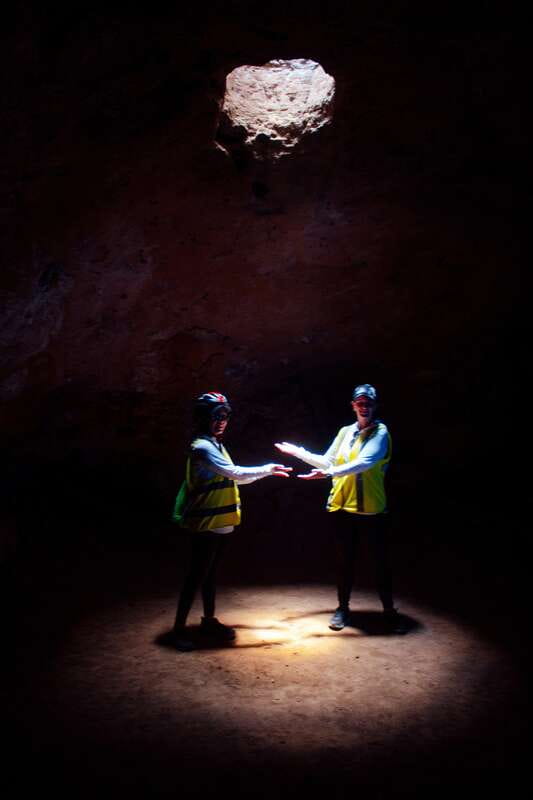
This tour suits you best if you want Teotihuacan in three modes, not one:
- You like guides who explain as you walk through sites
- You enjoy active travel, especially a moderate bike ride
- You’re curious about the area beyond the pyramids—village life, craft work, and a cave stop with cultural meaning
It’s also a smart fit for first-timers. If Teotihuacan is your major “must-see” while in Mexico City, this kind of day helps you avoid the classic problem of seeing only what’s easiest to photograph.
Who should think twice:
- People with heart conditions or serious medical issues, since the bike component and activity level make it not recommended
- Anyone expecting a mostly relaxed day, because you will be walking for about 2.5 hours and biking about 10 kilometers
Families: children can go, but they must be accompanied by an adult. Pets are not allowed, and unaccompanied minors aren’t permitted.
Should you book Teotihuacan from Mexico City with this tour?
My take: book it if you want a Teotihuacan day that feels like it has shape. The best version of this tour is the one that pairs a guided archaeological walk with a valley bike ride, then adds a cave and a hands-on craft stop. That mix is what turns famous ruins into a broader regional experience.
Skip it if your ideal day is strictly pyramids, minimal walking, and no extra cultural stops. The tour is built as a full sampler of the area, not a single-focus pyramid sprint.
One more decision tip before you commit: think about what you’ll remember. If you want memories that go beyond photos—like a guide’s explanations, a cave moment, and seeing obsidian craft work up close—this day is likely a win. If you’d rather spend your time only where it’s most iconic, you may feel the later segments are too much.
FAQ
What’s included in the Teotihuacan pyramids and bike tour?
Entrance fees to the archaeological site, lunch, snacks, a local guide, bicycle rental, and hotel pickup and drop-off from selected hotels in Colonia Centro, Condesa, Polanco, and la Roma are included.
How long is the tour and when do you return to Mexico City?
The duration is 8 hours. You return to the 06400 area at approximately 4:00 PM, depending on traffic.
How long is the walking and biking?
You’ll walk the archaeological zone for about 2.5 hours. The bike ride is approximately 10 kilometers.
Is lunch included, and are drinks included?
Lunch is included. Drinks are not included, including alcoholic drinks, which can be purchased.
What languages are the guides?
The live guide is offered in English and Spanish.
Is this tour suitable for people with heart conditions?
No. The tour is not recommended for participants with heart conditions or other serious medical conditions, and it is not suitable for people with heart problems.
More Tour Reviews in Mexico City



Mexico City from the Saddle



Back to Teotihuacan: More Pyramid Days

Fresh from our Mexico City notebook

Teotihuacan Pyramids Tours, compared.
 ★ 5.0Teotihuacan, Guadalupe Shrine & Tlatelolco Day Tour with LunchFrom $3911,603 reviews
 ★ 5.0Balloon flight + Breakfast in cave + Pyramids + Pick up CDMX.From $1726,335 reviews
 ★ 5.0Teotihuacan pyramids morning or afternoon without tourist trapsFrom $646,186 reviews
 ★ 4.5Teotihuacan Early Access Guided Tour with optional LunchFrom $396,138 reviews
 ★ 5.0Balloon flight + pick up in CDMX + Breakfast in Cave + PyramidsFrom $1695,651 reviews
 ★ 5.0Balloon Flight + Cave Breakfast + Pick Up from CDMX or We FlyFrom $1664,410 reviews
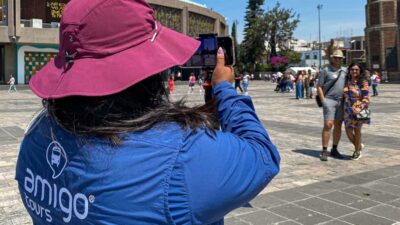 ★ 4.6Teotihuacan, Tlatelolco & Guadalupe Shrine TourFrom $493,773 reviews
 ★ 5.0Teotihuacan Hot Air Balloon Flight from Mexico City / VolareFrom $1553,262 reviews
Browse the lists this tour appears in