
REVIEW · TEOTIHUACAN PYRAMIDS TOURS
Eat in a local house & access to restricted areas in Teotihuacan
Teotihuacan tastes better with a local home meal. I like two things most: restricted-area access with an expert guide, and Erica’s lunch built from pre-Hispanic and colonial flavors. The only real catch is you start early (either 8:00 am or 8:30 am), and the day moves at a set pace.
You’ll meet at a café in Mexico City, grab a specialty brewed coffee, then ride in an air-conditioned vehicle out to the ruins. With a maximum of 12 people, the experience stays personal instead of feeling like a bus tour in disguise.
You also get practical perks: pickup options, a mobile ticket, and English-speaking guidance. It’s not just pyramids and photos; it’s an explanation you can carry with you while you walk.
In This Review
- Key things to know before you go
- The morning setup: coffee, pickup, and a smooth ride out of Mexico City
- Entering Teotihuacan’s restricted mural-art temple area
- How the four construction stages (100 B.C. to 650 A.D.) make the pyramids make sense
- The road lesson: Indios Verdes, Ecatepec, and hanging cable cars
- Erica’s home lunch: quesadillas, mole, and a pre-Hispanic dessert
- Dietary fit: vegans, vegetarians, and celiac-friendly options
- Price and value: why $90 feels fair for this mix
- Who should book this Teotihuacan experience (and who might skip it)
- Should you book this tour?
- FAQ
- What time does the tour start?
- Is pickup included?
- How long is the whole tour?
- Is coffee included?
- Do you visit any restricted areas at Teotihuacan?
- Is lunch included, and can it fit dietary needs?
- What is the cancellation policy?
- FAQ
- Is the tour in English?
- How big is the group?
- Are service animals allowed?
- What’s the price per person?
- Will I get a mobile ticket?
- What are the main parts of the itinerary?
Key things to know before you go
- Coffee at the start at either Almanegra café (Roma Norte) or 1401 café (Col Juárez)
- Small group (max 12) for easier listening and better flow through Teotihuacan
- Restricted-area access to a temple linked to ancient mural art study
- INAH investigation context around the mural-art area you’ll visit
- A home lunch in Erica’s house, with options suitable for vegetarians, vegans, and celiac disease
- You’ll learn the city in stages, from 100 B.C. to 650 A.D.
Other ways up the Pyramid of the Sun, compared
- Teotihuacan, Guadalupe Shrine & Tlatelolco Day Tour with Lunch
★ 5.0 · 11,603 reviews - Balloon flight + Breakfast in cave + Pyramids + Pick up CDMX.
★ 5.0 · 6,335 reviews - Teotihuacan pyramids morning or afternoon without tourist traps
★ 5.0 · 6,186 reviews - Teotihuacan Early Access Guided Tour with optional Lunch
★ 4.5 · 6,138 reviews
The morning setup: coffee, pickup, and a smooth ride out of Mexico City
This tour is built to start gently, then get very focused. You choose between two morning meeting points, both with coffee included: Almanegra café in Roma Norte at 8:00 am or 1401 café in Col Juárez at 8:30 am. If you like an easy first half-hour—coffee, check-in, getting oriented—this works well.
After that, you’re on the road in an air-conditioned vehicle. The total tour time is around 6 hours, and Teotihuacan itself is visited for about an hour, so you’re not stuck all day on the bus with nothing happening.
One detail I really appreciate: it’s structured, not chaotic. You know what happens next, and the guide uses that momentum to teach you as you travel—especially on the way toward the ruins.
Entering Teotihuacan’s restricted mural-art temple area
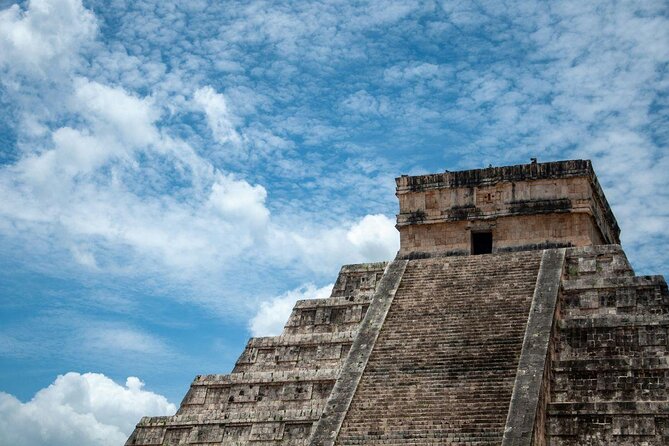
Teotihuacan can feel overwhelming at first—huge, ancient, and busy with sightseers. What makes this tour feel different is that you don’t just walk the standard public paths. You get exclusive access to a temple connected with the ancient masters of mural art, an area under investigation by INAH.
That matters because it frames what you’re seeing. The stop isn’t only about standing near stones; it’s about understanding the space as part of an art-training environment. The tour explains that it was once used as an art study and exploration site, including techniques like cochineal painting.
If you care about how cultures created art, studied materials, and passed along methods, this is the moment that clicks. Instead of treating murals as something that happened somewhere else, you learn that the setting itself was part of the process.
Practical note: because it’s an access-focused stop, you may need to follow the guide’s instructions closely and stay within the area boundaries. That’s normal for restricted sites and is exactly why this experience is more than a general walkthrough.
How the four construction stages (100 B.C. to 650 A.D.) make the pyramids make sense
The guide walks you through Teotihuacan’s growth in four construction stages, spanning 100 B.C. to 650 A.D. That time range is huge, but the tour makes it manageable by treating Teotihuacan like a living city that changed over centuries.
What I like about this approach is that it helps you see cause-and-effect. You start to notice that structures aren’t just random monuments; they’re tied to expanding community life and shifting priorities. The tour connects the city’s cultural and commercial significance to the way it was built and rebuilt.
This is also where having an English guide helps. You don’t have to guess what to look for. You can focus on details the guide points out—how the stages relate to the overall layout and why certain areas held importance.
Since Teotihuacan is visited for about an hour, you’re not expected to become an archaeologist. You’re meant to leave with a clear story: Teotihuacan grew in chapters, and you just got shown the plot.
Worth a look right beside this Mexico City pick:
- Colonia Roma Food Tour★ 5.0 · 838 reviews
- Mexico City Historical Centre Food Tour with 7 Authentic Tastings★ 5.0 · 723 reviews
- Mexico City Boat Tour Food and Unlimited Drinks Priority Boarding★ 5.0 · 653 reviews
- Mexican Cooking Class with Food Market Visit in Mexico City★ 5.0 · 506 reviews
- Street Food Tour with Friends★ 5.0 · 326 reviews
The road lesson: Indios Verdes, Ecatepec, and hanging cable cars
You’ll spend about an hour at Teotihuacan, but the tour doesn’t cut off learning the moment you leave the van. En route, the guide shares insights into the social dynamics across districts such as Indios Verdes and Ecatepec.
Then comes the modern contrast: the tour talks about government initiatives aimed at improving connectivity to the city, including hanging cable cars. For me, this is one of those small touches that makes the trip feel grounded in today, not frozen in the past.
Even if you don’t speak local politics, it gives you a frame for how Mexico City and nearby areas function now. You get a better sense of place—what the region is doing in real time—while still heading to an ancient site.
It’s a good reminder that travel is both directions: you’re looking back at Teotihuacan, but you’re also seeing the living city around it.
Erica’s home lunch: quesadillas, mole, and a pre-Hispanic dessert

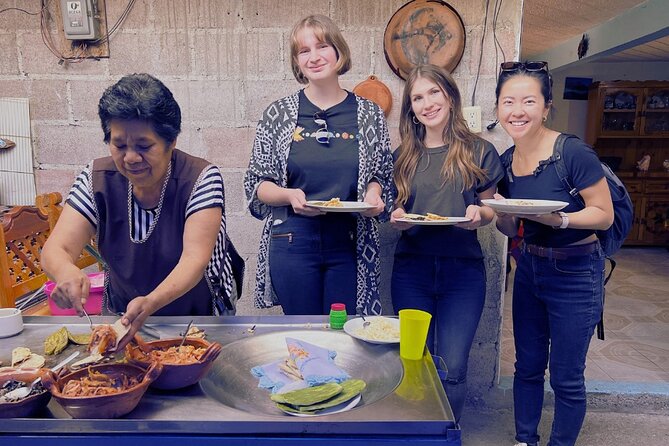
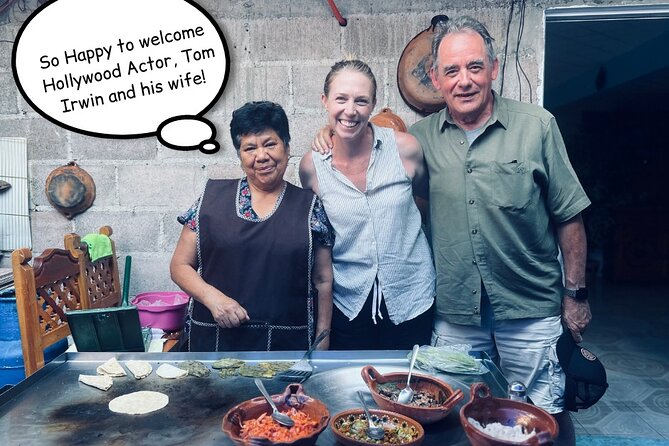
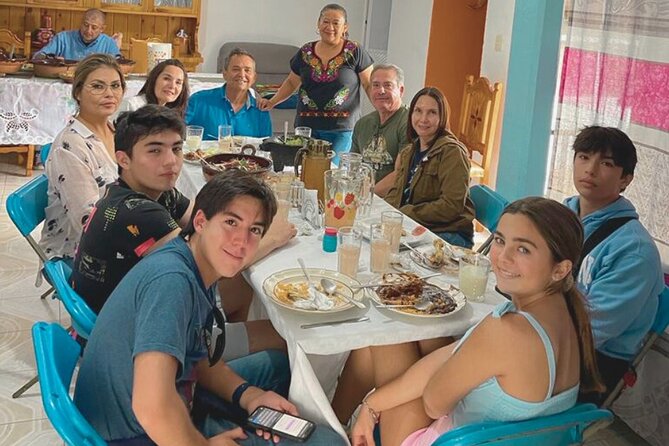
After Teotihuacan, you take a short ten-minute drive to Erica’s home for lunch. This is the heart of why many people book this tour, because it turns archaeology into something human: food, hospitality, and everyday culture.
The menu is built around both familiar comfort and adventurous ingredients. You’ll start with homemade quesadillas, including options like Oaxacan cheese, huitlacoche, mushrooms, and nopal (cactus). If you like food that tastes like it has a story—corn traditions, local flavors—this starter sets the tone fast.
Then comes what the lunch calls the best mole ever: chicken with mole, plus guacamole. The tour also includes dishes featuring grasshoppers, maguey worms, and pork rinds in green sauce, along with rice and beans.
Yes, that’s an intense spread. If you’re the kind of person who normally orders it safe, you might feel cautious at first. But if you’re open to tasting how indigenous and colonial influences blend in everyday meals, it’s memorable in a very practical way: you get to taste the ideas, not just hear about them.
Dessert finishes with a pre-Hispanic dessert: xoconostle fruit with cinnamon. That’s the kind of ending I like because it doesn’t just mean sugar—it’s tied to regional ingredients.
Dietary fit: vegans, vegetarians, and celiac-friendly options
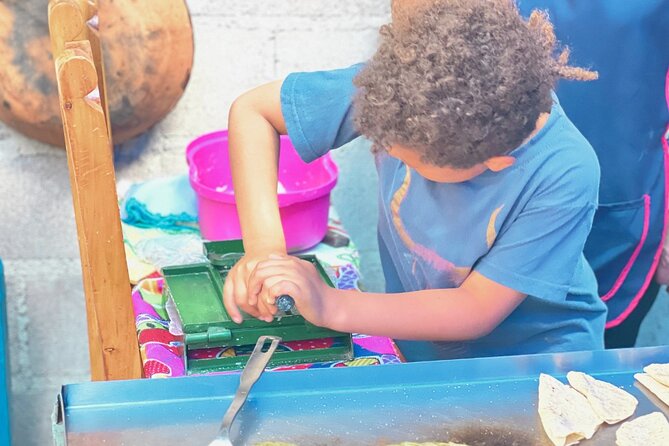
One of the most useful parts of this tour is that lunch is described as suitable for vegetarians, vegans, or people with celiac disease. That means you aren’t locked into a single meat-based set menu with no alternatives.
I recommend you think about this as planning value. Since Teotihuacan time is limited (about an hour), you don’t want the lunch stop to become stressful. A tour that explicitly supports different dietary needs helps you relax and enjoy the meal without spending the day worrying.
You should also expect that the flavors come from real local ingredients like nopal, huitlacoche, and xoconostle—not plain “international” substitutes. Even when the menu adapts, the goal is still Mexican and rooted in technique.
Price and value: why $90 feels fair for this mix
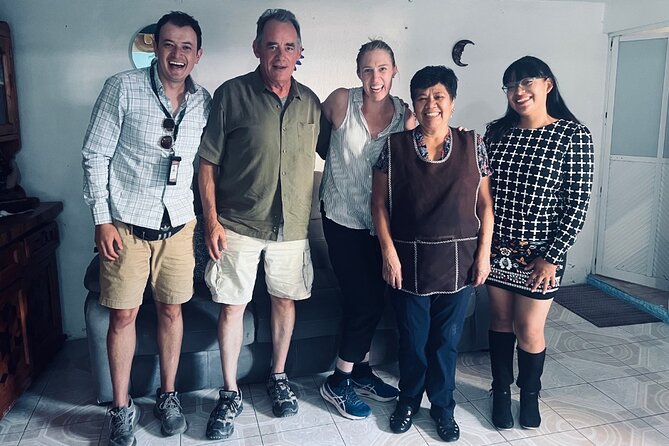
At $90 per person, this tour isn’t the cheapest way to see Teotihuacan. But it also isn’t only an entry-ticket-plus-a-walk deal.
Your price is covering several things that add up quickly if you do them separately:
- Air-conditioned transport from Mexico City
- A guide who explains Teotihuacan’s stages and leads you through the experience
- Special access to the restricted mural-art temple area
- Coffee included at the start
- A home-cooked lunch in Erica’s house with pre-Hispanic and colonial ingredients
- A small group cap of 12, which usually means less waiting and more interaction
If you compare that to booking Teotihuacan transport and a regular guided visit on their own, the lunch + restricted access is the value lever. It’s where your extra spend turns into something more intimate and harder to replicate.
Who should book this Teotihuacan experience (and who might skip it)
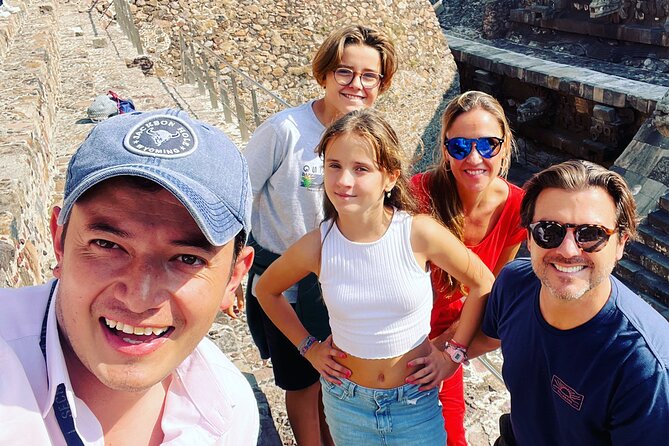
This tour fits best if you want more than skyline photos. I’d book it if you like guided interpretation, care about art history context (the mural-art study area and INAH investigation), and you genuinely want to experience Mexican food in a local home setting.
It can also work well for people who need dietary options, since the lunch is stated as suitable for vegetarians, vegans, and celiac disease.
I’d think twice if you prefer ultra-low-intensity tasting. The meal includes items like grasshoppers and maguey worms, along with pork rinds in green sauce. You don’t have to eat everything in a heavy-handed way, but the menu clearly leans adventurous, and that’s part of the authenticity.
It’s a strong choice for culture-focused day-trippers who like structure: start with coffee, learn on the drive, visit the site with guidance, then eat where locals actually cook.
Should you book this tour?
If you want Teotihuacan plus the human layer—food you can taste and a restricted access stop tied to mural-art study—this is the kind of booking that usually pays off. The combo of restricted temple access, a guide-led explanation of construction stages, and a local home lunch at Erica’s house is a rare three-part package.
Book it if your schedule allows the early start and you’re happy with a set, guided flow. Skip it if your priority is maximum time roaming Teotihuacan on your own, because the ruins portion is about an hour and the day is designed to stay tightly organized.
FAQ
What time does the tour start?
There are two start times: 8:00 am from Almanegra café in Roma Norte, or 8:30 am from 1401 café in Col Juárez.
Is pickup included?
Pickup is offered, with the meeting points at the two morning cafés listed above.
How long is the whole tour?
The experience lasts about 6 hours total.
Is coffee included?
Yes. Specialty brewed coffee is included at the morning meeting points.
Do you visit any restricted areas at Teotihuacan?
Yes. The tour includes exclusive access to The temple of the ancient masters of mural art, an area under investigation by INAH.
Is lunch included, and can it fit dietary needs?
Lunch is included at Erica’s home, and it’s described as suitable for vegetarians, vegans, or people with celiac disease.
What is the cancellation policy?
Free cancellation is available. You can cancel up to 24 hours in advance for a full refund.
FAQ
Is the tour in English?
Yes, the tour is offered in English.
How big is the group?
The tour has a maximum of 12 travelers.
Are service animals allowed?
Yes, service animals are allowed.
What’s the price per person?
The price is $90.00 per person.
Will I get a mobile ticket?
Yes, a mobile ticket is included.
What are the main parts of the itinerary?
You’ll visit Teotihuacan with a guide, then drive to Erica’s home for lunch, and return to Mexico City.
More Good Plates in Mexico City






More Tour Reviews in Mexico City



Back to Teotihuacan: More Pyramid Days

Fresh from our Mexico City notebook

Teotihuacan Pyramids Tours, compared.
 ★ 5.0Teotihuacan, Guadalupe Shrine & Tlatelolco Day Tour with LunchFrom $3911,603 reviews
 ★ 5.0Balloon flight + Breakfast in cave + Pyramids + Pick up CDMX.From $1726,335 reviews
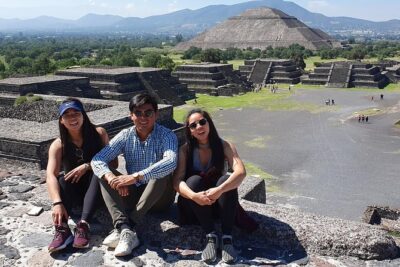 ★ 5.0Teotihuacan pyramids morning or afternoon without tourist trapsFrom $646,186 reviews
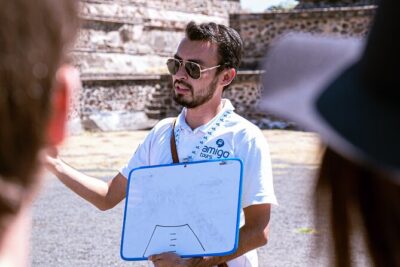 ★ 4.5Teotihuacan Early Access Guided Tour with optional LunchFrom $396,138 reviews
 ★ 5.0Balloon flight + pick up in CDMX + Breakfast in Cave + PyramidsFrom $1695,651 reviews
 ★ 5.0Balloon Flight + Cave Breakfast + Pick Up from CDMX or We FlyFrom $1664,410 reviews
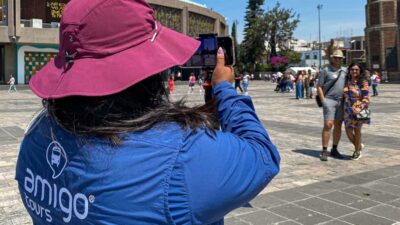 ★ 4.6Teotihuacan, Tlatelolco & Guadalupe Shrine TourFrom $493,773 reviews
 ★ 5.0Teotihuacan Hot Air Balloon Flight from Mexico City / VolareFrom $1553,262 reviews
Browse the lists this tour appears in