REVIEW · MEXICO CITY MUSEUMS & GALLERIES
Bean to Beverage: Roast and grind cacao into chocolate
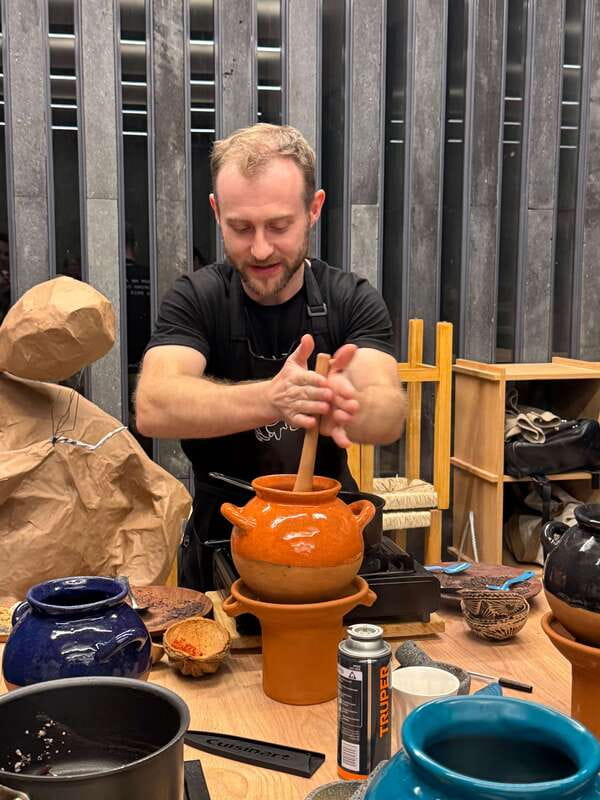
Hot chocolate starts as roasted cacao. In this bean-to-beverage workshop in Condesa, I love that you roast and grind cacao yourself, turning a bag of beans into something you can actually drink. You’ll also connect that hands-on process to how cacao was valued by the Maya and Aztecs.
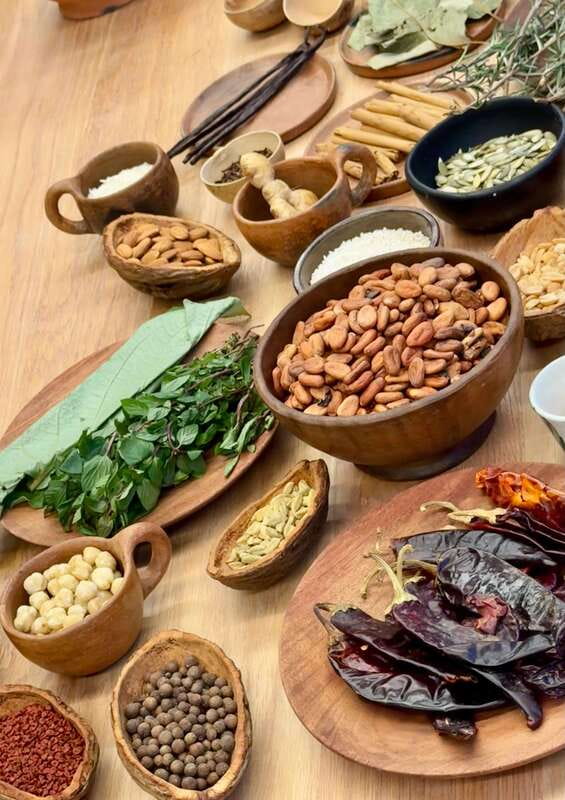
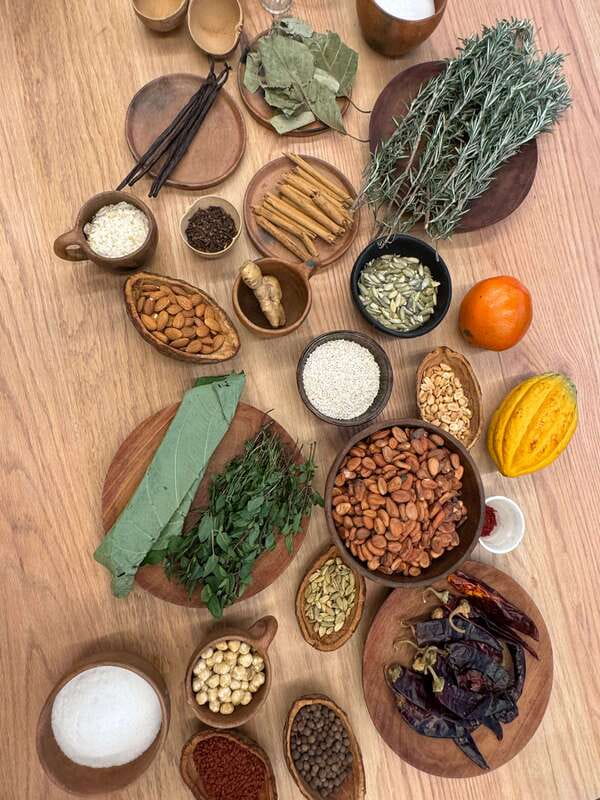
I also like the creative part: you get to build multiple hot chocolate variations using traditional Mesoamerican ingredients such as chile, achiote, and avocado leaf, with a guide named Jim who encourages you to mix and match. It’s not just theory. It’s flavored practice.
One consideration: the class is in a home with no elevator, so you’ll want to plan around stairs for anyone using a wheelchair.
In This Review
- Key things you’ll notice right away
- Condesa at home: what this 3-hour chocolate workshop really feels like
- From cacao bean to hot chocolate: roasting and grinding the metate way
- Mayan and Aztec cacao history you can actually use
- Building your drinks: chile, achiote, avocado leaf, and your own combos
- Price and value at $115: what you’re paying for
- Accessibility, allergies, and dietary needs: practical heads-ups before you go
- Who should book this hot chocolate workshop in the State of Mexico
- Should you book Bean to Beverage in Condesa?
- FAQ
- How long is the Bean to Beverage workshop?
- What’s included in the class?
- Is this class private or shared?
- What languages does the instructor speak?
- Is the workshop accessible for wheelchair users?
- Can dietary needs be accommodated, including Kosher?
Key things you’ll notice right away
- You start with roasted cacao and end with drinks you assemble yourself
- Grinding on a metate keeps the lesson hands-on, not just talk
- Mesoamerican ingredients drive the flavor (chile, achiote, avocado leaf, and more)
- Six drink samples means you’re tasting through different directions, not just one
- Jim’s approach fits families and keeps the pace friendly for kids and adults alike
- Relaxed home setting in Condesa makes it feel more personal than a big studio class
More galleries and rooftops worth the ticket
- CDMX: Xochimilco, Coyoacan, Frida Kahlo Museum & Murals Tour
★ 4.4 · 3,025 reviews - Chapultepec Castle & Anthropology Museum Tour
★ 4.5 · 1,348 reviews - Frida Kahlo VIP [Museum Tickets Included] Bike, Markets & Churros
★ 5.0 · 1,072 reviews - Anthropology Museum Guided Tour
★ 4.5 · 1,035 reviews
Condesa at home: what this 3-hour chocolate workshop really feels like
This is a hot chocolate making workshop with a simple promise: start at the cacao bean and end with your own cup. It runs about 3 hours, and it takes place at a chef/guide’s Condesa home, which shapes the whole vibe. You’re not in a commercial classroom where everything is prepped and you just watch. You’re in a real house, apron on, tools out, and the day moves at a human pace.
For me, that matters because cacao is one of those foods where the process is the story. When you roast beans, grind them, and brew a drink from scratch, you stop thinking of chocolate as a generic sweet. You start tasting the differences between roasted cacao, grinding texture, and the way spices change the finish.
You can also expect private or small groups, which helps if you want hands-on time and clearer instruction. The workshop is led by an instructor who speaks English and Spanish, so you can follow along even if your Spanish is basic and you’re still learning.
One small practical thing to plan for: your meeting point can vary depending on the option booked, so you’ll want to follow the meeting details you receive after booking.
From cacao bean to hot chocolate: roasting and grinding the metate way
The core of the experience is the bean-to-beverage workflow, and the workshop teaches it in a very direct way. First comes the history and context, then you move into the practical steps: roasting and grinding your own cacao.
The standout tool is the metate, a stone surface used across Mesoamerica for grinding ingredients by hand. Working with it changes how you understand cacao. Powder is one thing. Ground cacao has texture, friction, and aroma that you can feel building as you work. That’s the point. It makes the flavor journey tangible.
You’ll get good at the basics through repetition, because the goal isn’t just to make one cup. You’re preparing a range of drinks (you’ll make six different hot chocolate drinks), which means the grinding and brewing steps you learn are useful multiple times. Think of it like cooking practice, not a one-off demo.
There’s also a logic to the flow. Once you’ve roasted cacao, you can smell the transformation right away. Once it’s ground, you can see how the texture affects the beverage. Then, when you start adding other ingredients, you can tell what those additions are doing because you have the starting point in your hands.
If you like food classes where you go home knowing how to recreate something, this part is the engine. You don’t just taste. You learn a sequence.
Mayan and Aztec cacao history you can actually use
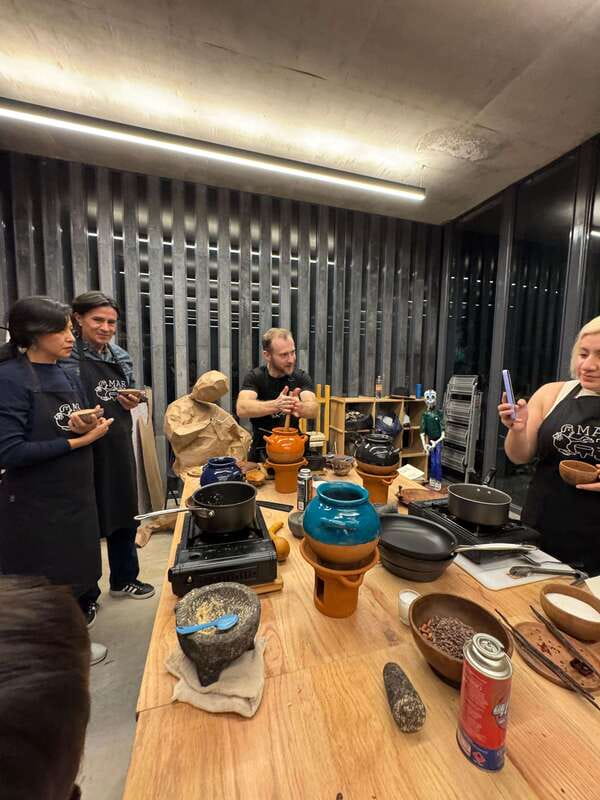
The workshop doesn’t treat history like wallpaper. It connects cacao’s importance in the pre-Hispanic Maya world and the Aztec tradition of drinking chocolate to what you’re doing step by step. You learn why cacao wasn’t simply a sweet treat, but a prized ingredient with cultural weight.
That context matters when you’re choosing flavors. If you understand cacao as a foundation that’s meant to be balanced—bitter, warming, and then adjusted with spices—you don’t end up thinking of the drink as either chocolate or not. You start tasting it like a spice-forward beverage.
The way this is taught tends to stick because it’s tied to action. You hear the story, then you roast and grind. You learn how traditional hot chocolate was enriched, then you actually enrich your cup. When you add ingredients that are described as ancient or traditional—like chile, achiote, or avocado leaf—you’re not guessing blindly. You’re building something that fits the theme.
And if you’re traveling with different age groups, this kind of structured history often works better than long lectures. It gives kids something to do while still letting adults feel the cultural meaning.
Worth a look right beside this Mexico City pick:
- Mexico City: MUCHO Museum of Chocolate Entrance Ticket★ 4.6 · 91 reviews
- Cacao Chronicles: A Mexican Chocolate Tasting★ 5.0 · 14 reviews
- Magic Teotihuacan and Chocolate★ 5.0 · 4 reviews
Building your drinks: chile, achiote, avocado leaf, and your own combos
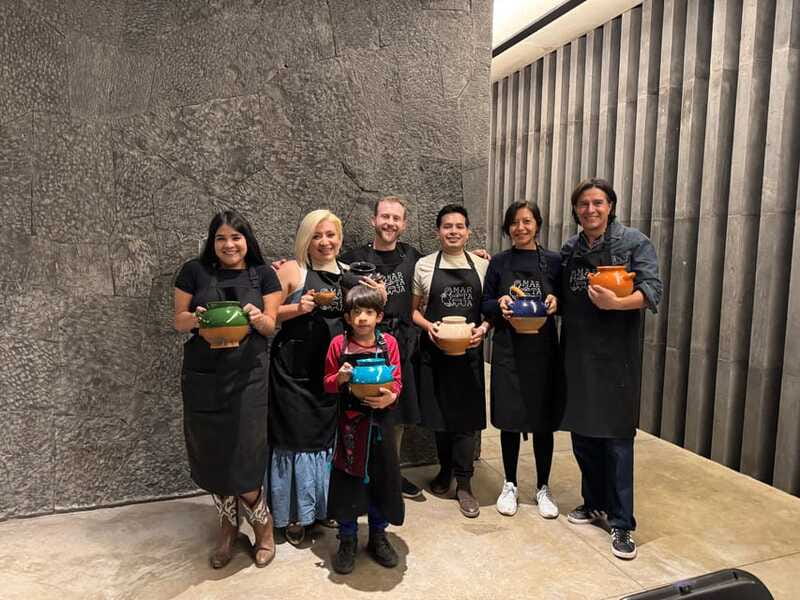
Once the cacao is roasted and ground, the workshop turns into a flavor lab. You’ll create multiple hot chocolate variations using a set of Mesoamerican ingredients. The ingredient list highlighted in the workshop includes chile, achiote, and avocado leaf, and you’ll have the chance to be creative with combinations.
Here’s why this part is so satisfying: hot chocolate can become boring if it’s always the same sweet profile. Adding chile changes the heat and length. Achiote brings an earthy, almost peppery-buttery tone. Avocado leaf can push a herbal depth that doesn’t taste like a typical dessert herb—more like a background layer you notice after you swallow.
Jim’s role, as described by past participants, is to keep the activity playful while staying grounded in tradition. He encourages creativity in how you combine ingredients. That’s important because it makes you stop following instructions blindly and start tasting decisions.
You’ll make six different drinks, and that variety is a huge value. Instead of paying for one cup and a quick taste of something else, you walk through different flavor directions. It’s like getting a tasting flight, except you’re the one mixing the ingredients.
And yes, you get to enjoy your creations at a table laid with artisanal serveware, plus a dessert to go with your beverage. That finish matters, because cacao drinks work best when you slow down and let the flavors settle.
Price and value at $115: what you’re paying for
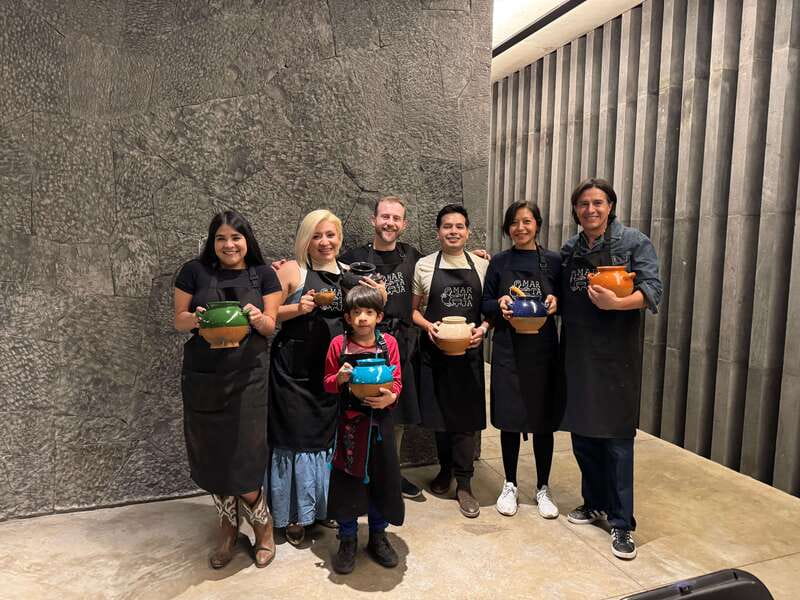
At $115 per person, the workshop isn’t the cheapest thing on the menu. But it’s also not overpriced for what you actually do. You’re paying for:
- Hands-on grinding with traditional equipment (metate work isn’t a fast shortcut)
- Roasting and brewing multiple drinks, not just sampling
- Ingredients provided for six hot chocolate drinks
- A dessert pairing included
- An instructor who teaches in English and Spanish
- A relaxed Condesa home setting with private or small-group options
If you’ve done food tours that feel more like a walkthrough, this is the opposite. The value here comes from labor and learning. You’re creating the product repeatedly, so the class feels like practice you can carry home.
Also, the time helps. Three hours is long enough to learn the steps and taste differences, but short enough to fit into a travel schedule without wrecking your whole day.
One thing to keep in mind: the experience provider is Martaja, and some people may find different pricing by booking directly through the provider website. If you’re watching your budget, it’s smart to compare before you lock in.
Accessibility, allergies, and dietary needs: practical heads-ups before you go
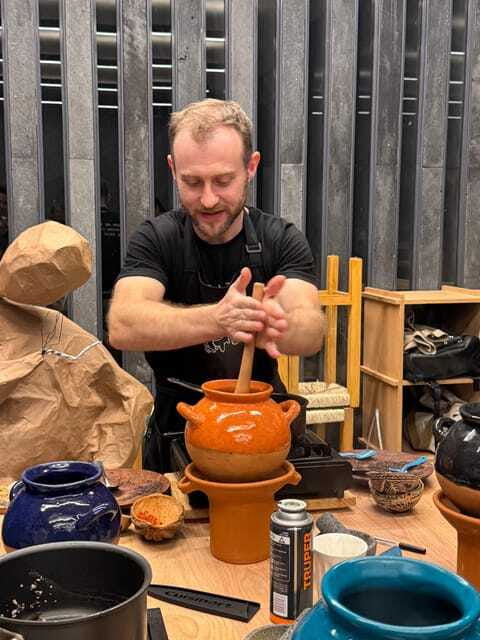
This workshop can work for many people, but you should check a few details.
Wheelchair note: wheelchair users have enjoyed the class before, but the building has no elevator. So the practical issue is stairs and movement inside the home. If you’re bringing someone with mobility needs, plan around that physical reality.
Allergies and pets: the class notes that allergy sufferers are kept out of the cooking area and that allergy pills are available for guests who need them. Still, there are two cats in the house. If you’re sensitive to pet dander, don’t treat this as a minor detail.
Dietary requirements: after booking, you’ll likely get an email asking about dietary needs. The information says most dietary restrictions can be accommodated, but strict Kosher is not possible. If you follow strict rules, check early so you’re not surprised.
This stuff affects comfort more than people expect. The food and culture are the main event, but you’ll enjoy the class more if the logistics don’t create stress.
Who should book this hot chocolate workshop in the State of Mexico
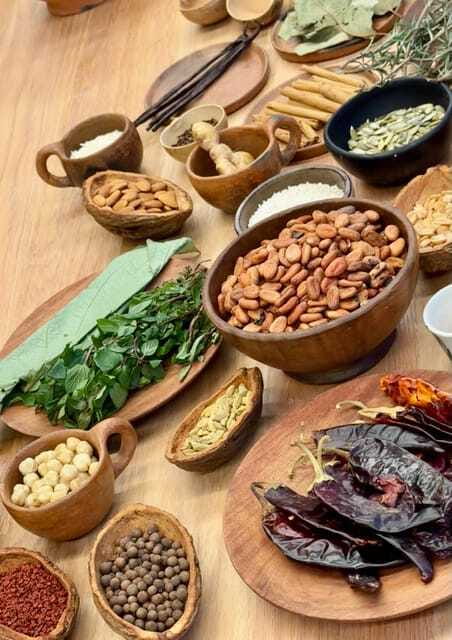
This is a great fit if you want a Mexico City-area food experience that feels hands-on and grounded in place. I think you’ll enjoy it most if you:
- Love chocolate and want to learn why it tastes different when you control the process
- Prefer practical cooking classes over lecture-heavy tours
- Want to try Mesoamerican flavor styles with chile, achiote, and herbal ingredients
- Travel with family members who get bored when everyone just stands and watches
It’s also a good choice if you’re the kind of traveler who likes bringing a skill home. Even if you never own a metate, you’ll understand the sequence: roast, grind, brew, then balance with enrichment ingredients.
If you’re looking for a purely luxury chocolate tasting with no hands-on work, this might feel a bit too active. This class leans practical. You’ll be doing more than sampling.
Should you book Bean to Beverage in Condesa?
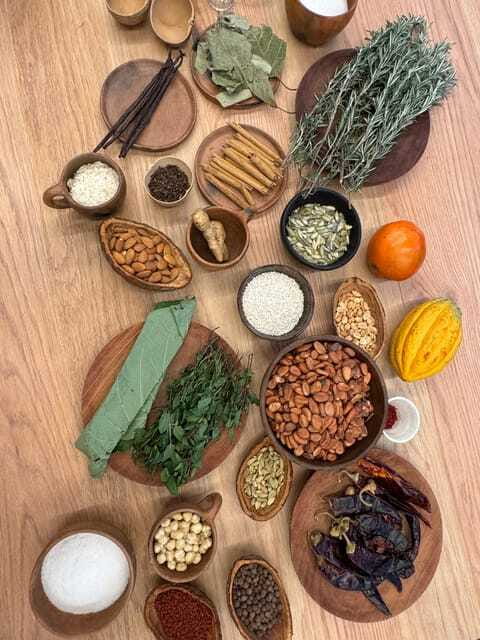
Yes, if your idea of a good food day includes making something yourself and tasting real differences as you go. The value is in the process: roasting cacao, grinding it the traditional way, then building multiple hot chocolate drinks with ingredients tied to the Maya and Aztec story.
I’d book it if you want a fun, family-friendly class with an energetic guide like Jim, and if you’re curious about how spices and chocolate work together beyond plain sweetness. The only times I’d hesitate are if accessibility constraints (no elevator) or pet-related allergies (two cats) are major issues for your group, or if you require strict Kosher options.
If those fit, you’ll leave with more than a full cup. You’ll leave with a method—and a new way to think about hot chocolate.
FAQ
How long is the Bean to Beverage workshop?
It lasts 3 hours.
What’s included in the class?
You get all ingredients to prepare six different hot chocolate drinks, plus a dessert to accompany your beverage.
Is this class private or shared?
It offers private or small groups (group type depends on the option you book).
What languages does the instructor speak?
The instructor speaks English and Spanish.
Is the workshop accessible for wheelchair users?
Wheelchair users have enjoyed the class before, but the building does not have an elevator, so accessibility may depend on stairs and how the space is set up.
Can dietary needs be accommodated, including Kosher?
You should email any dietary requirements after booking, and most dietary needs can be accommodated. Strict Kosher is not possible. Allergy support is available (guests are kept out of the cooking area and allergy pills are available), but there are two cats in the house.
More Dessert Tours in Mexico City
More Tour Reviews in Mexico City



Behind the Ticket: More CDMX Museums


Fresh from our Mexico City notebook
Mexico City Museums & Galleries, compared.
 ★ 4.4Xochimilco, Coyoacan, Frida Kahlo Museum & Murals TourFrom $893,025 reviews
 ★ 4.5Chapultepec Castle & Anthropology Museum TourFrom $791,348 reviews
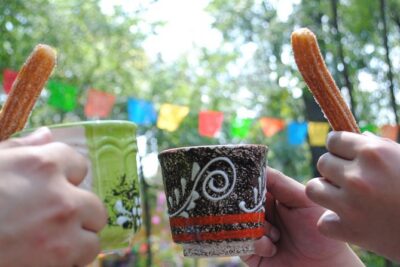 ★ 5.0Frida Kahlo VIP [Museum Tickets Included] Bike, Markets & ChurrosFrom $831,072 reviews
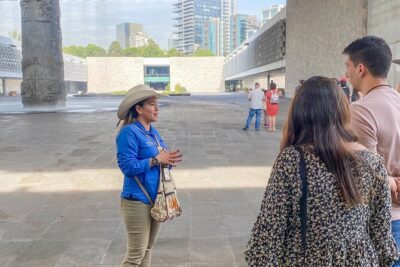 ★ 4.5Anthropology Museum Guided TourFrom $391,035 reviews
 ★ 5.0Frida Kahlo VIP [Museum Tickets Included] Walk, Markets & ChurrosFrom $83982 reviews
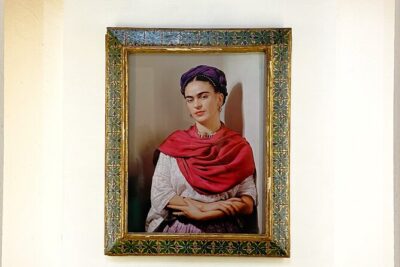 ★ 5.0EXCLUSIVE TOUR Frida Kahlo Museum – SMALL GROUPSFrom $86901 reviews
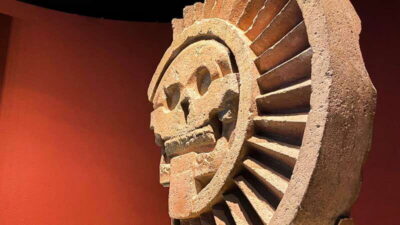 ★ 4.4Anthropology Museum Guided VisitFrom $67708 reviews
 ★ 4.5Frida Kahlo Museum Entry Ticket w/Digital GuideFrom $34683 reviews
Browse the lists this tour appears in