
REVIEW · WORKSHOPS
Authentic Mexican Salsas Workshop
Salsa class in Mexico City feels like a neighborhood mission. You start at an ancient church in Tacuba, then head a few steps to the Tacuba Market to shop for fresh ingredients. Two things I really like: the hands-on cooking (you actually make the salsa) and the fact you finish with jars and recipes, so you can repeat it at home.
One heads-up before you go: the route between the market and the cooking spot can pass through areas that feel rough to some visitors. If you’re comfortable navigating busy city streets and moving confidently with your group, you’ll be fine, and the experience stays intimate with a small 10-person limit.
In This Review
- Key takeaways before you book
- Tacuba’s start point: market time near an ancient church
- Four salsa styles: raw, fried, boiled, and roasted
- Cooking with Oscar and Messli: a classroom that feels like friends
- Agua de Jamaica and snacks: pacing that keeps you energized
- Quesadillas built around your salsa
- Plant-based salsas that don’t feel limited
- Price and time: how $93 stacks up for a 2.5-hour class
- Who this workshop is best for (and who should think twice)
- Should you book the Authentic Mexican Salsas Workshop?
- FAQ
- Where does the salsa workshop take place?
- How long is the experience?
- What does the price include?
- What languages are offered?
- How many people are in the group?
- What kinds of salsa will you cook?
- Do you get to take salsa home?
- Is transportation included?
Key takeaways before you book
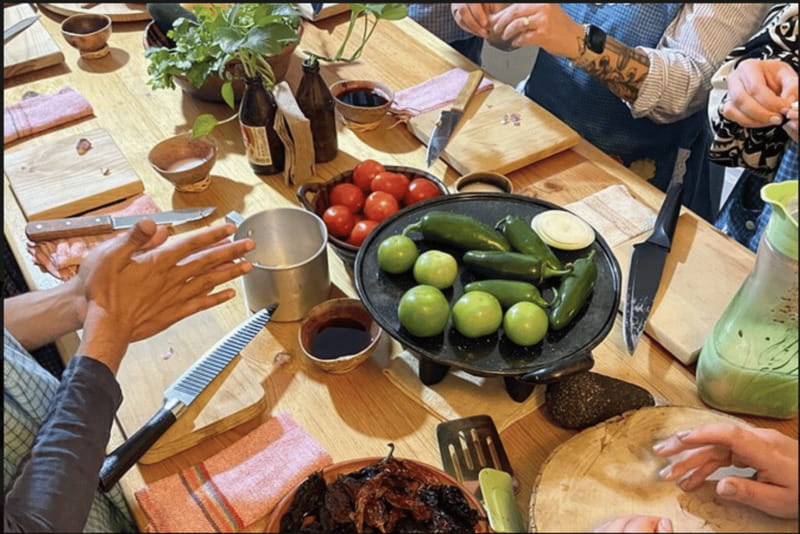
- Tacuba Market shopping: you learn what to look for in fresh chile, produce, and other salsa staples
- Four salsa techniques: raw, fried, boiled, and roasted, each with its own flavor and heat style
- Unlimited agua de Jamaica: hibiscus tea is included, and it shows up early and often
- Cook, then eat: you make quesadillas alongside your salsas and eat as you go
- Plant-based by design: all salsas are plant based, so the flavor comes from chiles, spices, and balance
- Take-home results: you leave with a jar of salsa plus recipes you can follow later
More hands-on hours to book
- Mexican Cooking Class with Food Market Visit in Mexico City
★ 5.0 · 506 reviews - Essence of Mexico: Authentic Mexican Cooking Class & Market Tour
★ 5.0 · 289 reviews - Mexican Cooking Class & Cocktails in Mexico City
★ 5.0 · 134 reviews - Private Mexican Cooking Class with Gastronomic Historian, Lucia
★ 5.0 · 110 reviews
Tacuba’s start point: market time near an ancient church
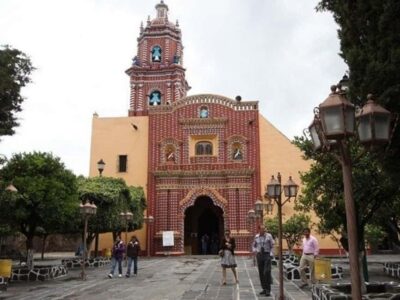
This workshop begins in Tacuba, at a church with roots that go back well before the Spanish arrived. It’s a neat way to frame the experience: before anyone chops anything, you get a sense that this neighborhood has been doing everyday life for a very long time.
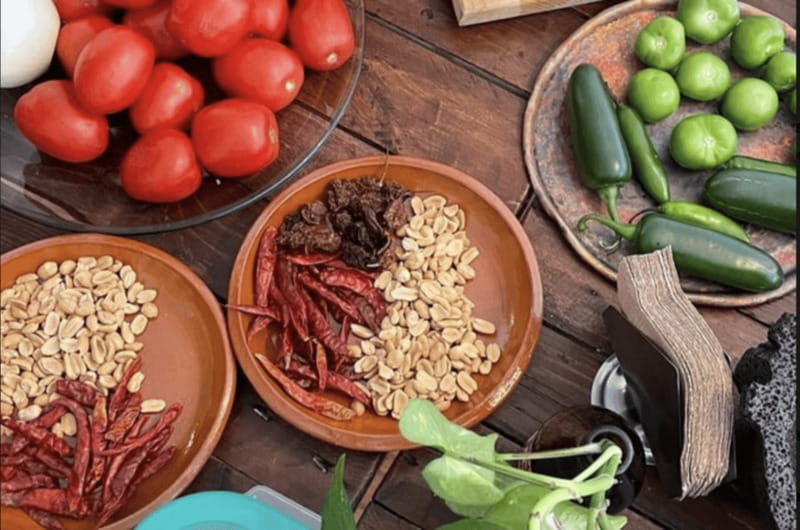
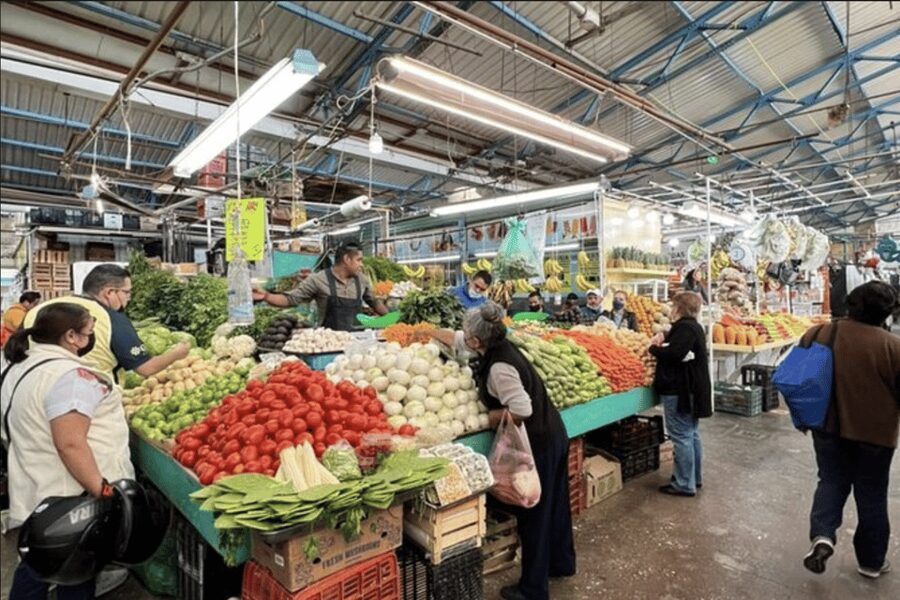
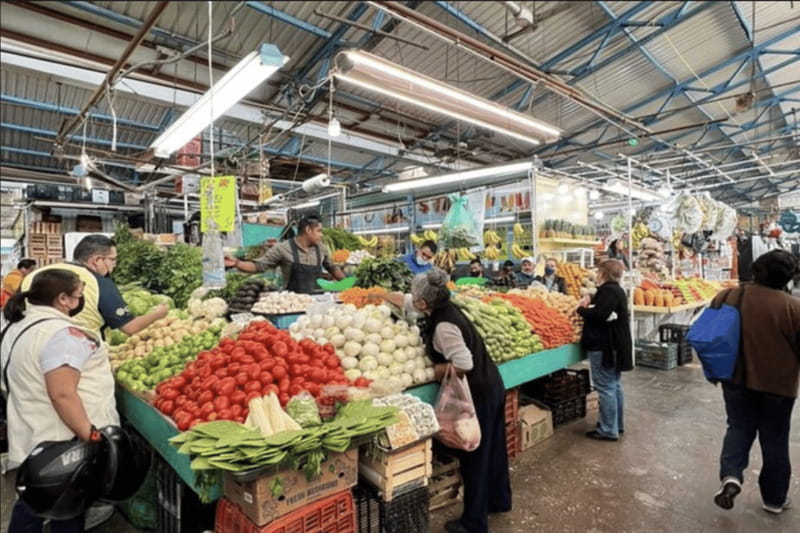
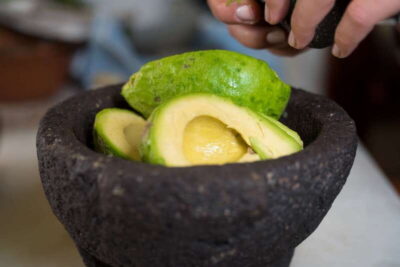
From there, it’s a short walk to the Tacuba Market. This part matters more than people expect. If you’ve ever tried to make salsa at home and ended up with something bland or one-note, it’s usually an ingredient problem: the wrong chile variety, produce that’s already past its peak, or spices that don’t match the level of heat you want.
In the market, you’re not just browsing. You’re shopping with a purpose, learning how to choose ingredients for salsa. You’ll also pick up on the idea that salsa isn’t one recipe. It’s a whole family of flavors, and the ingredients guide the personality of each batch.
Four salsa styles: raw, fried, boiled, and roasted
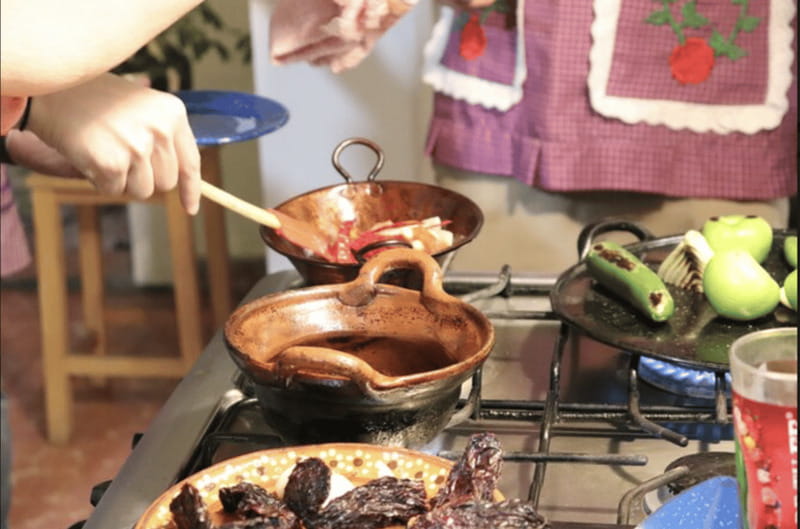
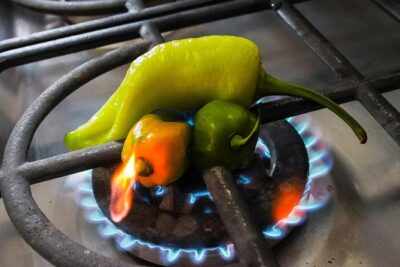
Here’s the heart of the class: you make multiple salsas using four traditional approaches. Raw salsa gives you snap and freshness. Fried salsa tends to feel deeper, because heat coaxes out sweetness and softens edge. Boiled salsa shifts things again, usually rounding the flavor and changing the way chiles read on your tongue. Roasted salsa leans smoky and complex, like the flavor has had time to think.
You’ll notice something important during the tasting: the same ingredients can behave very differently depending on the method. That’s the real value, because it teaches you how to troubleshoot later. When you make your own salsa at home, you’ll be able to ask: do I want it bright and punchy, or cooked and mellow, or smoky and bold?
You also get a range of chile levels. Not every salsa is about maximum heat. Some are about balance. Others hit harder. You’ll leave with a better sense of how to dial in your preferred spice, not just copy someone else’s level.
And yes, all of it is plant based. That doesn’t mean it tastes “light” or “diet.” It means the flavor comes from chiles, herbs, aromatics, roasting and frying technique, and how you build the mix. For a lot of people, that’s the surprise: plant based can still be intense.
Cooking with Oscar and Messli: a classroom that feels like friends
The class is led in Spanish and English, and they can run in more than one language at the same time. That’s helpful in mixed groups. You can follow along without feeling left out, and it keeps the pacing from turning into a long translation game.
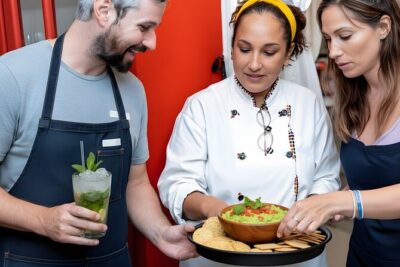
Two names really stick from the experience: Oscar and Messli. People talk about them with real warmth, and it makes sense. You’re not stuck watching from the sidelines. You’re cooking. That only works when the hosts keep things moving and make you feel comfortable asking questions.
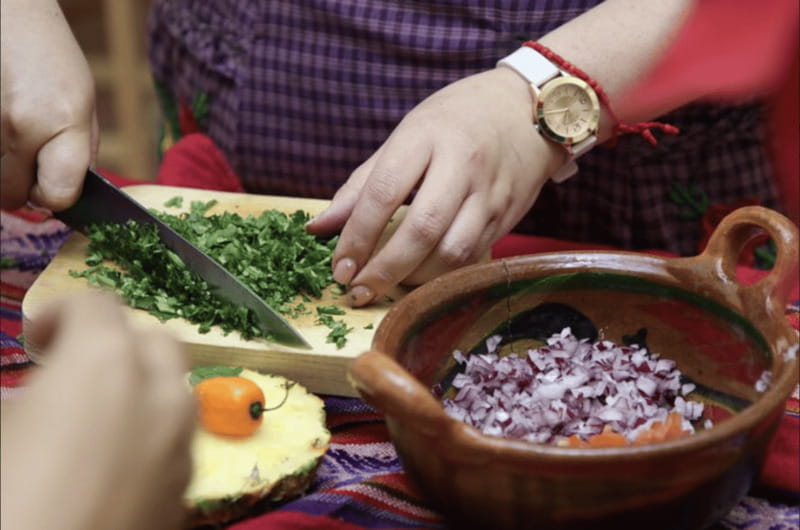
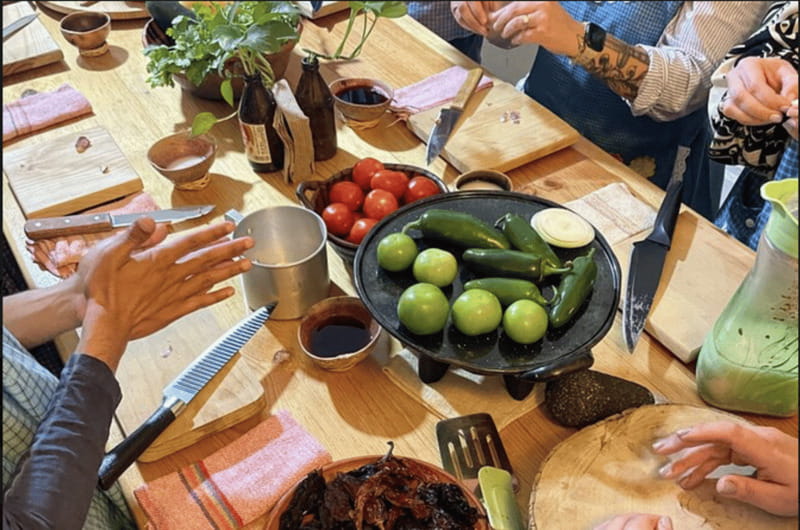
You’ll likely start with basic guidance on chopping and combining ingredients, then move into cooking steps for each style. As the salsas come together, you get taste-testing as you go. That’s key for learning, because you’re not just waiting for the final jar. You’re building a “flavor memory” for how each method changes chile and balance.
This is also where the conversation adds value. When your hands are busy, you’re more likely to ask real questions instead of passively nodding. You’ll probably learn little practical rules you can use later, like how texture changes when you fry or roast, and why certain chiles behave differently once cooked.
- Teotihuacan, Guadalupe Shrine & Tlatelolco Day Tour with Lunch★ 5.0 · 11,603 reviews
- Xochimilco, Coyoacan and Frida Kahlo with Optional Lunch★ 4.5 · 7,320 reviews
- Balloon flight + Breakfast in cave + Pyramids + Pick up CDMX.★ 5.0 · 6,335 reviews
- Teotihuacan pyramids morning or afternoon without tourist traps★ 5.0 · 6,186 reviews
- Teotihuacan Early Access Guided Tour with optional Lunch★ 4.5 · 6,138 reviews
Agua de Jamaica and snacks: pacing that keeps you energized
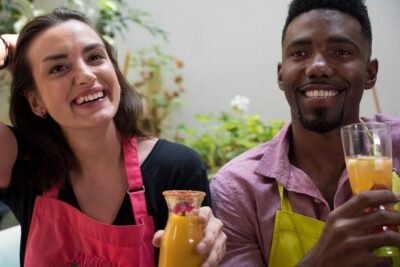
The class includes drinks with a focus on agua de Jamaica (hibiscus tea). It’s unlimited, and it shows up alongside the cooking and tasting. That matters because you’re working with heat and spice all afternoon, and the drink helps reset your palate between salsa styles.
Snacks are included too. I like that this isn’t a class where you show up hungry and hope the food makes up for it. Two and a half hours goes fast when you’re tasting and cooking, so having snacks keeps your energy steady and your attention on what you’re making.
If you like hibiscus tea, you’ll probably enjoy how it pairs with salsa. If you don’t, the included structure still works because the beverage gives you a consistent break between rounds.
Quesadillas built around your salsa
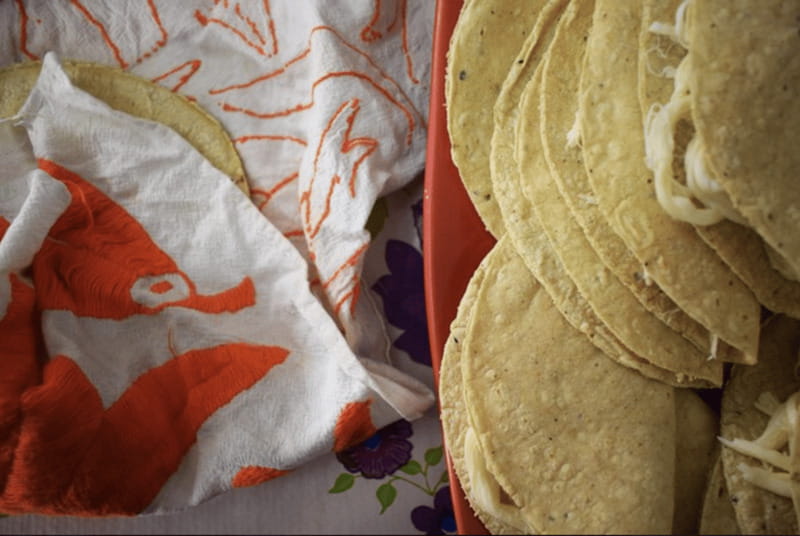
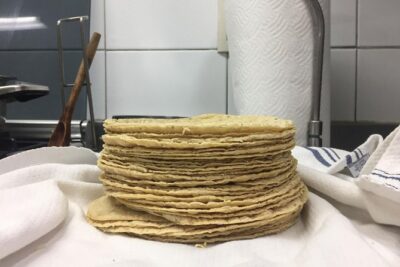
Once the salsas are made, you shift into eating mode. You cook quesadillas together with your salsas, and the portion style is simple: you eat as many as you want.
This is smarter than it sounds. Salsa-only tastings can leave you thinking in theory, but once it goes into tortillas and queso (or whatever the class uses in its setup), the salsa has to prove itself. You see which salsa works for scooping, which needs to be spooned lightly, and which one can handle a thicker bite.
Totopos also come into play as part of the included snack spread. That gives you another texture comparison. Crispy chips change how a salsa’s heat lands, too.
For me, the biggest win here is that you leave with a realistic sense of what you actually want to repeat at home. You’re not just collecting recipes, you’re collecting combinations.
Plant-based salsas that don’t feel limited
All salsas in this workshop are plant based. For many people, that’s reassuring. For a few, it’s a question: will it still feel like full-flavor Mexican salsa?
In this setup, the answer is: yes, because technique does the heavy lifting. Raw uses freshness. Fried adds depth. Boiled changes texture and rounds flavors. Roasted gives smoke and complexity. Then you’re finishing with herbs, citrus-style brightness, and chile-driven heat.
If you’re vegetarian, this is an easy match. If you eat meat normally, it’s still a great option because you’re learning salsa methods, not just chasing one specific dish.
And because you’re taking home salsa in a jar, you’ll get a quick “taste test” for real life: open the jar later and see if your favorite style is still your favorite.
Price and time: how $93 stacks up for a 2.5-hour class
At $93 per person, you’re paying for more than “someone teaches you a recipe.” You get:
- A market ingredient shopping start
- Hands-on cooking support and equipment
- Multiple salsa batches across four methods
- Included tastings with unlimited agua fresca (hibiscus tea)
- Quesadillas and totopos built around what you make
- Recipes and a jar of salsa to take home
For a 2.5-hour experience, that’s a lot of food and guided practice. The small group size (limited to 10) matters here: you’re not competing for attention or waiting forever for your turn.
Also, transportation isn’t included, so factor that into your real cost. If you’re already in the area or you can plan an easy ride in and out, it’s straightforward.
Who this workshop is best for (and who should think twice)
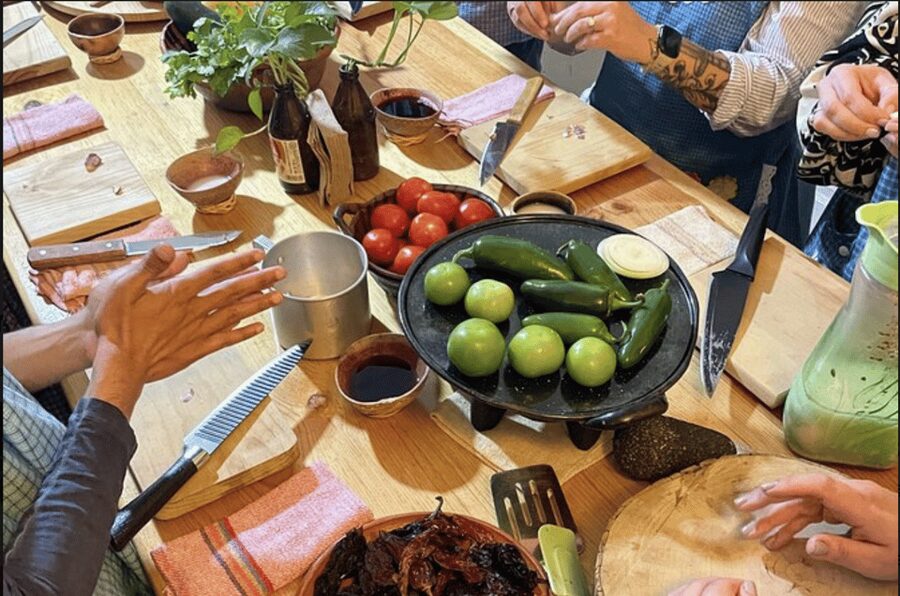
This is a great fit if you:
- Like cooking and want to learn methods, not just copy one end result
- Enjoy markets and want to understand ingredient choices
- Travel as a group and want shared activities (this works well for team-building)
- Want something fun that still teaches you practical skills
It may be less comfortable if you:
- Prefer a strictly polished tourist corridor with minimal street realism
- Get anxious about short walks between stops in older neighborhood areas
One review noted that the walk between the market and the cooking area can be filled with homeless people and may feel “very ugly” to some. That doesn’t mean the class itself is unsafe, but it does mean you should be mentally prepared for the texture of Mexico City streets.
If you’re confident traveling in cities and you’re not trying to avoid human reality, this kind of experience can be exactly the point.
Should you book the Authentic Mexican Salsas Workshop?
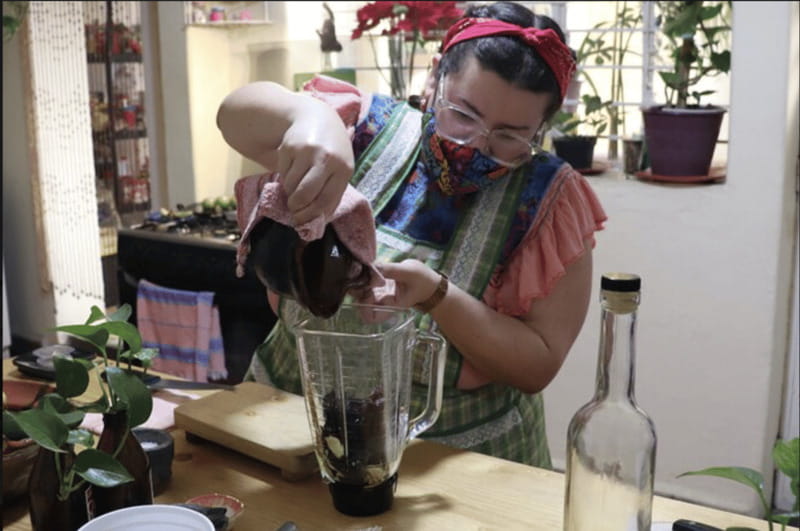
I’d book it if you want a hands-on Mexico City food experience that ends with real results: multiple salsa styles, a fridge-ready jar, and recipes you can use. The best part isn’t the novelty of making salsa. It’s learning how the cooking method changes flavor so you can cook with confidence later.
Skip it only if you know you can’t handle the neighborhood walk to the kitchen or you dislike market-style shopping. Otherwise, with Oscar and Messli guiding you, the format is friendly, practical, and designed to leave you fed.
FAQ
Where does the salsa workshop take place?
It meets at an ancient church in the heart of Tacuba, and you then walk steps away to Tacuba Market to shop for fresh ingredients.
How long is the experience?
The workshop lasts 2.5 hours.
What does the price include?
You get cooking equipment, snacks, the salsas you make, totopos, quesadillas, and agua fresca. Unlimited agua de Jamaica (hibiscus tea) is included.
What languages are offered?
Instruction is available in Spanish and English, and the experience can be held in more than one language simultaneously.
How many people are in the group?
It’s a small group limited to 10 participants.
What kinds of salsa will you cook?
You’ll cook salsas using four traditional methods: raw, fried, boiled, and roasted.
Do you get to take salsa home?
Yes. You leave with a jar of salsa, plus recipes you can use later.
Is transportation included?
No. Transportation is not included, so you’ll need to get yourself to the meeting point in Tacuba.
Make One to Take Home


More Tour Reviews in Mexico City




Fresh from our Mexico City notebook



Workshops, compared.
 ★ 5.0Mexican Cooking Class with Food Market Visit in Mexico CityFrom $124506 reviews
 ★ 5.0Essence of Mexico: Authentic Mexican Cooking Class & Market TourFrom $178289 reviews
 ★ 5.0Mexican Cooking Class & Cocktails in Mexico CityFrom $132134 reviews
 ★ 5.0Private Mexican Cooking Class with Gastronomic Historian, LuciaFrom $145110 reviews
 ★ 5.0Mexican Churros Master ClassFrom $7091 reviews
 ★ 4.8Mexican Cooking ClassFrom $12185 reviews
 ★ 5.03h Cooking Class in Mexico City: 8 Recipes & Bottomless DrinksFrom $11059 reviews
 ★ 5.0Private San Angel Tour & Cooking Class in Mexico City with LuciaFrom $15556 reviews
Browse the lists this tour appears in