REVIEW · MEXICO CITY
Soumaya: the greatness of Mexican & western art.
Six floors. One focused art story. This guided 2.5-hour visit to Museo Soumaya in Polanco is built to connect Mexican art with major Western movements, piece by piece, without making you feel like you need an art degree. I love the way the tour organizes the museum into clear chapters, and I like how the guide explains meaning in plain language. One consideration: if your main goal is European painting only, you may feel your time is best spent on the museum’s Mexican-focused sections.
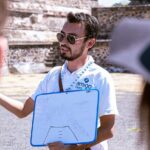
I also like that the group stays small, capped at 10, which makes it easier to ask questions and go at a comfortable pace through crowds. Guides can include José Vicente Figueroa (GM International Travel), and other guides have earned strong praise for sharing fun, specific details as you move from room to room.
In This Review
- Key things that make this tour worth your time
- Soumaya Museum in Polanco: starting at the main gate and getting your bearings fast
- Six floors in 2.5 hours: how the route keeps the pace realistic
- Modernism and Ars & Techné: art that treats technique like a point of view
- Myths and allegories: from the visible to the invisible
- Old Masters: Europa and viceroy, and why the connection to power matters
- Romanticism to Avant Guarde: where emotion meets experimentation
- Rodin’s era and the European spine: great art, but manage your expectations
- 20 centuries of Mexican art: the section that usually delivers the best payoff
- Artists you’ll hear about: famous names, plus the context that makes them stick
- Multilingual small group guiding: why up to 10 people changes the experience
- Accessibility and comfort: a museum plan that works for more bodies
- Value check: what you’re really paying for (and why 2.5 hours is the sweet spot)
- Who should book this tour, and who might want a different approach
- Should you book Soumaya: the greatness of Mexican & western art?
- FAQ
- Where is the meeting point?
- How long is the tour?
- How many people are in the group?
- Which languages are available?
- Is the tour wheelchair accessible?
- What parts of the museum will we visit?
Key things that make this tour worth your time
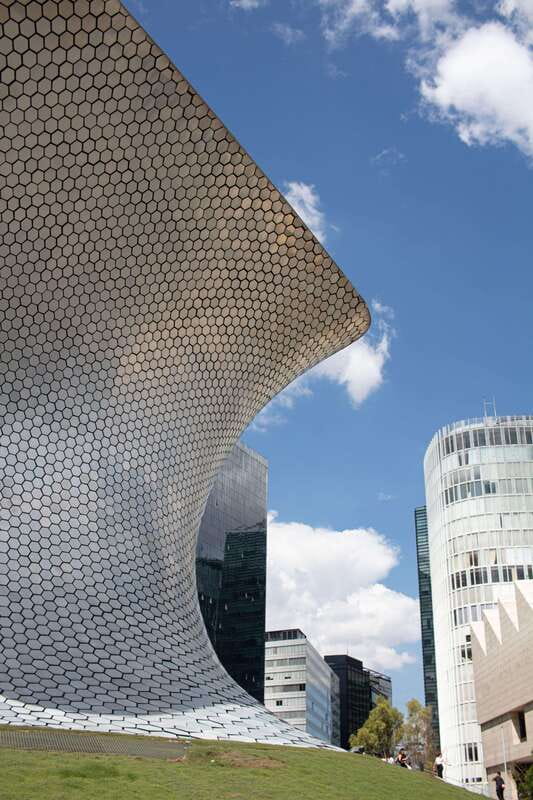
- Meet at the main gate in Polanco so you start with zero guesswork.
- A 2.5-hour route across six floors, organized by themes rather than random wandering.
- Mexican art gets real attention, even with the museum’s huge European presence.
- Big art names, explained in context: Rodin, Van Gogh, Monet, Manet, Rivera, Orozco, Velasco, and more.
- Small-group feel (up to 10 people), helpful if you’re traveling with kids or older family.
- Multi-language guiding (English, Portuguese, Spanish, German, and more), plus wheelchair accessibility.
Weighing this one up? Here is how it lands next to a few Mexico City favourites:
- Teotihuacan, Guadalupe Shrine & Tlatelolco Day Tour with Lunch
★ 5.0 · 11,603 reviews - Xochimilco, Coyoacan and Frida Kahlo with Optional Lunch
★ 4.5 · 7,320 reviews - Balloon flight + Breakfast in cave + Pyramids + Pick up CDMX.
★ 5.0 · 6,335 reviews - Teotihuacan pyramids morning or afternoon without tourist traps
★ 5.0 · 6,186 reviews
Soumaya Museum in Polanco: starting at the main gate and getting your bearings fast
Soumaya is one of those museums where you can easily lose an hour just figuring out where to go. Starting the tour at the main gate matters because it turns a big building into a clear plan. In 2.5 hours, you’re not trying to see everything. You’re trying to see the main ideas, and then leave with the confidence to explore on your own.
From the start, you’ll get oriented to the museum’s layout and the structure of the collection. The tour is designed to walk you through the full museum—six floors—but it does it in a way that feels guided and readable, not rushed. That’s the real value: knowing what you’re looking at before you look at it.
Six floors in 2.5 hours: how the route keeps the pace realistic
The tour covers the whole museum across six levels, with thematic sections that move through time and style. The schedule is long enough to give you substance, but short enough that you won’t be exhausted halfway through. That pacing is especially important because the museum’s collection spans modernism, older European art, and multiple eras of Mexican art.
Here’s the structure you’ll experience:
- Modernism: Ars & Techné
- Myths & allegories: from the visible to the invisible
- Old Masters: Europa & viceroy
- From romanticism to Avant Guarde
- 20 centuries of Mexican Art
- Rodin’s era
The benefit of this design is that each floor has a theme, so you can remember what you saw. Instead of thinking, I saw a lot of paintings, you can think, I saw how one idea transforms across eras.
Modernism and Ars & Techné: art that treats technique like a point of view
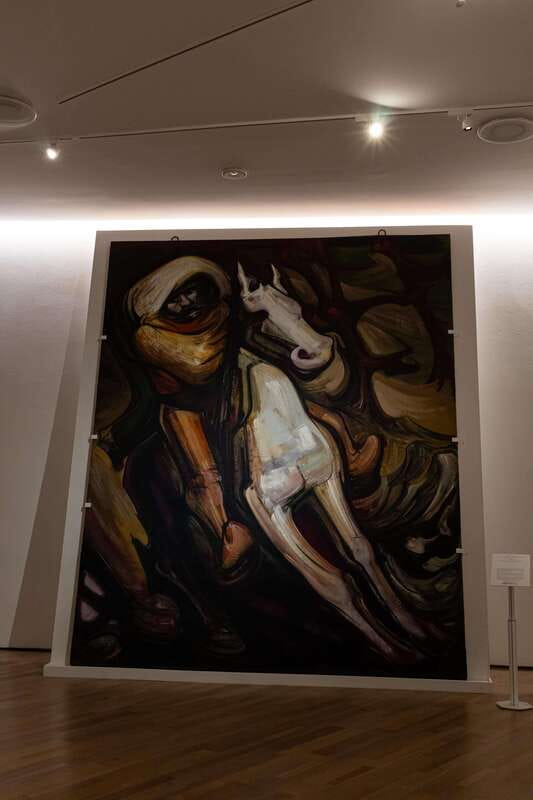
The Modernism: Ars & Techné floor is where the museum speaks about how art is made, not just what it shows. “Ars & Techné” points you toward the craft side—how technique, materials, and method become part of the story. You don’t need to be an expert to appreciate this. You just need to notice how artists use form and structure to change the mood of a work.
This is often the floor that helps you switch gears. If you’re used to thinking of Western art as mostly about subject matter, modernism pushes you to pay attention to composition and process. The tour’s job here is to guide you through what to look for—so your eyes land on the details that actually matter.
- Teotihuacan, Guadalupe Shrine & Tlatelolco Day Tour with Lunch★ 5.0 · 11,603 reviews
- Xochimilco, Coyoacan and Frida Kahlo with Optional Lunch★ 4.5 · 7,320 reviews
- Balloon flight + Breakfast in cave + Pyramids + Pick up CDMX.★ 5.0 · 6,335 reviews
- Teotihuacan pyramids morning or afternoon without tourist traps★ 5.0 · 6,186 reviews
- Teotihuacan Early Access Guided Tour with optional Lunch★ 4.5 · 6,138 reviews
Myths and allegories: from the visible to the invisible
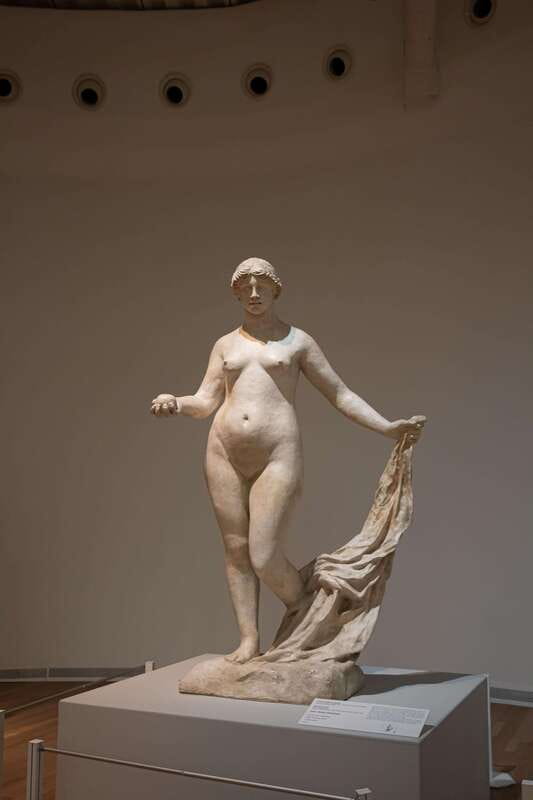
Next comes Myths & allegories: from the visible to the invisible, and this is where the museum starts acting like a puzzle box. You’ll be looking at images that don’t just depict a scene. They hint at meanings that sit under the surface—symbols, themes, and layers you might miss if you’re only scanning for famous names.
For your brain, this floor works like a reset. It shifts you from “What do I see?” to “Why does it matter?” That makes the rest of the museum easier to follow, because you start learning the museum’s language: visible form, hidden idea.
If you like learning how symbolism works in art, this is the floor that tends to reward your attention the most.
Old Masters: Europa and viceroy, and why the connection to power matters
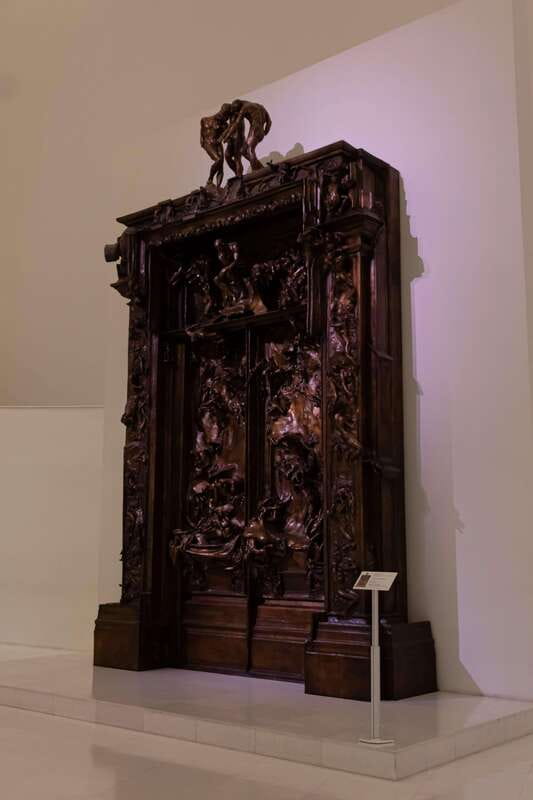
The Old Masters: Europa & viceroy section is built around a specific kind of historical relationship. It connects European artistic traditions with colonial power structures—what changes when European influence meets the reality of the viceroyalty.
Even without deep background, you can follow this if the guide does their job well (and this tour aims to). The tour focuses on key works room by room, so you’re not stuck decoding everything on your own. Instead, you get the context that turns the art into a clearer historical statement.
This is also a good floor for asking questions, because it sets up a useful contrast. You’ll likely start noticing how certain artistic languages travel, adapt, or resist.
Romanticism to Avant Guarde: where emotion meets experimentation
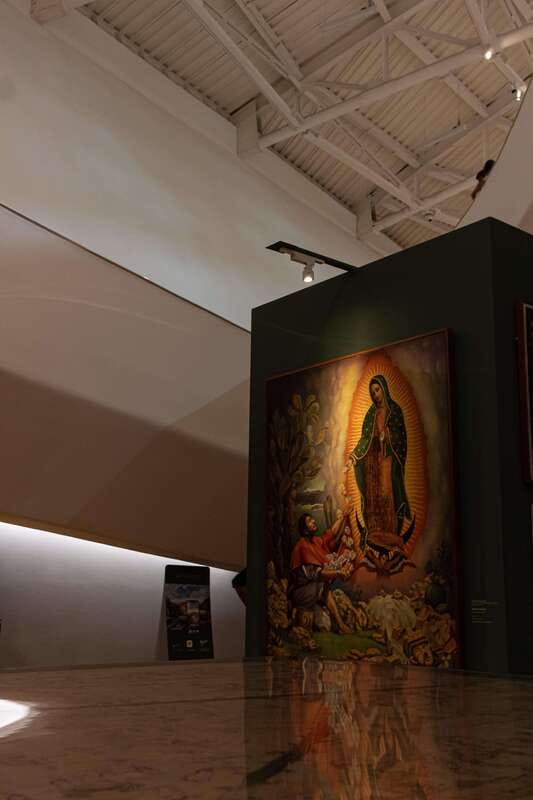
The floor labeled From romanticism to Avant Guarde is essentially about change—how art shifts when ideas get bolder and rules start getting questioned. Romanticism brings intensity and drama; the avant-garde side brings experimentation and new ways of seeing.
This section can feel like a bridge between the older European material and the later modern and Mexican narratives. You’ll see artists working through emotion first, then turning toward innovation. The tour’s focus on main pieces helps you keep the arc straight rather than getting lost in stylistic variation.
Rodin’s era and the European spine: great art, but manage your expectations
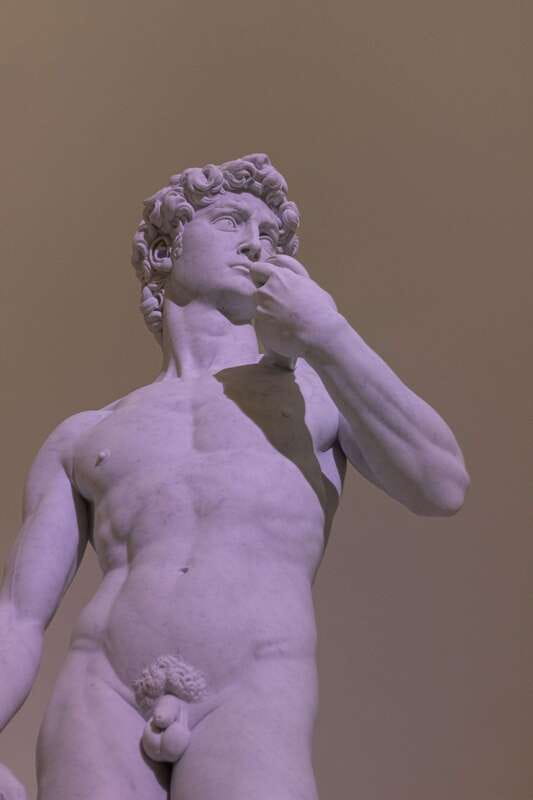
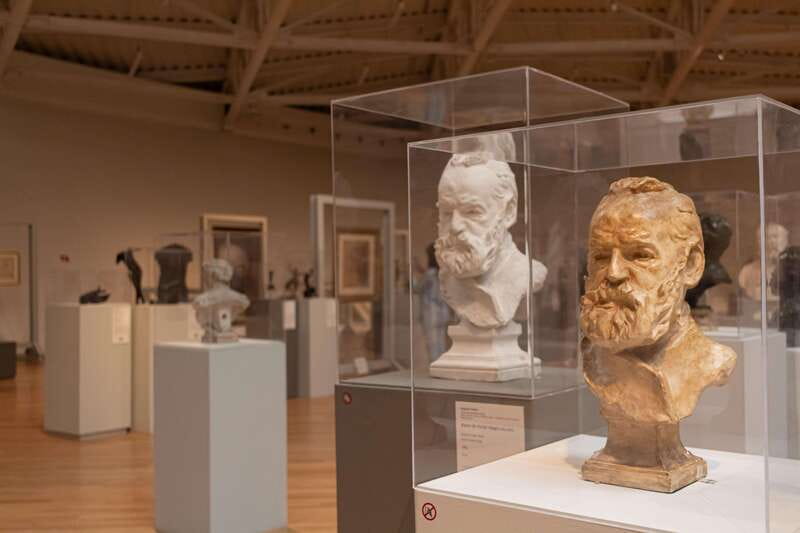
Then there’s Rodin’s era, one of the museum’s headline anchors. If you want sculptural presence and the energy of a major European artist, this is where you’ll feel it. Rodin’s name is part of the big lineup you’ll hear about, and this floor gives you the time to actually register why he mattered.
Important note: one of the clearest signals from prior experiences is that a Mexican-focused approach pays off most. If European art is not your priority, treat the European floors as optional depth rather than your entire reason for coming. The guide’s strengths often shine brightest when attention returns to Mexican art themes.
In other words: don’t force yourself to “do Europe” if your heart is Mexico. The museum gives you both—you just need to use your limited time wisely.
20 centuries of Mexican art: the section that usually delivers the best payoff
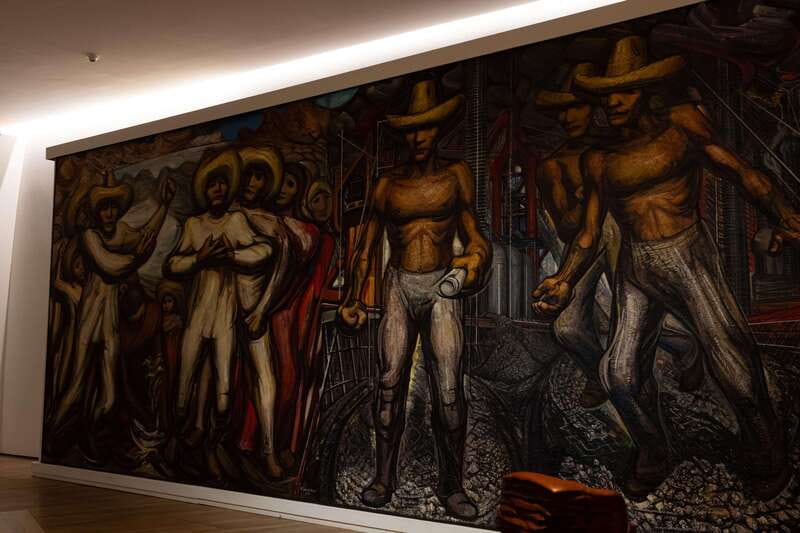
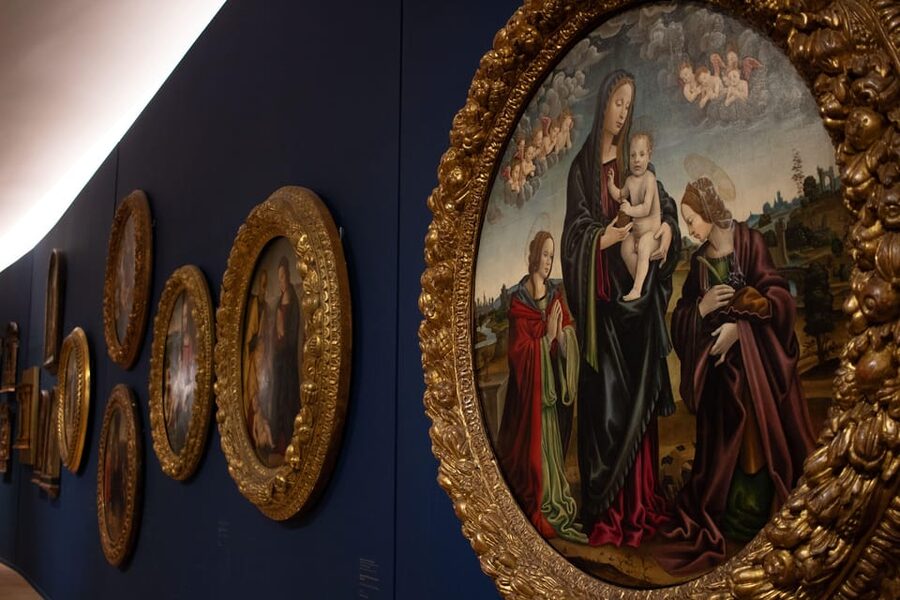
The 20 centuries of Mexican Art floor is the heart of the tour’s promise, and it’s where you’ll get the clearest sense of Mexico’s artistic evolution through multiple generations. This is where you’ll likely feel the connection between national identity, visual language, and historical change.
What makes this floor especially valuable is how it’s presented as more than a list of famous names. The tour keeps a national-based focus in the way it highlights main pieces. That’s what turns the Mexican art section into a story you can follow.
You may hear about artists such as:
- Rivera
- Orozco
- Velasco
- Correa
- De Echave Orio
And others included in the museum’s mix, like Miguel Ángel and European masters, mentioned as part of the wider conversation.
Even if you’re not an art student, you’ll get what to look for: shifts in style, recurring themes, and the way artists responded to their times. If you leave this floor with questions, that’s a good sign—it means the tour helped you see the museum as connected history, not isolated artworks.
Artists you’ll hear about: famous names, plus the context that makes them stick
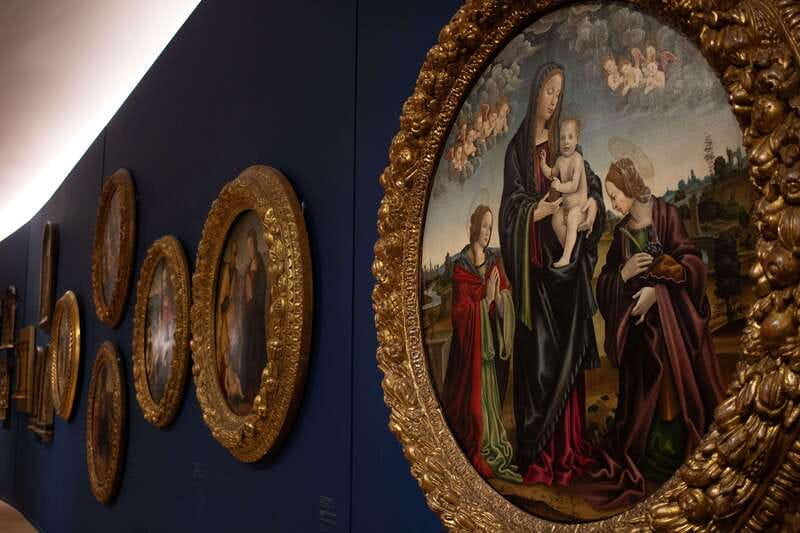
One of the best parts of a guided museum visit is learning what to notice. This tour gives you a set of anchors, so your brain doesn’t just collect images.
Expect the guide to bring up major figures such as Van Gogh, Pissarro, Monet, Manet, and also Spanish/European painters like Juan de Flandes. On the Mexican side, you’ll hear about artists including Rivera and Orozco, and also other names tied to Mexican artistic development.
The practical win is this: when you recognize names later on your own, you’ll understand what period or idea they belonged to. That transforms a second visit into a deeper one.
Multilingual small group guiding: why up to 10 people changes the experience
This is a small-group format, limited to 10 participants. That matters because museum tours can turn into assembly lines. Here, the guide can slow down for clarification and keep the pace natural for different interests.
Language options include English, Portuguese, Spanish, German, Italian, Russian (depending on availability). If you’re traveling with family or friends who prefer different languages, it’s a relief to know the tour can meet you where you are.
And based on real experiences, the guidance style is often described as enthusiastic and patient. If you’re bringing kids or older relatives, that patience can turn the visit from stressful to manageable. In a museum, time feels different. The guide helps keep it moving without turning it into a sprint.
Accessibility and comfort: a museum plan that works for more bodies
The tour is wheelchair accessible, which is an important factor in a museum setting. Big art spaces can be tricky if you’re dealing with stairs or narrow passages. Having a guided route planned with accessibility in mind makes a difference in how comfortable you feel during the visit.
Wear comfortable shoes. You’ll be walking through floors, and art museums are still a lot of steps even when the tour is well structured.
Value check: what you’re really paying for (and why 2.5 hours is the sweet spot)
There’s a simple reason this format can be good value: it organizes a huge museum into a time-efficient narrative. You’re not trying to see everything. You’re getting the key pieces discussed with attention to periods and themes, including the national-based focus that many people care about most.
You also get:
- A private/bilingual guide experience (with multilingual options)
- A small-group setting for better interaction
- A full six-floor sweep with attention to main works
If you go in alone, you can still enjoy Soumaya—but you’re more likely to miss the through-line that makes the collection feel like more than separate rooms. This tour gives you that through-line fast, then lets you choose what to revisit.
Who should book this tour, and who might want a different approach
You’ll probably love this if:
- You care about Mexico and Western art as a paired story.
- You want context without having to be an art expert.
- You prefer guided structure because Soumaya is large and easy to get overwhelmed by.
You might want to adjust your expectations if:
- You only want one narrow slice of European art and don’t care about the Mexican art framing.
- You expect every second to be a long close-up art-lecture. This is a themed museum tour, not an hour-by-hour encyclopedia.
In general, it’s a great pick for multi-generational trips because the format supports different attention spans and keeps the visit coherent.
Should you book Soumaya: the greatness of Mexican & western art?
Book it if you want a smart, time-saving introduction that connects Mexican art eras with major Western movements in a single visit. The biggest reason to choose it is the guided structure across six floors, paired with a national focus that makes the museum feel like a story you can actually remember.
Pass on it (or pair it with extra self-guided time) if your heart is set only on European art and you’d rather spend your limited hours there. In that case, you can still enjoy Soumaya, but this tour’s strengths point toward Mexico-first comprehension.
If you’re deciding between wandering aimlessly and getting your bearings with a guide, I’d pick the guided route.
FAQ
Where is the meeting point?
The meeting point is the main gate of the Museo Soumaya.
How long is the tour?
The tour lasts 2.5 hours.
How many people are in the group?
The group is small, limited to 10 participants.
Which languages are available?
The tour guide can speak English, Portuguese, Spanish, German, Italian, and Russian (availability can depend on the tour).
Is the tour wheelchair accessible?
Yes, the tour is wheelchair accessible.
What parts of the museum will we visit?
You’ll explore the museum across six floors, including Modernism (Ars & Techné), Myths and allegories, Old Masters (Europa & viceroy), Romanticism to Avant Guarde, 20 centuries of Mexican art, and Rodin’s era.