REVIEW · MEXICO CITY
Learn to Cook Mexican Bread
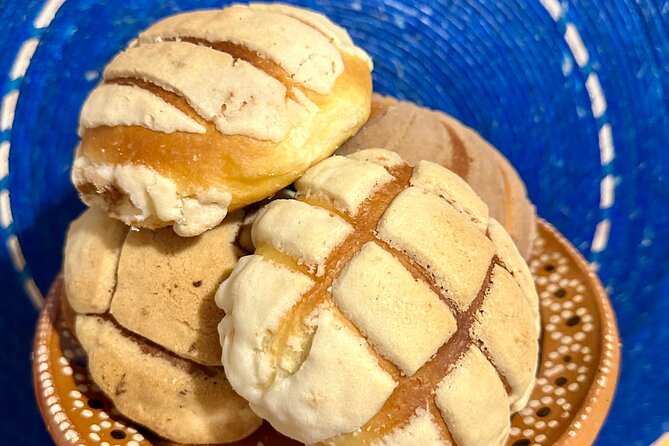
Bread and bones, made by hand. In Mexico City’s Tacuba neighborhood, this class starts at Parroquia San Gabriel Arcangel and turns Pan de Muerto into a real, practical lesson you can use again at home. You’ll also make a classic Mexican pairing: high-cacao hot chocolate.
I love that you get hands-on with the dough, not just a sit-and-watch demo. I also like how the class teaches the bread’s signature orange and anise flavor and the meaning behind its bone-shaped decorations. It’s more than baking. It’s food with a calendar.
One thing to consider: this experience is not gluten free, so plan accordingly if that matters for you.
In This Review
- Key highlights you should know
- Tacuba and Pan de Muerto: why this class feels like more than baking
- The 3-hour flow: what you’ll do from start to finish
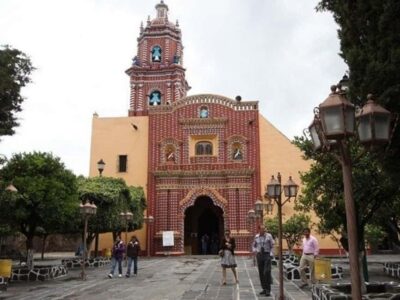
- Meeting at Parroquia San Gabriel Arcangel: the Tacuba start that sets the mood
- Hands-on breadmaking: the skills you’re actually learning
- The orange and anise lesson: flavor that makes Pan de Muerto recognizable
- Shaping the bones: the symbolism you can see (and remember)
- High-cacao hot chocolate: the pairing that ties it together
- What’s included, and how that makes the $65 price feel fair
- Language options, group size, and the small comforts that matter
- Weather and what to do if plans get disrupted
- Who should book this Pan de Muerto cooking class
- Should you book the Learn to Cook Mexican Bread class in Tacuba?
- FAQ
- Where is the meeting point for the class?
- How long does the experience last?
- Is the experience gluten free?
- What will I make during the class?
- What is included with the price?
- Are private transportation options included?
- What group size should I expect?
- Is the class offered in multiple languages?
Key highlights you should know
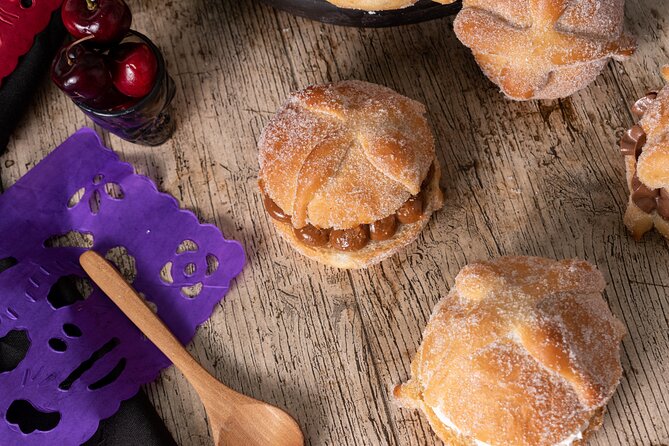
- Tacuba meeting point at Parroquia San Gabriel Arcangel in a very historic area of Mexico City
- Make Pan de Muerto from scratch: ingredients, kneading, shaping, and baking
- Flavor focus on orange and anise, plus symbolic bone-shaped decorations
- High-cacao hot chocolate as the perfect warm partner to your loaf
- Small group size (max 10) for more hands-on attention
- Take home your own Pan de Muerto, plus recipes to repeat later
Weighing this one up? Here is how it lands next to a few Mexico City favourites:
- Teotihuacan, Guadalupe Shrine & Tlatelolco Day Tour with Lunch
★ 5.0 · 11,603 reviews - Xochimilco, Coyoacan and Frida Kahlo with Optional Lunch
★ 4.5 · 7,320 reviews - Balloon flight + Breakfast in cave + Pyramids + Pick up CDMX.
★ 5.0 · 6,335 reviews - Teotihuacan pyramids morning or afternoon without tourist traps
★ 5.0 · 6,186 reviews
Tacuba and Pan de Muerto: why this class feels like more than baking
Mexico City can be loud and fast. This experience slows you down in the best way: with flour on your hands and a bread that has real cultural weight behind it. You’ll meet at Parroquia San Gabriel Arcangel in Tacuba, a place with history tied to the area long before Spanish arrival.
The theme here is Día de Muertos breadmaking, but the approach is practical. You’ll learn how to pick ingredients, handle the dough, shape it, and bake it until it’s ready to bring home. Even if you’ve never made bread, the focus stays on steps you can actually repeat.
And because this class includes a warm drink, you don’t just leave with a loaf. You leave with a flavor memory. Expect high-cacao hot chocolate made to go with your Pan de Muerto, the kind of pairing that makes the whole session feel like a mini celebration.
The 3-hour flow: what you’ll do from start to finish

The whole class runs about 3 hours and ends back at the meeting point, so you’re not dealing with complicated logistics. A mobile ticket keeps things simple once you arrive.
Here’s the typical rhythm of the experience, based on what you’ll be taught and what’s included:
First, you start at Parroquia San Gabriel Arcangel in Tacuba. You’ll get oriented and likely have a chance to connect with your host and the group. This is where you learn what you’re making and how the session will work.
Next comes the bread work: you’ll learn the process of making Pan de Muerto from scratch. That means you’re not just shaping dough balls and calling it done. You’ll go through the full chain: selecting ingredients, kneading, shaping, and baking. You’ll also cover what makes this bread taste like itself—especially the orange and anise notes.
As you build your loaf, you’ll learn the details that make Pan de Muerto instantly recognizable: the symbolic bone-shaped decorations. This is a big part of the experience because the decoration isn’t random. You’ll understand what those elements represent and how they’re used in the final look.
While the bread is coming together, you’ll also prepare and enjoy hot chocolate with cacao. It’s served as the warm pairing to your freshly baked bread, so the flavors land together instead of being an afterthought.
Finally, you take your Pan de Muerto home. Along with the bread, you’ll receive recipes, which is key if you want to recreate it later rather than just remember it as a one-time class.
Meeting at Parroquia San Gabriel Arcangel: the Tacuba start that sets the mood
Meeting at Parroquia San Gabriel Arcangel is more than a pin on a map. Tacuba is one of those Mexico City neighborhoods where the layers of time feel close. The experience highlights that the church area connects to the region’s history reaching back before Spanish arrival.
Why does that matter for you? Because it changes how you experience the bread lesson. You’re not in a generic kitchen classroom. You’re starting in a part of town where the setting helps explain why Pan de Muerto matters. Food traditions don’t exist in a vacuum. They live inside communities and places, and this meeting point helps you feel that early.
Also, this starting location is near public transportation, so you’re not stuck planning a private taxi just to get there.
- Teotihuacan, Guadalupe Shrine & Tlatelolco Day Tour with Lunch★ 5.0 · 11,603 reviews
- Xochimilco, Coyoacan and Frida Kahlo with Optional Lunch★ 4.5 · 7,320 reviews
- Balloon flight + Breakfast in cave + Pyramids + Pick up CDMX.★ 5.0 · 6,335 reviews
- Teotihuacan pyramids morning or afternoon without tourist traps★ 5.0 · 6,186 reviews
- Teotihuacan Early Access Guided Tour with optional Lunch★ 4.5 · 6,138 reviews
Hands-on breadmaking: the skills you’re actually learning
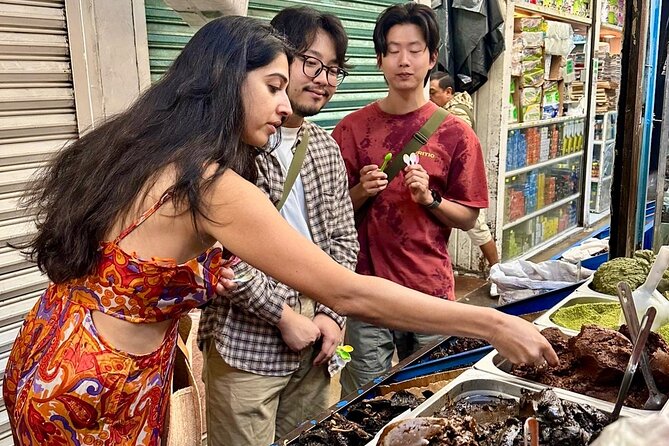
This class is built to teach technique, not just results. You’ll practice the core bread steps: kneading, shaping, and baking. That matters because Pan de Muerto has both flavor and form. If you only focus on the decoration, you miss what makes it taste right.
You’ll learn how to choose the right ingredients and how each part fits into the final loaf. The bread’s identity includes sweet, aromatic character, and the class explains how the orange and anise flavors show up in the process.
Kneading and shaping are usually where beginners get stuck, but the class is set up to guide you through it. You’re likely to get clear instructions on how the dough should feel and what to aim for when shaping.
There’s also an optional twist you should know about: Pan de muerto can be filled (optional). If you’re curious, you can choose that option depending on what’s available. Either way, you’ll be learning the base method.
By the time your loaf is ready, you’ll understand the difference between following a recipe and understanding a bread. That’s what makes this kind of class worth doing, even if you’ve baked before.
The orange and anise lesson: flavor that makes Pan de Muerto recognizable
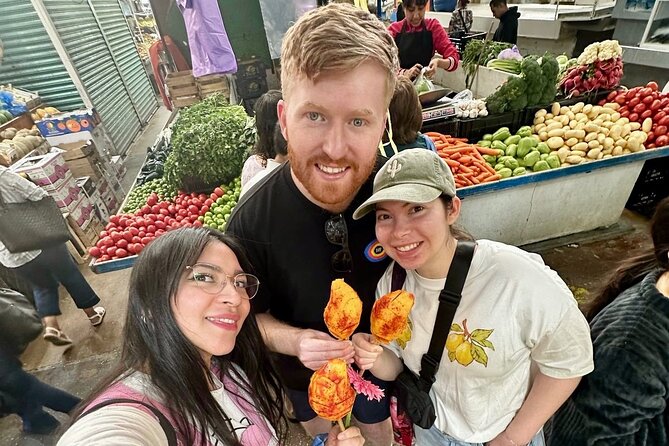
Most people can recognize Pan de Muerto by the look: the bones, the shapes, the symbolic top. But the class spends real time on flavor, which is where a lot of other classes skim.
You’ll learn how this bread becomes sweet and aromatic and how orange and anise are part of the signature character. That’s more than a taste note. It’s a guide for how to balance the bread’s sweetness and spice aroma so it doesn’t turn bland or overpowering.
A small practical tip: if you’re sensitive to anise-like flavors, pay attention as you work. The class design is meant to teach you how those flavors are built into the bread, so you can decide how you like it in your own future baking.
Shaping the bones: the symbolism you can see (and remember)
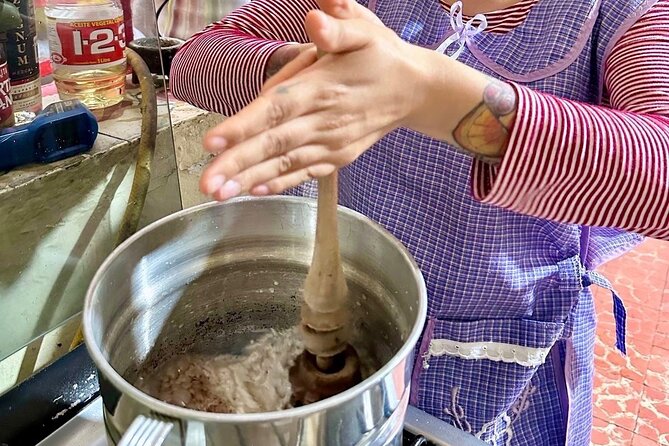
This is the part people love, because it’s visual and satisfying. You’ll learn how to add the bone-shaped decorations that are so tied to Pan de Muerto. And because you’ll be taught the significance of those elements, it’s not just a craft activity.
In other words: you’re not painting decorations onto bread. You’re recreating a form that carries meaning. That makes your finished loaf feel personal when you take it home.
Even if your shaping isn’t perfect, the lesson is still valuable. The whole point is that you’ll understand how to make the decorations and why they belong on this bread.
And since the class is limited to a maximum of 10 people, you’re more likely to get feedback as you go—help with shaping choices and guidance so your loaf still looks like Pan de Muerto, not just bread with toppings.
High-cacao hot chocolate: the pairing that ties it together
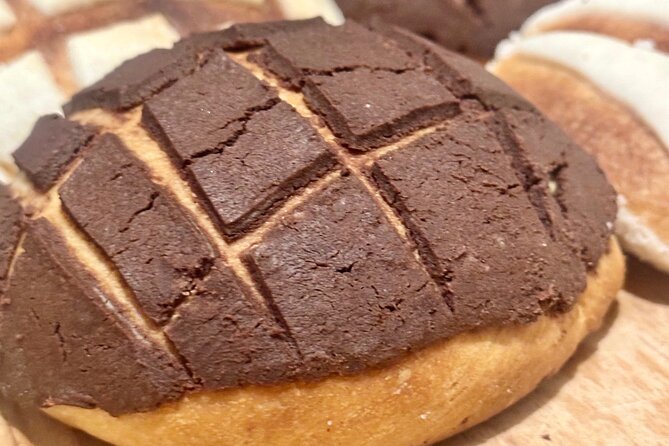
Hot chocolate can be a side item in some cooking classes. Here, it’s part of the experience.
You’ll prepare hot chocolate with cacao, described as rich and made to pair with Pan de Muerto. That pairing is smart: it gives you a warm, cocoa-forward counterpoint to the bread’s sweet, aromatic character.
It also makes the tasting portion feel complete. You’re not eating bread alone and moving on. You’re tasting a combination that makes sense in a Día de Muertos context.
If you like drinking chocolate more than eating dessert, this is a plus. You’ll leave with a flavor plan, not just a bread plan.
What’s included, and how that makes the $65 price feel fair
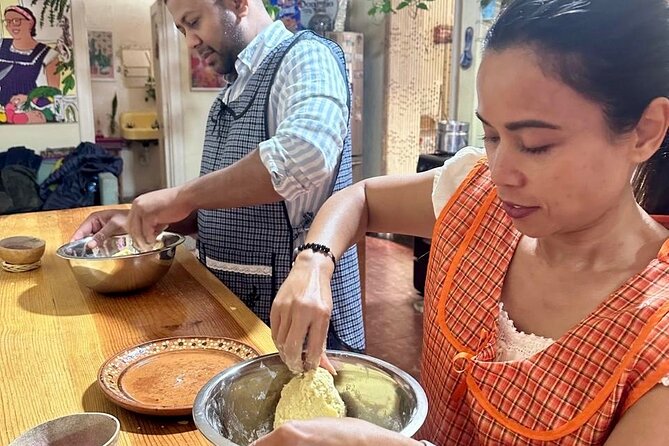
At $65 per person for about 3 hours, you’re paying for more than a cooking demo.
Included elements you should value:
- Cooking equipment
- Snacks including Pan de muerto (and the possibility of filled Pan de Muerto as optional)
- Chocolate with cacao
- Recipes you can take home
- An instructor-led process that covers ingredients, kneading, shaping, and baking
The big value point is the take-home bread. Many classes are more about the lesson than the product. This one is designed so you leave with your own Pan de Muerto, which turns the class into something you can share—or at least enjoy slowly at home.
You also get a small-group setup (max 10). That can be the difference between feeling guided and feeling lost.
One more value angle: the experience notes that booking supports local commerce. That matters if you care about spending money where it actually supports neighborhood businesses and local people.
Language options, group size, and the small comforts that matter
This class can be held in more than one language at the same time, so you should be able to find an option that fits your comfort level. It’s also near public transportation, which helps if you don’t want to plan private transit just for one activity.
The session has a maximum of 10 travelers (kept small), which I appreciate because bread work needs attention. Dough doesn’t wait for you to catch up.
Service animals are allowed, which is always worth checking if you need that accommodation.
Also, you can request a different time or day if that’s important for your schedule. That flexibility can make it easier to slot the class into your Mexico City days.
Weather and what to do if plans get disrupted
The experience requires good weather. If it’s canceled due to poor weather, you’ll be offered a different date or a full refund.
If you’re booking close to your trip dates, it’s a good idea to confirm your timing since meeting and travel in Mexico City can be affected by day-of conditions.
Who should book this Pan de Muerto cooking class
This is a great choice if you want:
- A hands-on introduction to Mexican cuisine, with a clear skill you can repeat later
- A cultural experience tied to Día de Muertos themes, not just a generic cooking activity
- A small-group setting where you can ask questions and get guidance
It’s also a good fit for people traveling with another person or a small group who want a shared activity that results in something tangible to bring home.
Where it’s not a fit: if you need gluten-free options, the class isn’t gluten free based on the provided information.
Should you book the Learn to Cook Mexican Bread class in Tacuba?
If you want an experience that’s both fun and useful, I’d say yes. The combination of Pan de Muerto breadmaking (including kneading, shaping, and baking), plus high-cacao hot chocolate, plus recipes you can keep is a strong value package for $65.
Book it especially if you like food that has meaning, and if you want the satisfaction of taking your own loaf home. If you’re worried about gluten, or if you’re only looking for a quick taste without learning technique, you might want to choose a different kind of food tour.
One final thought: because you can arrange different times or days and because the group stays small, this class is a good candidate for fitting neatly into a Mexico City itinerary without stress.
FAQ
Where is the meeting point for the class?
You meet at Parroquia San Gabriel Arcangel, Calz México-Tacuba S/N, Tacuba, Miguel Hidalgo, 11490 Ciudad de México, CDMX, Mexico. The activity ends back at the meeting point.
How long does the experience last?
The class lasts about 3 hours.
Is the experience gluten free?
No. The experience is not gluten free.
What will I make during the class?
You’ll learn to make Pan de Muerto from scratch, and you’ll also make a high-cacao hot chocolate. You’ll take your Pan de Muerto home.
What is included with the price?
Included are cooking equipment, snacks (Pan de muerto and chocolate with cacao), recipes, and the optional filled Pan de muerto is mentioned as an option.
Are private transportation options included?
No. Private transportation is not included.
What group size should I expect?
The experience has a maximum of 10 travelers.
Is the class offered in multiple languages?
Yes. The experience can be held in more than one language at the same time.