
REVIEW · SAN MIGUEL DE ALLENDE DAY TRIPS
Colonial Treasures: San Miguel de Allende, Guanajuato, Zacatecas and Guadalajara
Colonial Mexico in four cities sounds simple. It’s not—it’s a lot of history delivered by a tight itinerary and a guide who keeps things moving. I like that you get UNESCO-level sites plus real-time storytelling, and I also like that most of your costs are already handled with nine nights of lodging and breakfasts included. One thing to consider: the days are packed, so if you crave slow wandering, you may feel rushed between major stops.
This route also gives you a rare “big picture” view of Central Mexico. You’ll bounce from baroque churches to underground streets, then end in Mexico City’s biggest sights—all without having to plan the logistics yourself. The main tradeoff is time on the road, and in some group situations the English narration can be uneven, so it helps to choose your seat and have realistic expectations.
In This Review
- Key things to know before you go
- A Four-City Colonial Sprint From Mexico City
- Price and What You’re Really Paying For
- Day 1: Landing, Transfer, and Settling Into Mexico City
- Day 2: Queretaro UNESCO Walking + San Miguel’s Parroquia
- Day 3: Dolores Hidalgo’s Independence Start and Guanajuato’s Hidden Streets
- Day 4: Zacatecas at 8,100 Feet + Mina El Eden Cable Car
- Day 5: Guadalajara Cathedral, Plaza Tapatía, and the Main Squares
- Day 6: Vicente Fernández Ranch, Tres Potrillos, Then Toward Lake Pátzcuaro
- Day 7: Purepecha Craft Focus in Pátzcuaro and On to Morelia
- Day 8: Morelia’s Cantera Buildings, Cathedral Stops, and Mercado de Dulces
- Day 9: Mexico City’s Big Hits—Zócalo, Templo Mayor, Chapultepec, Zona Rosa
- Day 10: Airport Transfer and a Clean Exit
- Language, Timing, and Van Reality (Where Tours Can Go Right or Wrong)
- Who Should Book This Colonial Treasures Tour?
- Should You Book It?
- FAQ
- What cities are included in the tour?
- How long is the tour and where does it start?
- Are meals included?
- What kind of accommodation is included?
- Is pickup included?
- Can I cancel and get a full refund?
Key things to know before you go
- Small group (max 8) means you’ll usually get more attention than on big buses
- Guided background is built into the sightseeing, especially around UNESCO sites and museums
- 4 and 5-star hotels (with a catch): Mexico City can be 5-star, elsewhere is 4-star
- Mina El Eden is included via an aerial cable car—short, memorable, and very not-for-flat-land people
- Tequila day is hands-on: the Vicente Fernández ranch + Tres Potrillos stop
- You’ll likely spend most of the day out: long driving blocks make comfort items worth packing
More of the road up to San Miguel
- Private Historical Tour in San Miguel de Allende and Guanajuato
★ 5.0 · 27 reviews - Private Transfers To San Miguel de Allende
★ 3.5 · 21 reviews - San Miguel de Allende in a day
★ 3.5 · 11 reviews - Private tour to Queretaro and San Miguel de Allende
★ 4.0 · 10 reviews
A Four-City Colonial Sprint From Mexico City
This is the kind of tour that works if you want to see a lot of iconic places in a short window. You start with Mexico City connections, then fan out to San Miguel de Allende, Guanajuato, Zacatecas, and Guadalajara—before folding back through Morelia and ending with a Mexico City highlight day.
The best part is the way the tour turns “pretty streets” into context. You’re not just looking at churches and plazas; you’re getting the why behind them while you’re standing right there. And because you’re staying multiple nights (nine nights total), you’re not constantly changing hotels every day.
The tradeoff is simple: you’re doing multi-city travel on a schedule. If you enjoy soaking in one town for a few extra hours, you may wish you had a slower pace.
Price and What You’re Really Paying For
The price is $1,405 per person for about 10 days. That sounds steep until you break down what’s already handled: nine nights of accommodation, airport-to-hotel round-trip transfers (shared), a bilingual local guide, and nine breakfasts. On top of that, multiple sightseeing stops list admission tickets as included.
So, where does the value come from? It’s in reducing planning stress. You don’t have to line up intercity transport, ticket timing, and a guide for museums/cathedrals in four different regions. For many people, that peace of mind is worth real money.
Two practical notes. First, hotel quality is not uniform: 5-star options are only in Mexico City, while the other towns are 4-star. Second, meals and drinks are not included unless specifically stated, so you’ll still budget for lunch and dinner.
Day 1: Landing, Transfer, and Settling Into Mexico City
Day one is straightforward: arrive at Benito Juárez International Airport, then you get an arrival transfer to your hotel. It’s listed as about two hours with an admission ticket included for the transfer day’s scope.
What I like about starting this way is that you’re not rushed into day-two sightseeing while still thinking about your flight. You can freshen up, grab a first meal nearby, and sleep like a normal person—at least for a night.
After that, you’ll be in “out-and-about” mode. Make sure your first night includes a good early bedtime, because the itinerary’s start time is 9:00 am.
- Teotihuacan, Guadalupe Shrine & Tlatelolco Day Tour with Lunch★ 5.0 · 11,603 reviews
- Xochimilco, Coyoacan and Frida Kahlo with Optional Lunch★ 4.5 · 7,320 reviews
- Balloon flight + Breakfast in cave + Pyramids + Pick up CDMX.★ 5.0 · 6,335 reviews
- Teotihuacan pyramids morning or afternoon without tourist traps★ 5.0 · 6,186 reviews
- Teotihuacan Early Access Guided Tour with optional Lunch★ 4.5 · 6,138 reviews
Day 2: Queretaro UNESCO Walking + San Miguel’s Parroquia
You begin with a morning pickup and a drive to Historic Center of Santiago de Queretaro, a UNESCO-designated World Heritage site (named in 1996). This isn’t a quick photo stop. The tour includes the historic downtown plus major landmarks like the aqueduct and the Convent of the Crosses.
Queretaro has a calmer feel than some of the flashier cities on this route. That can be a good thing: it’s easier to get your bearings on colonial Mexico here—plazas, mansions, and pedestrian-friendly areas that feel preserved.
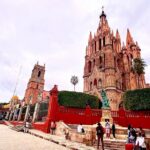
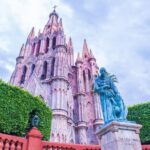
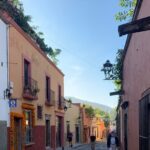
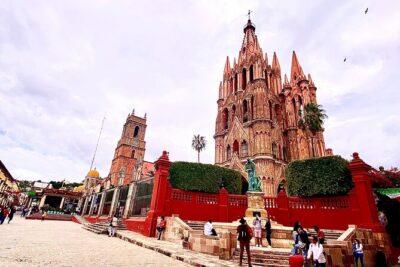
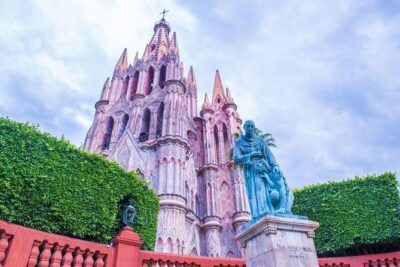
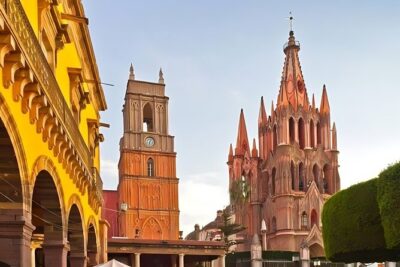
Then you continue on to San Miguel de Allende, another declared cultural and historic heritage site. Your anchor is the iconic Parroquia de San Miguel Arcángel, including the Holy House Chapel. Afterward, you get afternoon freedom to browse handicrafts and check out restaurants and bars.
Tip: San Miguel evenings are the whole point. If you arrive with energy, you’ll enjoy it more—and the earlier you get to the center, the better.
Day 3: Dolores Hidalgo’s Independence Start and Guanajuato’s Hidden Streets
Today you start with Dolores Hidalgo, known as the cradle of Mexico’s Independence. The key moment is that in 1810, Don Miguel Hidalgo began the independence war here. You’ll visit Parroquia Nuestra Señora de los Dolores.
This stop sets the tone for the whole trip: colonial architecture isn’t just decoration—it’s tied to politics, religion, and power shifts over centuries.
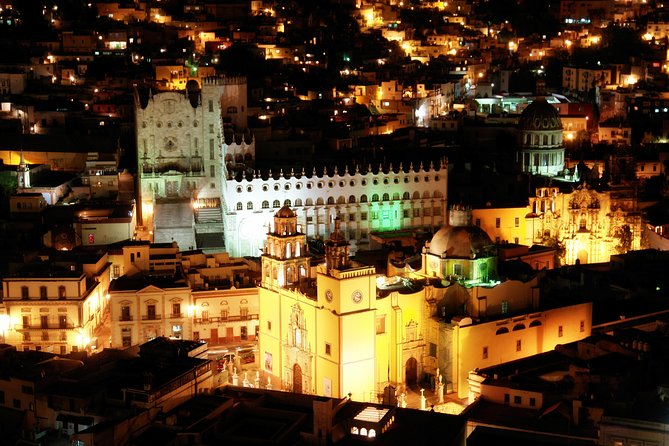
Next comes Guanajuato, and the city’s famous street system is part of what you’ll feel immediately. Your itinerary includes big-name landmarks and multiple museums: the University area, Juárez Theater, the Museum of Don Quixote, and the Museum of the Mummies. You’ll also see the so-called kissing alley, plus Diego Rivera’s house, and other highlights like the Alhóndiga de Granaditas and the Regional Museum of Guanajuato.
What makes Guanajuato special is the way it turns geography into character. The streets and subterranean avenues are one-of-a-kind—so even a “short” guided stop can feel like you’re learning the city’s logic.
Day 4: Zacatecas at 8,100 Feet + Mina El Eden Cable Car
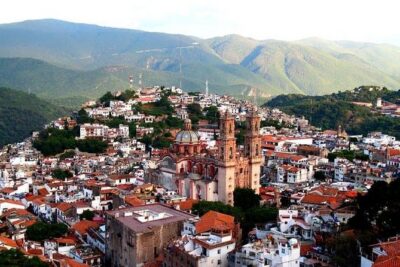
If you’ve ever wondered why people get dramatic about altitude, this is your day. Zacatecas sits at 8,100 feet, and the tour explicitly frames it as one of the most visually impressive stops of the trip.
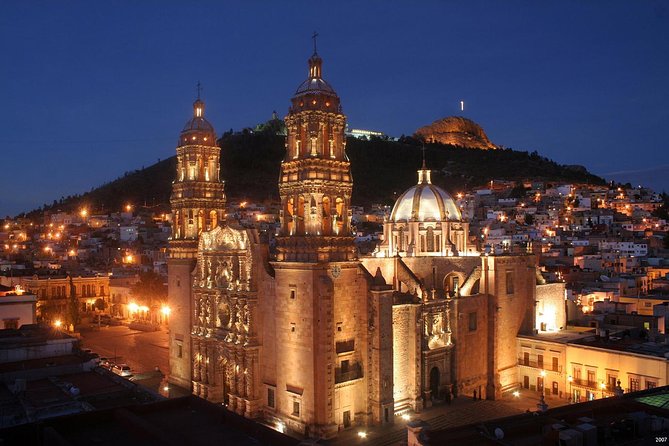
Your guided time includes the Catedral de Zacatecas, which dominates the center, with a strong focus on Mexican baroque style details across the cathedral and other historical monuments. You’re also in the thick of a World Cultural and Historic Heritage setting, so it’s built for walking and lingering—though the itinerary keeps you moving.
After that, you add a very memorable optional element that’s listed right in the program: Mina El Eden. You descend in an aerial cable car to visit the mine. Even if you’re not a “mine person,” this one tends to land because it’s unusual and tactile. You’re inside the story, not just looking at it.
Day 5: Guadalajara Cathedral, Plaza Tapatía, and the Main Squares
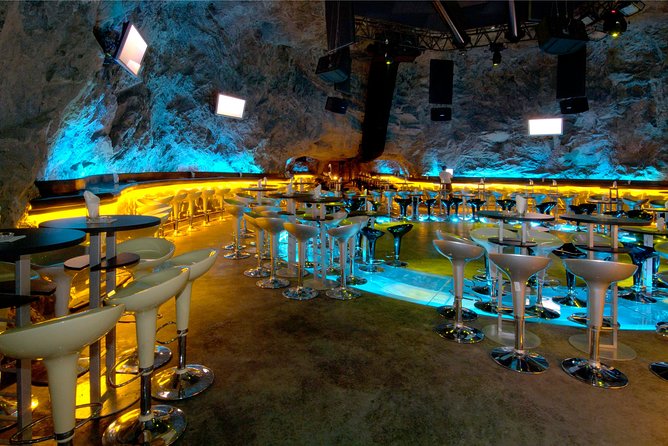
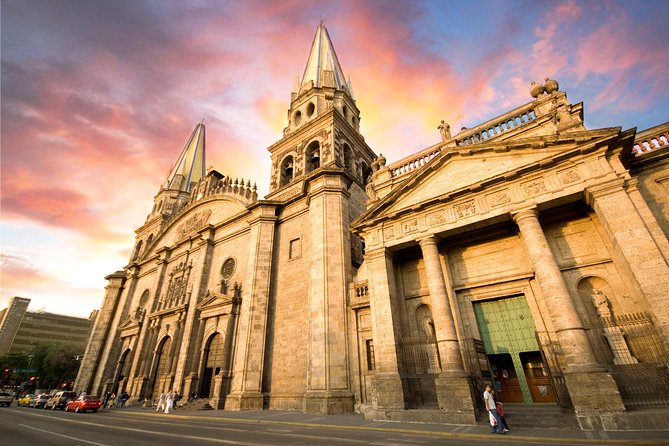
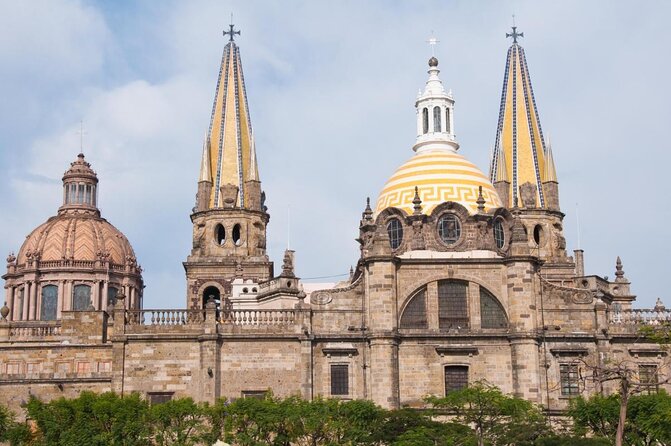
Guadalajara gets a classic introduction. Your itinerary covers the historic center and major landmarks including Plaza Tapatía, the Metropolitan Cathedral, the Government Palace, and the Degollado Theater.
This is also where the tour leans into cultural identity: tequila and mariachis are mentioned as part of the city’s background. Whether you’re into performance culture or not, Guadalajara’s center works because it’s built around public spaces. That makes it easier to handle a guided schedule—you can step out of the group rhythm and just watch how people use the plazas.
If you love architecture, you’ll have plenty to look at. If you’re more of a food-and-friends traveler, the good news is the itinerary doesn’t swallow the entire day; you’re still set up to continue on your own afterward if energy remains.
Day 6: Vicente Fernández Ranch, Tres Potrillos, Then Toward Lake Pátzcuaro
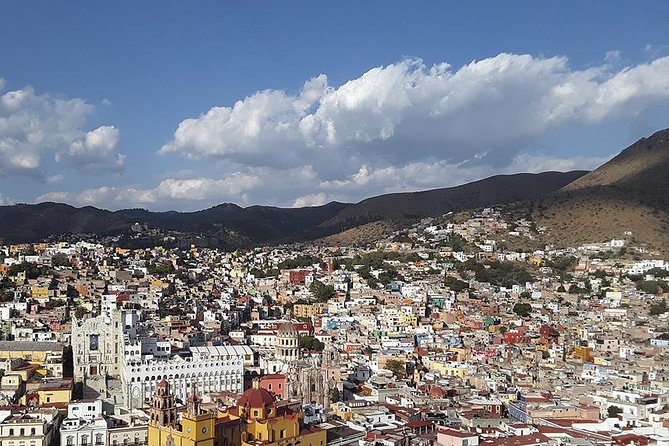
Day six mixes celebrity-folk tequila culture with a bigger regional shift toward Pátzcuaro and then lodging in Morelia.
The morning stop is the Vicente Fernández ranch. You’ll also visit Tres Potrillos souvenir store, described as the largest cowboy store in the world. You can go as far as the guards allow, see some of the ranch interior, and visit the tomb of the artist.
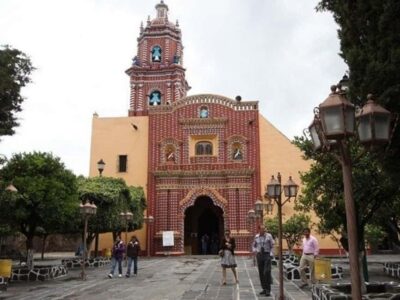
Then the plan moves toward Pátzcuaro, described as the gateway to heaven (in Purépecha). Lake Pátzcuaro areas come with a clear list of “what to see”: the Basilica of Our Lady of Health, the House of the Eleven Patios, the historic center, and Janitzio.
In the portals of downtown Pátzcuaro, the tour notes you can enjoy cafes and restaurants with typical and international dishes. That’s a helpful detail: after long driving, you’ll want easy-to-find meals and a place to sit.
Day 7: Purepecha Craft Focus in Pátzcuaro and On to Morelia
You continue with Pátzcuaro again, but this time the emphasis shifts to crafts and local culture. The tour frames Pátzcuaro as a colonial-charm town and an important craft center. It also calls out artisan heritage: Purepecha origins, with works in wood, wrought iron, basketry, and embroidery.
You’ll also get guided repeats of signature sights: Basilica of Our Lady of Health, the House of the Eleven Patios, and the historic colonial district. In the afternoon, there’s time for typical dishes and music around the downtown square portals before heading to Morelia.
This day is built for anyone who likes local-making-your-way through a town. When craft is a focus, you’re not just sightseeing—you’re also getting a sense of how people earn a living and keep traditions alive.
Day 8: Morelia’s Cantera Buildings, Cathedral Stops, and Mercado de Dulces
Morelia is one of Mexico’s prettiest “walkable with a purpose” cities, and the tour doesn’t hide that. It highlights Morelia Cathedral, plus other major stops like the Government Palace (noted as originally the Tridentine Seminary of Valladolid) and the Clavijero Palace. You’ll also cover Plaza de Armas, the city’s largest square.
A standout in the itinerary is the Guadalupita Temple at the San Diego Convent, with Indian baroque décor. That phrasing is useful: it’s not just decoration, it’s a style choice that reflects local interpretation of European religious art.
Then comes the practical fun part: the Mercado de Dulces (Sweet Market). The tour specifically mentions sugary delights such as candied coconut and sweetened fruits and vegetables, plus traditional local handicrafts.
After Morelia, you continue back to Mexico City, and you sleep there.
Day 9: Mexico City’s Big Hits—Zócalo, Templo Mayor, Chapultepec, Zona Rosa
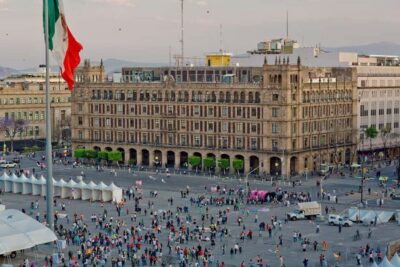
This is your “Mexico City greatest hits” day, and it starts with UNESCO-level sites. You visit the National Palace with Diego Rivera murals, the Constitution Square (Zócalo), the Aztec Templo Mayor, and the Metropolitan Cathedral.
Then the itinerary continues toward Chapultepec Park and the Zona Rosa, described as full of restaurants and shops. This part is where the tour balances archaeology and modern city life. You’ll see the city’s layered identity: Aztec roots, colonial power, and modern street energy.
One caution: Mexico City is big. Even with a guide, you’ll want comfortable shoes and a steady pace mindset. This is not the day to rush off for one last solo mission.
Day 10: Airport Transfer and a Clean Exit
Your final day is simple: at the appropriate time, you get transferred to Benito Juárez International Airport in time for your return flight. The tour lists about two hours for this day’s transfer.
I like that the departure is designed around you catching your flight, not around squeezing in one more “quick” stop.
Language, Timing, and Van Reality (Where Tours Can Go Right or Wrong)
Here’s the honest part: this kind of tour depends heavily on guide quality and group language mix.
The tour description says the guide is local bilingual and offered in English. But real-world group dynamics can change what you hear day to day. In some situations, English narration can be harder to follow, especially if your guide’s spoken English is difficult to understand or if most passengers speak Spanish. I’d treat this as a “confirm before you go” item, not a guarantee.
Timing matters too. The itinerary starts at 9:00 am. If the schedule drags you into later arrivals, you’ll have less time for that last hour of browsing or a longer museum stop. One way to protect your trip: arrive with a plan for what you most want to see in each city, so a shortened stop still hits your priorities.
Finally, pay attention to seat dynamics. In shared vans, where you sit affects whether you can hear instructions and narration. If there’s a pattern of changing seats each day, do it. It sounds small, but it can be the difference between hearing the story and just hearing noise.
Practical packing: bring a refillable water bottle. The tour data doesn’t promise water during long drives, and a few comfort items can turn a grindy travel block into something tolerable.
Who Should Book This Colonial Treasures Tour?
This works best if you want a guided overview of colonial-era Mexico without doing the planning math. If you’re traveling with limited time, enjoy museums and churches, and like having someone else handle logistics, you’ll probably feel satisfied.
It also fits well for first-timers who want to sample multiple regions quickly: San Miguel de Allende, Guanajuato, Zacatecas, Guadalajara, and the return loop through Pátzcuaro/Morelia and Mexico City.
If you hate schedules, skip it. Packed days can leave you longing for slower afternoons—especially in places like San Miguel and Guanajuato where the atmosphere is the main event.
Should You Book It?
I’d book this if your goal is clear: see the big colonial highlights with context, stay put long enough to enjoy nightlife/markets in a couple cities, and avoid the headache of intercity logistics.
I’d think twice if your top priority is unhurried time in only one or two places, or if you need consistently clear English narration every single day. If language matters most, ask the provider to confirm your group will have a guide who speaks English comfortably, and be ready to protect your listening by choosing a seat that lets you hear.
FAQ
What cities are included in the tour?
The tour includes visits to San Miguel de Allende, Guanajuato, Zacatecas, and Guadalajara, plus time in Mexico City, and additional stops connected to Queretaro, Dolores Hidalgo, Pátzcuaro, and Morelia.
How long is the tour and where does it start?
It’s about 10 days. The tour starts from Benito Juárez International Airport area with pickups arranged after your arrival flight, and the day-to-day start time is listed as 9:00 am.
Are meals included?
Breakfast is included for 9 days. Food and drinks are not included unless they are specifically mentioned.
What kind of accommodation is included?
The tour includes nine nights of accommodation. The notes say 5-star hotel options are in Mexico City only, while hotels in the other towns are four-star.
Is pickup included?
Yes. The tour offers shared transfers for airport-to-hotel and hotel-to-airport.
Can I cancel and get a full refund?
Yes. You can cancel up to 6 days in advance for a full refund, with the cutoff based on the experience’s local time.
If you tell me your travel month and whether English narration is a must-have for you, I can help you decide if this schedule fits your style.
More Tour Reviews in Mexico City



The Road Up to San Miguel


Fresh from our Mexico City notebook

San Miguel de Allende Day Trips, compared.
 ★ 4.5San Miguel de Allende Tour from Mexico CityFrom $119407 reviews
 ★ 5.0Private Historical Tour in San Miguel de Allende and GuanajuatoFrom $35027 reviews
 ★ 3.5Private Transfers To San Miguel de AllendeFrom $12521 reviews
 ★ 3.5San Miguel de Allende in a dayFrom $14511 reviews
 ★ 4.0Private tour to Queretaro and San Miguel de Allende10 reviews
 ★ 4.5Private Transportation from Mexico City to San Miguel de AllendeFrom $2699 reviews
 ★ 4.5Full Day: San Miguel de AllendeFrom $2026 reviews
 ★ 4.0From CDMX: One day tour of colonial San Miguel de AllendeFrom $1244 reviews
Browse the lists this tour appears in