REVIEW · MEXICO CITY
Ciudad de Mexico: Historia y vida moderna en la capital
Mexico City can feel like a lot at first glance. This compact walking tour helps you piece it together fast, from Aztec remains to grand colonial landmarks and modern-day life in the streets around them.
I love that the route is short but packed with big-name sites like the Metropolitan Cathedral and Templo Mayor, without turning it into a boring checklist. Two stops that especially click are the old heart of the city at the Zócalo and the way Casa de los Azulejos shows how wealth and artistry still shape daily Mexico City rhythms.
The main drawback to plan for is simple: it’s on foot, with several photo stops and guided segments, so you’ll want comfortable shoes and patience with crowds around the Centro center.
Key highlights worth making time for
- Templo Mayor views that connect Tenochtitlan’s story to what stands there now
- Metropolitan Cathedral + Zócalo as the city’s most visible “center of gravity”
- Hospital de Jesús Nazareno for a medical-and-human story, not just monuments
- Food break in Plaza Manuel Tolsá plus included juice or a typical snack taste
- Small groups (max 10) mean you actually get answers, not just photos
In This Review
- Why This 3.5-Hour Centro Walking Tour Is Perfect for Your First Day
- Meet Your Guide Near Museo de la Ciudad de México
- Hospital de Jesús Nazareno: More Than an Old Building
- Zócalo and Catedral Metropolitana: Read the City’s Power in Stone
- Templo Mayor: Where the Aztec Core Meets Today’s City
- Plaza Santo Domingo and Casa de los Azulejos: Old Streets, Still Doing Their Job
- Plaza Manuel Tolsá: The Food Moment That Makes It Real
- Jugos Canada and Palacio de Correos: Simple Stops With City-Breath
- Palacio de Bellas Artes: When Architecture Turns Into a Public Memory
- What You Get for the Price (and Where You Might Pay Extra)
- Practical Tips That Make the Walk Comfortable
- Who This Tour Suits Best
- Should You Book This City History Walk?
- FAQ
- How long is the tour?
- How much does the tour cost?
- What language is the tour guide?
- What’s included in the tour price?
- Are all museum entrances included?
- Is the tour wheelchair accessible?
- What should I bring?
- Is alcohol allowed on the tour?
Why This 3.5-Hour Centro Walking Tour Is Perfect for Your First Day
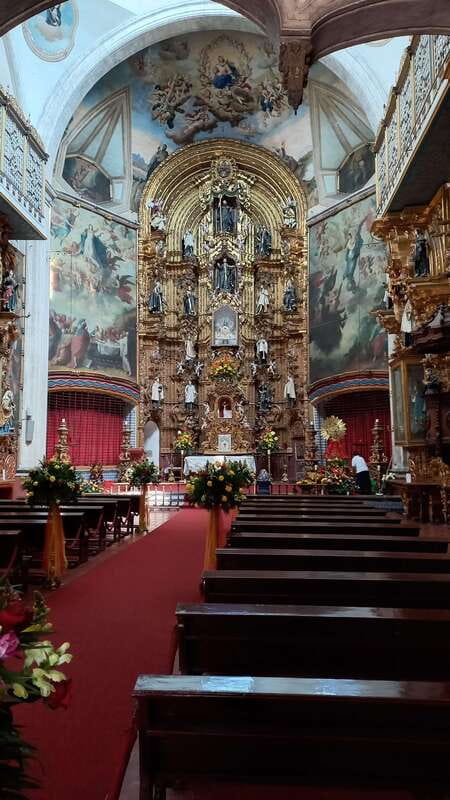
If you’re arriving in Mexico City and want a quick mental map, this tour does the heavy lifting. In just 3.5 hours, you’ll learn how the capital layers time on top of time—prehispanic, colonial, and modern—while still seeing the places you’ll likely revisit later.
The value isn’t only in the famous stops. It’s in how the guide connects architecture and street life. You’ll hear explanations that make the city’s changes feel logical, not random. And because the group is limited to 10 participants, it tends to stay personal: questions make it into the conversation, not just the sidelines.
One more smart choice: it works across multiple interests. You’ll get story, visual design, and practical city sense—where to look, what to notice, and how to read Centro like a local.
Weighing this one up? Here is how it lands next to a few Mexico City favourites:
- Teotihuacan, Guadalupe Shrine & Tlatelolco Day Tour with Lunch
★ 5.0 · 11,603 reviews - Xochimilco, Coyoacan and Frida Kahlo with Optional Lunch
★ 4.5 · 7,320 reviews - Balloon flight + Breakfast in cave + Pyramids + Pick up CDMX.
★ 5.0 · 6,335 reviews - Teotihuacan pyramids morning or afternoon without tourist traps
★ 5.0 · 6,186 reviews
Meet Your Guide Near Museo de la Ciudad de México
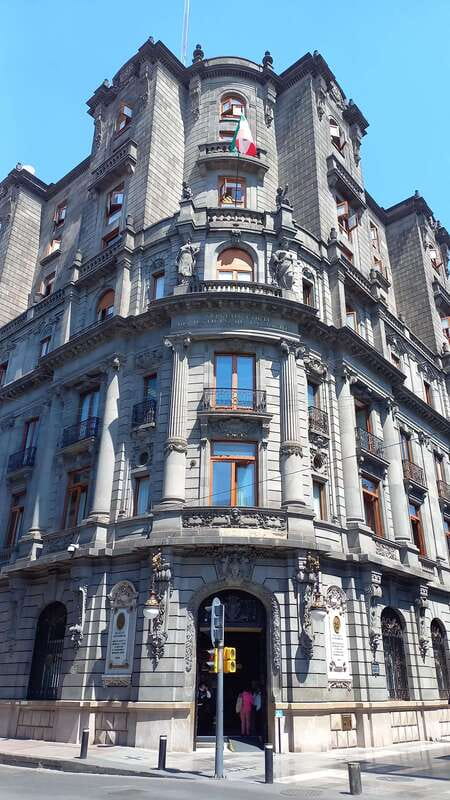
The tour starts right where you’d want to begin if you’re trying to understand the city’s identity. You’ll meet in the square in front of the Museo de la Ciudad de México, and from there you’ll walk into the Centro historic core.
You can go in English or Spanish, and the guiding team is described as trained across art, history, and anthropology. That matters because Mexico City isn’t just “old stuff.” It’s old stuff plus everyday routines—markets, churches, plazas, and the way people move through public space.
Also, this is wheelchair accessible, which is a big deal for a city walking tour. You still should wear comfy shoes, but you won’t be forced into a “no mobility option” situation.
Hospital de Jesús Nazareno: More Than an Old Building
Your first major stop is the Hospital de Jesús Nazareno, with a guided visit that lasts about 20 minutes. Even if you only catch a few details, it gives you an important angle: Mexico City’s history includes care, institutions, and social responsibility—not just battles and kings.
That’s part of why this tour feels different from a strict monument walk. Hospitals are human-scale history. They also help explain why certain neighborhoods and buildings became long-term fixtures in the city’s urban fabric.
If you’re the kind of traveler who likes context (not just photos), this is a strong opening. You start with a place that sets the tone: the city’s story involves people helping people.
Zócalo and Catedral Metropolitana: Read the City’s Power in Stone
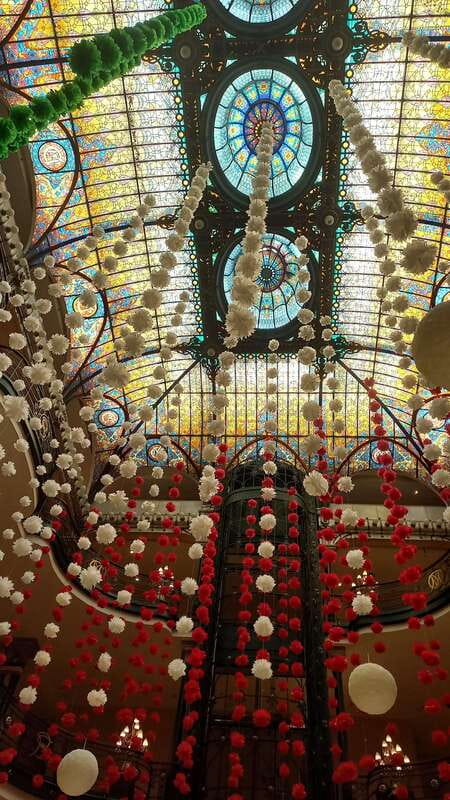
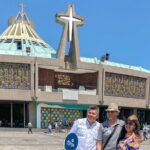
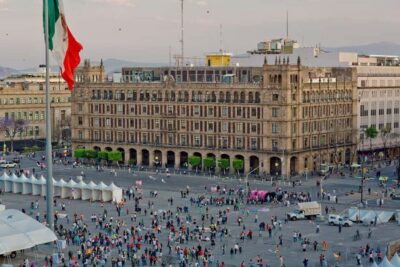
Next comes the center point for almost every “first time in Mexico City” plan: the Zócalo. You’ll pause for photos and a guided look (about 30 minutes), then continue to the Catedral Metropolitana for another guided and photo-based segment (around 30 minutes).
Here’s what I like about doing these together. The Zócalo is the public stage—wide, symbolic, and full of movement. The cathedral is the architectural statement that grew into the city’s skyline and identity.
Your guide’s job in this part is to help you see beyond the obvious. Look for how the space functions: why people gather here, how the cathedral’s presence shapes the street rhythm, and how “religious center” also became a political and cultural anchor over time.
Just be aware: Centro can be crowded. Plan to move steadily, listen for the cues, and accept that your best “quiet look” might happen for a few minutes at a time.
- Teotihuacan, Guadalupe Shrine & Tlatelolco Day Tour with Lunch★ 5.0 · 11,603 reviews
- Xochimilco, Coyoacan and Frida Kahlo with Optional Lunch★ 4.5 · 7,320 reviews
- Balloon flight + Breakfast in cave + Pyramids + Pick up CDMX.★ 5.0 · 6,335 reviews
- Teotihuacan pyramids morning or afternoon without tourist traps★ 5.0 · 6,186 reviews
- Teotihuacan Early Access Guided Tour with optional Lunch★ 4.5 · 6,138 reviews
Templo Mayor: Where the Aztec Core Meets Today’s City
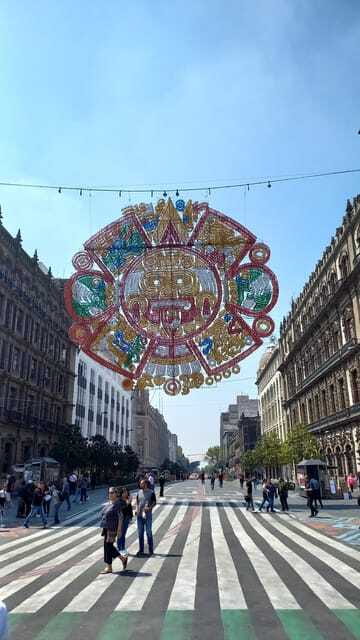
The tour’s most emotionally important stop for many people is Templo Mayor de México-Tenochtitlan. You’ll have a photo stop and guided segment for about 20 minutes.
This is where the tour earns its promise. You’re not only hearing that the Aztecs built here—you’re seeing the physical reminder of Tenochtitlan’s scale and significance. And the guide can connect that ancient foundation to how Mexico City grew outward, changed, and kept layers of meaning in place.
If you want one practical takeaway from this stop, it’s this: when you visit Templo Mayor, you’re training your eyes. You start noticing how modern construction respects some lines of history while ignoring others.
It’s also a good point in the tour to slow down, because it’s easy to rush monuments when you’re excited. Use the guided time to understand what you’re actually looking at.
Plaza Santo Domingo and Casa de los Azulejos: Old Streets, Still Doing Their Job
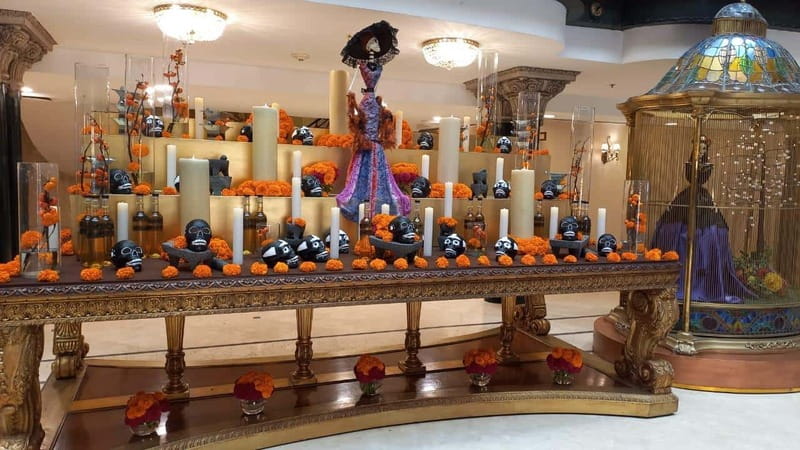
After Templo Mayor, you’ll walk toward Plaza Santo Domingo, with a photo stop and guided time (around 20 minutes). Santo Domingo’s area helps show how Centro isn’t frozen. It’s a working neighborhood where historic architecture remains part of daily movement.
Then comes one of the visual treats: Casa de los Azulejos. You’ll have a short guided visit (about 10 minutes), plus time for photos. This building is a great example of how style isn’t just decoration—it’s a sign of status, identity, and the city’s long love of craftsmanship.
Even if you’re not an art historian, the building’s look helps you understand why people still take photos here. It’s instantly legible. The guide can add the story so it doesn’t feel like a stop you just “check off.”
Plaza Manuel Tolsá: The Food Moment That Makes It Real
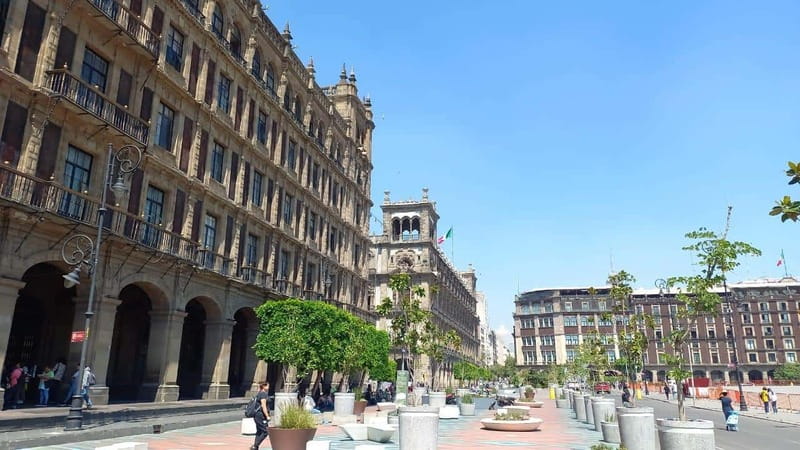
Between big monuments, you’ll get a break and a practical taste experience at Plaza Manuel Tolsá. This is your 30-minute break time, built around food tasting.
That’s one of the best design choices on the schedule. Learning Mexico City’s history is easier when you also pause to taste the present. And the tour also includes a traditional fresh juice or a typical Mexican snack taste, which keeps the break from feeling random.
Around Centro, food choices can be overwhelming. A guided taste stop helps you avoid the “guessing game” when you’re hungry and still trying to learn what you’re seeing.
Some groups have also been treated with extra local food suggestions by the guide, like coffee or dishes such as enchiladas, depending on how the day unfolds. Don’t count on anything extra—but do expect real guidance about what to try nearby.
Jugos Canada and Palacio de Correos: Simple Stops With City-Breath
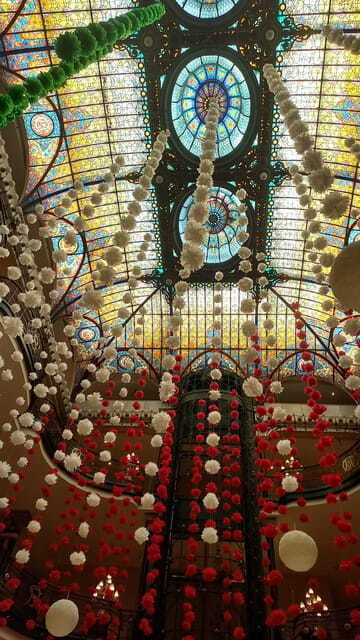
You’ll also pass by Jugos Canada for a quick walk segment (about 10 minutes). This works as a refresh moment—one of those “you’re here, so have a practical bite” stops that feels very Mexico City.
Next is the Palacio de Correos de México, with photo stop, visit, and guided time (around 15 minutes). Post office buildings often surprise people: they’re not just services, they’re architecture with a mission. That’s why this stop helps round out the story from religious and Aztec landmarks toward civic identity.
You’ll leave this section seeing how Mexico City’s buildings serve multiple roles: symbolism, function, and public life all in one.
Palacio de Bellas Artes: When Architecture Turns Into a Public Memory
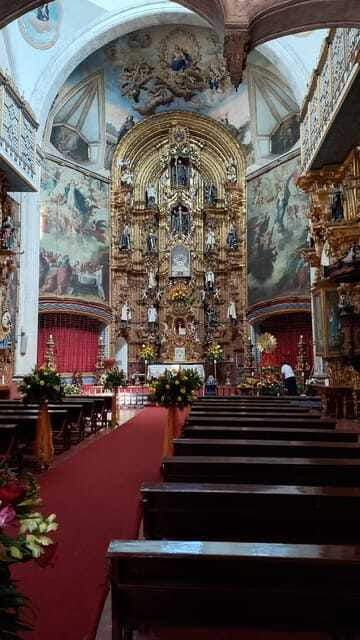
The final major highlight is Palacio de Bellas Artes, with a photo stop and guided visit (about 15 minutes). It’s one of the most recognizable “culture buildings” in Mexico City, and doing it after Correos makes the pacing feel right.
By then, you’ve already learned how the city’s center works—plazas, cathedrals, Aztec layers. Bellas Artes adds another chapter: the modern era’s idea of art and national identity housed in a monumental setting.
This is also a good place to let the tour sink in. You’ve got a mental map by now, so the building becomes more than a photo target. You start recognizing how these big structures shape the way people experience the city.
The tour ends at a nearby point in the Centro area (around CVP4+9C), so you can keep exploring on your own right after.
What You Get for the Price (and Where You Might Pay Extra)
At $37 per person for 3.5 hours, this tour is focused on value: a small group, a bilingual expert guide, and entry coverage for multiple types of sites.
Included are:
- An expert guide trained across art, history, and anthropology
- Entrance to museums, churches, historical temples, and historical buildings
- A traditional fresh juice or a taste of a typical Mexican snack
Not included:
- Entrance to some museums
- Any extra food you choose beyond what’s part of the included tasting
So how do you judge the price? You’re paying for the guide’s ability to connect the stops and for the built-in stops that reduce decision fatigue. If you’re trying to do Centro alone, you’d still want tickets, research time, and a route plan. This tour buys back that time.
Practical Tips That Make the Walk Comfortable
A Centro walking tour rewards good habits. Bring:
- Comfortable shoes
- Water
You’ll have a break for refreshments and food tasting, and the route includes multiple walking segments and photo/photo+walk transitions. That means you’ll stand a bit and walk a bit—no big surprise there—but comfortable shoes really matter.
Also note the simple rules:
- No alcohol or drugs
- No bare feet
Weather matters too. If it’s hot, plan to pace yourself and drink water even if you don’t feel “thirsty yet.”
And if you prefer to get more out of guided time, try this: listen first, then take photos. It’s the easiest way to avoid collecting images without understanding what they mean.
Who This Tour Suits Best
This tour fits best if you:
- Are in Mexico City for the first time and want a fast, organized orientation
- Like history that connects to architecture and street life
- Want a short group experience with English or Spanish guidance
- Prefer food tasting over “just find something yourself”
It’s also a good choice if you’re not sure which attractions to prioritize. The itinerary includes some of the best-known downtown anchors—plus less obvious stops like Hospital de Jesús—so you get both familiarity and surprise.
If you hate crowds, just know Centro can be busy. The guided stops help you manage that, but it’s still a central, popular area.
Should You Book This City History Walk?
Yes, if you want your first day in Mexico City to feel like a smart start, not a chaotic wander.
This works because it combines big-picture context with real places you’ll remember: Zócalo, Metropolitan Cathedral, Templo Mayor, and standout architecture like Palacio de Correos and Palacio de Bellas Artes. The small group size and strong guiding style—often highlighted by guides such as Martín—make it feel less like a speed run and more like learning the city’s logic.
If you’re only interested in one or two attractions and hate walking, you might choose a shorter, single-area tour. But if you want a compact route that ties together Aztec roots, colonial power, and modern culture, this is a solid pick for your schedule.
FAQ
How long is the tour?
The duration is 3.5 hours.
How much does the tour cost?
The price is $37 per person.
What language is the tour guide?
The live tour guide is available in English and Spanish.
What’s included in the tour price?
The experience includes an expert guide and entrance to museums, churches, historical temples, and historical buildings, plus a traditional fresh juice or a taste of a typical Mexican snack.
Are all museum entrances included?
Not all museum entrances are included. Some may require extra payment.
Is the tour wheelchair accessible?
Yes, the tour is wheelchair accessible.
What should I bring?
Bring comfortable shoes and water.
Is alcohol allowed on the tour?
No—alcohol and drugs are not allowed, and bare feet are also not allowed.